
Join Our Newsletter for Cozy Home Inspiration, Family Fun, and Delicious Recipes Every Week
13 Best Garden Bed Edgings

When I first started gardening, I honestly didn’t think much about borders or edges—I just planted and hoped for the best. Over time, I realized that using proper garden bed edgings can completely change the look of your yard.
They don’t just keep things tidy; they give your flower beds and vegetable patches a polished, organized feel. I love walking through my garden now and seeing how a simple line of stone or wood can make everything look intentional and cared for.
I’ve tried so many different styles over the years, from classic brick to modern metal, and each one has its own charm. What I’ve learned is that garden bed edgings aren’t just about aesthetics—they’re a practical solution that makes maintaining your garden easier. Mulch stays put, grass doesn’t creep into your flower beds, and overall, your space feels more inviting. Honestly, a little time spent choosing the right edging saves so much effort later, and it’s one of my favorite gardening tricks to share with friends.
Now, I love experimenting with new materials and textures, mixing natural stone with living plants or bamboo for a soft, organic feel. Garden bed edgings give you so many opportunities to express your style, whether you prefer something sleek and modern or rustic and cozy. Every time I add a new border, it feels like giving my garden a little gift, and I can’t wait to show you all the best ideas I’ve discovered over the years. By the end of this post, you’ll have plenty of inspiration for using garden bed edgings to make your outdoor space both beautiful and functional.
13. Stone Pathway Edging
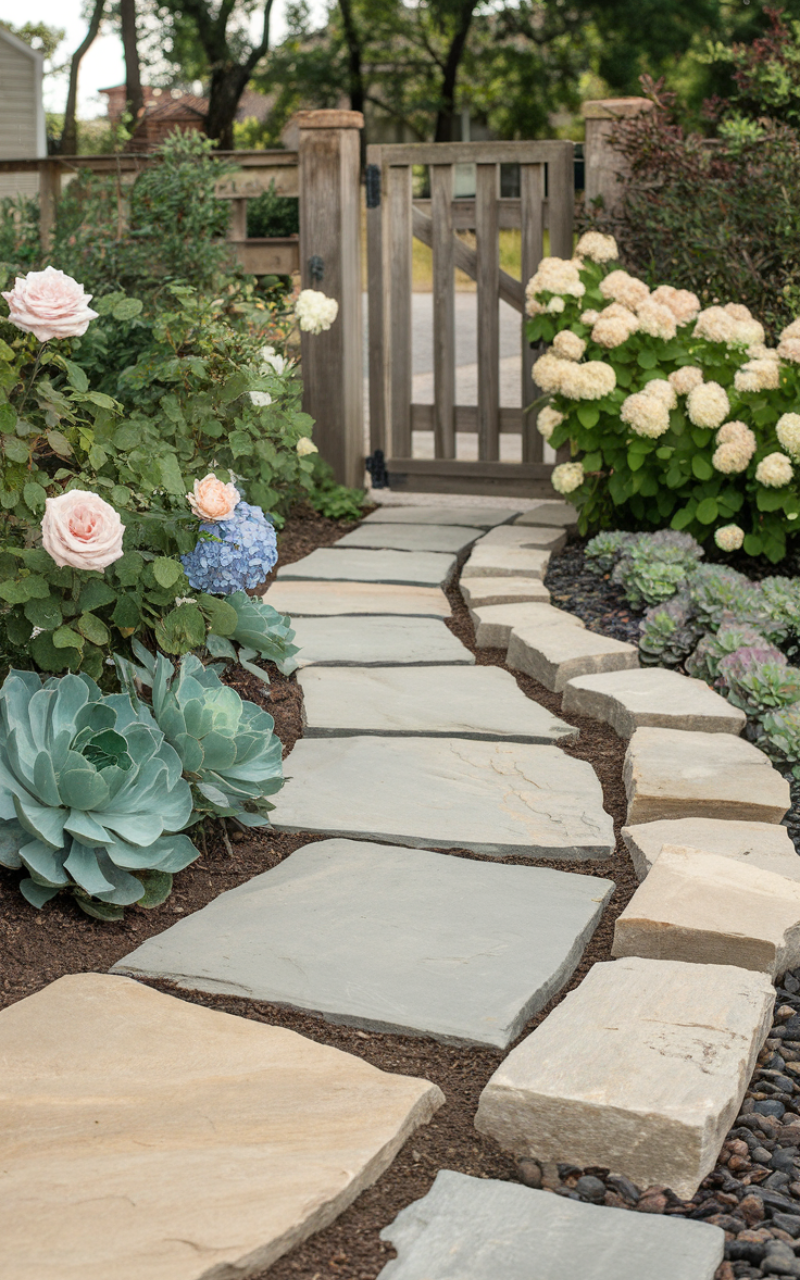
Using natural stone for your garden bed edgings creates a timeless and elegant look. Stones come in various shapes, sizes, and colors, allowing you to craft a unique pathway or border. Garden bed edgings made from stone are durable, weather-resistant, and add texture to your garden design. They also help to separate flower beds from grassy areas, keeping soil and mulch in place. This type of edging blends beautifully with both modern and traditional gardens, and it’s perfect for creating a natural, earthy vibe while maintaining a neat and organized garden layout.
12. Brick Garden Edgings
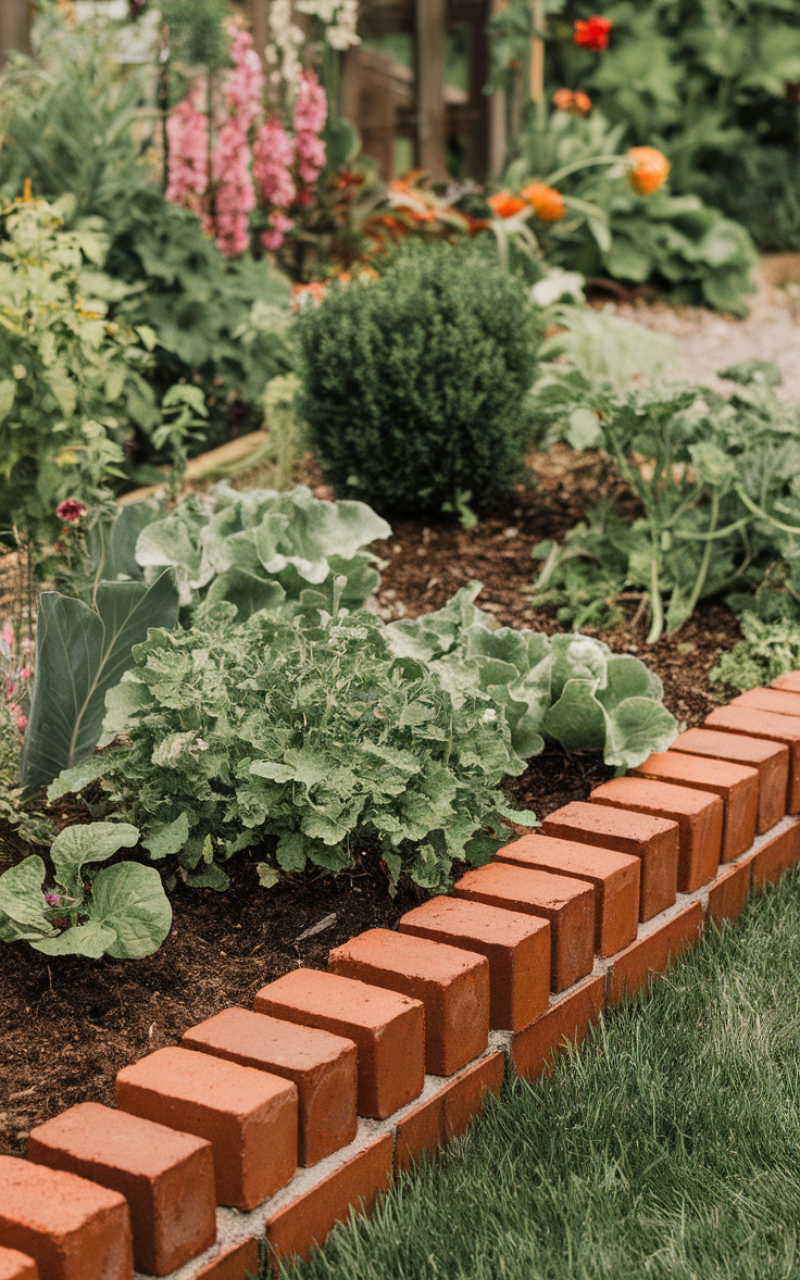
Brick garden bed edgings offer a classic and versatile option for any outdoor space. You can lay them flat, stack them, or angle them for a decorative flair. Bricks provide a strong and durable barrier that keeps soil, mulch, and plants contained. With garden bed edgings made from brick, you can also easily create curves and patterns to match the overall design of your yard. Their warm, red tones give a charming aesthetic that complements flowers, shrubs, and even vegetable gardens, making them a reliable choice for gardeners seeking both function and style.
11. Metal Edging
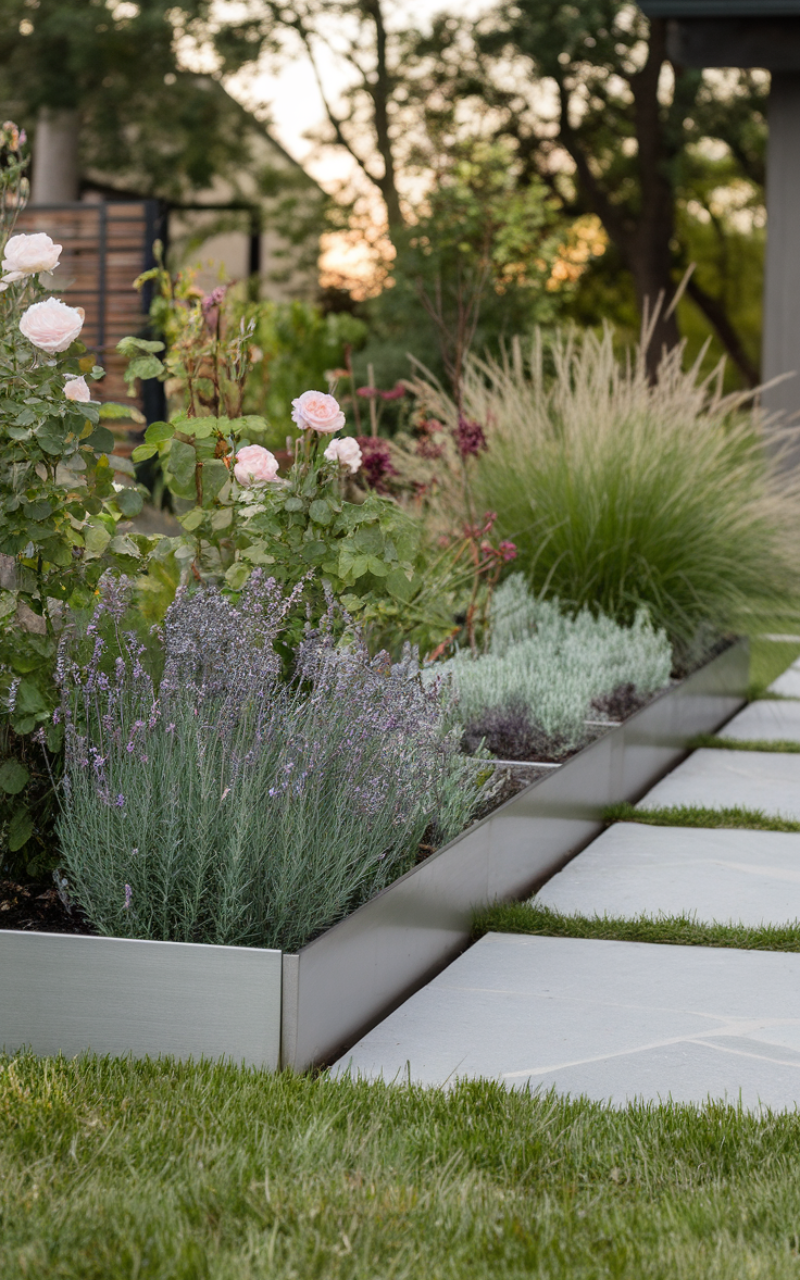
Metal garden bed edgings are sleek, modern, and low-maintenance. They provide a sharp, clean line between lawns and flower beds, giving your garden a polished look. Made from steel or aluminum, these edgings resist rust and withstand harsh weather conditions, ensuring longevity. Garden bed edgings in metal are perfect for straight lines or gentle curves and can easily blend with contemporary garden designs. Installing metal edgings is straightforward, and they keep soil and mulch neatly in place, helping maintain a tidy and professional appearance throughout the growing season.
10. Wooden Timber Edgings
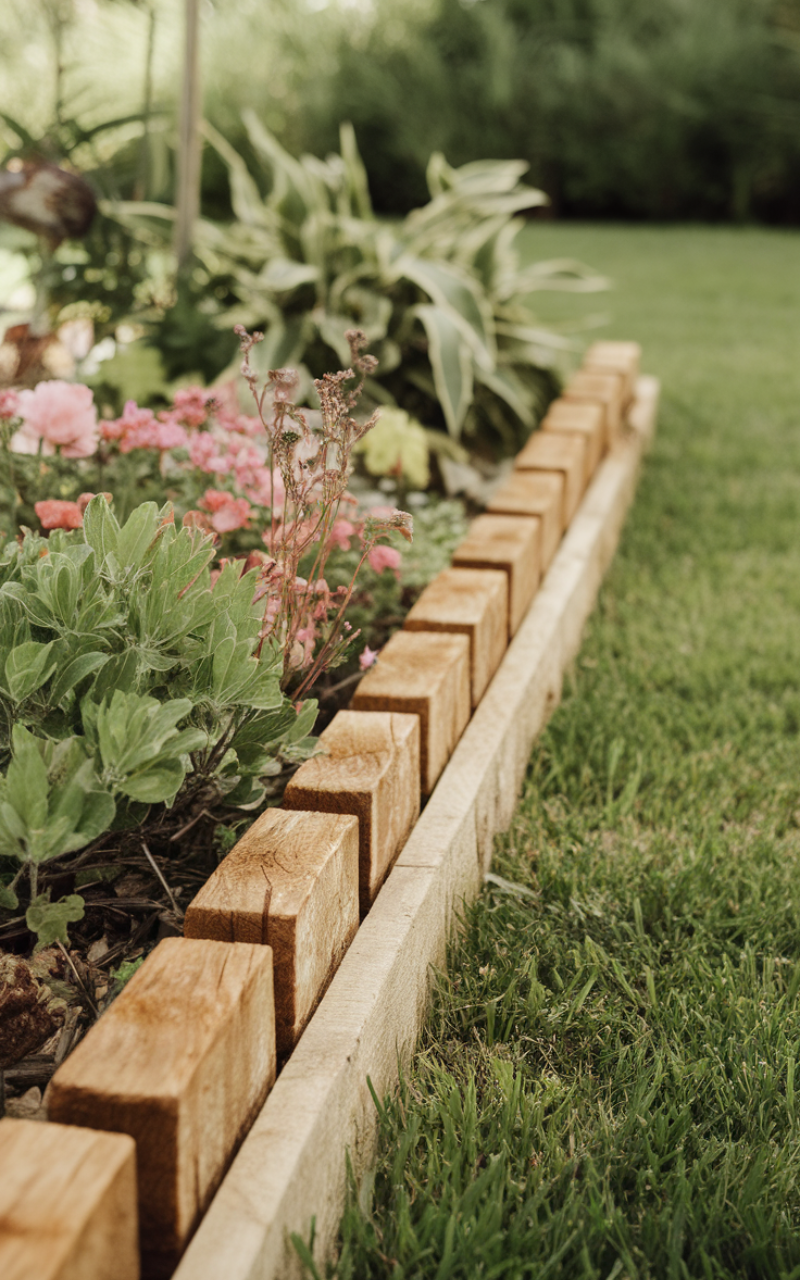
Wooden garden bed edgings bring a warm, natural touch to your yard. You can use treated timber, cedar, or reclaimed wood to create a border that’s both functional and visually appealing. Timber garden bed edgings are ideal for separating flower beds from grass, paths, or vegetable gardens, and they can be shaped into curves or straight lines. Over time, wood develops a charming, rustic patina, adding character to your garden. These garden bed edgings are easy to install, budget-friendly, and perfect for gardeners who love a natural, organic feel in their outdoor spaces.
9. Plastic or Composite Edging
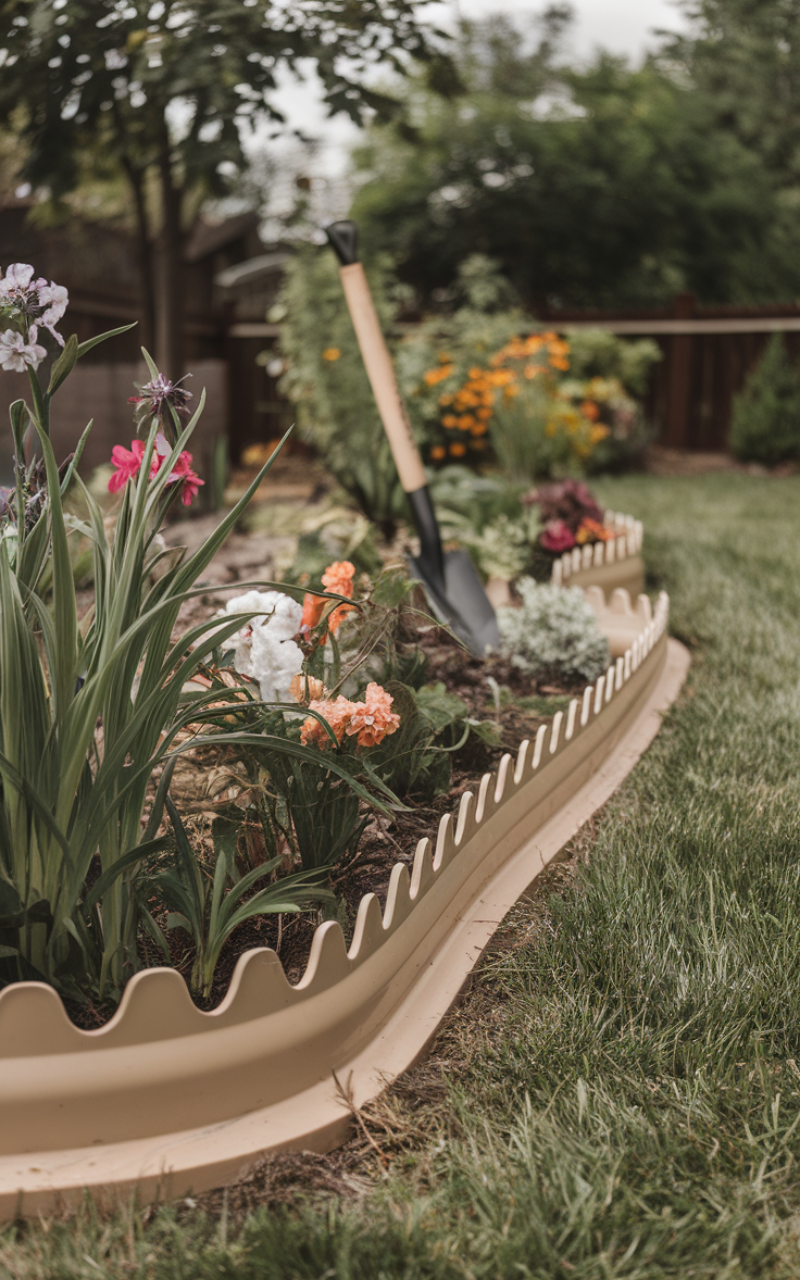
Plastic or composite garden bed edgings are lightweight, flexible, and easy to install. They come in various colors and designs, allowing you to match them with your garden theme. Garden bed edgings in plastic help keep mulch and soil contained while preventing grass from creeping into flower beds. They are resistant to rot, insects, and moisture, making them a low-maintenance solution for busy gardeners. Flexible plastic options are great for curving garden layouts, while rigid designs provide a clean, professional finish, offering a practical and attractive way to define your outdoor spaces.
8. Concrete Edging
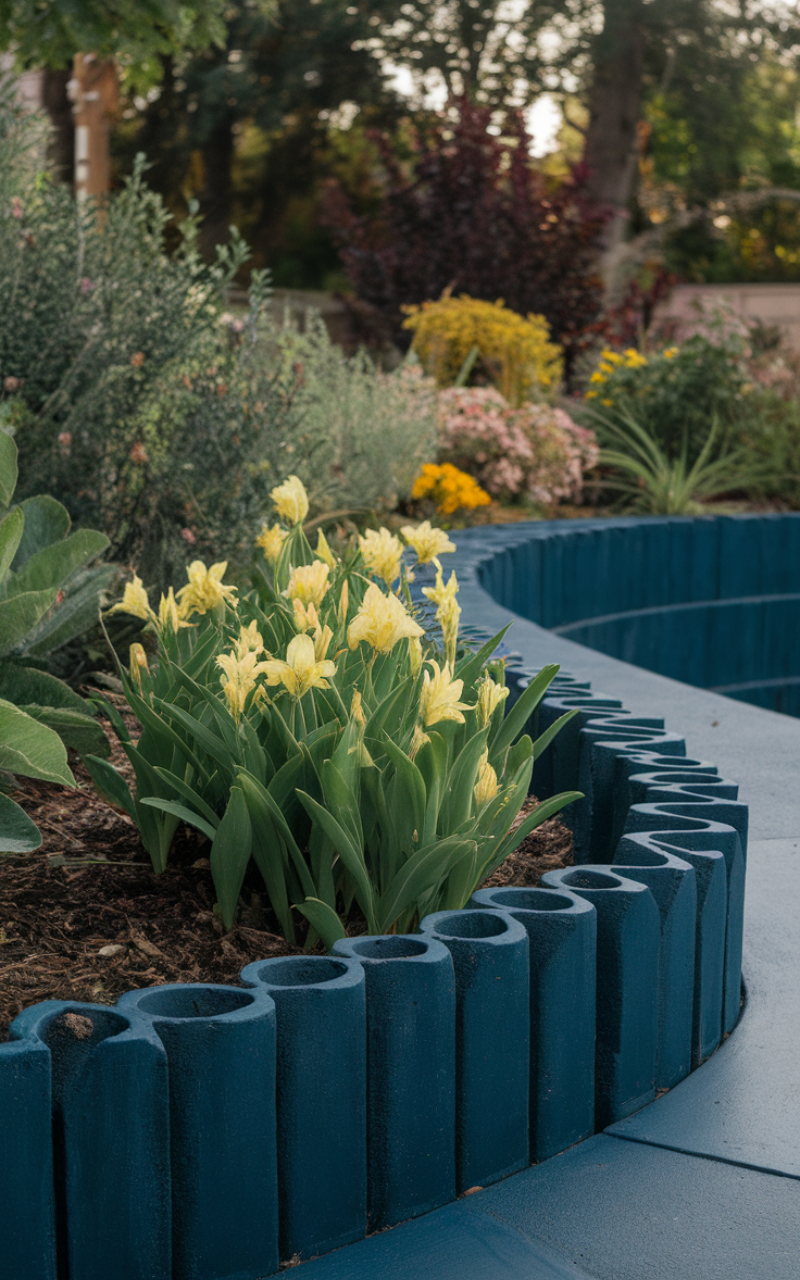
Concrete garden bed edgings are strong, durable, and extremely versatile. They can be molded into various shapes, from classic straight lines to intricate patterns or decorative curves. Concrete provides long-lasting stability, keeping soil, mulch, and plants contained year-round. These garden bed edgings can be left plain for a minimalist look or stained and painted to match your garden’s color palette. Concrete also offers a modern, clean aesthetic, making it a great choice for urban gardens or contemporary landscapes, while still serving as a practical and functional boundary for your flower beds.
7. Gravel Border Edgings
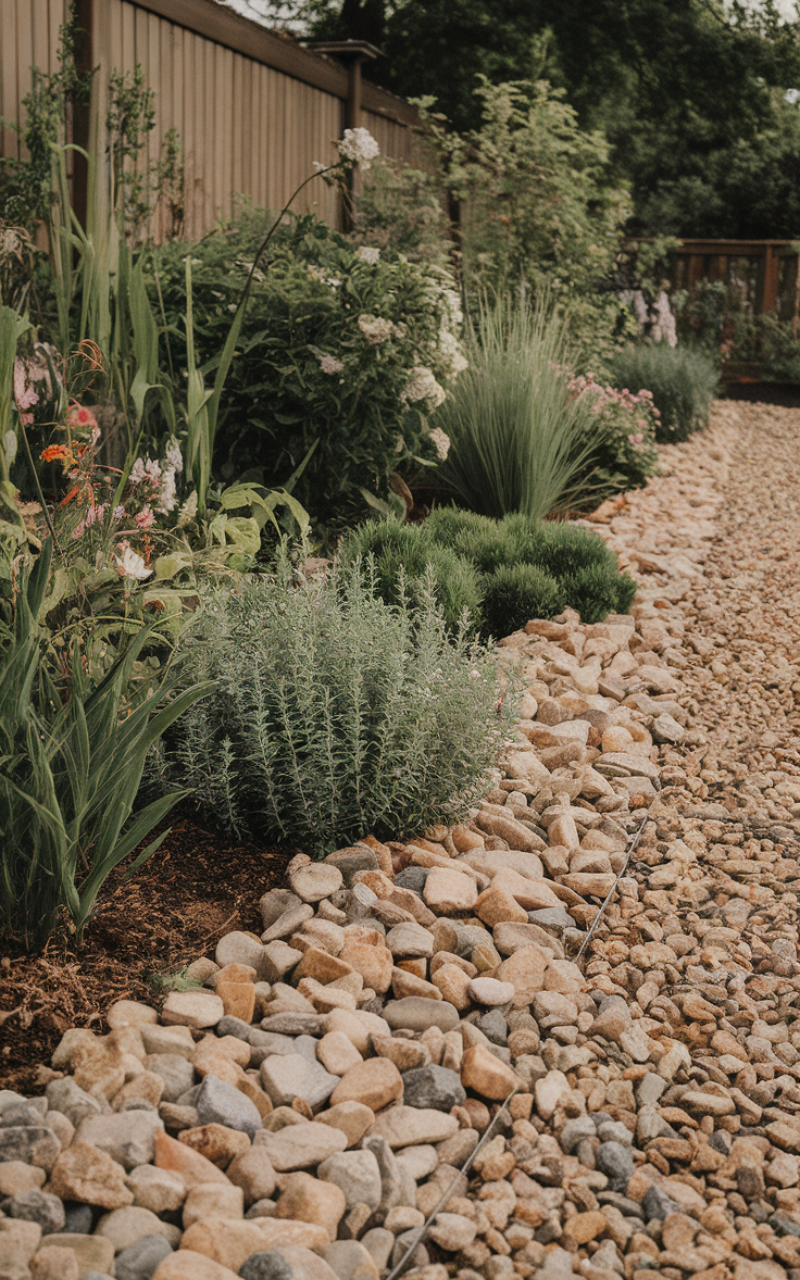
Gravel garden bed edgings are an affordable and easy-to-install option. They provide a casual, natural look while helping with drainage and preventing soil erosion. Garden bed edgings made from gravel can be combined with stones or pavers to create interesting textures and patterns. Gravel allows for flexibility in shaping borders, making it ideal for curved garden beds or irregular landscapes. It’s low-maintenance, durable, and complements a variety of plant types. By using gravel as garden bed edgings, you can achieve a neat, polished look while adding an organic, rustic charm to your garden.
6. Living Plant Edgings
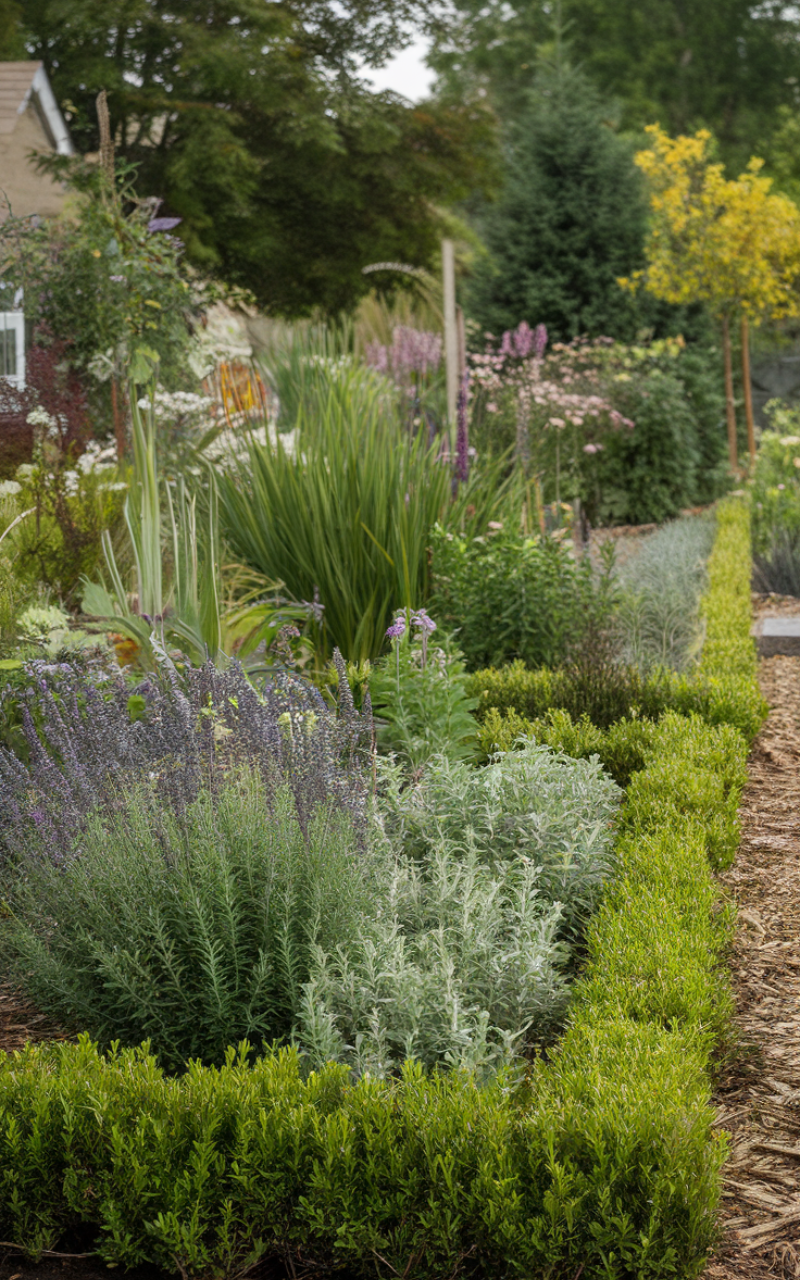
Using low-growing plants or shrubs as garden bed edgings is a creative and eco-friendly idea. Plants like boxwood, lavender, or creeping thyme naturally define garden spaces while adding color, fragrance, and texture. Living garden bed edgings grow with your garden and can be trimmed to maintain shape, offering flexibility and beauty throughout the seasons. They provide a soft, natural boundary that integrates seamlessly into your landscape, while also supporting pollinators and enhancing biodiversity. These garden bed edgings turn borders into lively, green features that are functional, sustainable, and visually appealing.
5. Cobblestone Edgings
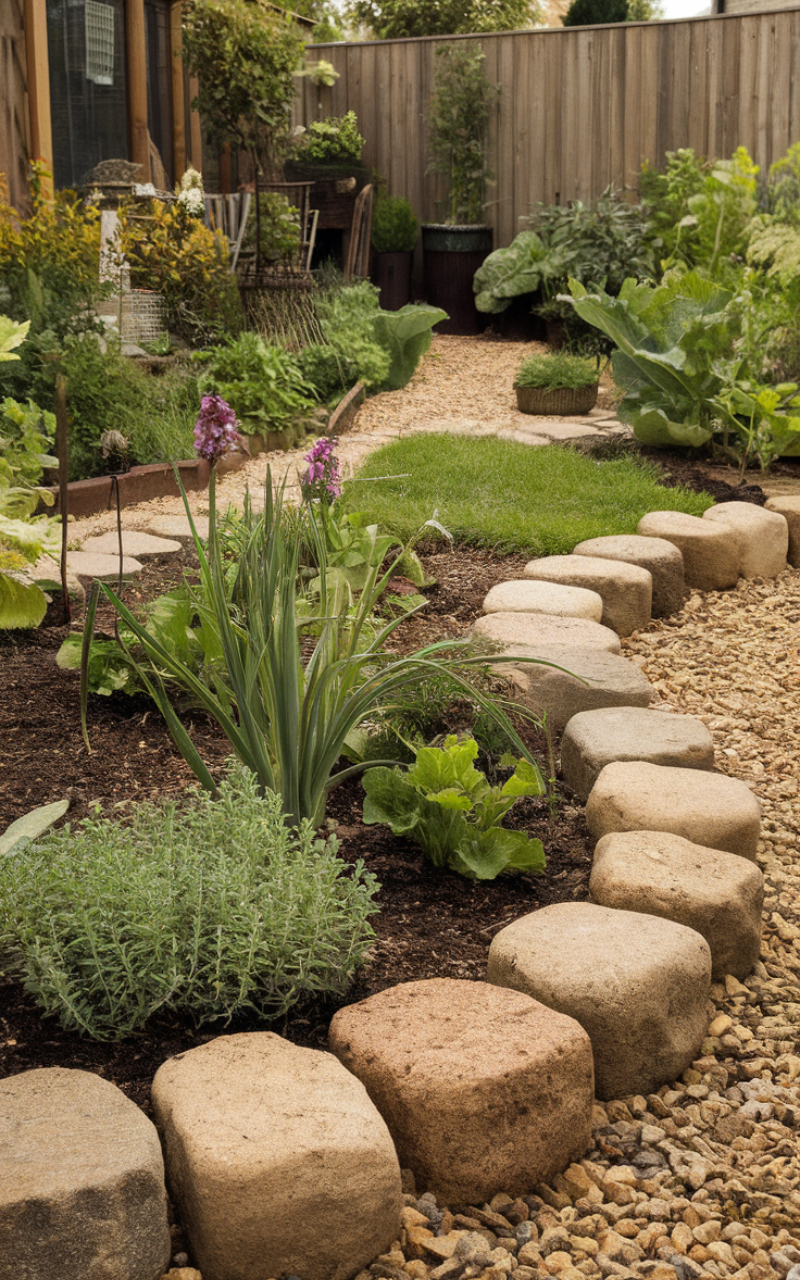
Cobblestone garden bed edgings provide a charming, rustic appearance that works well in traditional and cottage-style gardens. Their irregular shapes and textured surfaces create an organic, natural border that is both strong and durable. Garden bed edgings in cobblestone are perfect for pathways, flower beds, and vegetable gardens, providing a stable boundary that keeps soil and mulch contained. The stones weather beautifully over time, adding character and a sense of history to your garden. Cobblestone edgings are low-maintenance and offer a timeless look that enhances any outdoor space.
4. Bamboo Edgings
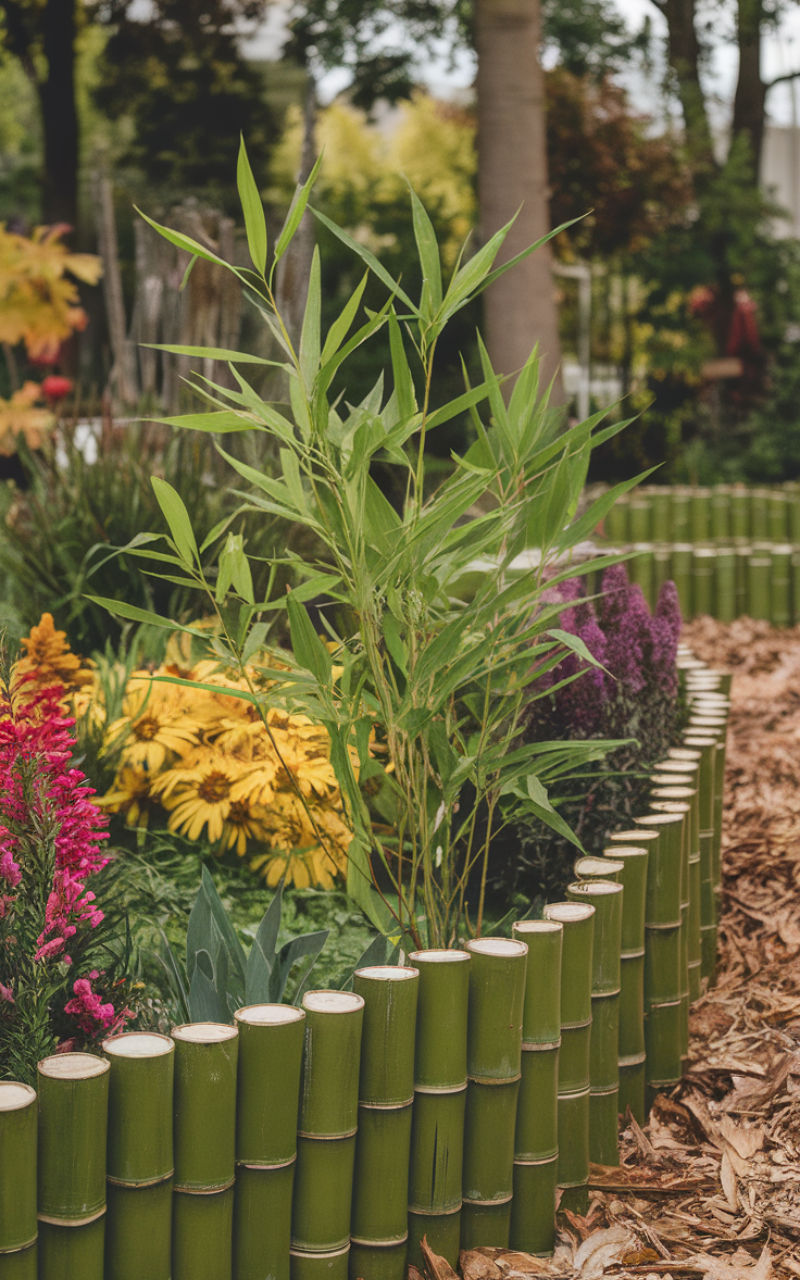
Bamboo garden bed edgings bring a tropical, natural feel to any garden. They are lightweight, renewable, and easy to install, making them a popular choice for small or decorative garden beds. Garden bed edgings in bamboo can be arranged as stakes, rolls, or planks, providing flexibility for straight or curved borders. Bamboo’s warm tones complement flowers, shrubs, and grasses, creating an inviting outdoor space. These garden bed edgings are eco-friendly, affordable, and offer a soft, elegant barrier that enhances your garden while remaining simple and functional.
3. Railroad Tie Edgings
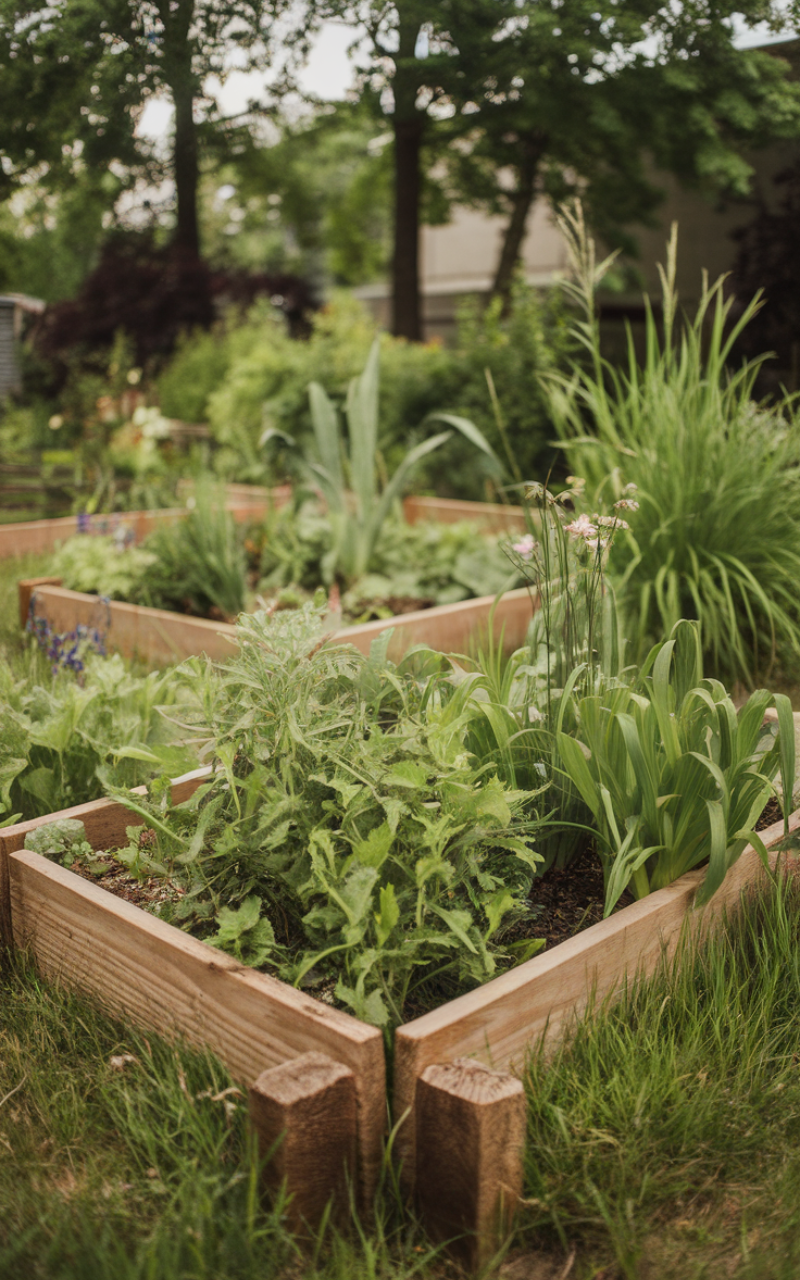
Railroad tie garden bed edgings add a bold, rustic appeal to your outdoor space. Made from reclaimed or treated wood, these thick beams create a strong and durable boundary for garden beds. They are ideal for raised beds, slopes, or large landscapes, providing stability while keeping soil and mulch contained. Garden bed edgings in railroad ties develop a beautiful weathered patina over time, adding character and charm. This option is practical, long-lasting, and perfect for gardeners who want a striking, functional border that emphasizes a natural, rugged look in their landscape design.
2. Decorative Concrete Blocks
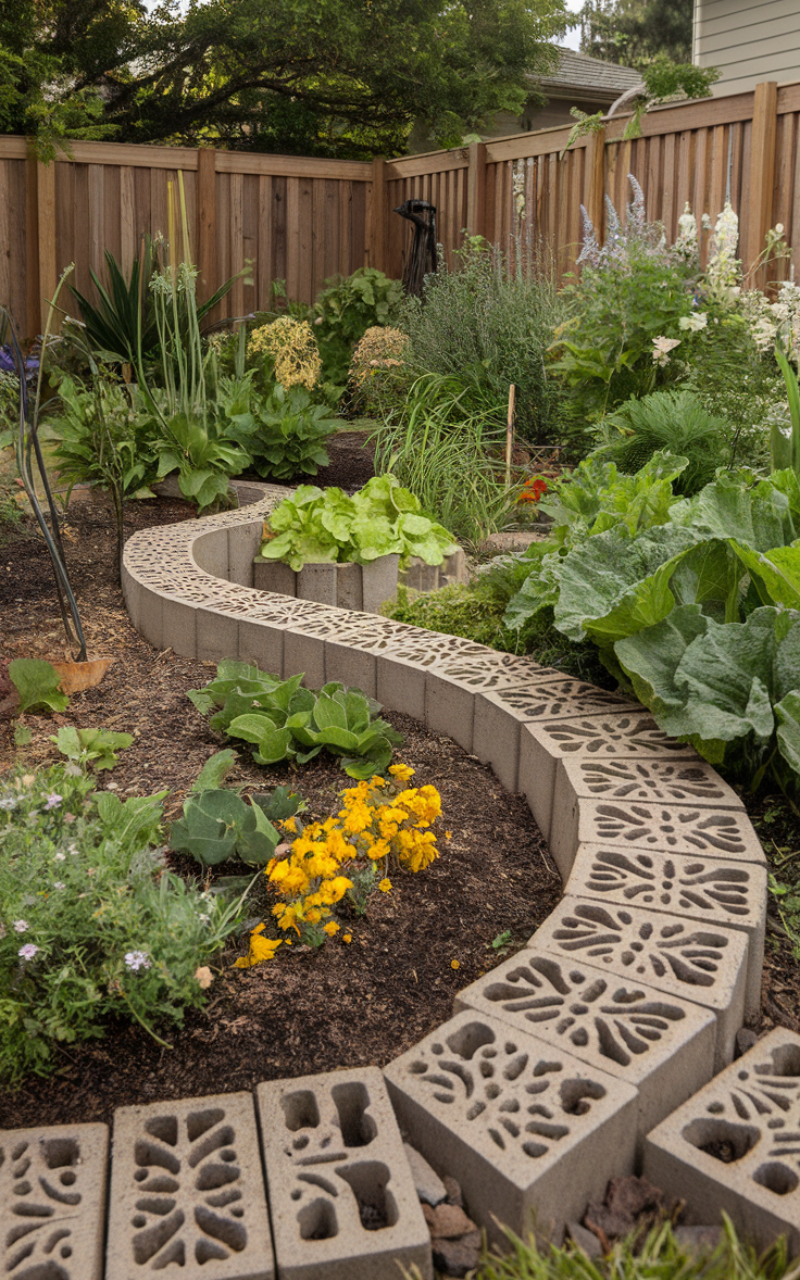
Using decorative concrete blocks as garden bed edgings combines functionality with style. They come in various patterns, shapes, and colors, allowing creative designs to match your garden theme. Garden bed edgings in concrete blocks provide strong borders, keeping soil, mulch, and plants neatly contained. They are easy to stack and arrange in curves or straight lines, making them versatile for different layouts. These edgings are long-lasting, low-maintenance, and can even serve as small seating or display areas, offering practical solutions while enhancing the beauty of your outdoor space.
1. Log or Branch Edgings
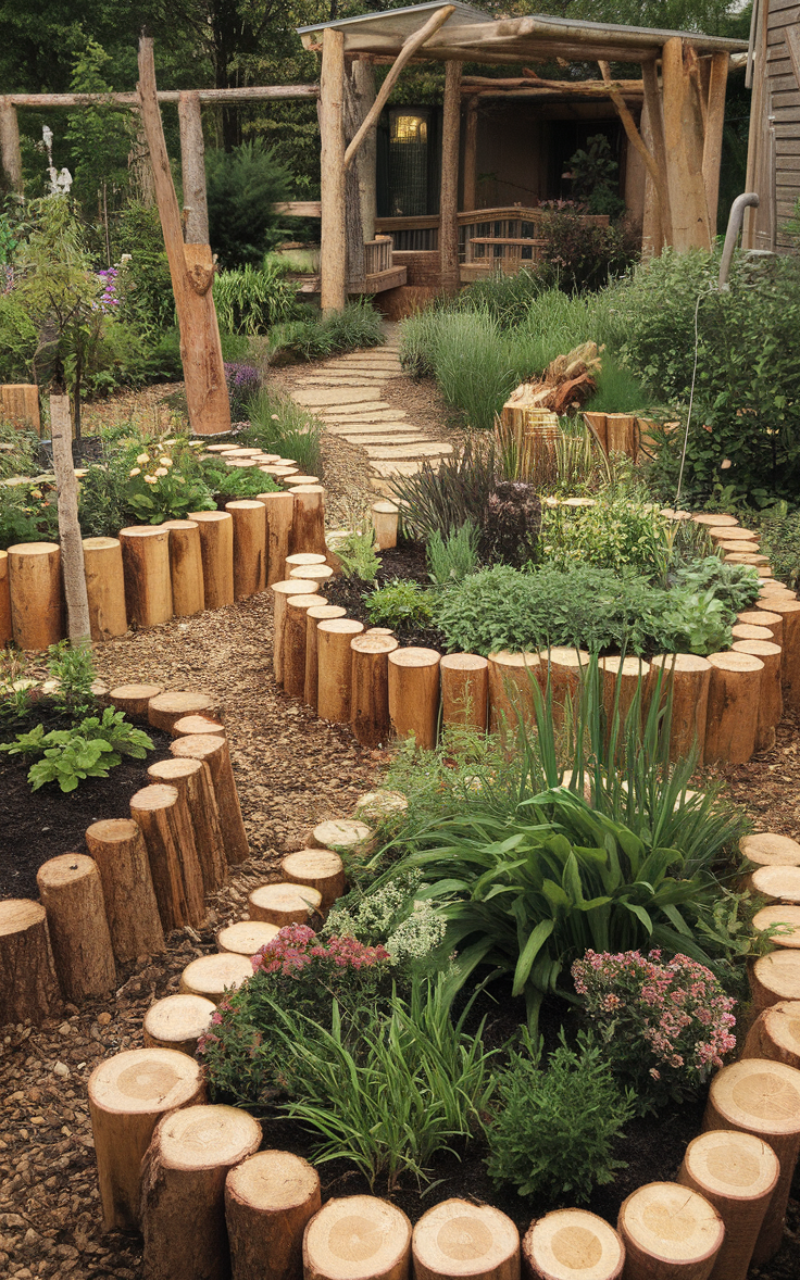
Using logs or tree branches as garden bed edgings offers a natural, rustic touch. They are perfect for informal gardens or woodland-inspired landscapes. Garden bed edgings in logs or branches help define borders, keep soil and mulch in place, and can be arranged in straight lines or creative patterns. They are an eco-friendly option that uses reclaimed wood and adds a charming, organic aesthetic. These edgings can be easily customized in size and shape, providing both functionality and a cozy, woodland feel that enhances the overall appeal of your outdoor space.
Conclusion
Garden bed edgings are essential for creating a neat, organized, and visually appealing garden. From stone and brick to bamboo, railroad ties, or log options, each type of garden bed edgings adds style and functionality to your outdoor space, helping contain soil and mulch while enhancing your garden’s beauty. Experiment with these ideas to find the perfect border that fits your style. Don’t forget to subscribe to our blog for more tips, DIY ideas, and inspiration to transform your garden into a stunning, well-defined outdoor haven.