
Join Our Newsletter for Cozy Home Inspiration, Family Fun, and Delicious Recipes Every Week
14 Easy Modern Wabi Sabi Interiors

When I first tried to decorate my living room, I made the mistake of chasing perfection: smooth walls, polished furniture, and spotless floors. It looked cold.
That’s when I discovered Wabi Sabi Interiors, a style that embraces imperfection and natural beauty. Suddenly, the cracks in my old wooden table felt like character.
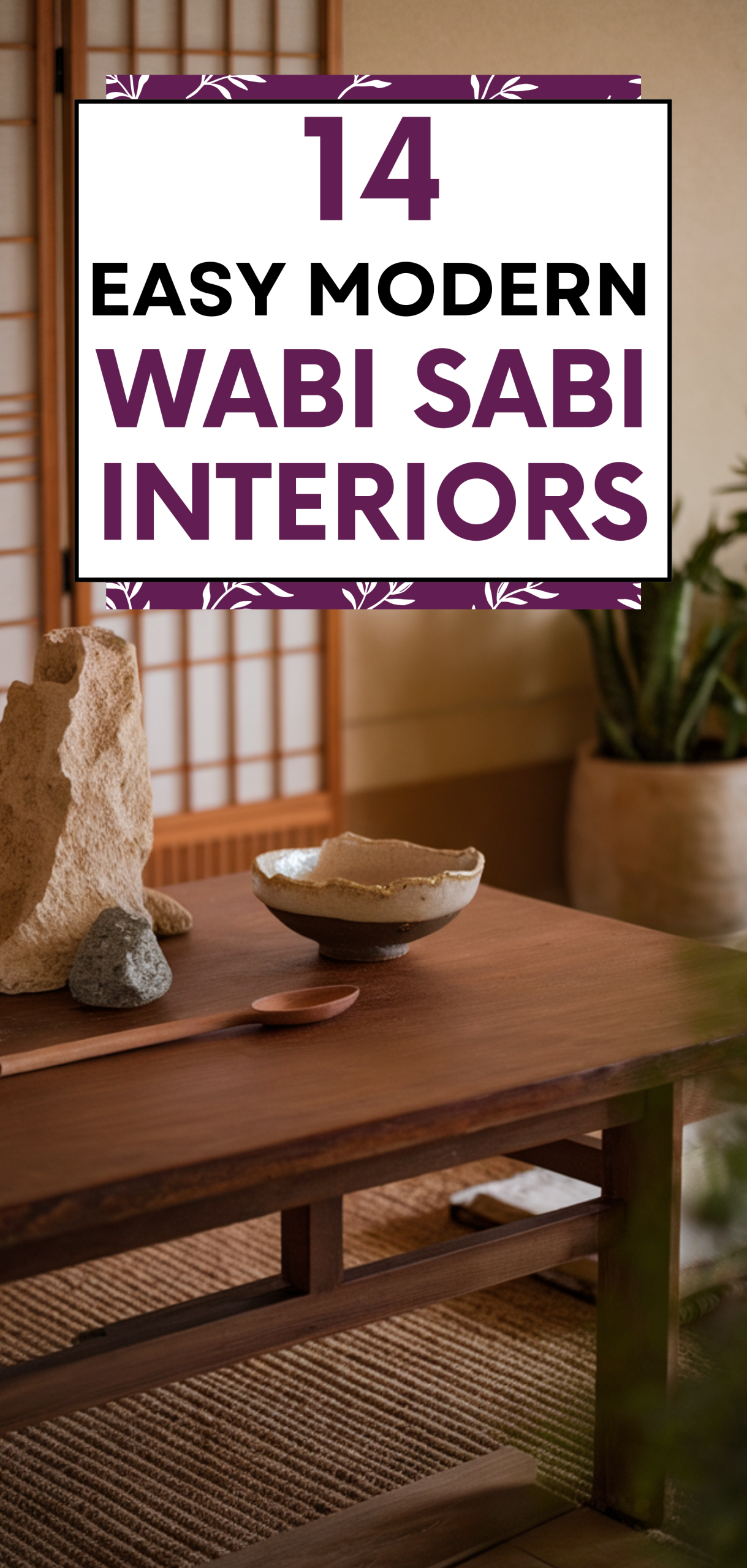
One personal moment was when I bought a handmade ceramic bowl. Its rim was uneven, but every time I use it, it reminds me of authenticity and care.
Another was with my Japanese soaking tub; I thought it would be impossible to use, but sitting upright in that deep water turned into my most calming ritual. And the log I once thought looked out of place on the floor? I left it, and now it’s a grounding, natural piece that always gets compliments.
Now, my home feels alive, not staged. Wabi Sabi Interiors taught me that true beauty lies in the worn, the handmade, and the imperfect. If you want more inspiration, I’ve also shared an article about Select 15 Perfect Street Style Bedroom Ideas, another way to turn simple spaces into soulful ones.
14. Natural Materials as the Foundation
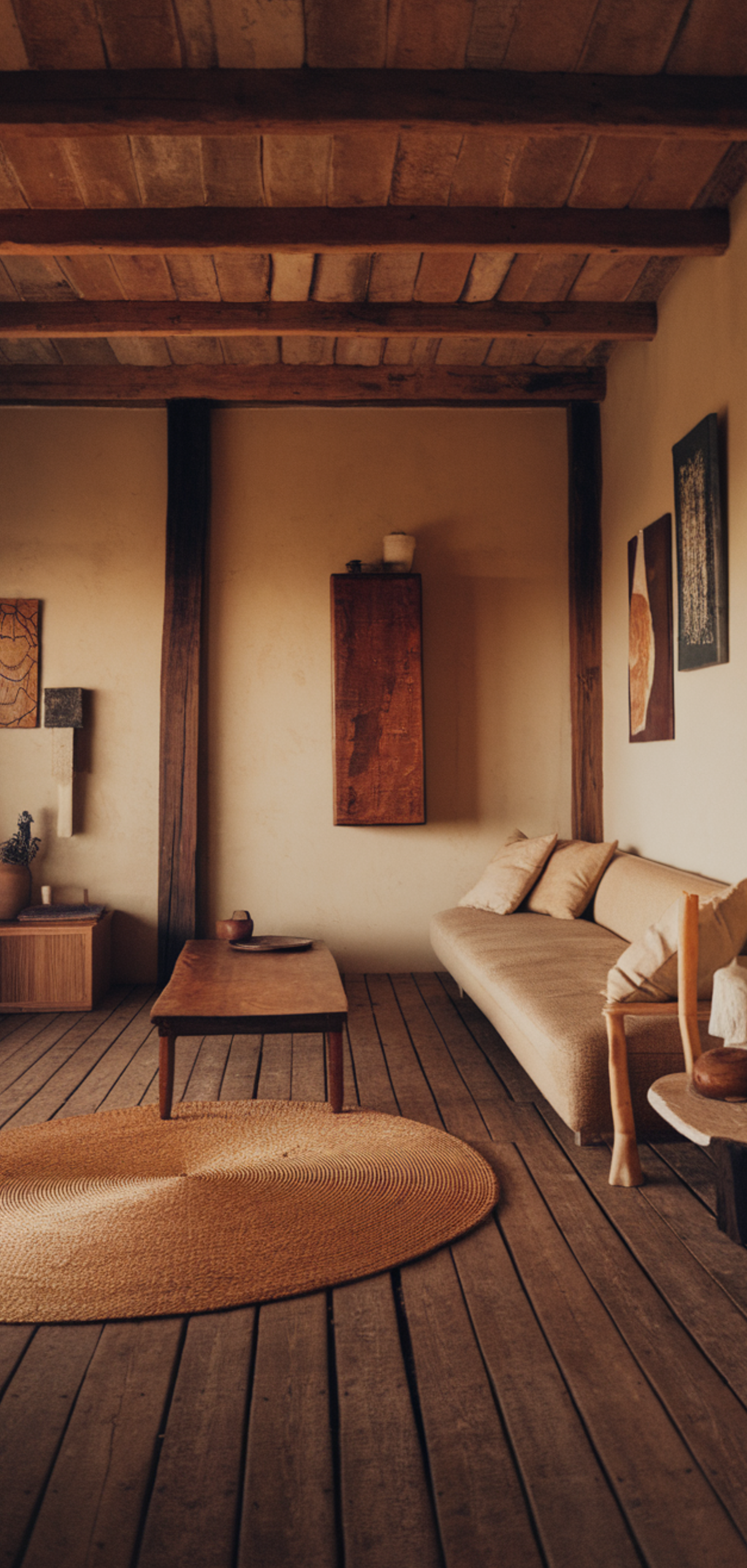
Wabi Sabi design thrives on natural materials that age gracefully. Opt for reclaimed wood, linen, stone, clay, and rattan. Their irregularities tell a story, adding depth and warmth.
Wabi Sabi Interiors Tip: For example, a dining table with visible wood grains and cracks enhances authenticity far more than a polished alternative.
13. Neutral Color Palettes with Earthy Undertones
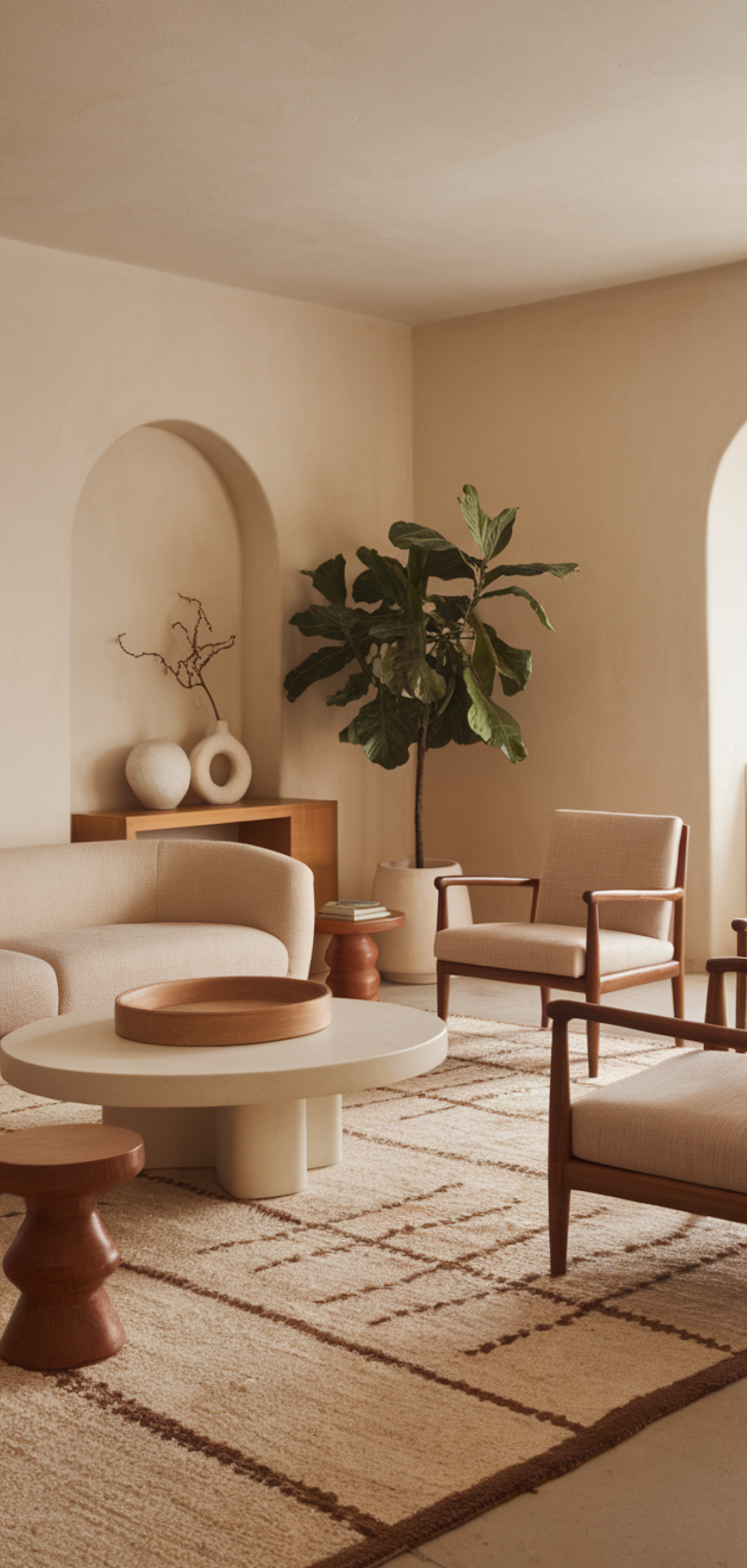
Use soft, muted tones inspired by nature: stone grey, sandy beige, off-white, and warm browns. These hues encourage calmness and let the texture of each element shine.
Wabi Sabi Interiors Tip: Avoid overly bright or synthetic colors, focusing instead on shades that mirror raw landscapes.
12. Imperfect Textures on Walls and Surfaces
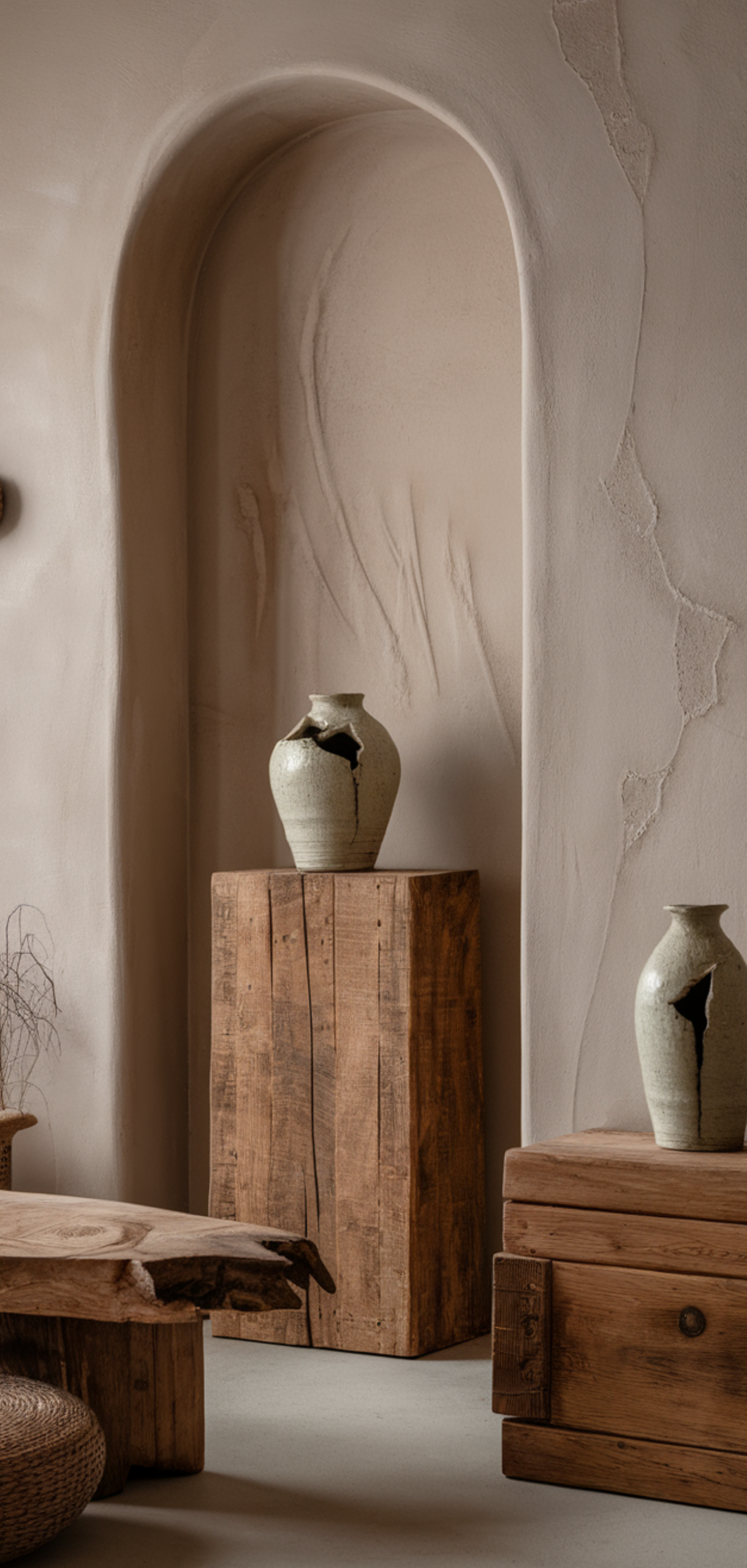
Smooth, flawless finishes are replaced by limewash, plaster, or raw concrete textures. These tactile surfaces create subtle shadow play, giving walls an organic and lived-in feel.
Wabi Sabi Interiors Tip: A slightly uneven finish is not a flaw but a feature of Wabi Sabi authenticity.
11. Minimalist Furniture with Organic Shapes
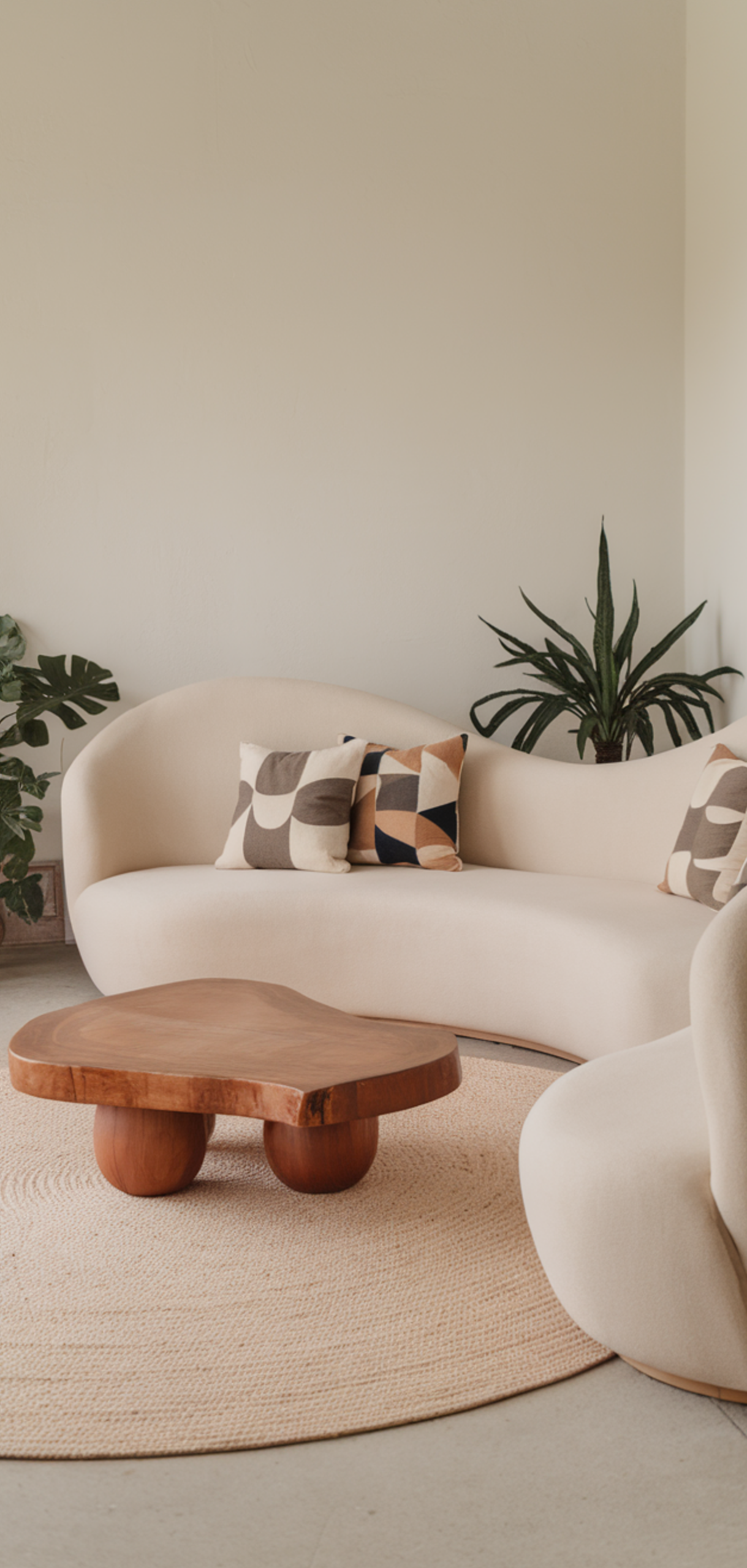
Furniture should be simple yet purposeful. Think low-profile sofas, rustic stools, and handcrafted chairs. Pieces with organic curves, visible joints, or slight imperfections complement the Wabi Sabi philosophy, blending function with artful presence.
10. Handcrafted and Artisanal Touches
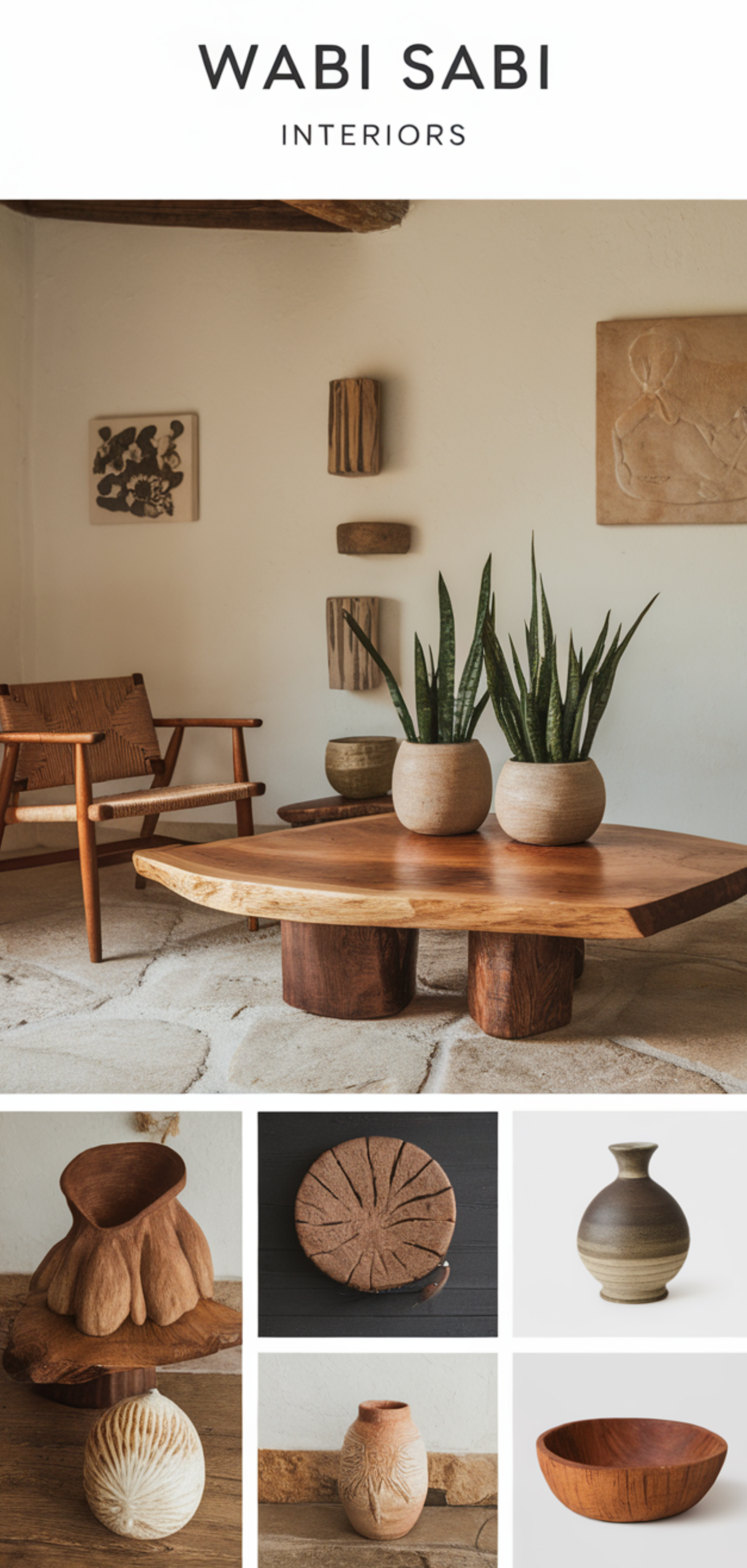
Incorporate handmade ceramics, woven baskets, or pottery. Each piece, with its imperfections and uniqueness, embodies Wabi Sabi aesthetics.
Wabi Sabi Interiors Tip: These items add soul to modern interiors, connecting occupants with human craftsmanship instead of factory precision.
9. Balance Between Clutter-Free and Lived-In
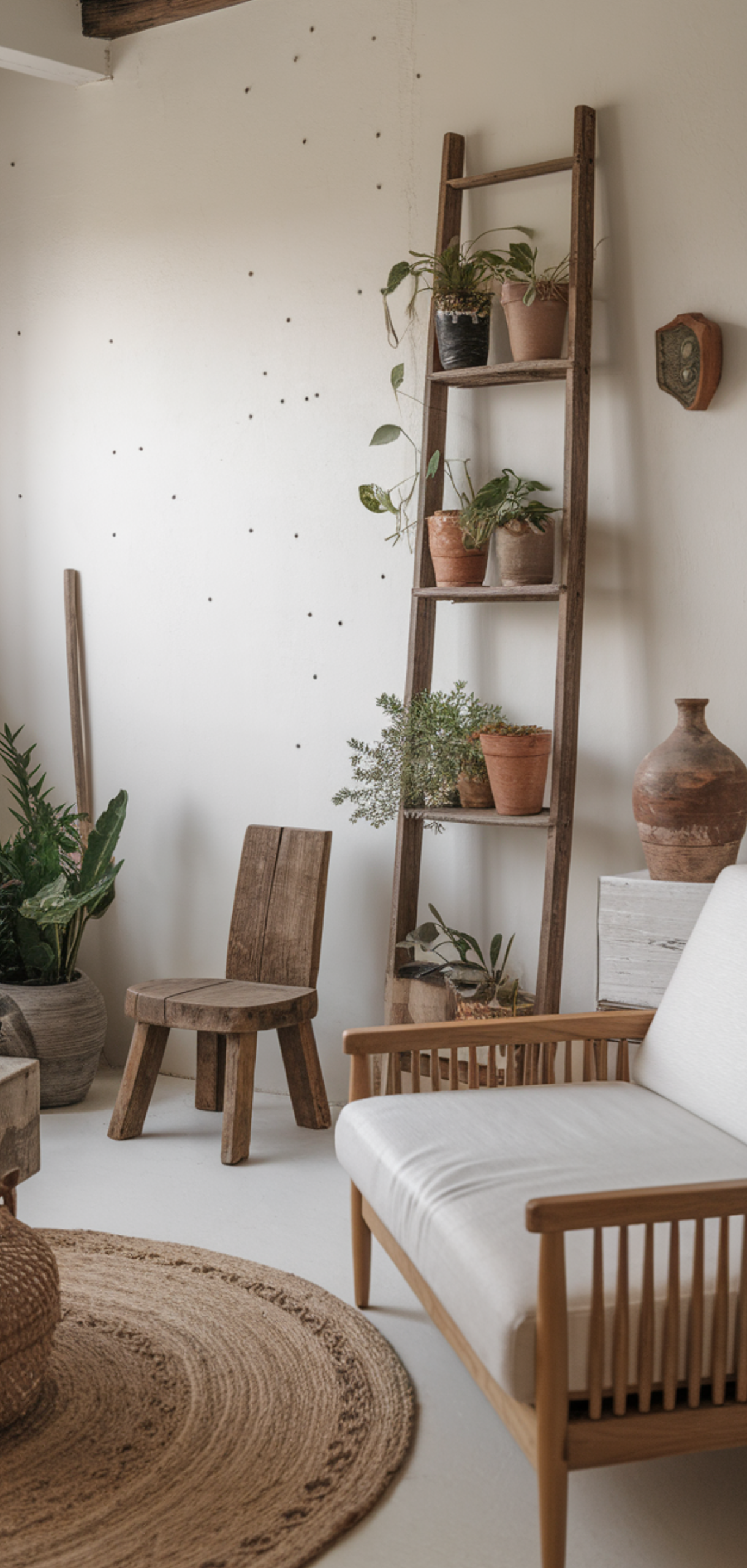
Wabi Sabi interiors lean toward minimalism but avoid sterility. Instead of empty spaces, curate rooms with meaningful objects, perhaps a weathered vase, a handmade lamp, or an old book collection.
Wabi Sabi Interiors Tip: Everything should have a purpose and reflect personal value.
8. Soft Natural Lighting
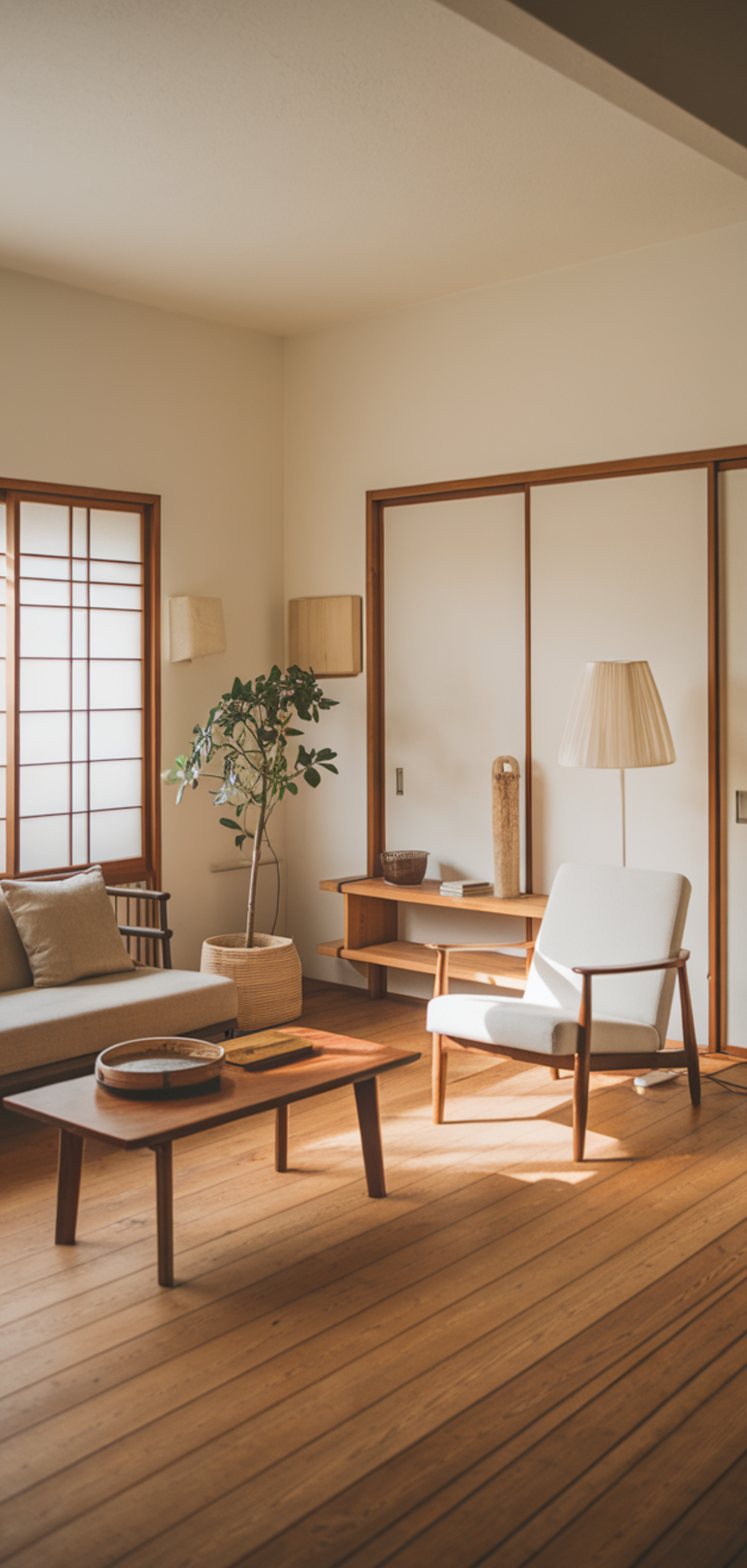
Harsh artificial lights disrupt serenity. Opt for natural light whenever possible. Use sheer curtains, rice paper lamps, and warm-toned bulbs to diffuse illumination, creating a cozy and gentle glow that enhances the textures of natural materials.
7. Incorporating Nature Indoors
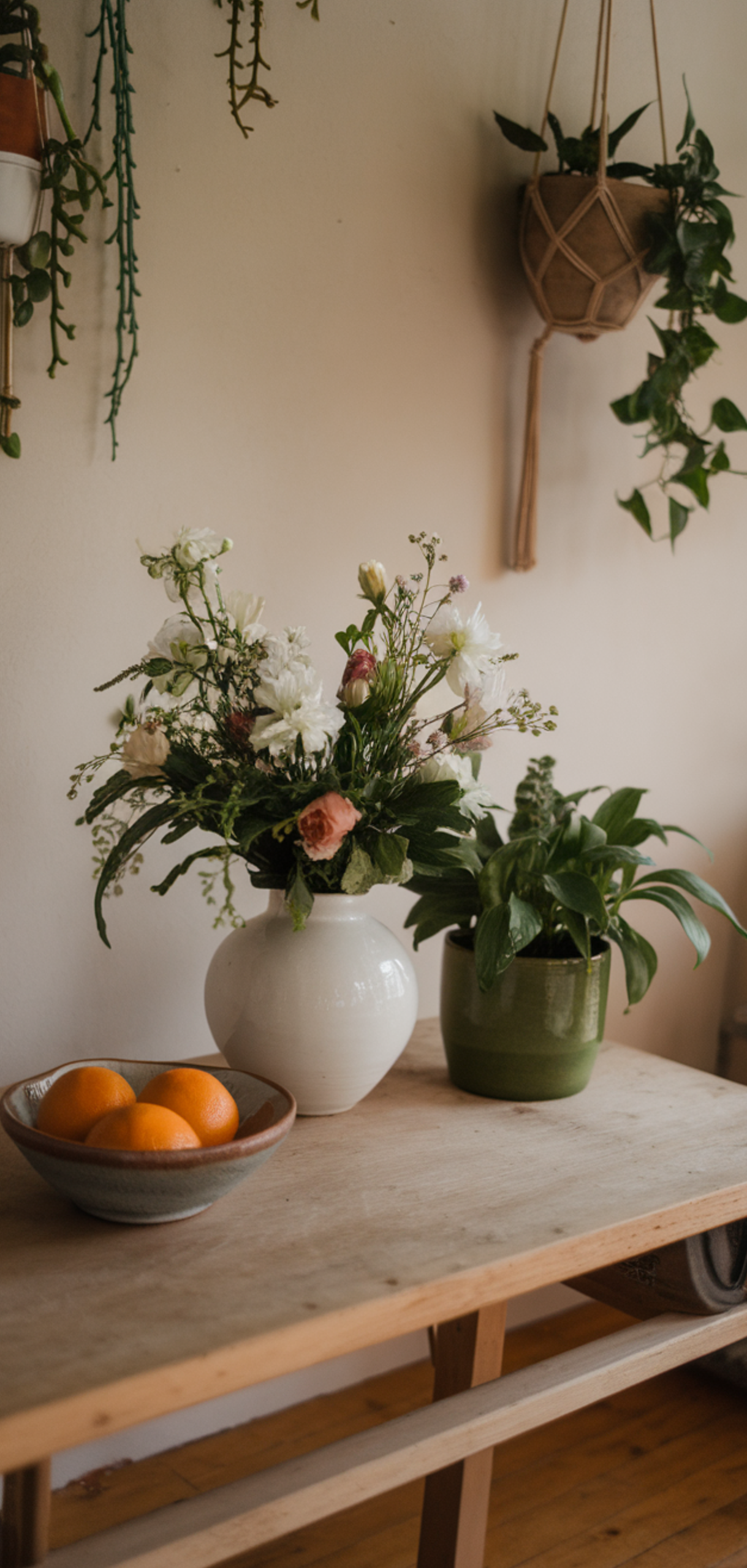
Bring elements of nature inside with dried branches, fresh greenery, or seasonal flowers in rustic clay vases. Avoid overly polished floral arrangements; instead, lean into asymmetry and wild beauty. A single branch can often say more than a bouquet.
6. Simple Tatami or Layered Rugs
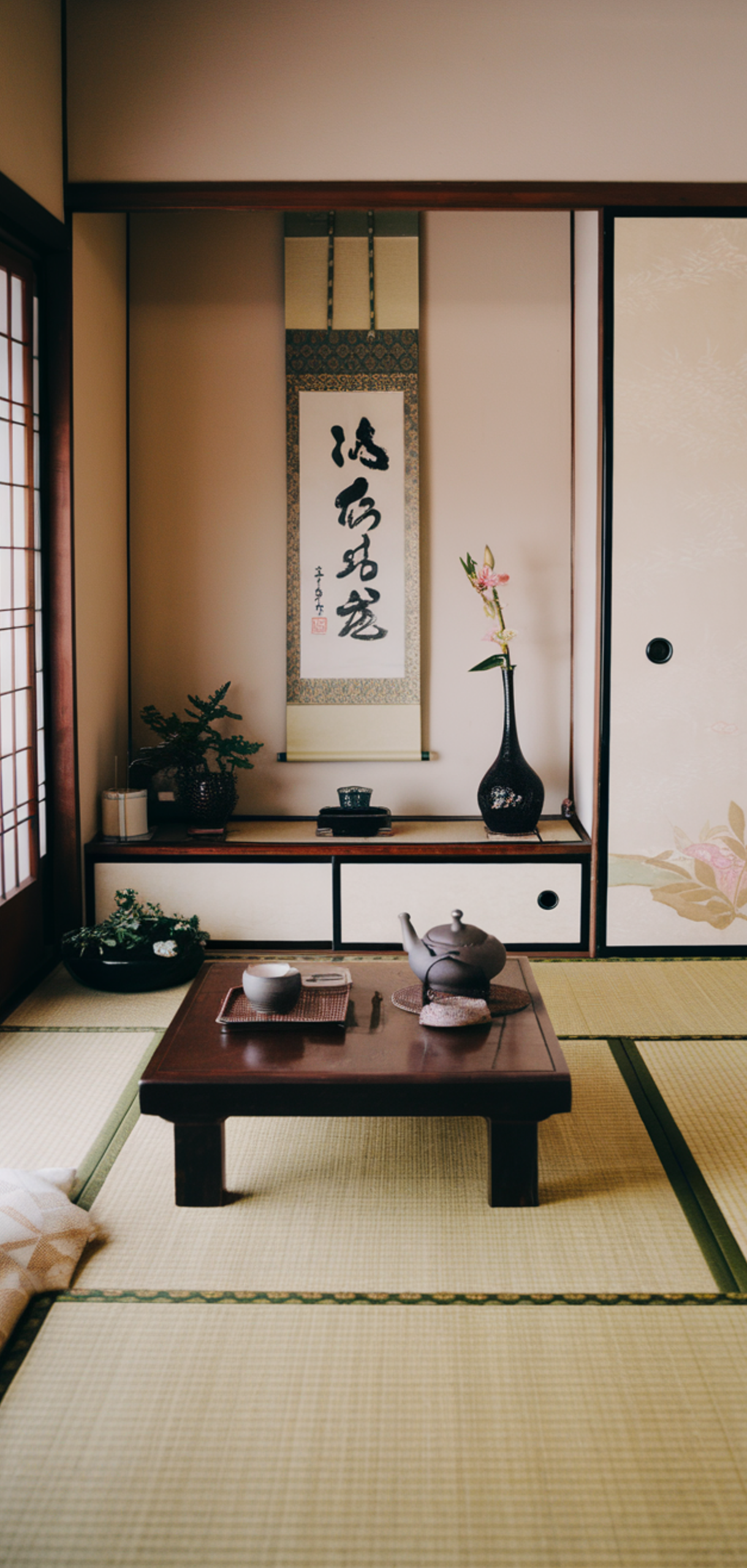
Flooring plays a key role. Neutral rugs in natural fibers like jute, wool, or hemp add texture underfoot. In bedrooms, tatami mats or layered rugs provide a tactile, grounding effect aligned with traditional Japanese interiors.
5. Open Spaces with Purposeful Gaps
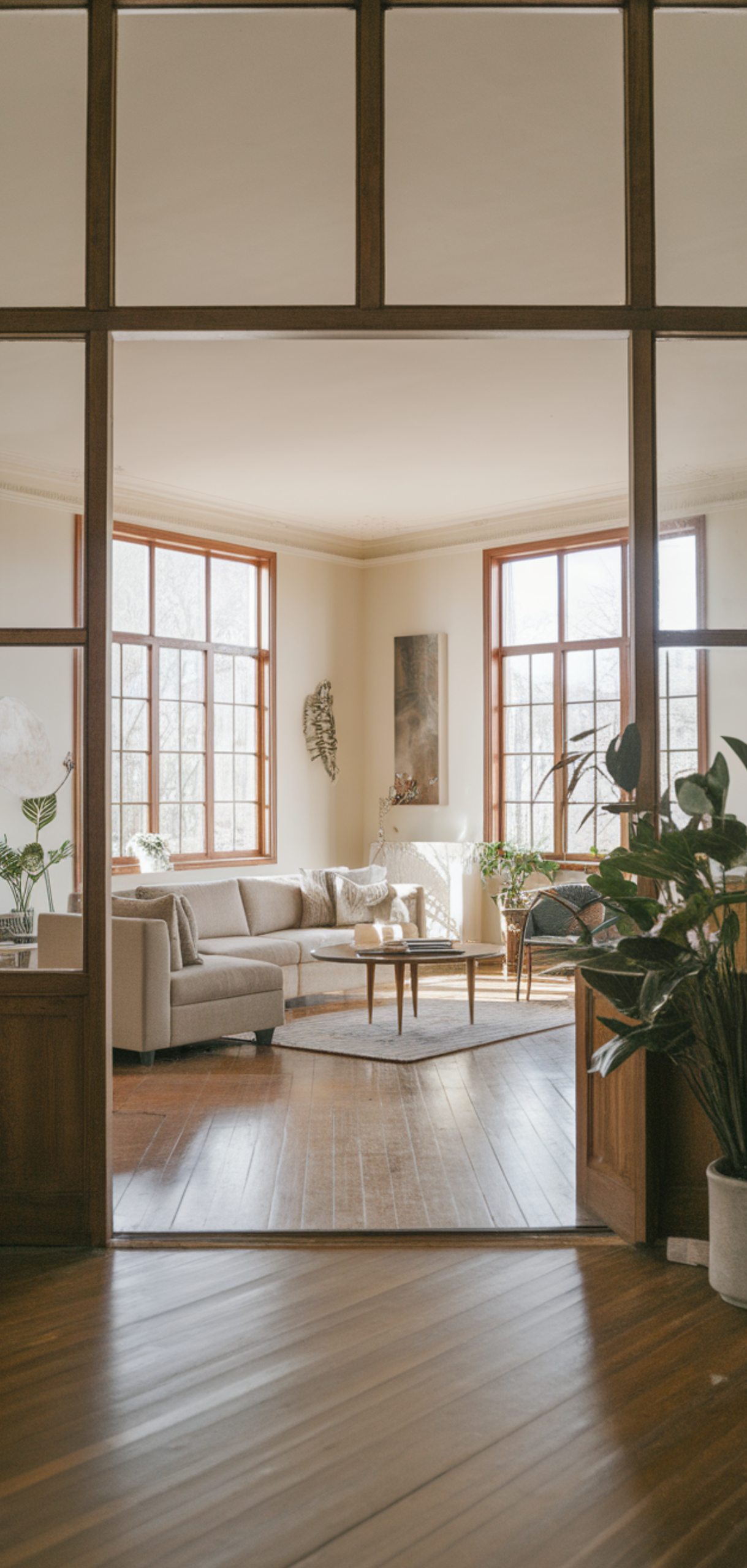
Wabi Sabi values “ma,” the Japanese concept of negative space. Leave intentional gaps between furniture and decor. These breathing spaces enhance tranquility and allow each piece to stand out without competing for attention.
4. Weathered and Aged Accents
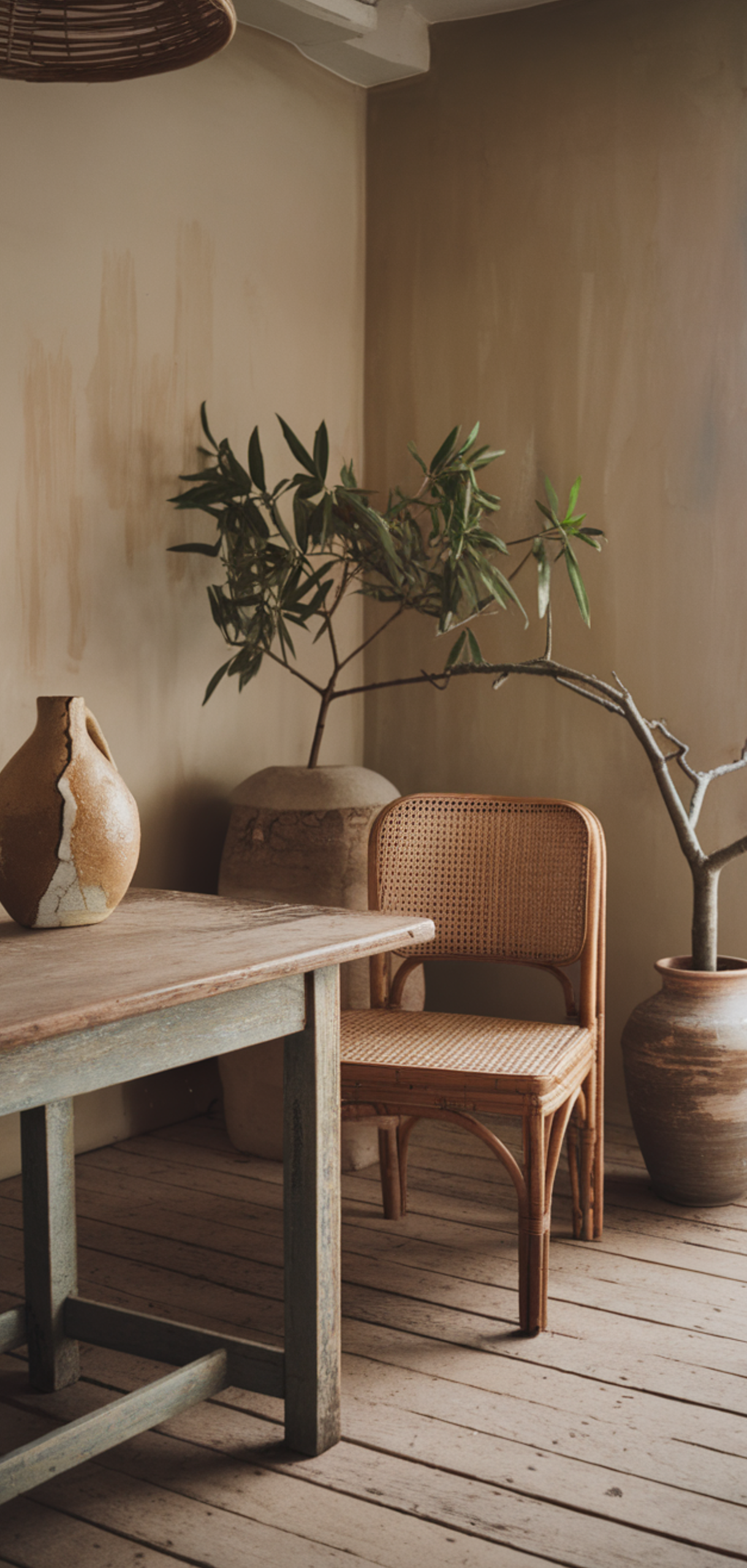
Age should be celebrated. A distressed wooden cabinet, oxidized metal handles, or a patina-rich mirror adds character and authenticity. Instead of replacing worn pieces, highlight their aging process as part of their beauty.
3. Layering Textiles for Warmth
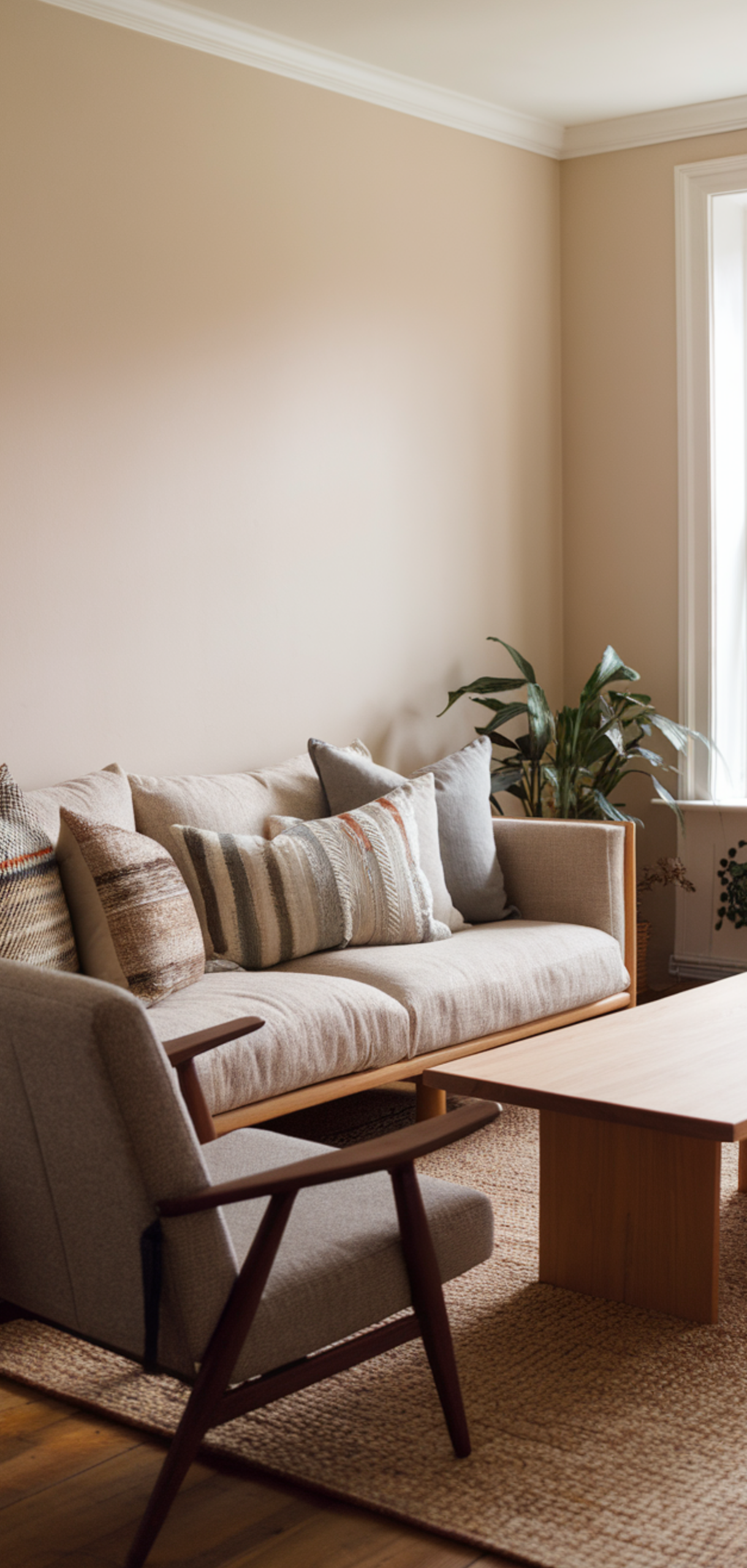
Introduce soft textiles like linen throws, wool blankets, or cotton cushions. Layering textures adds depth while maintaining the understated color palette. Natural fabrics age gracefully, becoming softer and more comforting over time.
2. Simple Art with Meaning
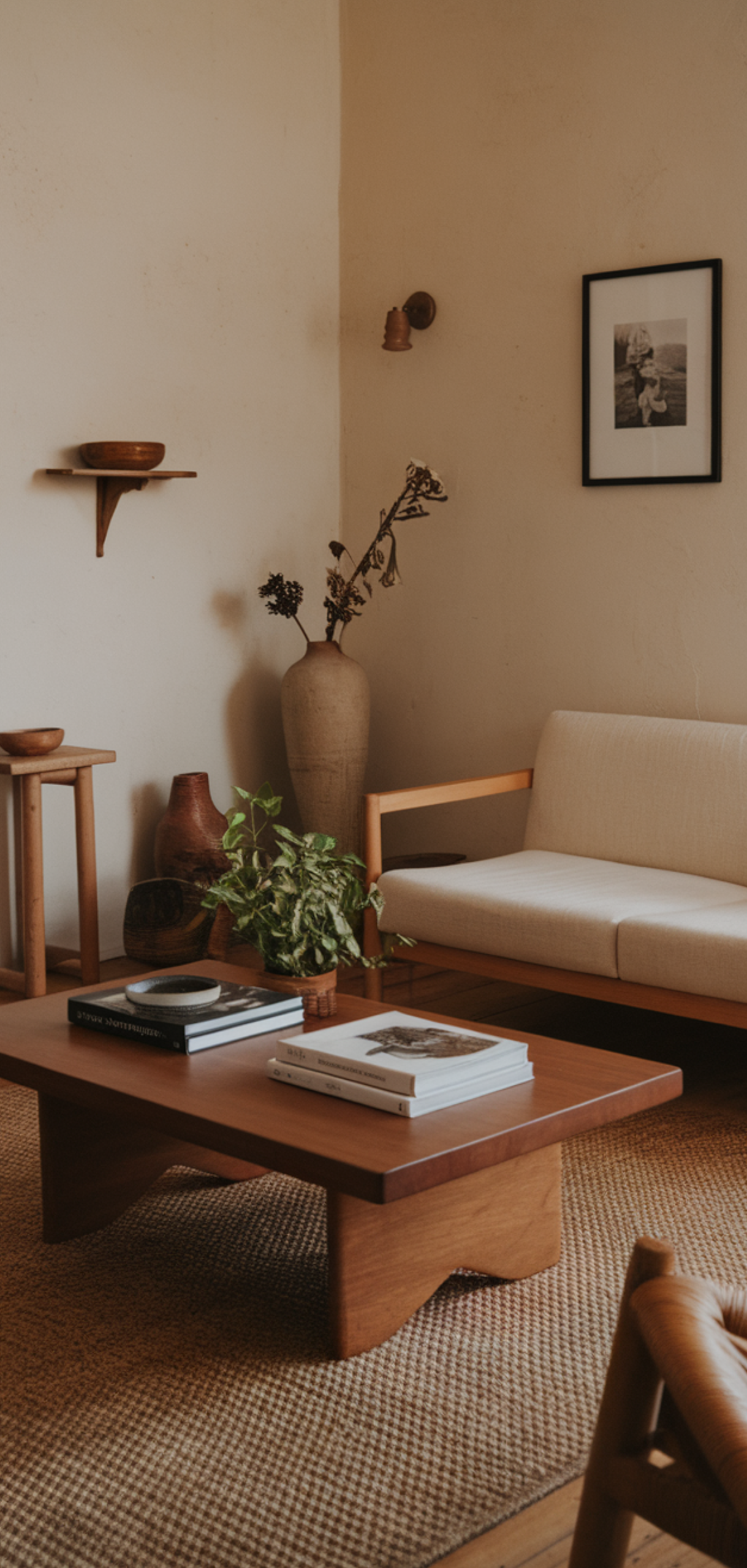
Art in a Wabi Sabi home is minimal but profound. Consider calligraphy, ink drawings, or abstract art inspired by nature. Instead of cluttering walls, let one or two meaningful pieces create quiet focal points in a room.
1. Mindful and Sustainable Choices
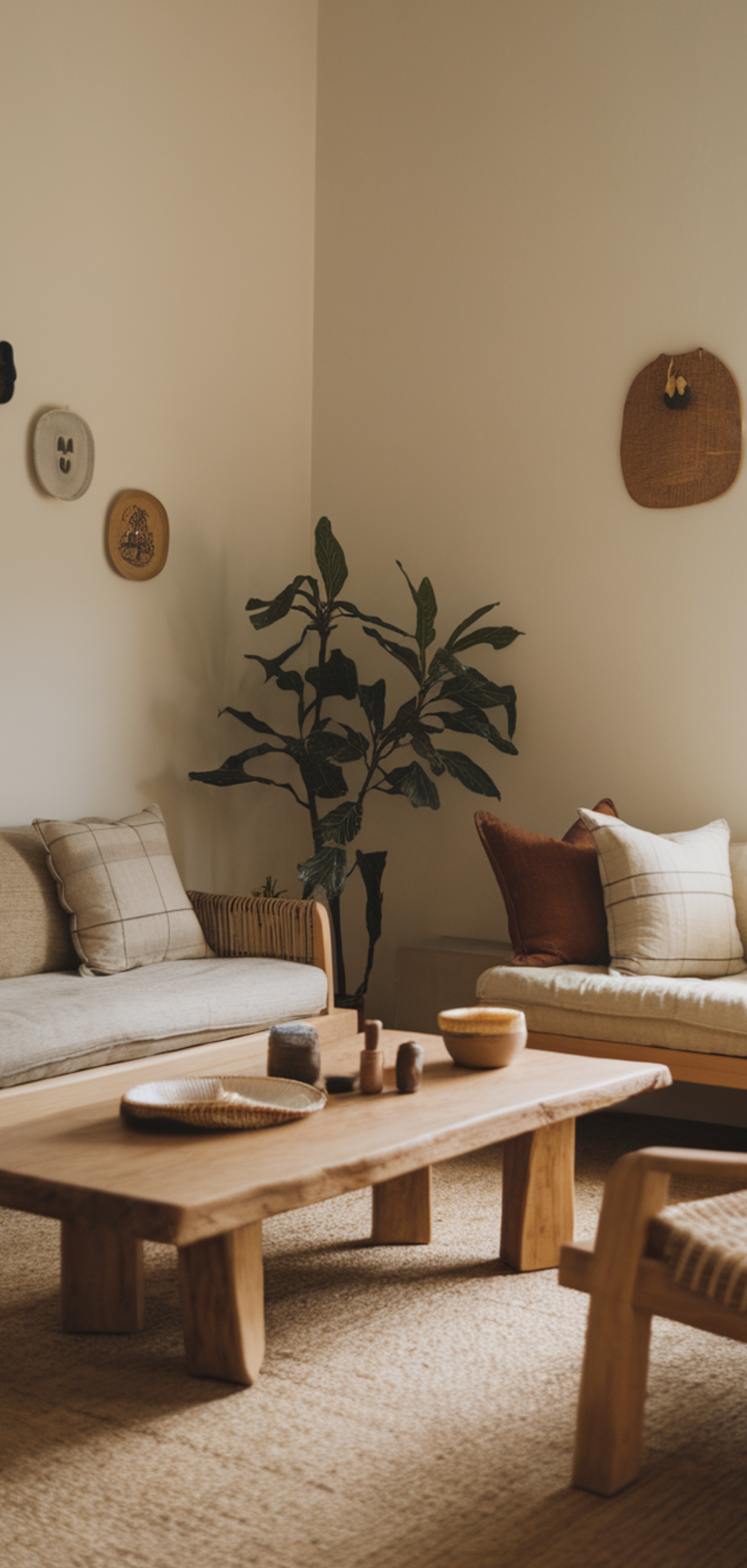
Wabi Sabi aligns perfectly with sustainability. Choose quality over quantity, fewer items, but built to last. Reclaimed furniture, eco-friendly materials, and handmade crafts not only reduce waste but also align with the philosophy of mindful living.
Conclusion
Modern Wabi Sabi interiors invite us to slow down and appreciate imperfection, simplicity, and the raw beauty of natural materials. By blending earthy tones, handcrafted elements, and purposeful minimalism, any home can become a tranquil haven rooted in timeless Japanese philosophy.