
Join Our Newsletter for Cozy Home Inspiration, Family Fun, and Delicious Recipes Every Week
14 Best Ground Cover Plants for Shaded Areas

I used to dread the shady corner of my yard; it was always full of weeds, and nothing I planted seemed to thrive. That’s when I discovered the power of Ground Cover Plants for shaded areas.
I wanted something low-maintenance, beautiful, and effective at crowding out weeds. Just like I shared in my article 13 Perfect 10-Year-Old Girls Bedroom Ideas, planning and layering are key to making any space work beautifully.
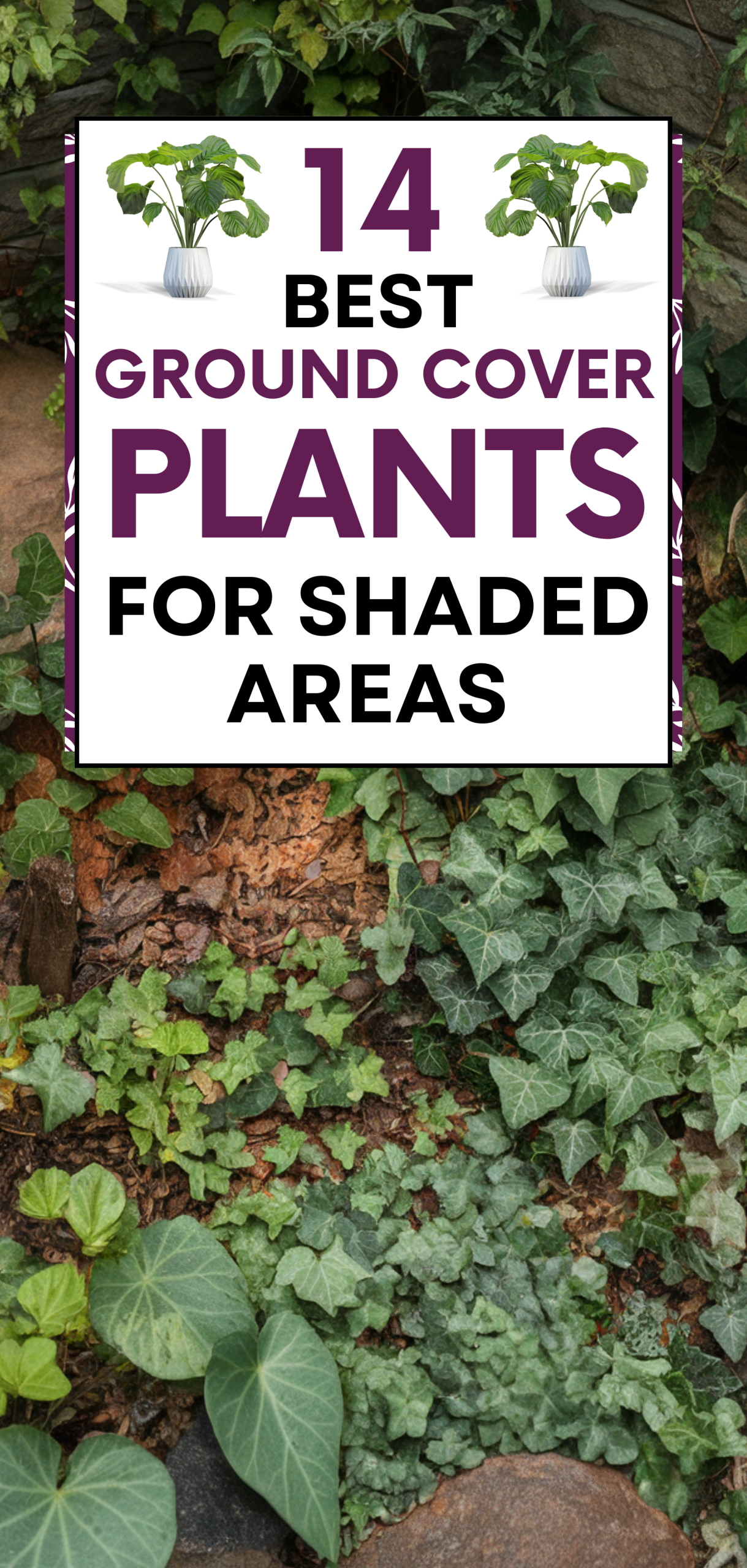
My first success came with sedum. I planted it amongst the weeds, and it completely transformed the area. Its bushy, spreading growth shaded the ground and made the weeds nearly invisible. Even with deer visiting my yard, the sedum stayed untouched. Watching it fill in the patch and thrive with minimal effort was incredibly satisfying.
Wild ginger was another game-changer. Slower to grow at first, it eventually formed a dense mat of runners that required almost no maintenance beyond a simple fall cleanup.
I added a mix of natives like black-eyed Susans and placed taller plants in the back and shorter ones in front. These Ground Cover Plants now create a lush, colorful shaded garden that blocks weeds and practically takes care of itself, a problem area turned into a thriving, low-maintenance oasis.
14. Pachysandra terminalis (Japanese Spurge)
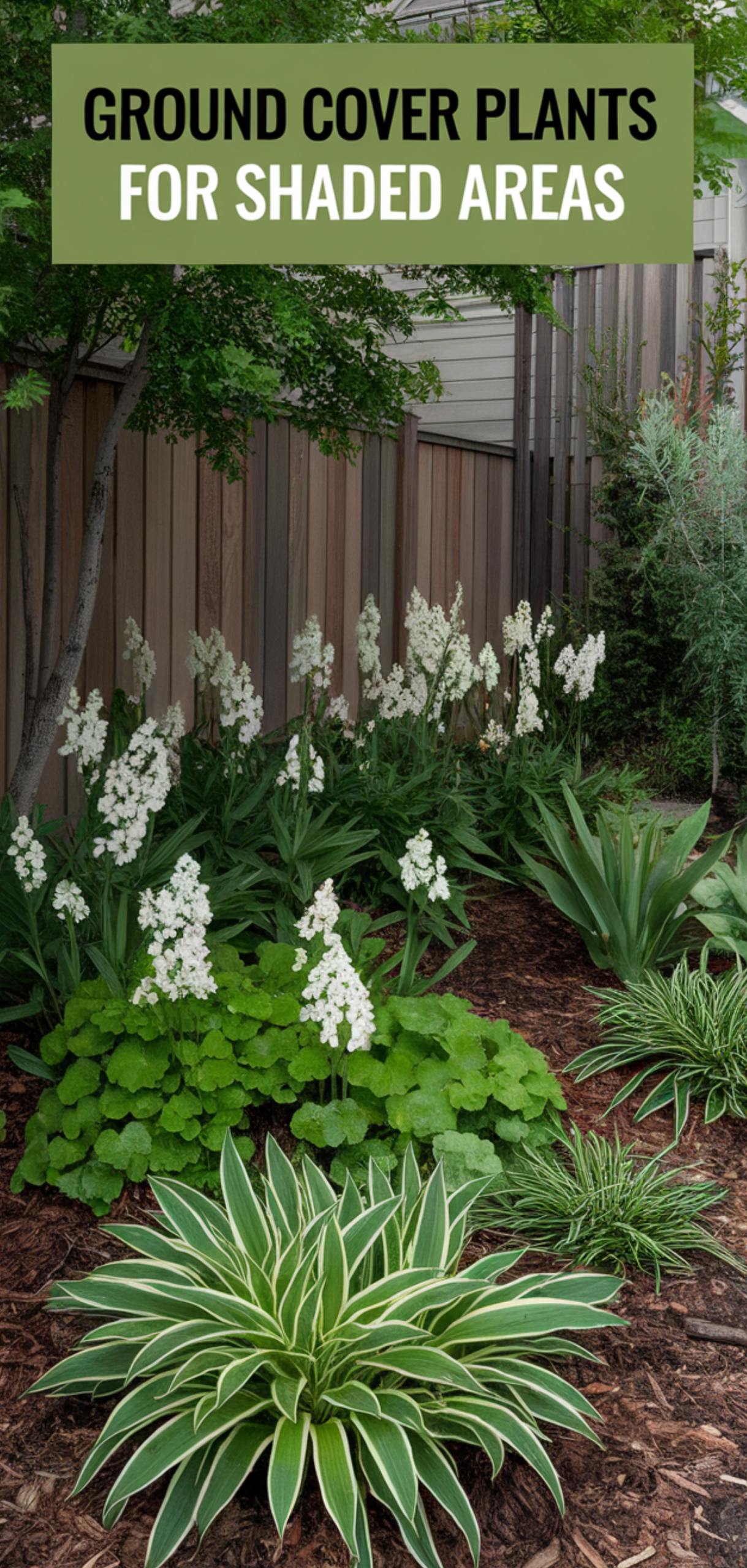
Japanese spurge is an evergreen perennial that spreads quickly under trees or in shaded borders. It thrives in moist, well-drained soil and forms a dense mat of glossy green leaves. Occasional pruning keeps it tidy, while its tiny white flowers in spring add subtle charm.
13. Vinca minor (Periwinkle)
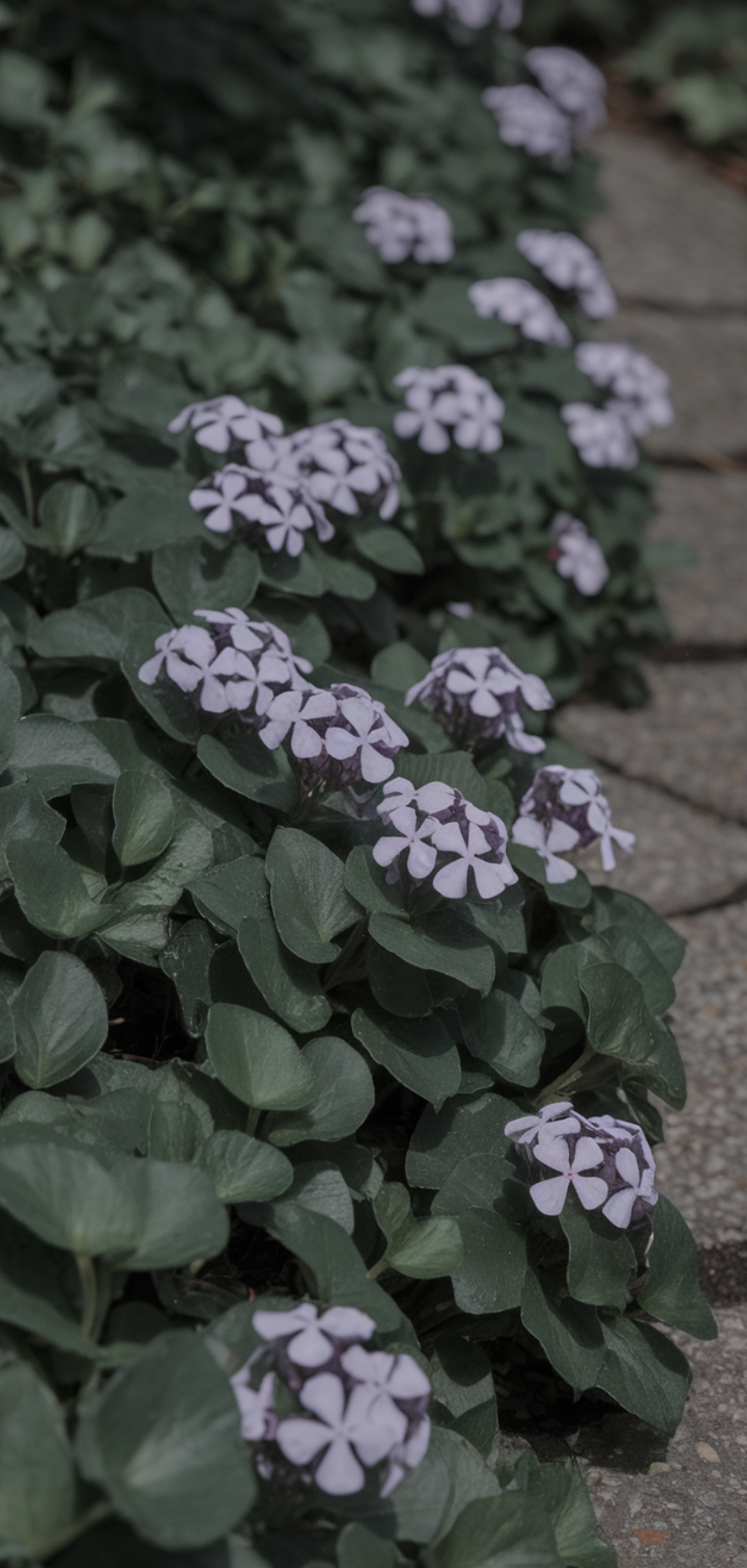
Periwinkle is a classic shade-loving ground cover with violet-blue flowers that bloom in spring and sporadically through summer. It tolerates most soil types and forms a thick carpet, helping to prevent erosion. Be cautious, its vigorous growth may require occasional trimming to keep it contained.
12. Lamium maculatum (Spotted Dead-Nettle)
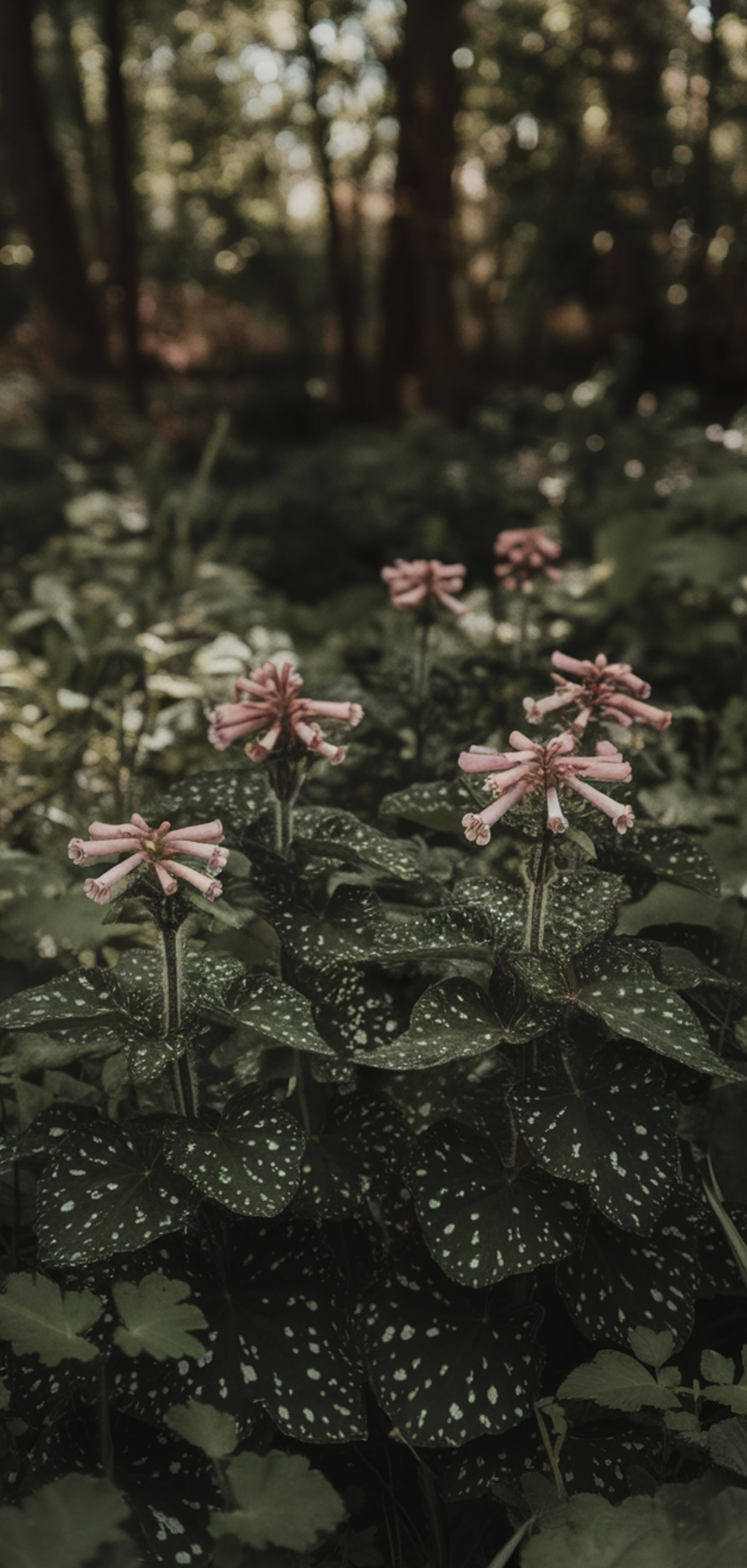
Lamium features silvery foliage with pink, purple, or white flowers, ideal for brightening darker areas. It spreads easily without becoming invasive and prefers moist, well-drained soil. Regular cutting back after flowering encourages a fresh display.
11. Ajuga reptans (Bugleweed)
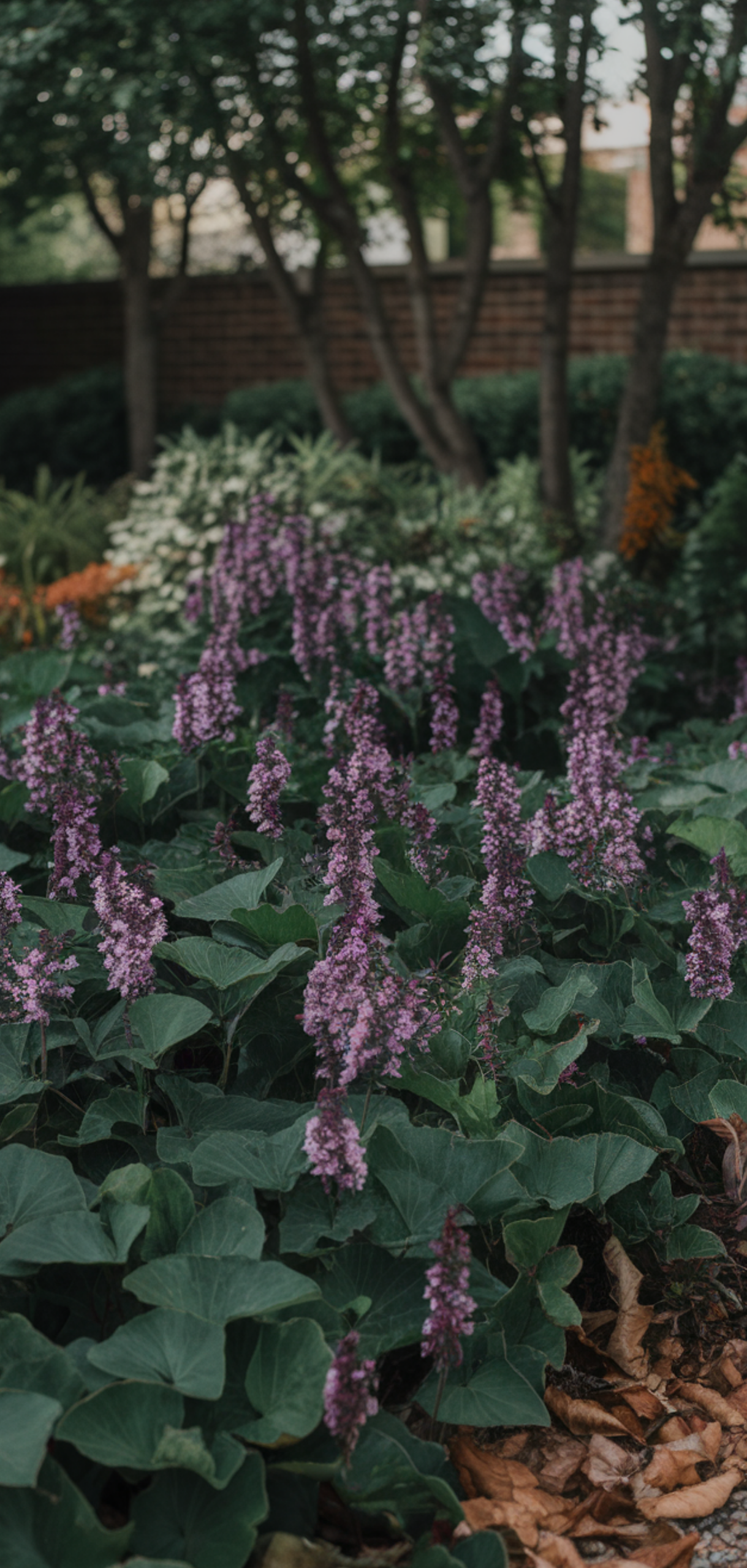
Ajuga forms dense mats of deep green to purple leaves and produces spikes of blue flowers in late spring. It tolerates partial to full shade and moist soil. Its creeping runners establish quickly, making it a reliable solution for bare spots under shrubs or trees.
10. Hosta (Plantain Lily)
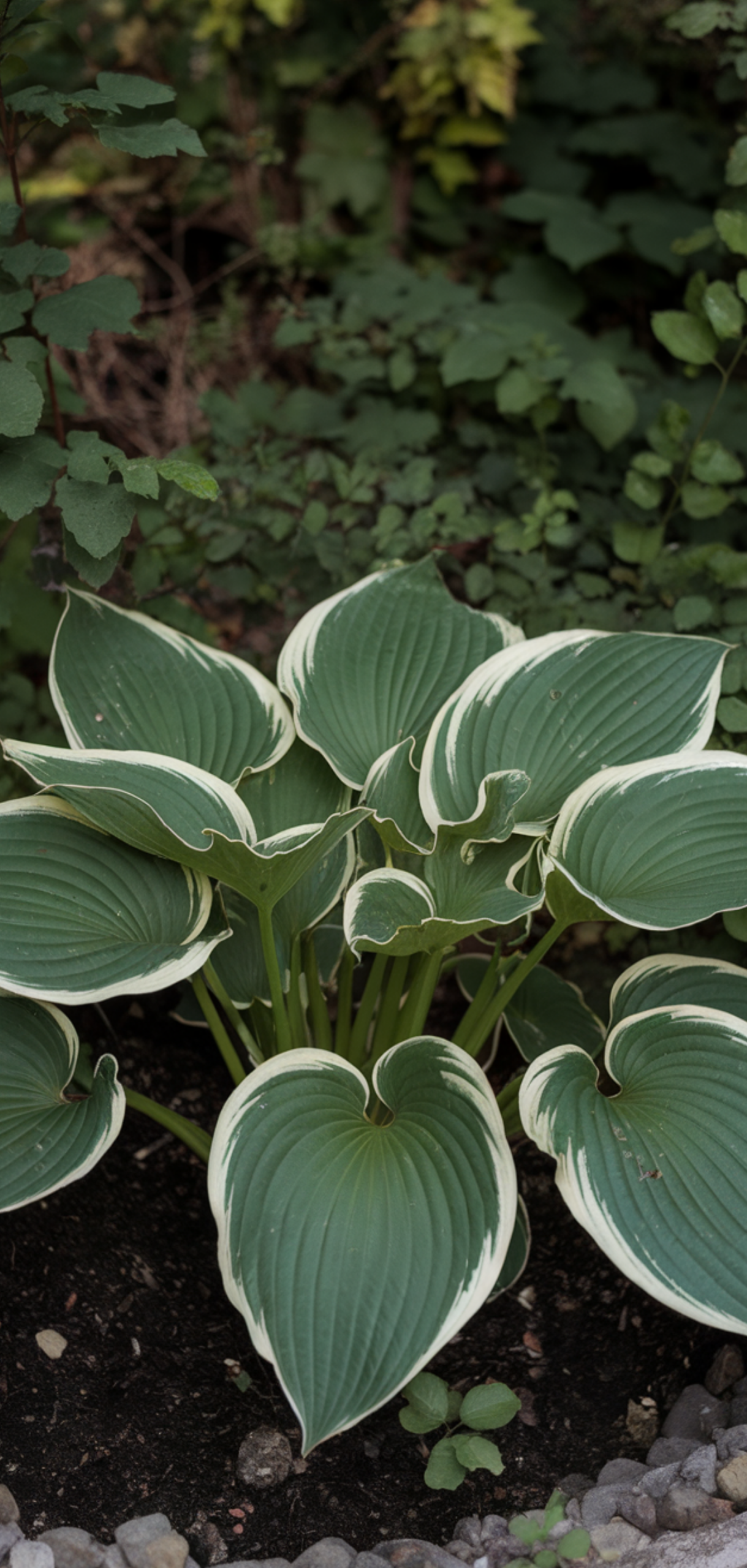
Hostas are prized for their large, textured leaves and low-maintenance appeal. While primarily grown for foliage, they produce lavender or white blooms that attract pollinators. They thrive in partial to full shade, especially in moist, fertile soil, and can be paired with other ground covers for a layered effect.
9. Tiarella cordifolia (Foamflower)
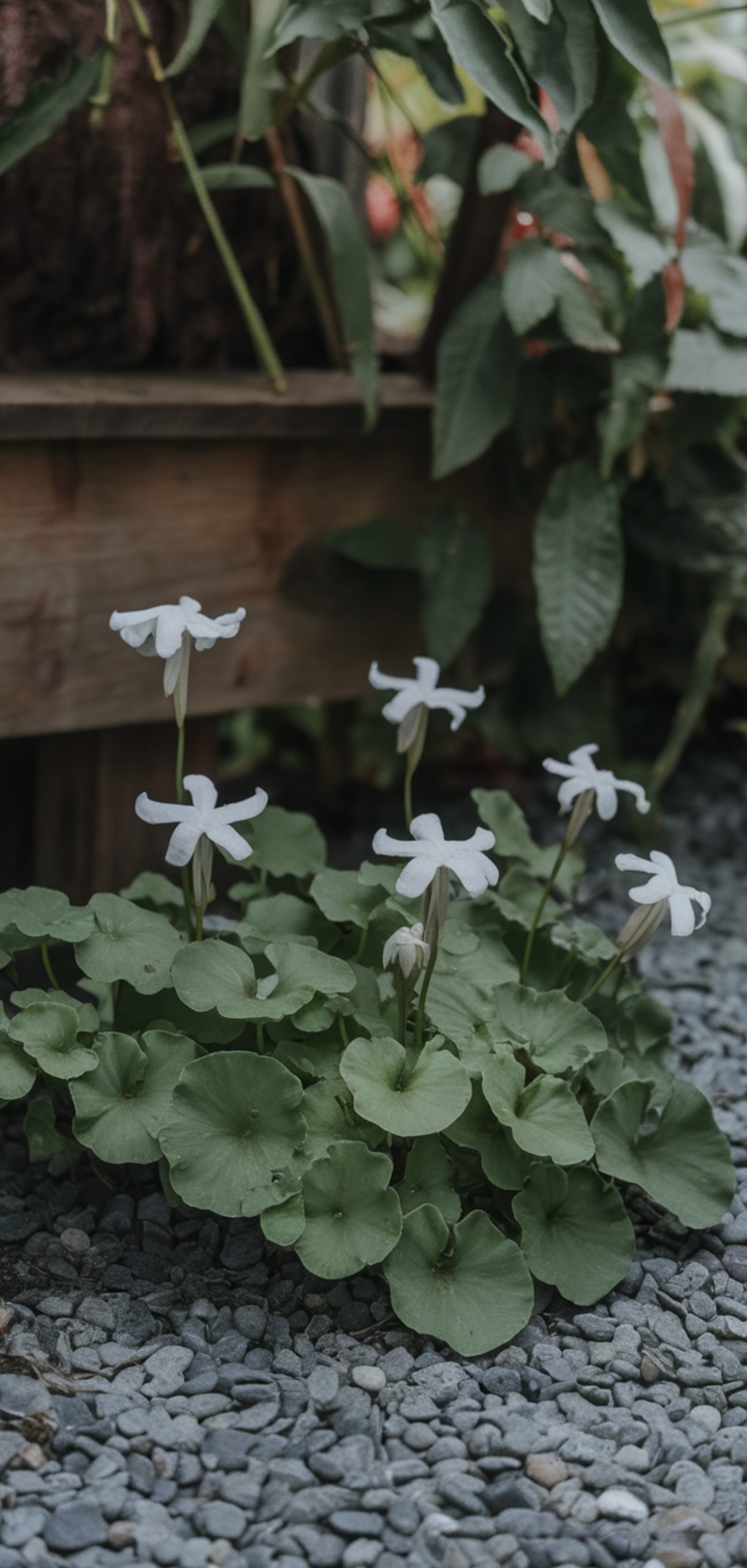
Foamflower is a native perennial with delicate, foamy white flowers and attractive foliage. It spreads slowly to form a lush mat, ideal for woodland gardens. Preferring moist, well-drained soil, it requires minimal maintenance once established.
8. Sweet Woodruff (Galium odoratum)
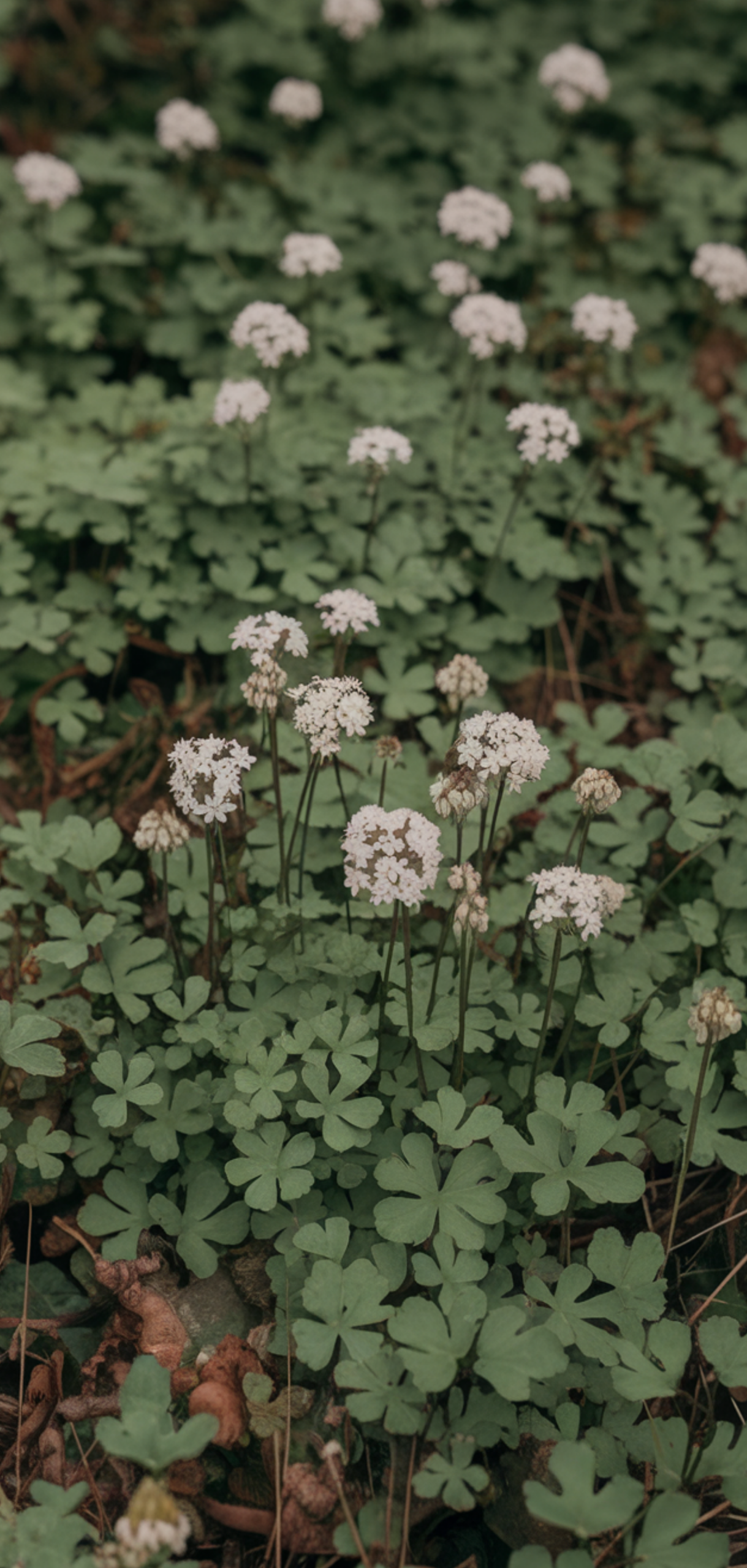
Sweet woodruff is an aromatic ground cover with tiny white star-shaped flowers in spring. It thrives in rich, moist, shaded soil and spreads by rhizomes. Its fragrant foliage is a bonus, often used for potpourri or herbal sachets.
7. Ferns (Various species)
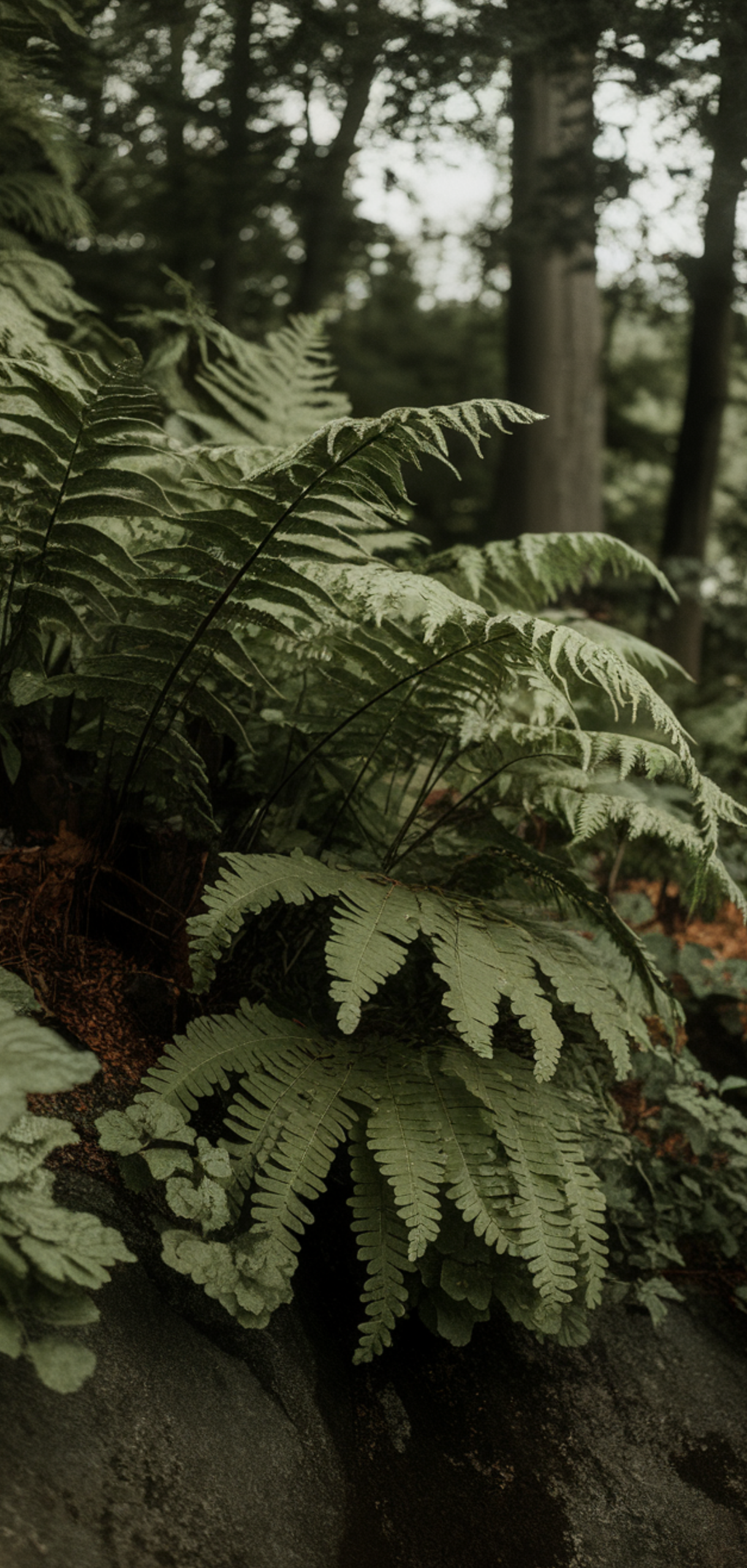
Ferns such as Autumn Fern, Lady Fern, and Japanese Painted Fern provide texture and greenery in deep shade. They prefer consistently moist, humus-rich soil and naturalize well among trees and shrubs. Cutting back old fronds in early spring promotes fresh growth.
6. Helleborus (Lenten Rose)
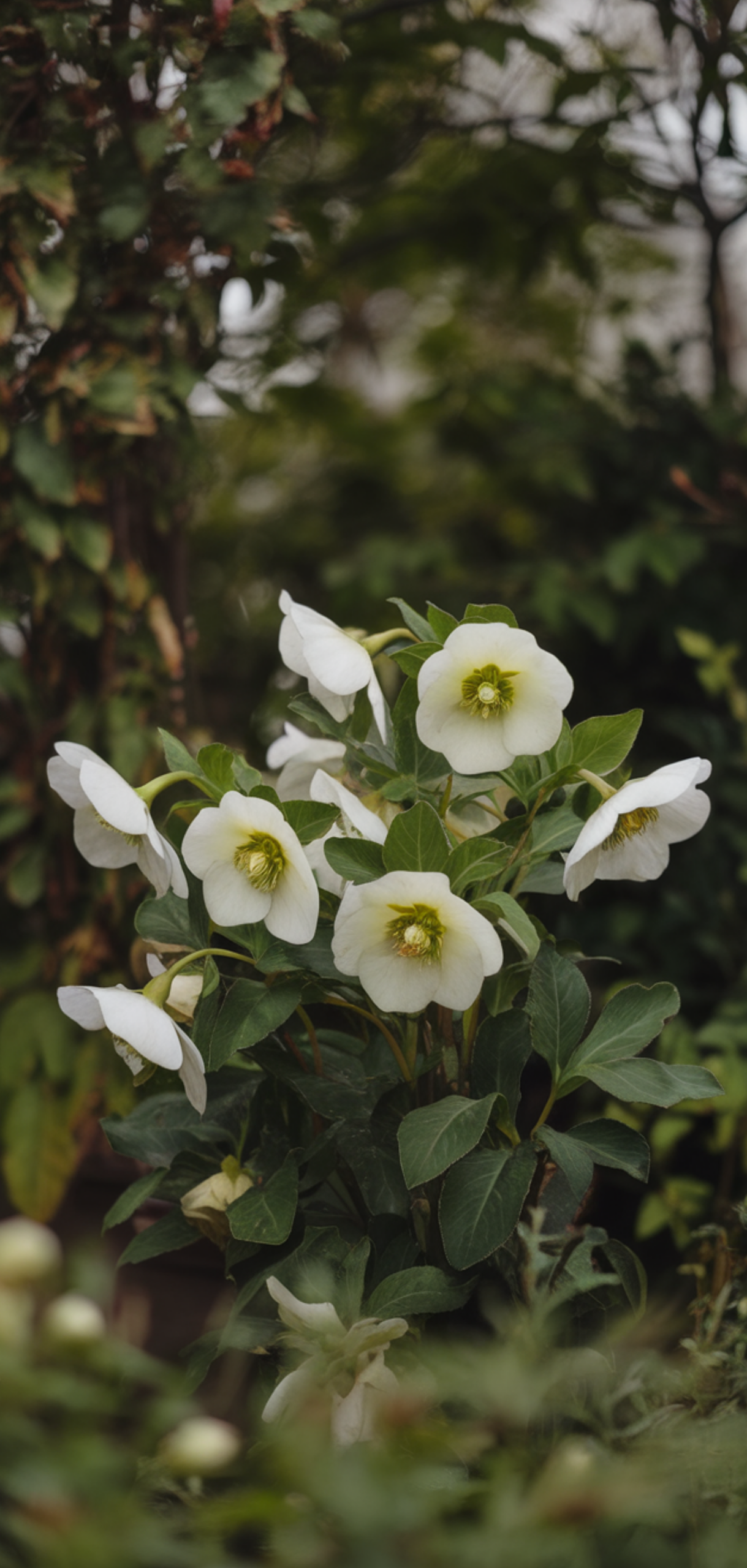
Hellebores are evergreen perennials with dark green foliage and nodding flowers in shades of white, pink, and purple.
Ground Cover Plants Tip: They tolerate deep shade and moist soil, offering early-season blooms while remaining low-maintenance.
5. Epimedium (Barrenwort)
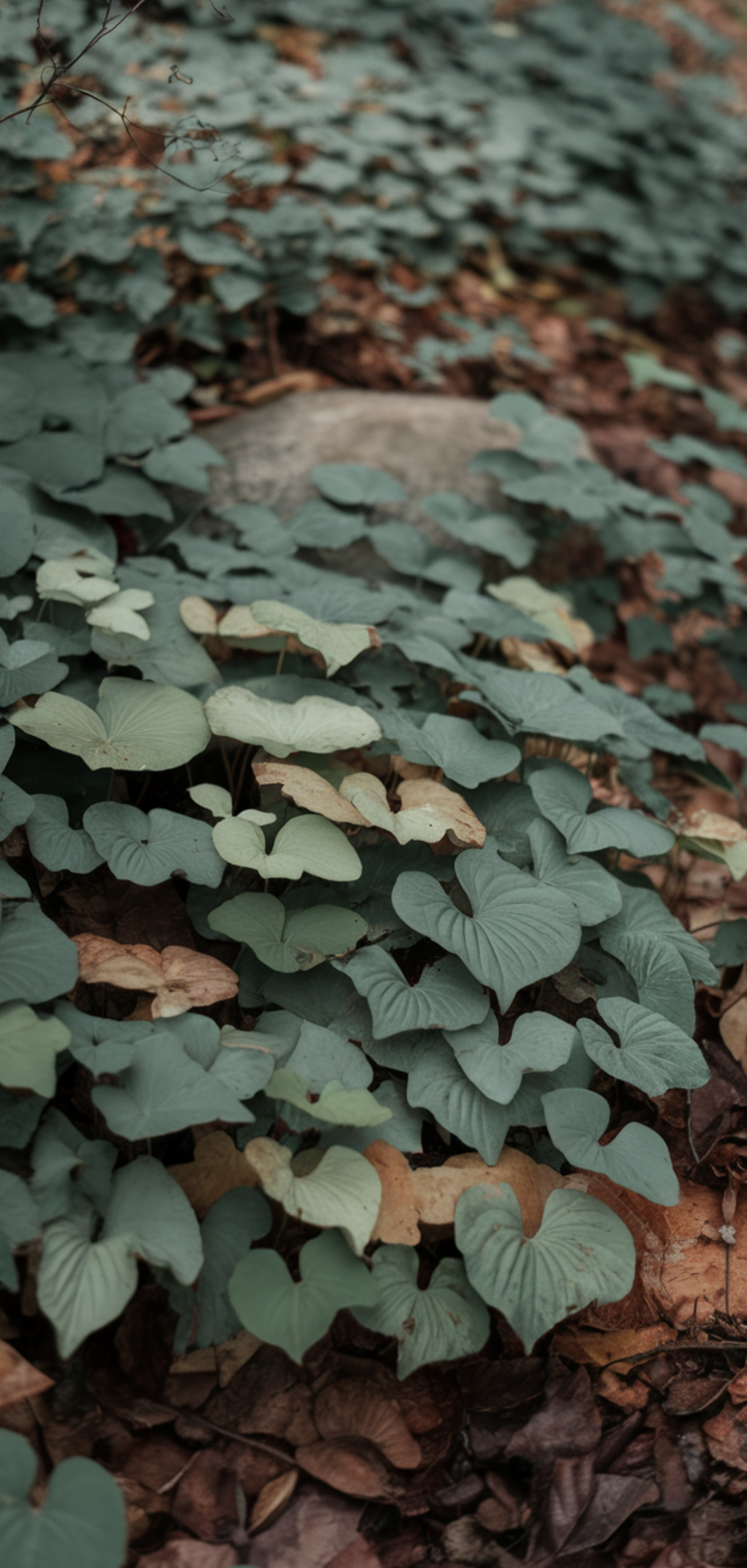
Epimedium thrives in dry to medium moisture soils under deciduous trees. Its heart-shaped leaves and delicate flowers provide long-lasting interest.
Ground Cover Plants Tip: It is slow to spread but forms attractive clumps over time, perfect for woodland gardens.
4. Sweet Violet (Viola odorata)
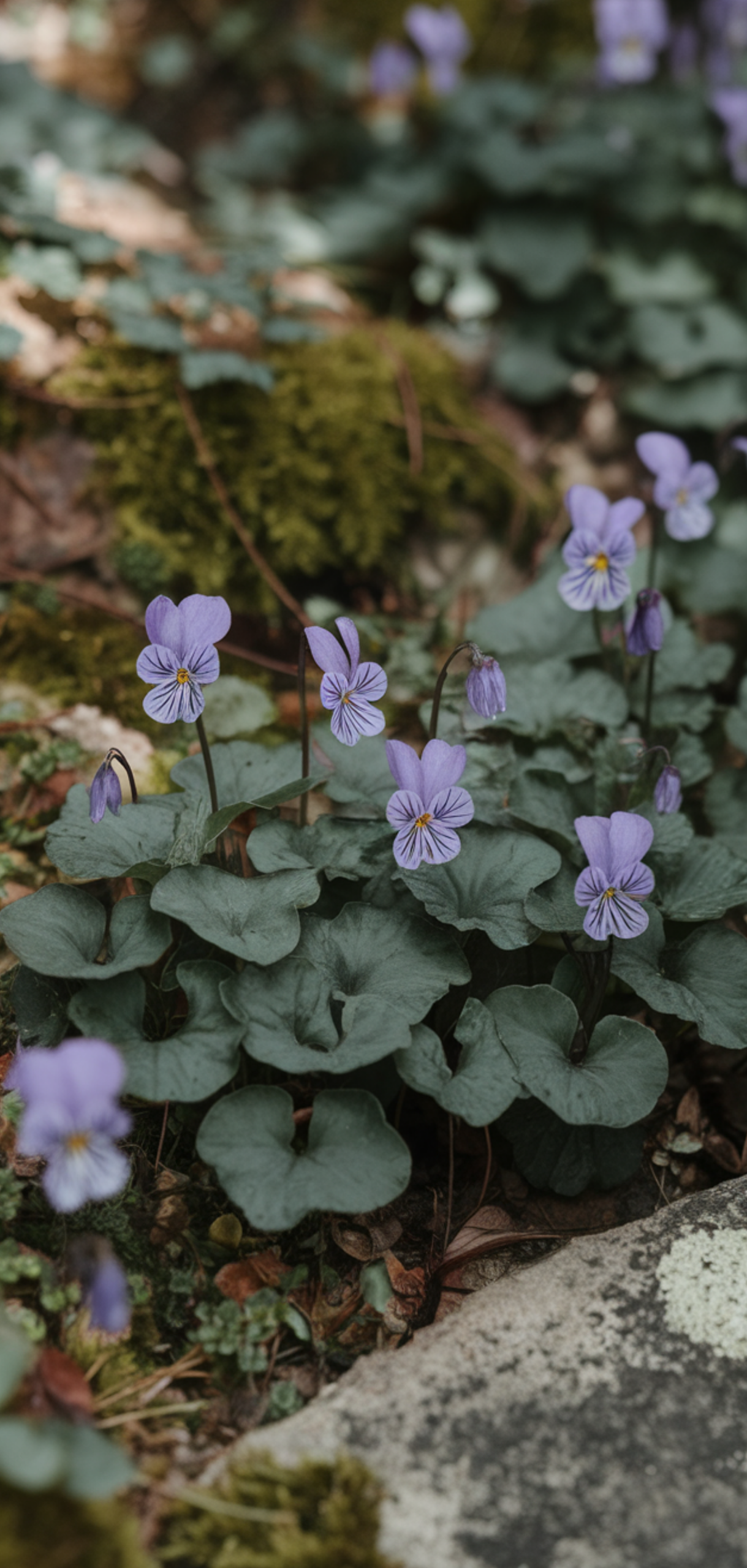
Sweet violets produce fragrant purple or white flowers in spring. They prefer partial shade and moist, rich soil.
Ground Cover Plants Tip: Once established, they self-seed, creating naturalized carpets of blooms each year.
3. Creeping Jenny (Lysimachia nummularia)
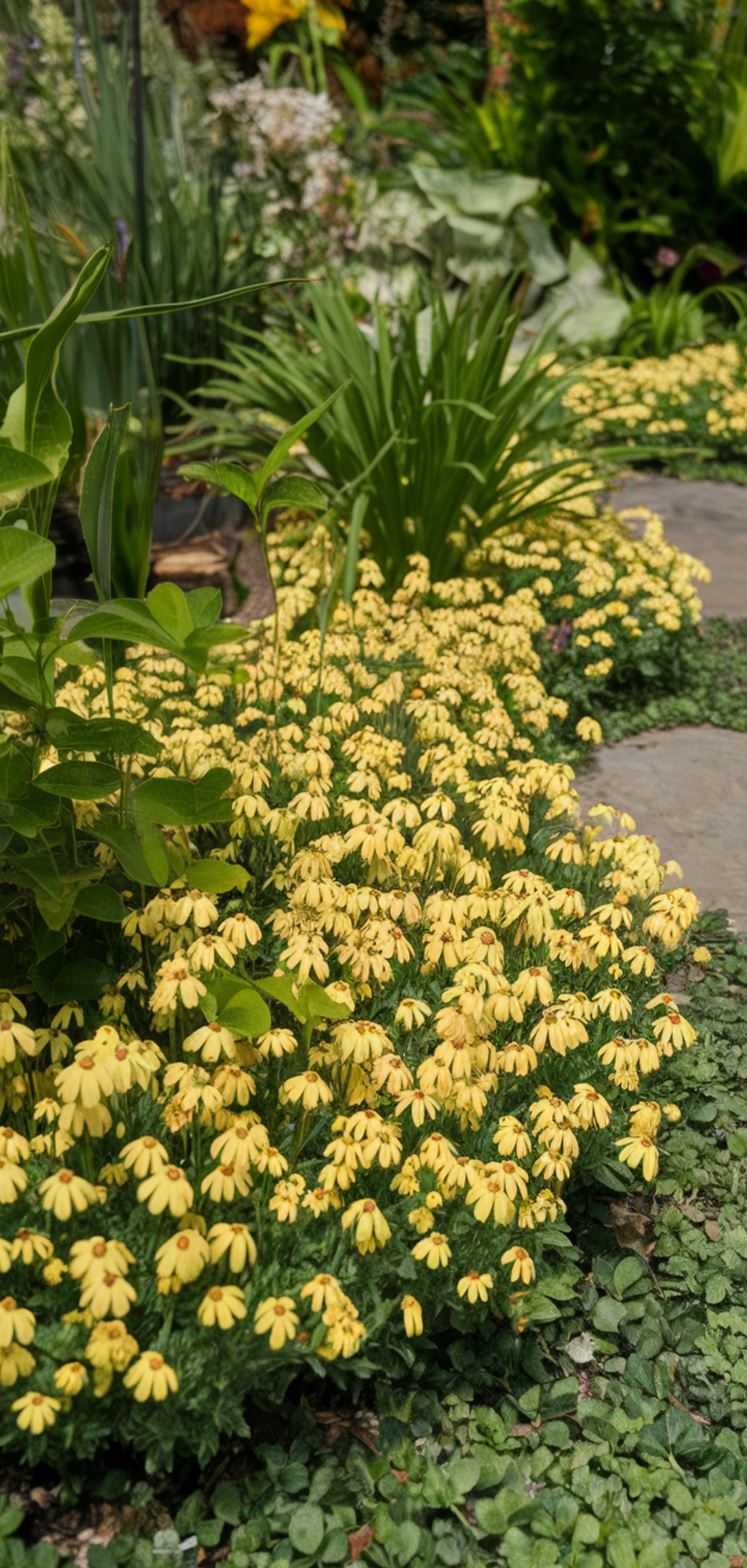
Creeping Jenny is a vigorous ground cover with bright chartreuse foliage that contrasts beautifully in shaded areas. It prefers moist soil and partial shade, spreading rapidly to fill gaps.
Ground Cover Plants Tip: Occasional trimming prevents it from encroaching on adjacent plants.
2. Heuchera (Coral Bells)
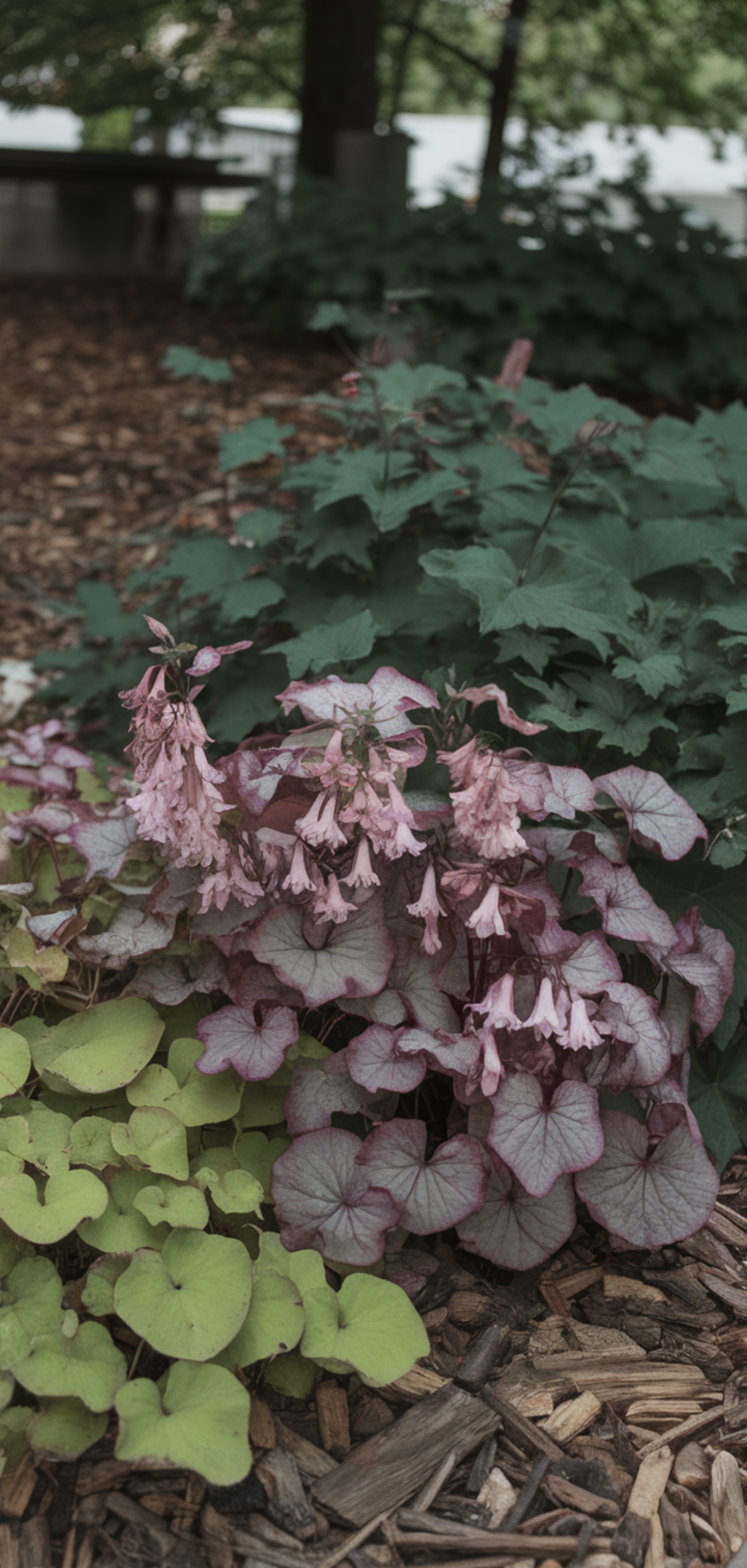
Coral Bells offer colorful foliage and delicate flower spikes that attract pollinators. They thrive in partial shade with well-drained soil and require minimal care.
Ground Cover Plants Tip: Regular removal of old leaves keeps plants tidy and vibrant.
1. Sweet Alyssum (Lobularia maritima)
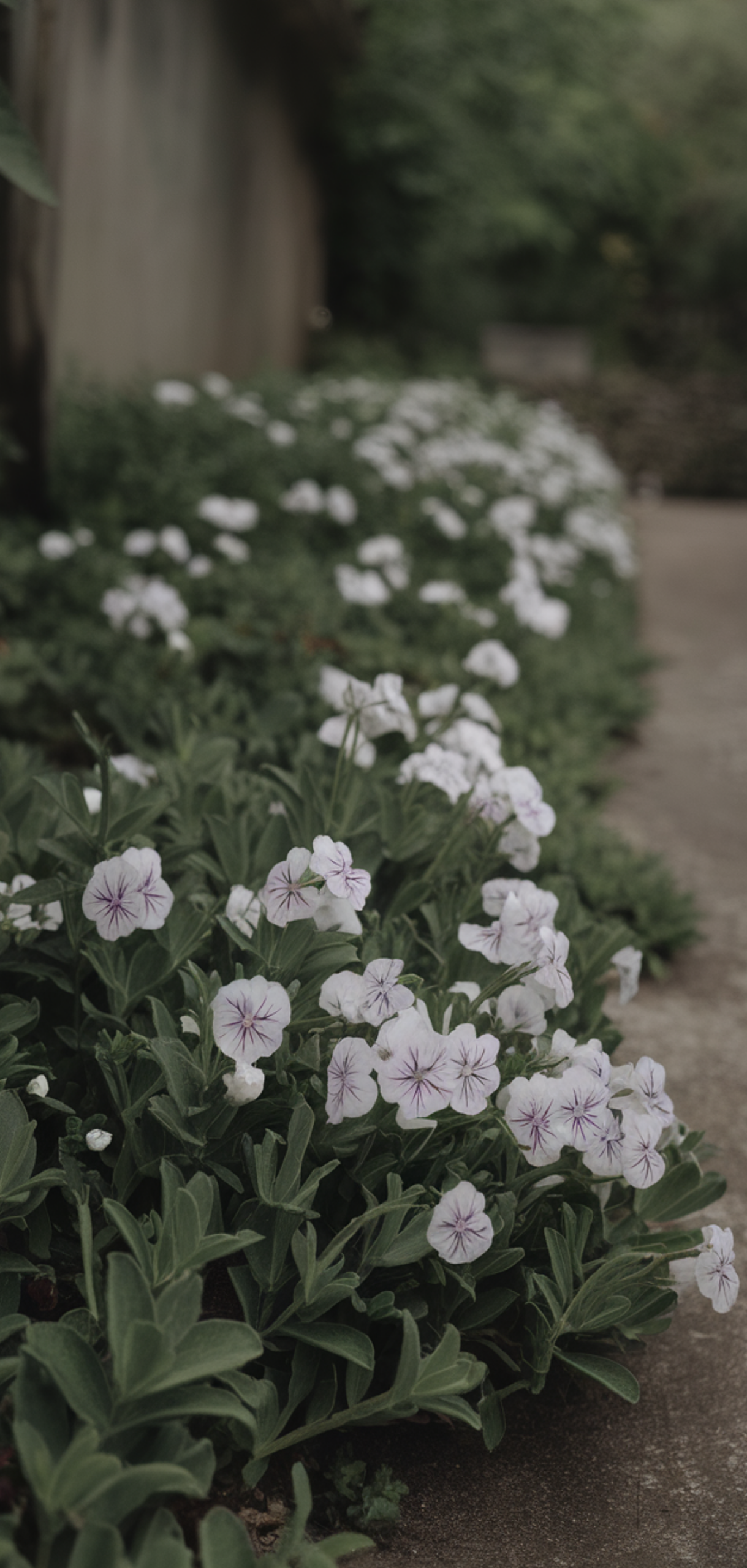
Though typically a sun-loving plant, sweet alyssum tolerates partial shade and produces fragrant, tiny flowers that attract bees and butterflies.
Ground Cover Plants Tip: It spreads quickly and works well along paths or edges of shaded beds, offering color and pollinator support.
Conclusion
By combining these 14 ground cover plants for shaded areas, we can transform dark, neglected corners into lush, visually appealing gardens that are easy to maintain. Layering tall, medium, and low-growing species ensures year-round coverage and helps prevent weeds, while providing texture, color, and ecological value. With the right selection and placement, shaded areas can be just as stunning as sunlit spots, offering both beauty and function with minimal upkeep.