
Join Our Newsletter for Cozy Home Inspiration, Family Fun, and Delicious Recipes Every Week
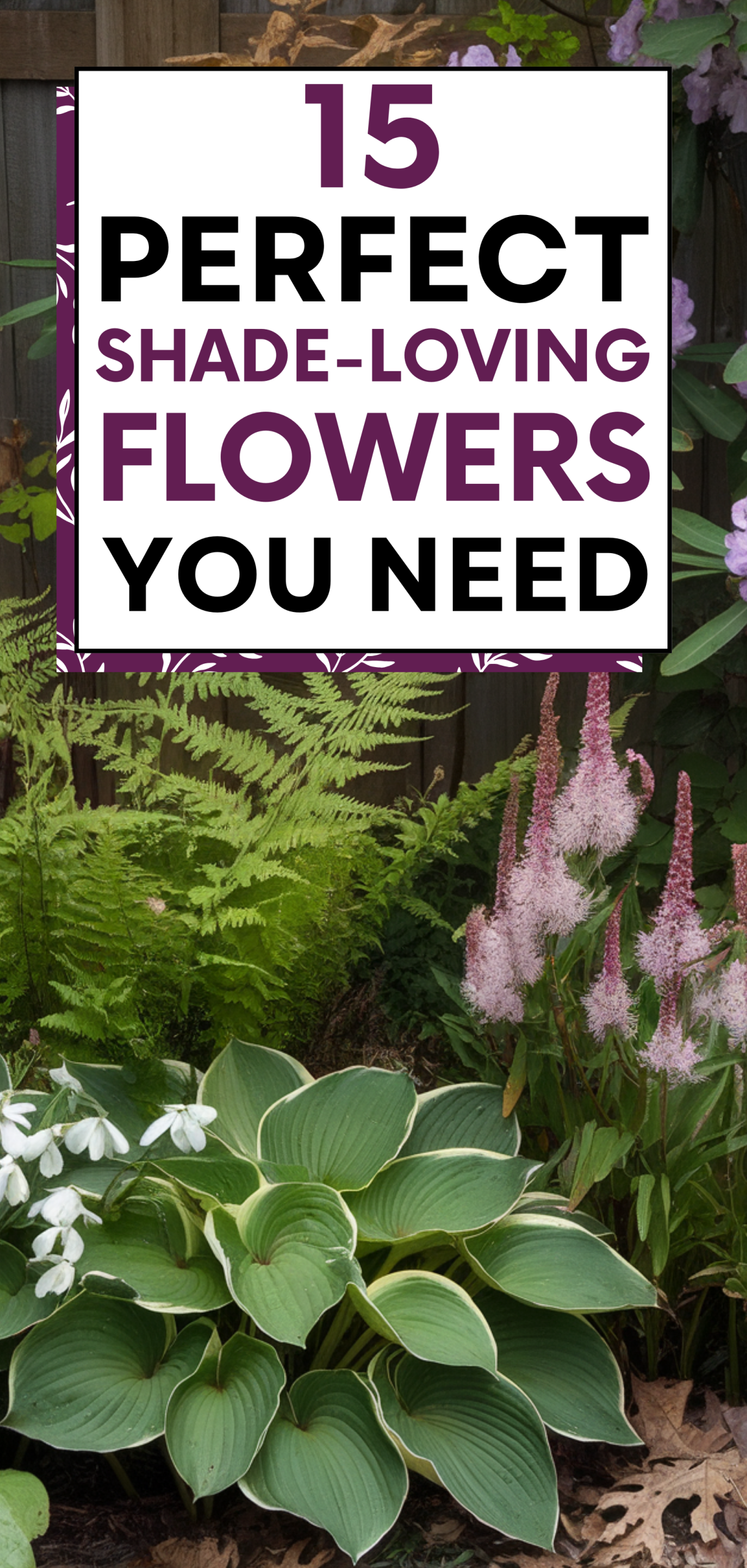
15 Perfect Shade-Loving Flowers You Need

I used to think my north-facing garden corner was doomed to perpetual shade, poor soil, and nothing growing, which made me question if my conditions even existed in nature. I wanted a vibrant area with layers of flowers, scents, and life buzzing with bees, beetles, and other underappreciated garden creatures, but every plant I tried seemed to struggle.
That’s when I discovered shade-loving flowers and plants thrive in low-light conditions. From ferns to Japanese anemones, they offered a solution for transforming into a lush haven. I even wrote an article about 14 Beautiful Floral-Filled Porch Garden Ideas because finding creative ways to bring light and color into shade is a challenge every gardener faces.
At first, it was trial and error. My blueberry plant refused to thrive, likely due to a mix of poor soil and excessive shade, while camellias with their deep roots seemed content.
I experimented with layering height and texture to attract pollinators. Gradually, I found winners like Geranium Orion, Persicaria, Balkan cranesbill, and Alchemilla mollis. Even with almost no sunlight, these plants flourished and provided benefits. I learned that reflected light from walls and diffused sunlight through tree canopies can make all the difference.
Now, my shady border is good. Ferns, hostas, Japanese anemones, lily of the valley, and hellebores fill the space, while Vinca minor spreads as a fragrant, flower-studded ground cover. By combining foliage layers with shade-tolerant blooms, I finally achieved the dense foliage I had envisioned.
Shade-loving flowers turned what once felt like a lifeless corner into a sanctuary for plants and wildlife alike.
The solution was to embrace it with the right plants, proving that even the darkest garden spots can become a thriving paradise, and this is what I did.
15. Hellebore (Lenten Rose)
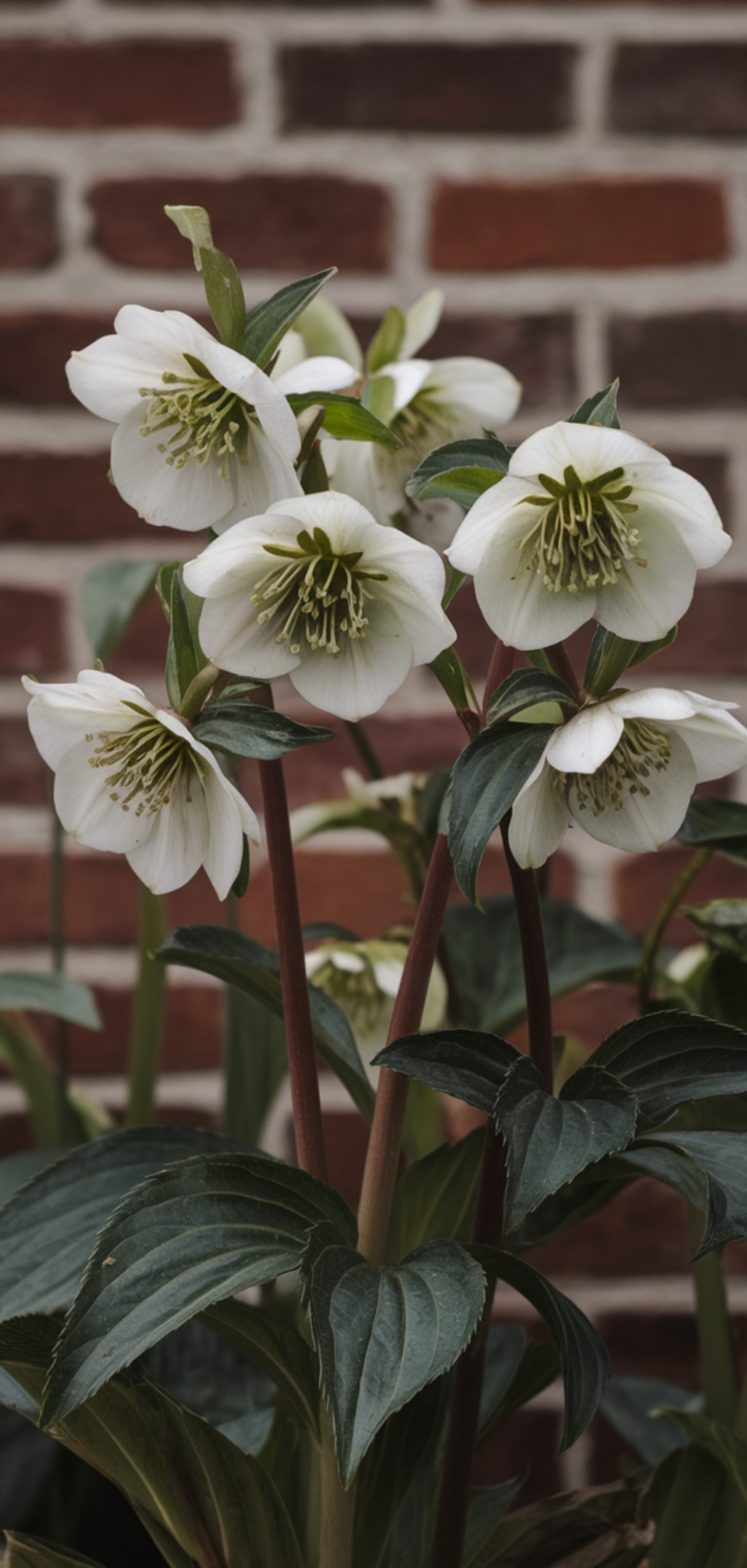
Hellebores are early bloomers that bring color to gardens when most plants are still dormant. Their flowers, appearing in shades of cream, purple, and green, add elegance to any shaded space. They thrive in moist, fertile, well-drained soil and are perfect for planting near pathways to enjoy their winter and early spring blooms.
14. Columbine (Aquilegia)
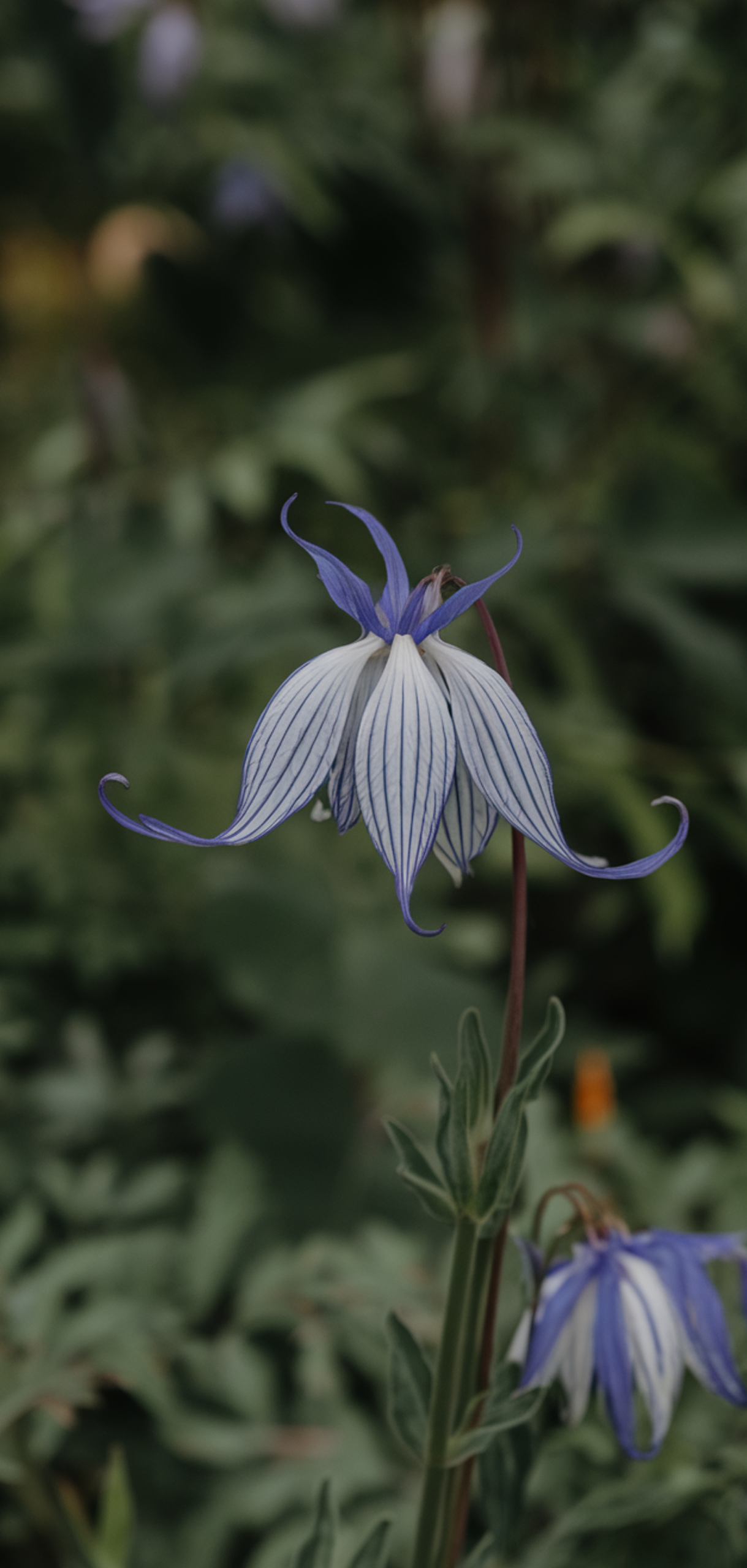
Columbines produce delicate, nodding flowers in an array of colors and intricate shapes. They are ideal for woodland or shaded garden beds, and their long blooming period provides consistent visual interest. Plant them in well-draining soil and partial shade to encourage healthy growth.
13. Impatiens
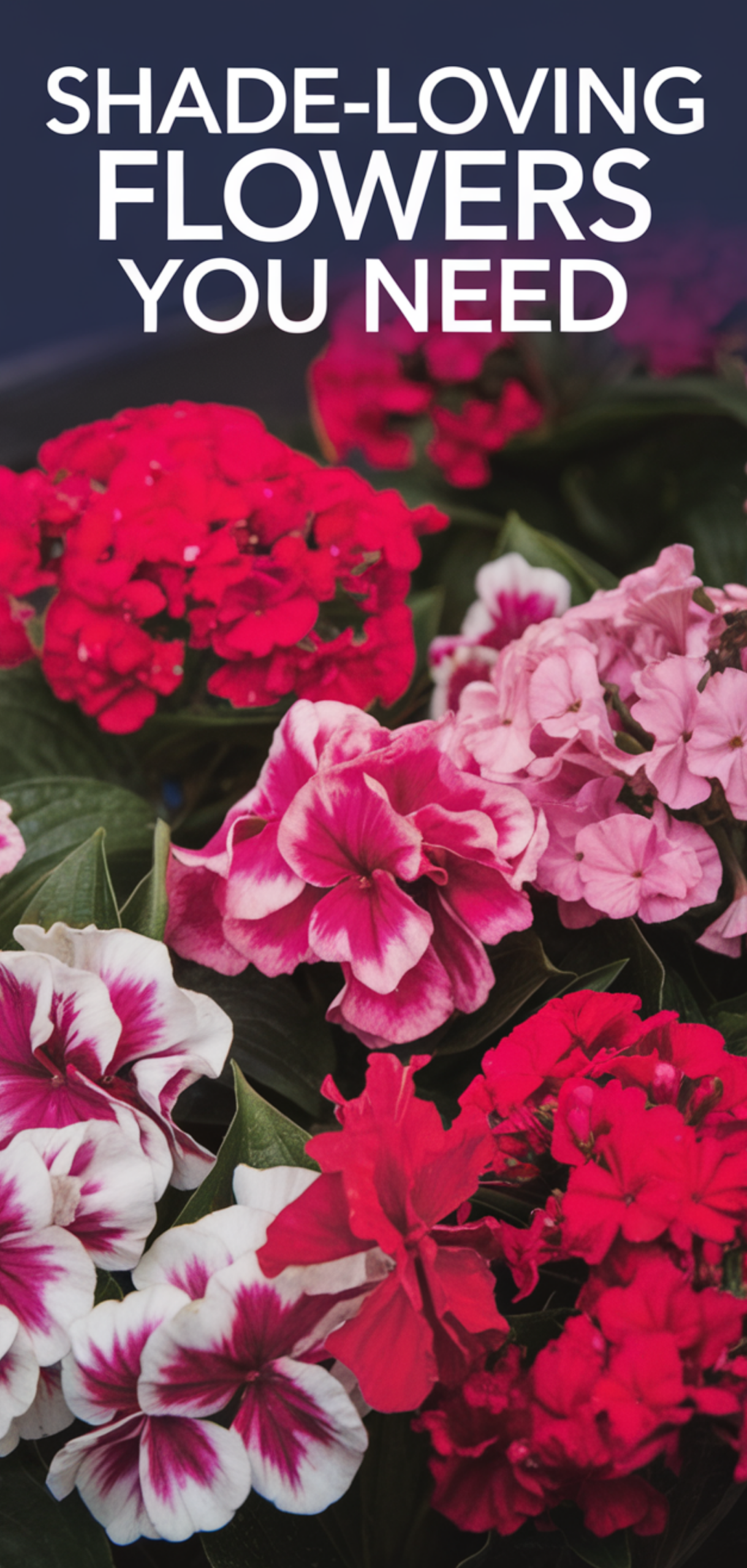
Impatiens are vibrant annuals that flourish in full to partial shade. Their constant blooms, ranging from pinks and reds to purples and whites, bring energy to shaded areas. Regular watering and fertile soil keep impatiens thriving, while deadheading spent flowers encourages continuous flowering.
12. Bleeding Heart (Dicentra Spectabilis)
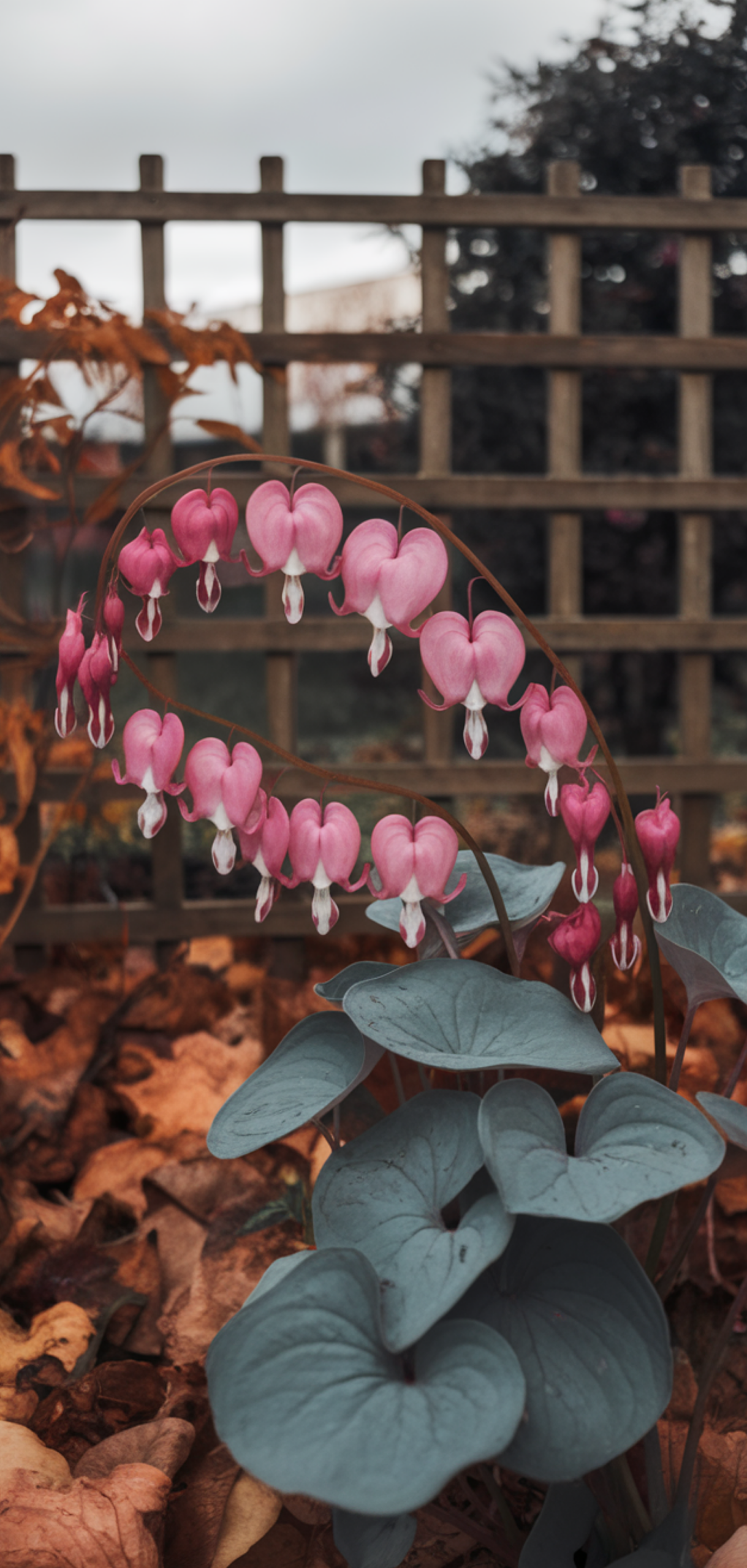
Bleeding Hearts offer a romantic, timeless look with heart-shaped, dangling flowers in pink or white. They grow best in rich, well-draining soil and are partial to full shade. Once blooming ends, cutting back foliage helps promote new growth and ensures the plant returns strong the next season.
11. Astilbe
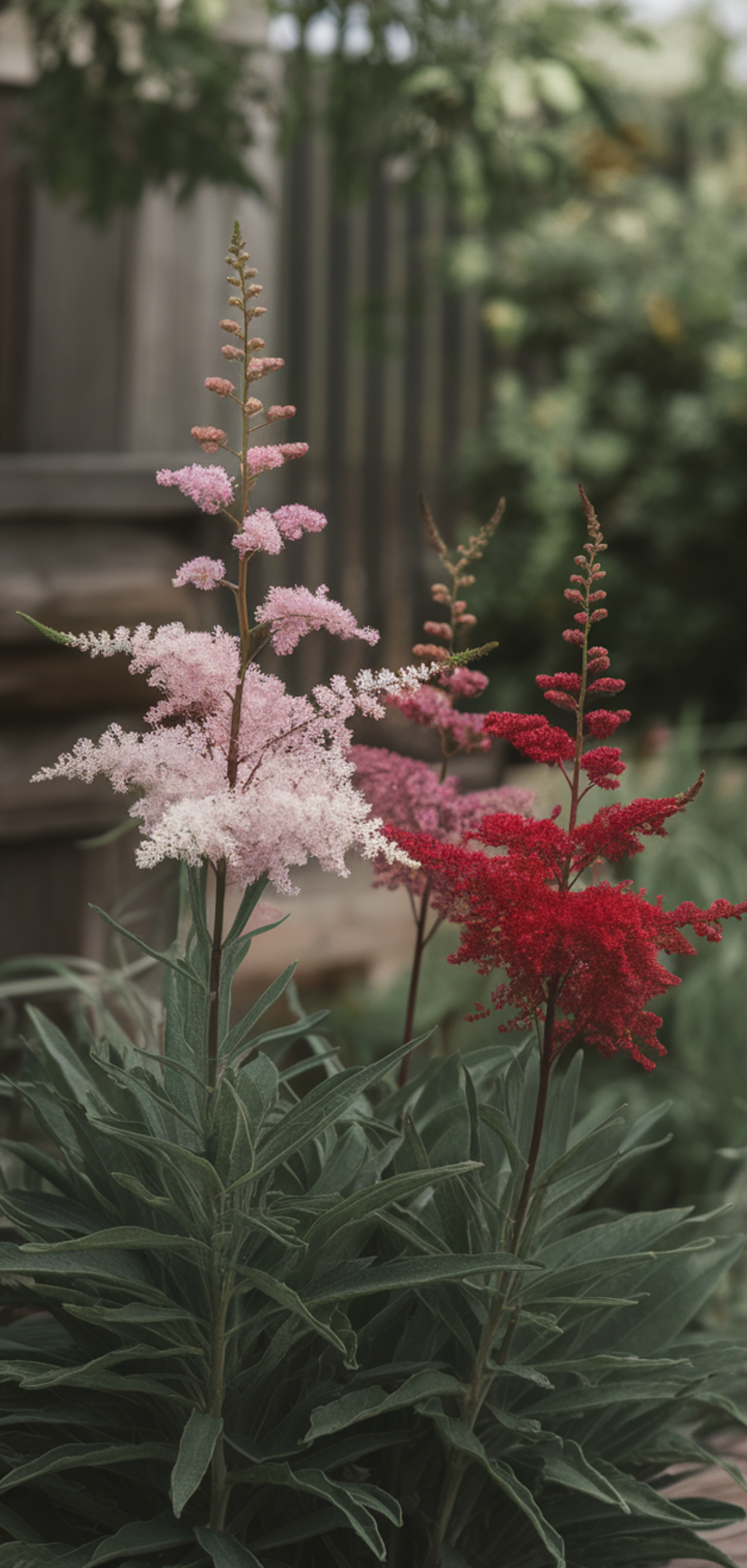
Astilbes bring feathery, plume-like flowers in shades of pink, red, white, and lavender to shaded borders. They flourish in consistently moist, humus-rich soil. Planting astilbes in clusters amplifies their visual impact and adds soft textures to the garden.
10. Foxglove (Digitalis)
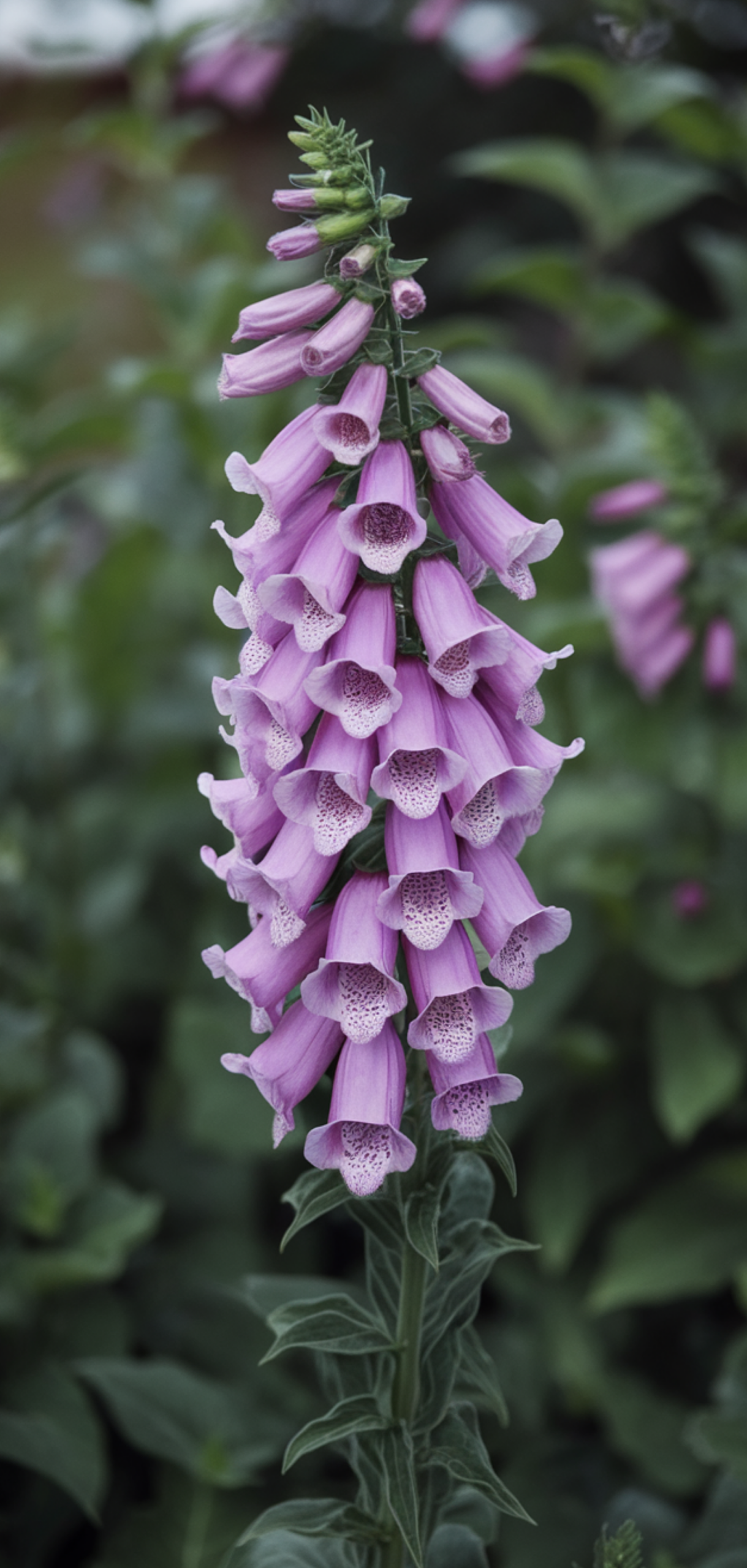
Foxgloves are striking biennials that thrive in shaded areas, producing tall spikes of tubular flowers in pink, purple, and white. They prefer moist, well-draining soil and partial shade. Foxgloves attract pollinators like bees and hummingbirds, adding life and movement to shaded garden beds.
9. Toad Lily (Tricyrtis)
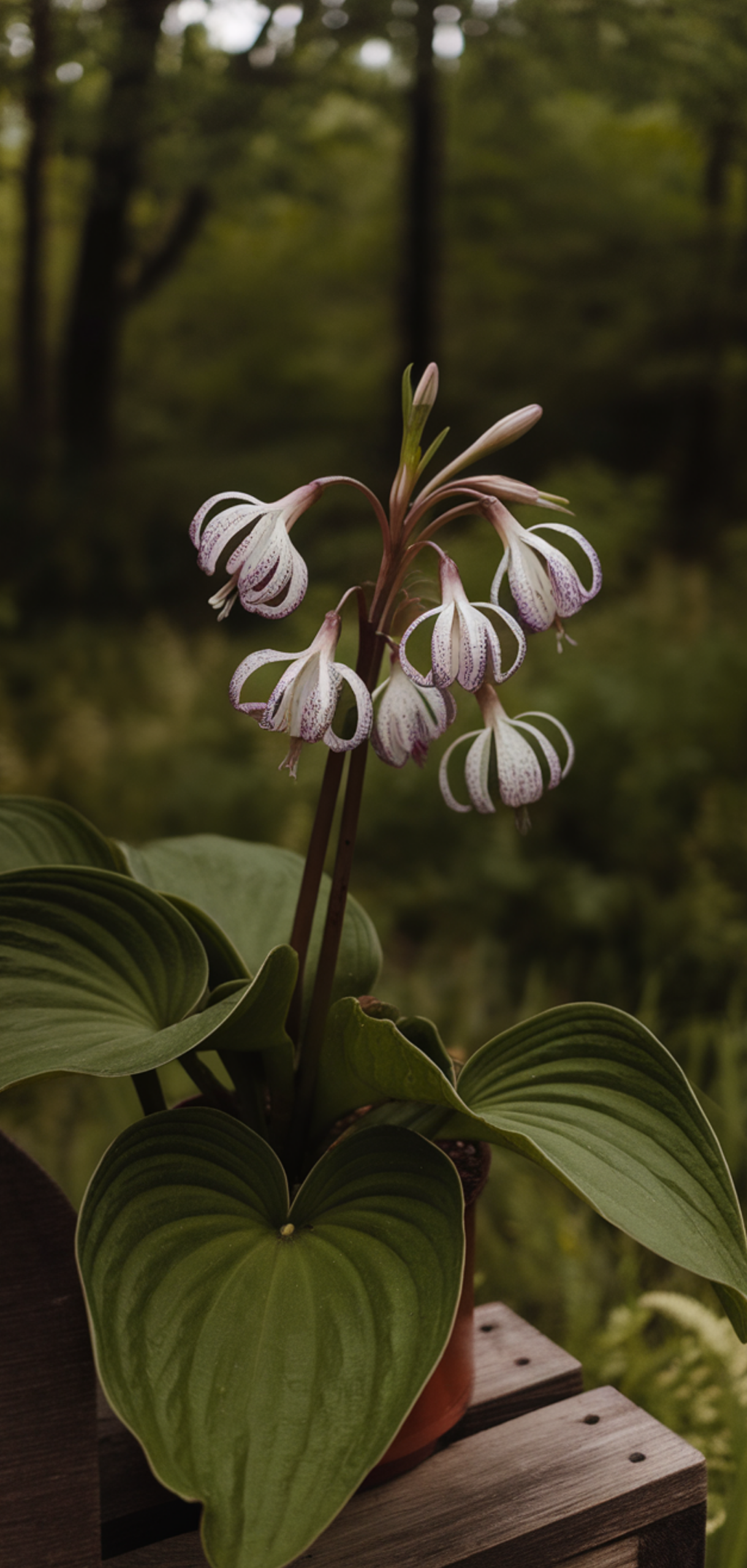
Toad lilies are exotic-looking flowers that flourish in deep shade, featuring speckled petals that resemble orchids. They grow best in consistently moist soil enriched with organic matter. Their late-summer blooms make them a perfect choice for adding interest when other plants fade.
8. Primrose (Primula)
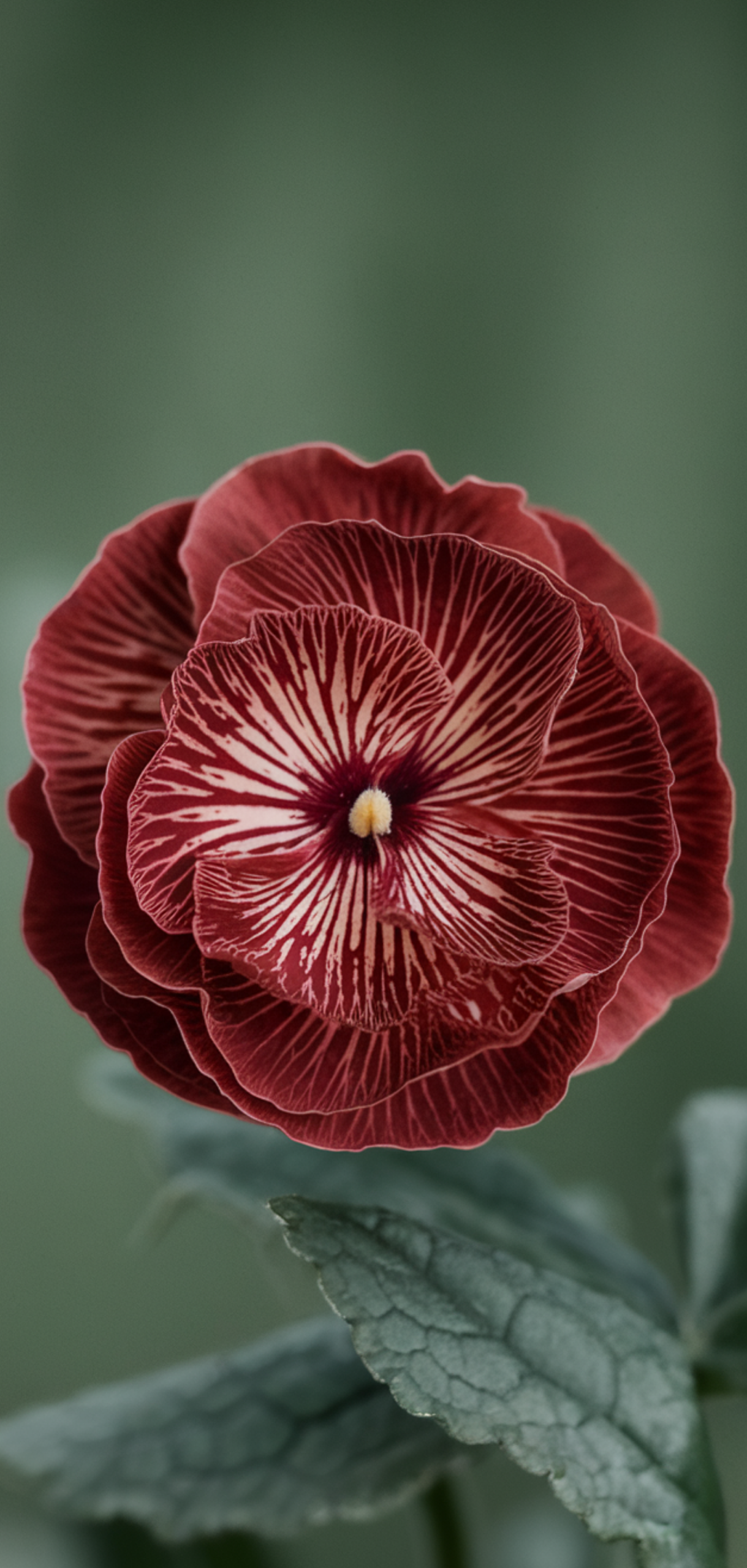
Primroses produce cheerful blooms in shades of yellow, pink, red, and purple, brightening dim garden areas. They prefer moist, humus-rich soil and partial shade.
Shade-Loving Flowers Tip: Primroses are excellent for edging paths or adding splashes of color to woodland gardens.
7. Japanese Forest Grass (Hakonechloa)
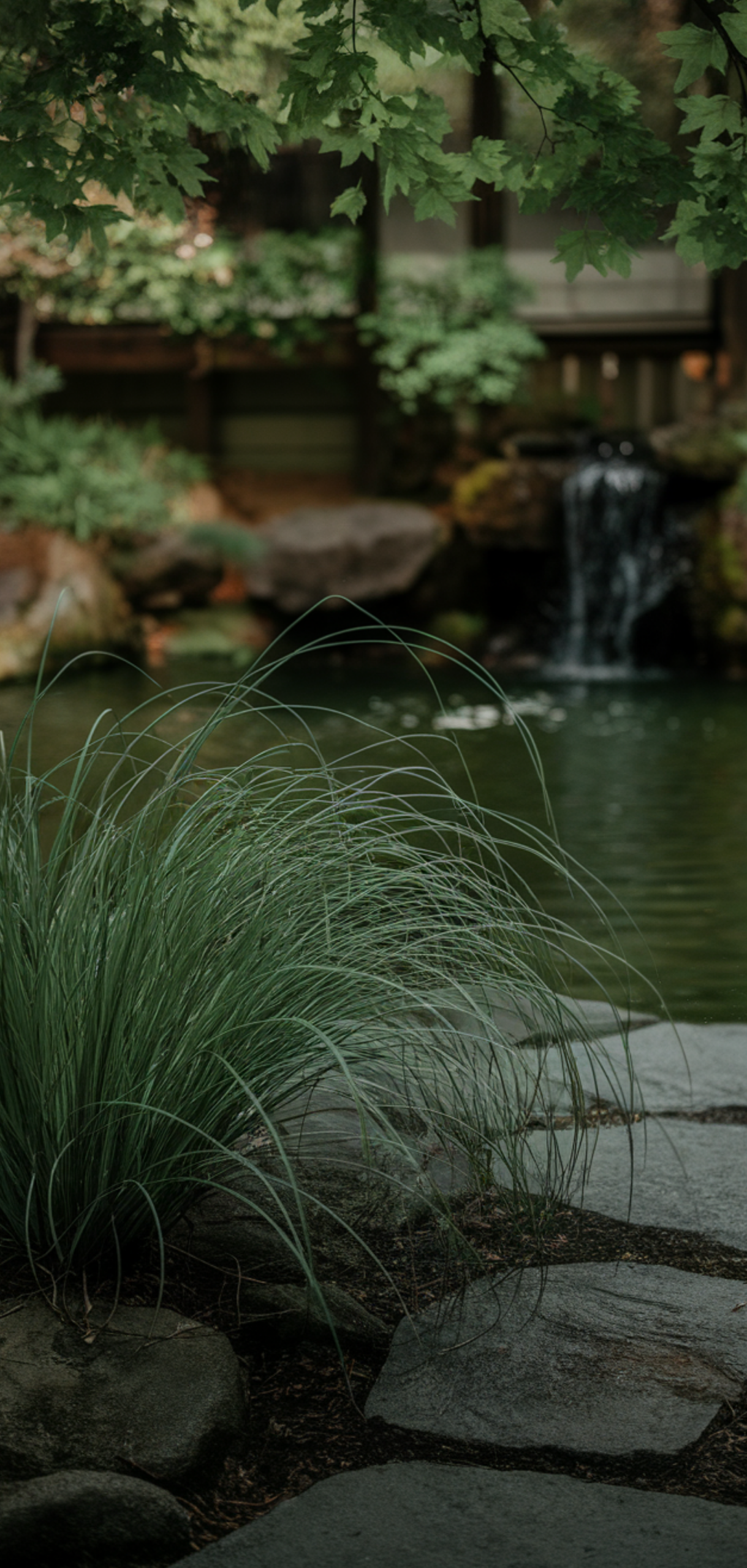
While technically an ornamental grass, Japanese forest grass thrives in shade and adds flowing texture and vibrant green or gold tones to garden beds. It prefers rich, well-drained soil and partial to full shade. Shade-Loving Flowers Tip: Its movement in the breeze gives shaded areas a sense of life and dynamism.
6. Sweet Woodruff (Galium odoratum)
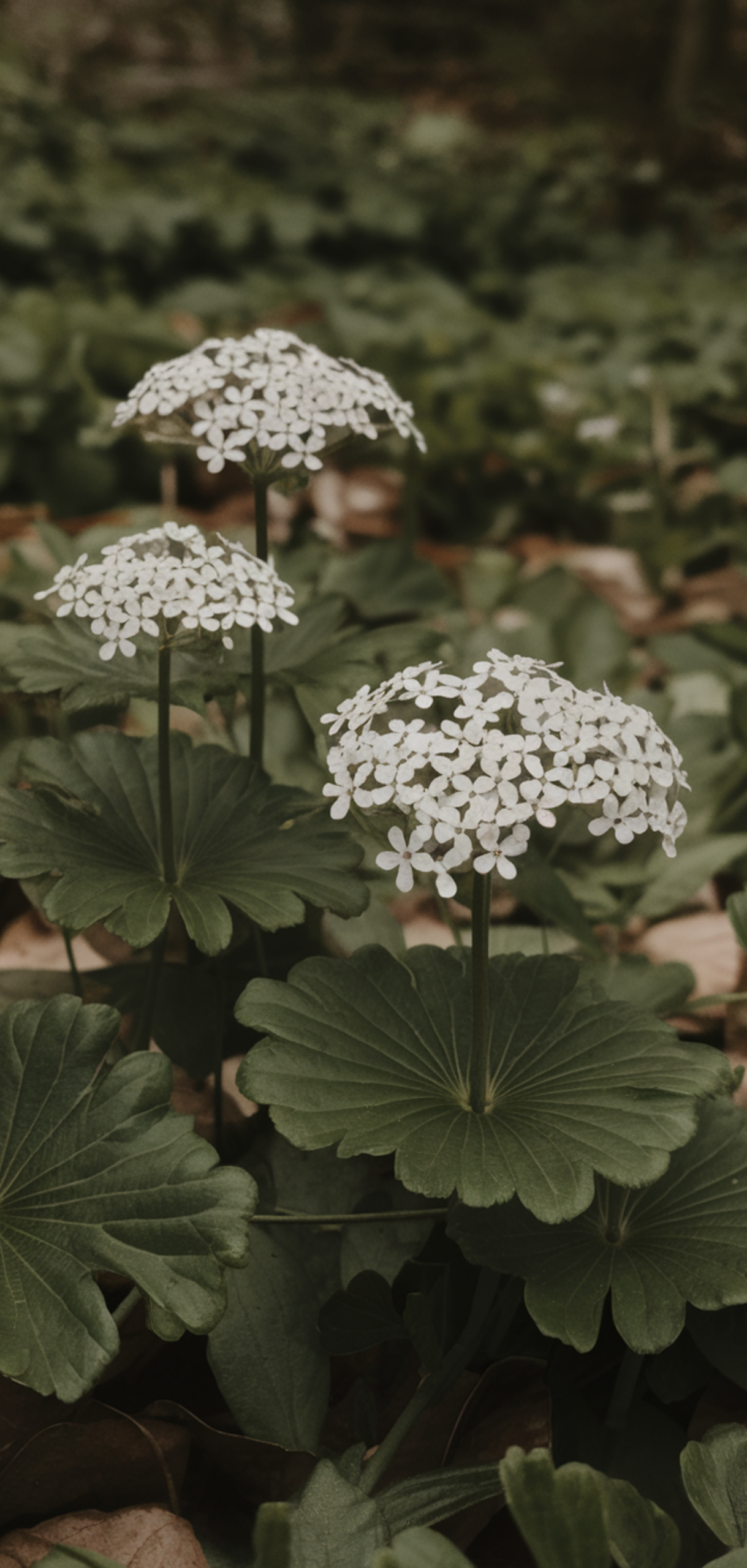
Sweet woodruff is a fragrant ground cover that thrives in shady spots, producing tiny white star-shaped flowers. It grows well in moist, well-draining soil and partial to full shade.
Shade-Loving Flowers Tip: Sweet woodruff is ideal for covering large shaded areas or planting under trees to add uniform color and scent.
5. Lungwort (Pulmonaria)
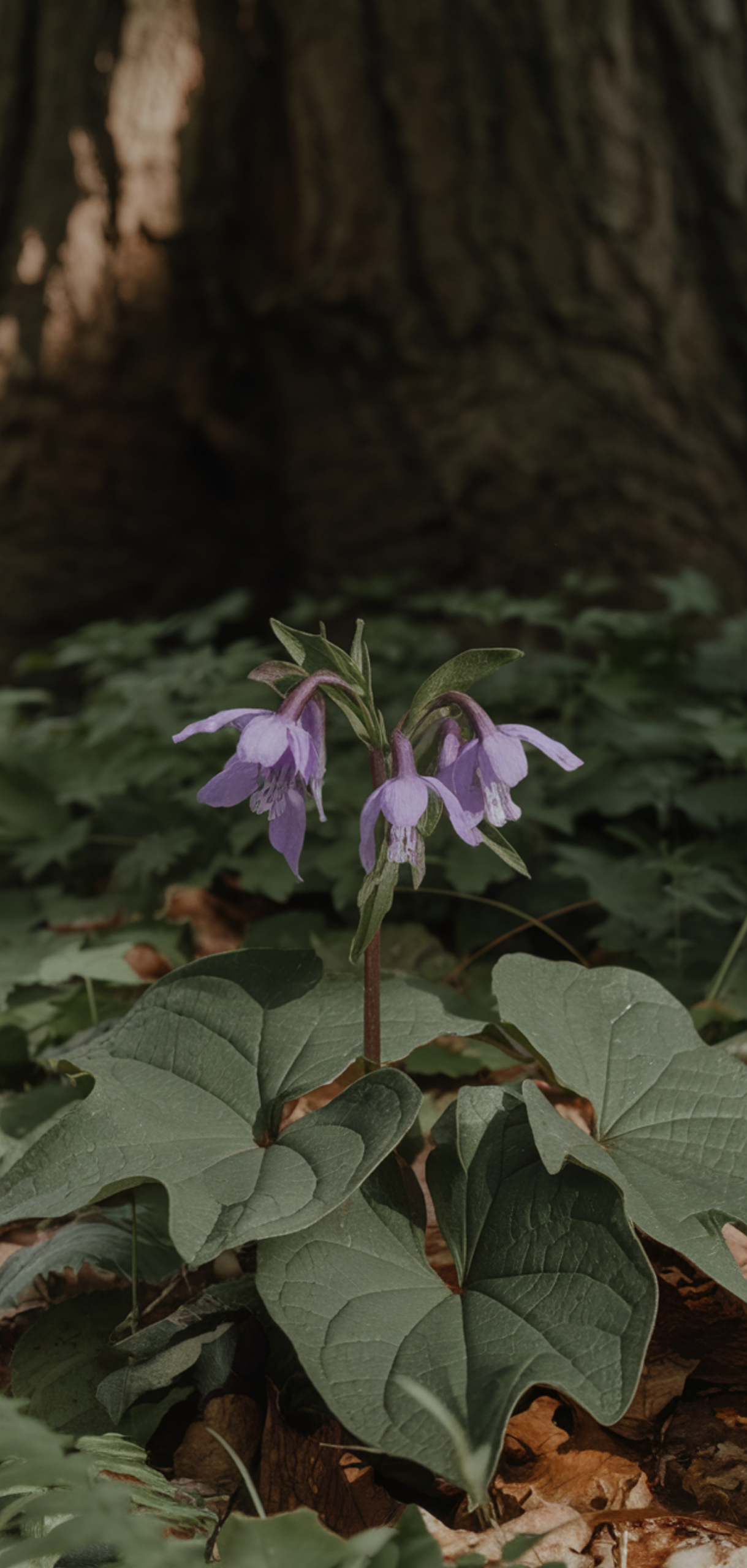
Lungwort brings early spring interest with spotted leaves and clusters of pink, blue, or purple flowers. It prefers shady, moist areas with rich soil.
Shade-Loving Flowers Tip: This hardy plant is perfect for woodland gardens and shaded borders, providing color when other plants have yet to bloom.
4. Hostas
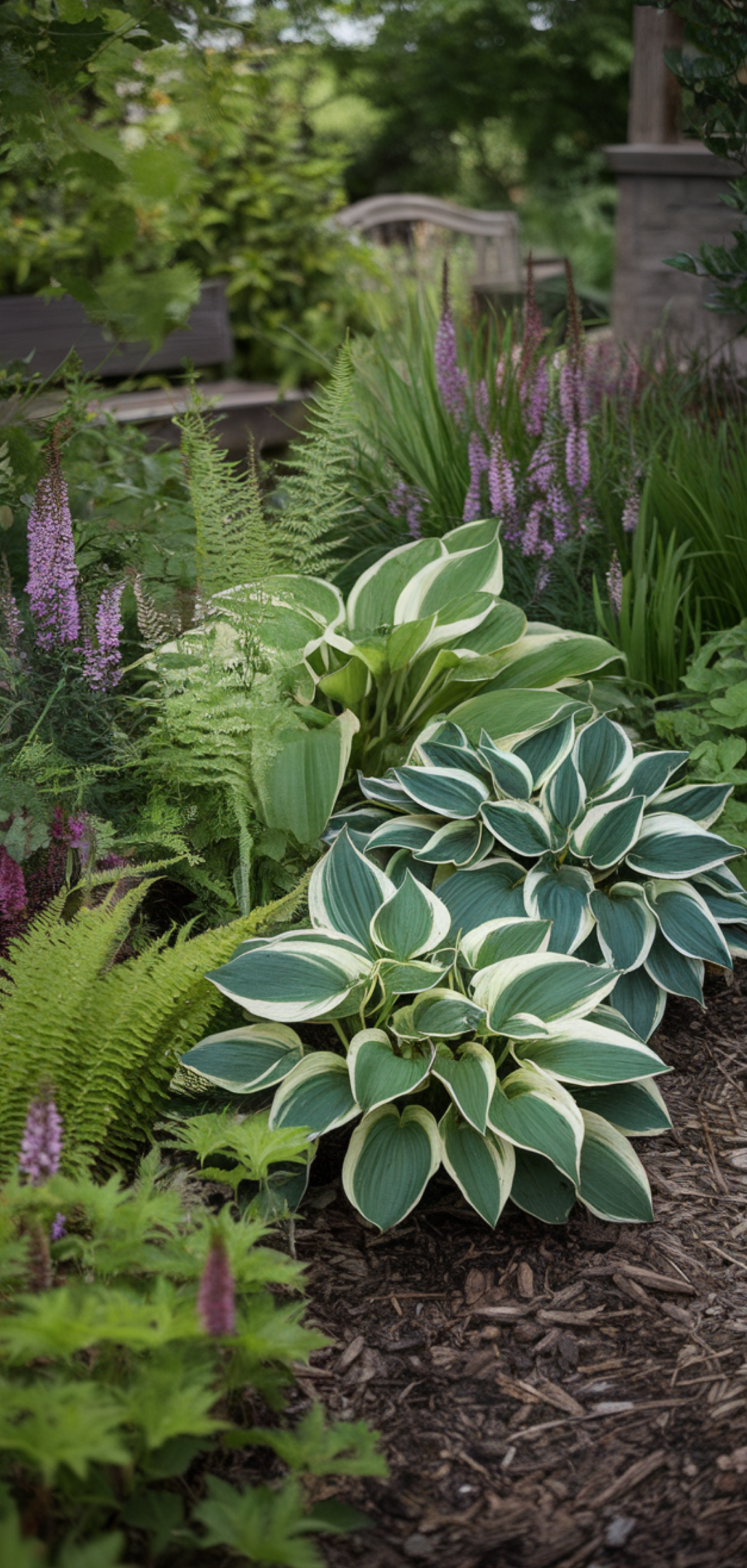
Hostas are shade garden staples known for their lush foliage and subtle flowers. They thrive in partial to full shade and well-draining soil.
Shade-Loving Flowers Tip: With varieties ranging from deep green to variegated leaves, hostas provide structure and fill in empty shaded areas beautifully.
3. Coral Bells (Heuchera)
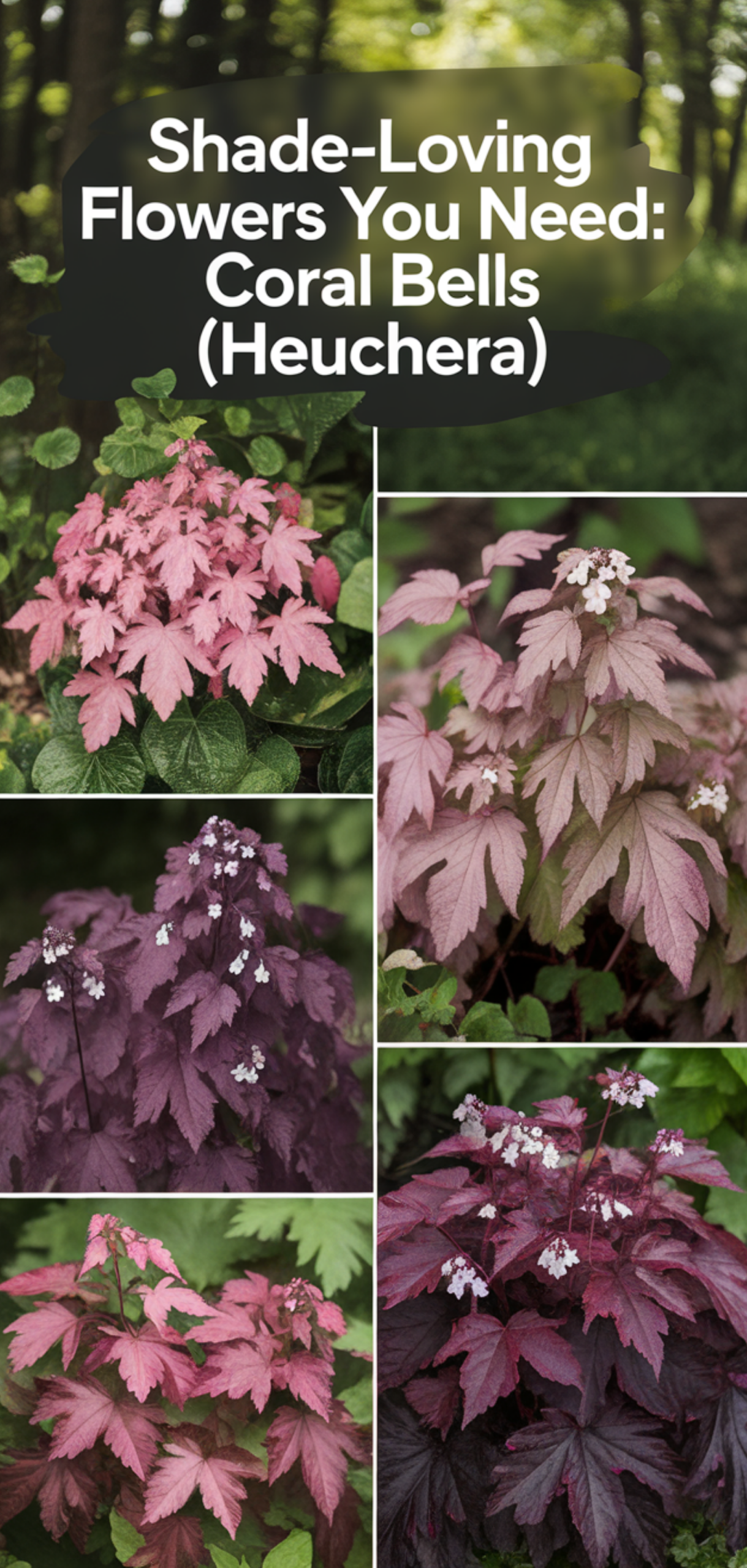
Coral Bells are admired for their colorful foliage, ranging from deep purple to vibrant lime green. They prefer partial shade and moist, fertile soil.
Shade-Loving Flowers Tip: Their delicate flower spikes in late spring add vertical interest, while the leaves provide year-round texture.
2. Lily of the Valley (Convallaria majalis)
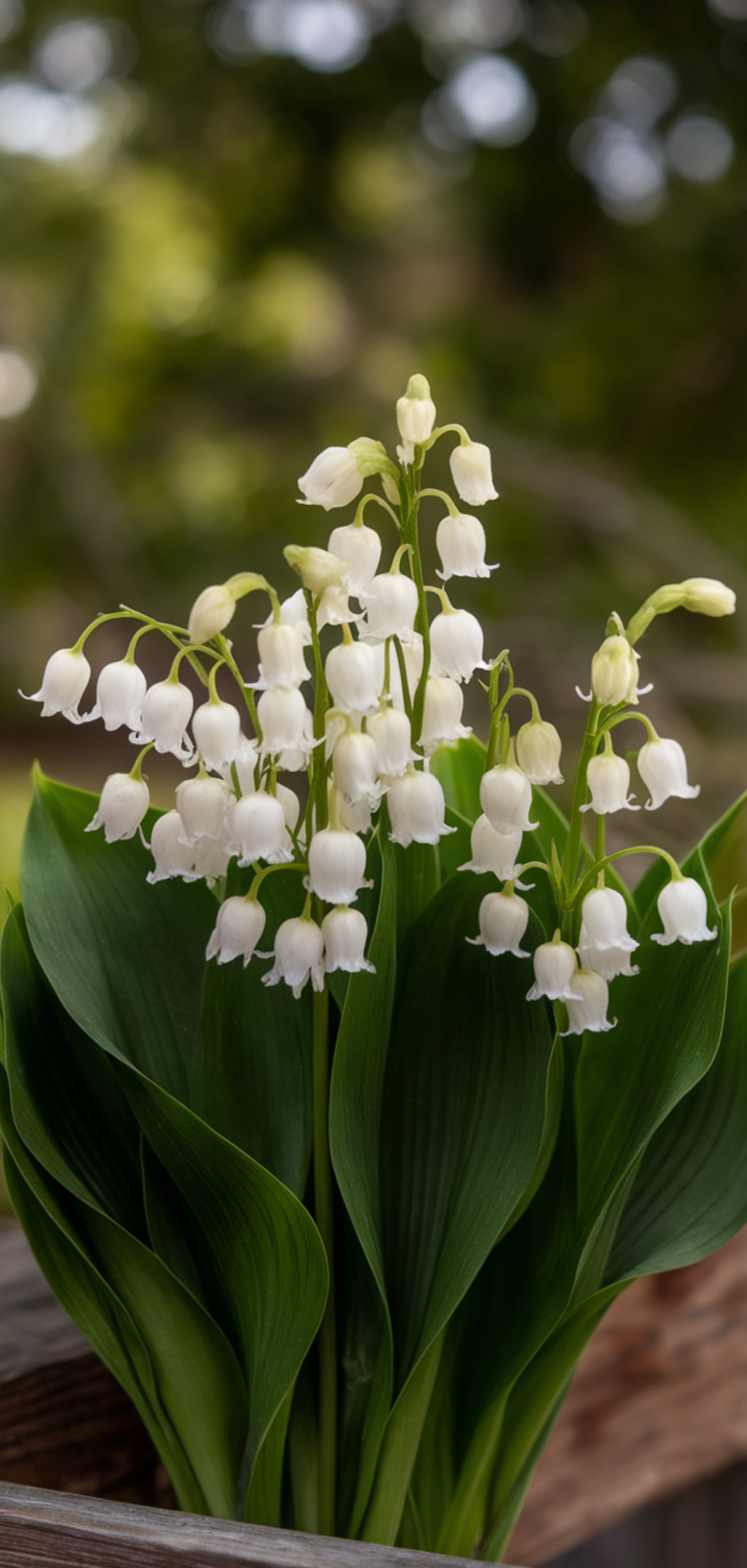
Lily of the Valley produces fragrant, bell-shaped white flowers that thrive in shaded spots. It grows best in humus-rich, moist soil.
Shade-Loving Flowers Tip: This low-growing perennial spreads elegantly, creating a carpet of fragrance and charm in shaded garden beds.
1. Camellia
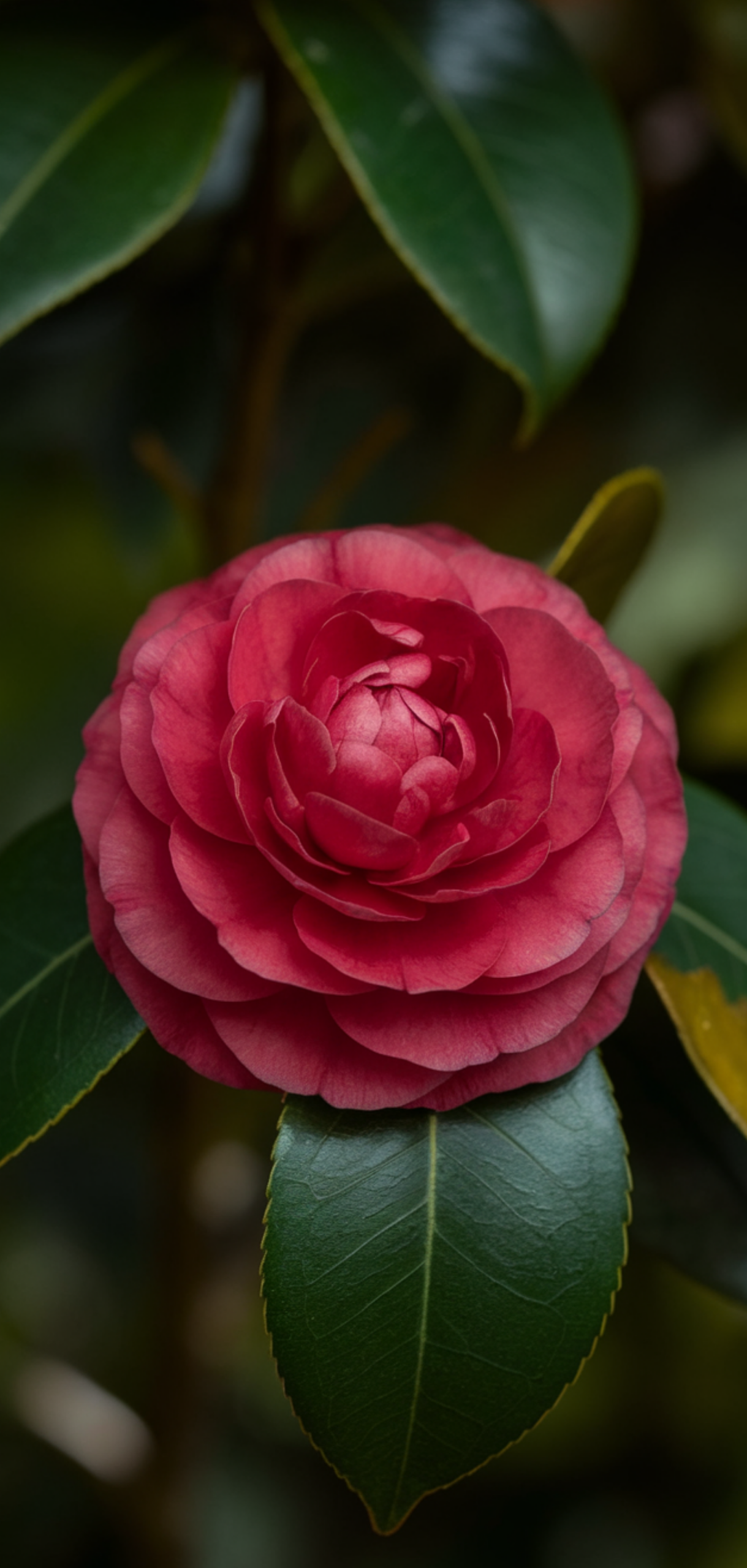
Camellias are evergreen shrubs that flourish in partial shade, producing stunning, rose-like flowers in red, pink, or white. They prefer acidic, well-draining soil and consistent moisture.
Shade-Loving Flowers Tip: Camellias offer year-round greenery and seasonal blooms, making them an essential choice for shade-loving gardens.
Conclusion
Shaded areas of a garden don’t have to be dull or overlooked. By selecting the right shade-loving flowers, such as Camellias, Hostas, Astilbes, and Lily of the Valley, you can transform dark corners into vibrant, colorful spaces full of life and texture. Combining tall focal plants, mid-height layers, and ground covers creates depth and interest, while careful attention to soil, moisture, and light ensures each plant thrives. With these 15 shade-loving flowers, your garden can flourish even in areas that receive little direct sunlight, turning every shadowed space into a thriving, picturesque retreat.