
Join Our Newsletter for Cozy Home Inspiration, Family Fun, and Delicious Recipes Every Week
17 Amazing Medicinal Herb Garden: Plant Ideas and Layout Tips

When the world quiets and shelves grow empty, one simple truth resurfaces: a medicinal herb garden can be more valuable than gold.
For centuries, people have relied on nature’s pharmacy long before modern medicine came to life. Imagine having a small patch of earth filled with plants that soothe burns, calm fevers, fight infections, and ease pain, all without a single trip to the pharmacy.
I recently shared 15 Stunning Dorm Room Inspo To Maximize Small Spaces, but this time, we’re stepping outside to create a garden that heals.
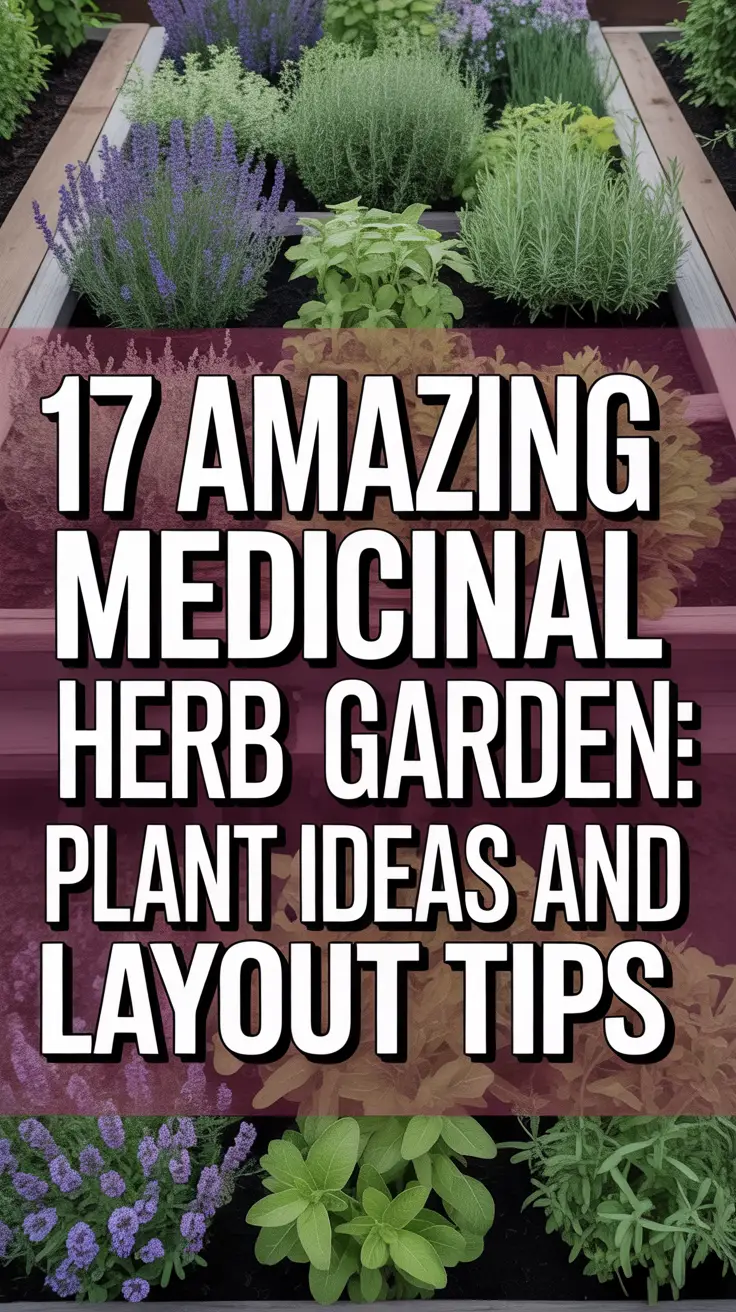
In your medicinal herb garden, start with Aloe Vera, the miracle plant confirmed by clinical trials to have antibacterial, anti-inflammatory, and wound-healing properties.
A dab of its gel can calm burns and speed healing. White Willow Bark, nature’s aspirin, contains salicin, the compound that inspired modern painkillers.
Brew it into tea to ease headaches and inflammation. Then there’s Yarrow (Achillea millefolium), once carried by soldiers to treat wounds; its antiseptic and anti-bleeding qualities are backed by science.
Thyme, eucalyptus, and mint oils combined in a simple Vaseline base can create your own natural VapoRub for congestion relief. Rosemary and lavender, when infused in oil, can soothe muscles and serve as gentle antiseptics.
For those planning a survival-minded or off-grid medicinal herb garden, don’t overlook Ma Huang (Ephedra), an ancient Chinese remedy for asthma, effective when boiled as tea (though it must be used responsibly).
Plantain and self-heal are edible and versatile, aiding digestion and wound recovery. Lamb’s Ear works like a natural bandage, soft, antiseptic, and absorbent.
And remember, garlic isn’t just for flavor; its antibacterial and antifungal powers make it a frontline defense against infections.
Building a medicinal herb garden isn’t just about growing plants; it’s about reclaiming independence. With a handful of seeds, you can create a sanctuary of healing at home.
In times when pharmacies may fail, your garden becomes your safeguard, living proof that nature still provides everything we need to survive and thrive.
17. Chamomile – The Calming Classic
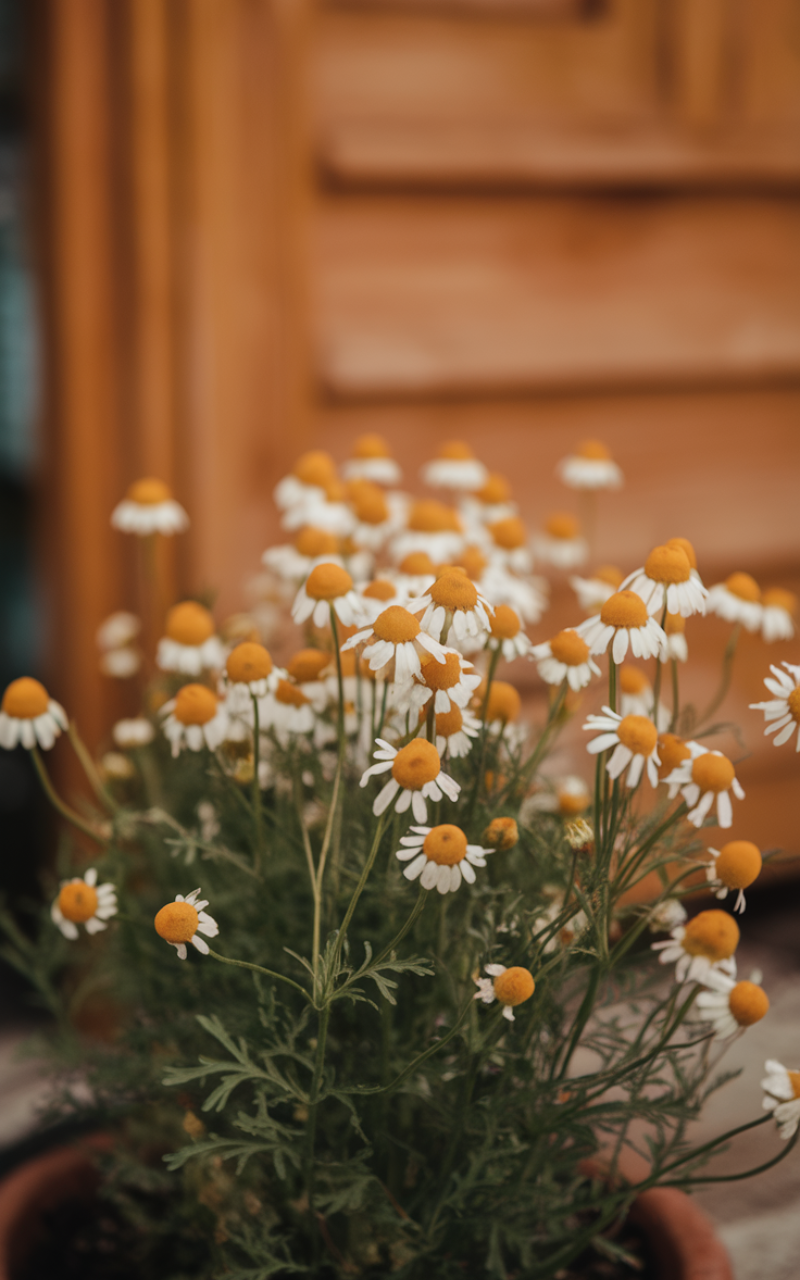
Chamomile is essential for relaxation, aiding sleep and digestion. Plant it in sunny spots with well-drained soil. Its delicate white flowers attract pollinators, enriching your garden ecosystem.
Medicinal Herb Garden Tip: Dry chamomile blossoms to brew gentle teas for anxiety or stomach discomfort.
16. Lavender – Stress Relief and Skin Soother
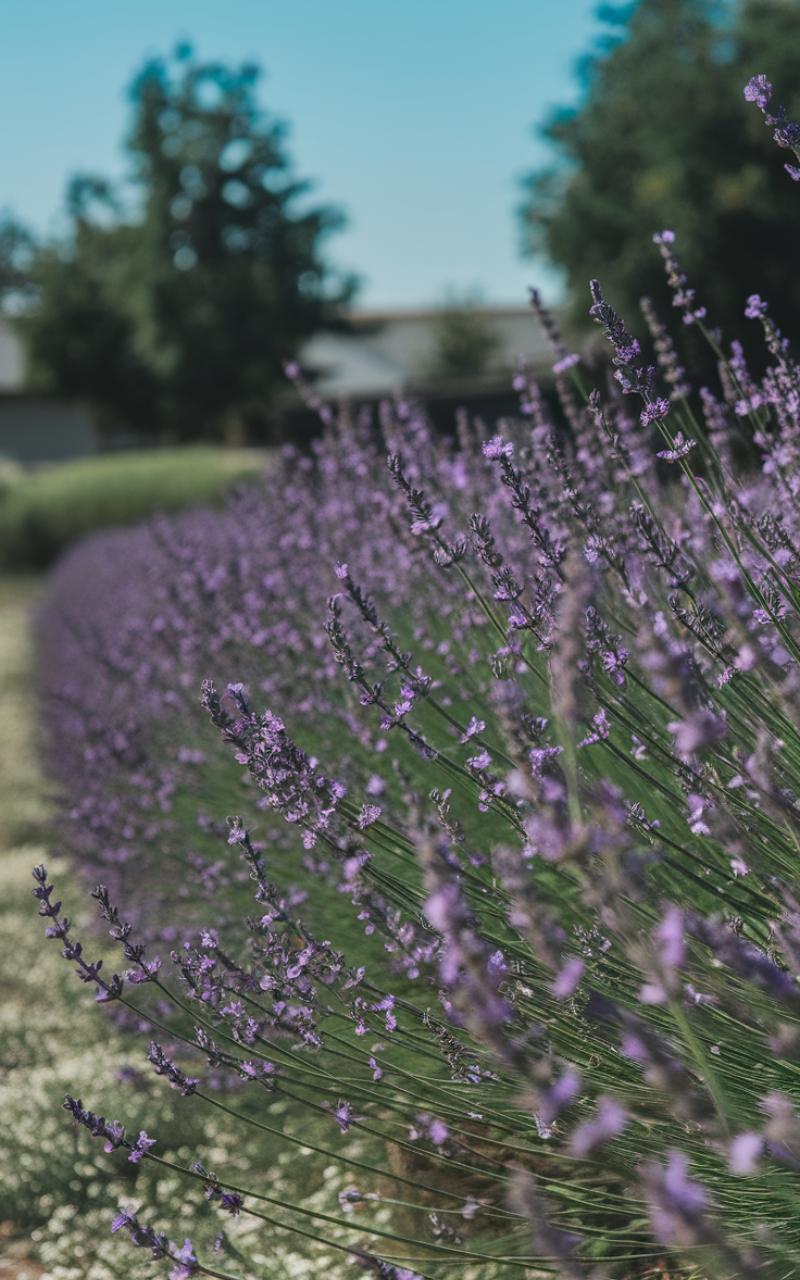
Lavender offers both fragrance and healing. This herb thrives in dry, sunny locations and poor soil, making it low-maintenance.
Medicinal Herb Garden Tip: Use dried lavender in sachets to promote sleep or infuse it into oils for skin healing.
15. Peppermint – Digestive and Cooling Remedy
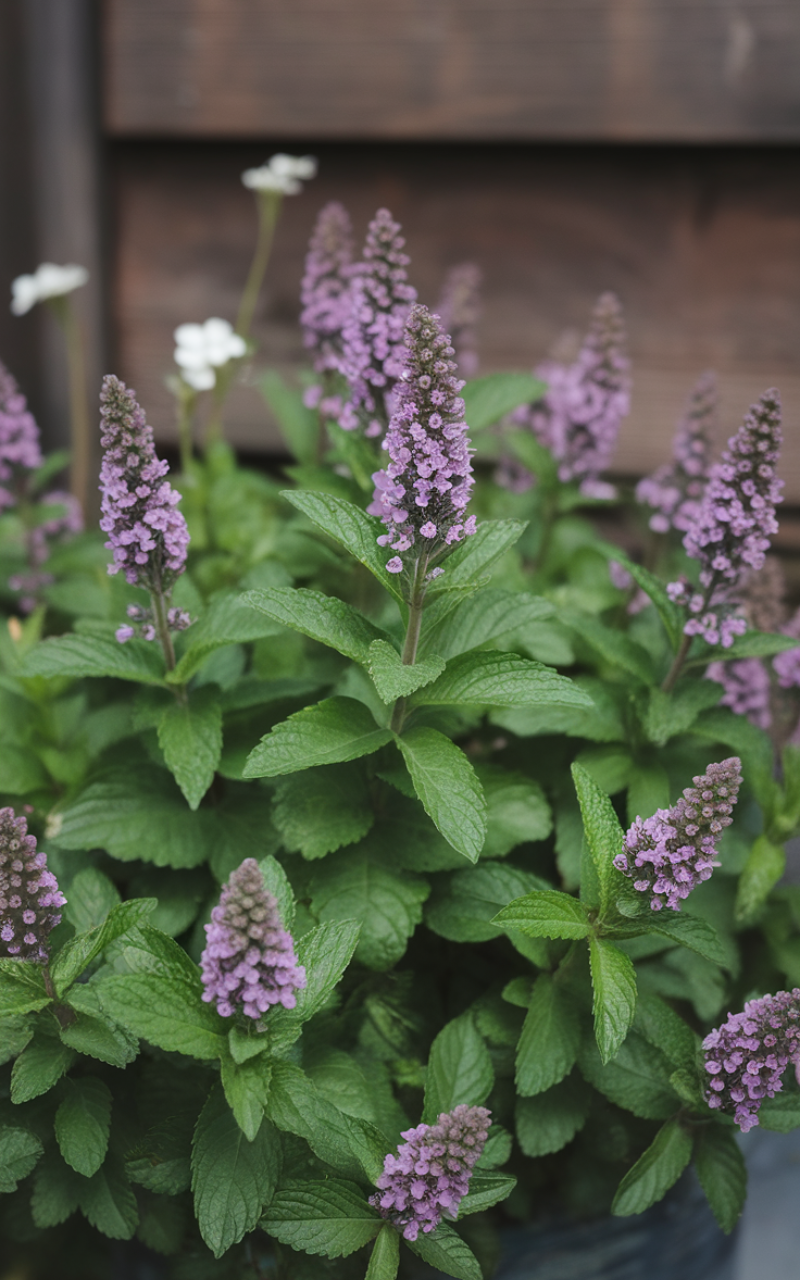
Peppermint spreads rapidly, so plant it in containers to prevent overgrowth. Its refreshing aroma keeps pests away naturally.
Medicinal Herb Garden Tip: Add peppermint leaves to teas for nausea relief and a cooling, refreshing boost.
14. Echinacea – Immune System Booster
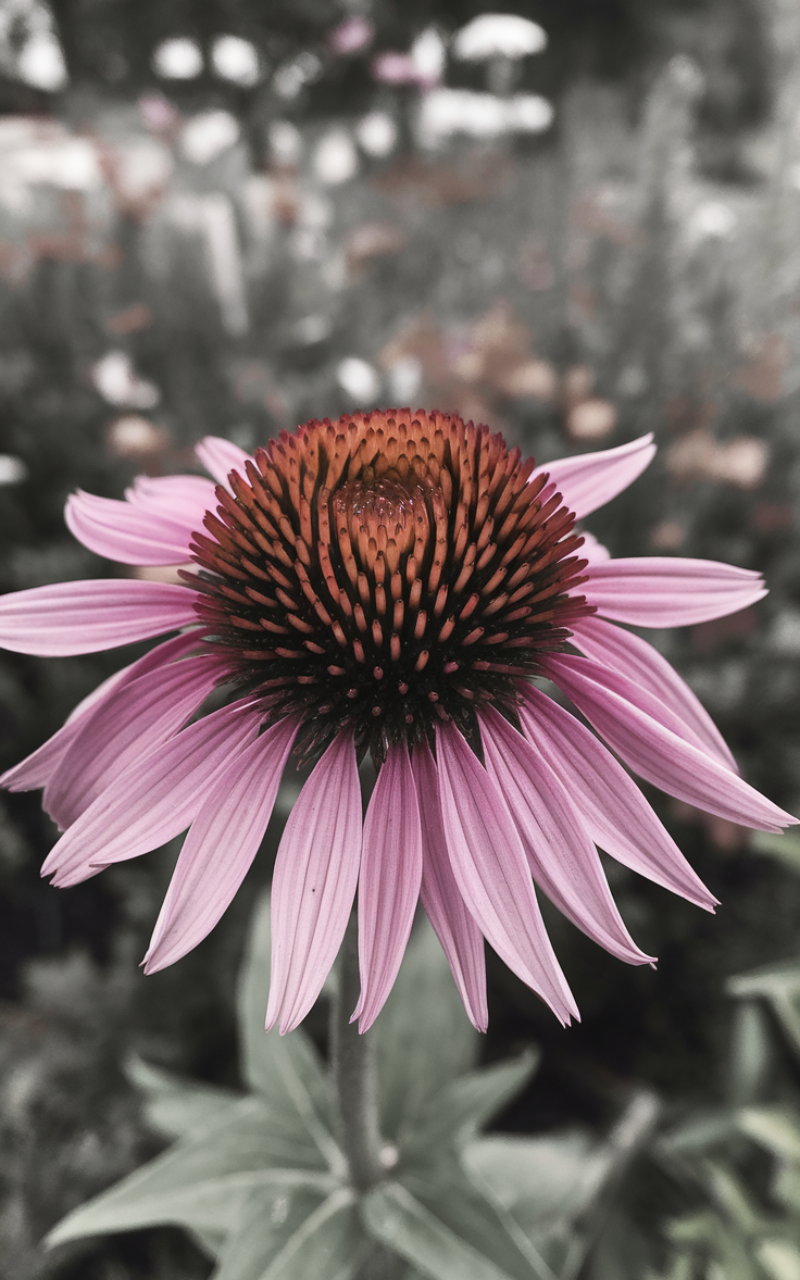
Echinacea’s vibrant purple blooms make it both decorative and functional. It’s a hardy perennial that thrives in full sun.
Medicinal Herb Garden Tip: Harvest roots and petals to make immune-boosting teas or tinctures.
13. Lemon Balm – Uplifting and Antiviral
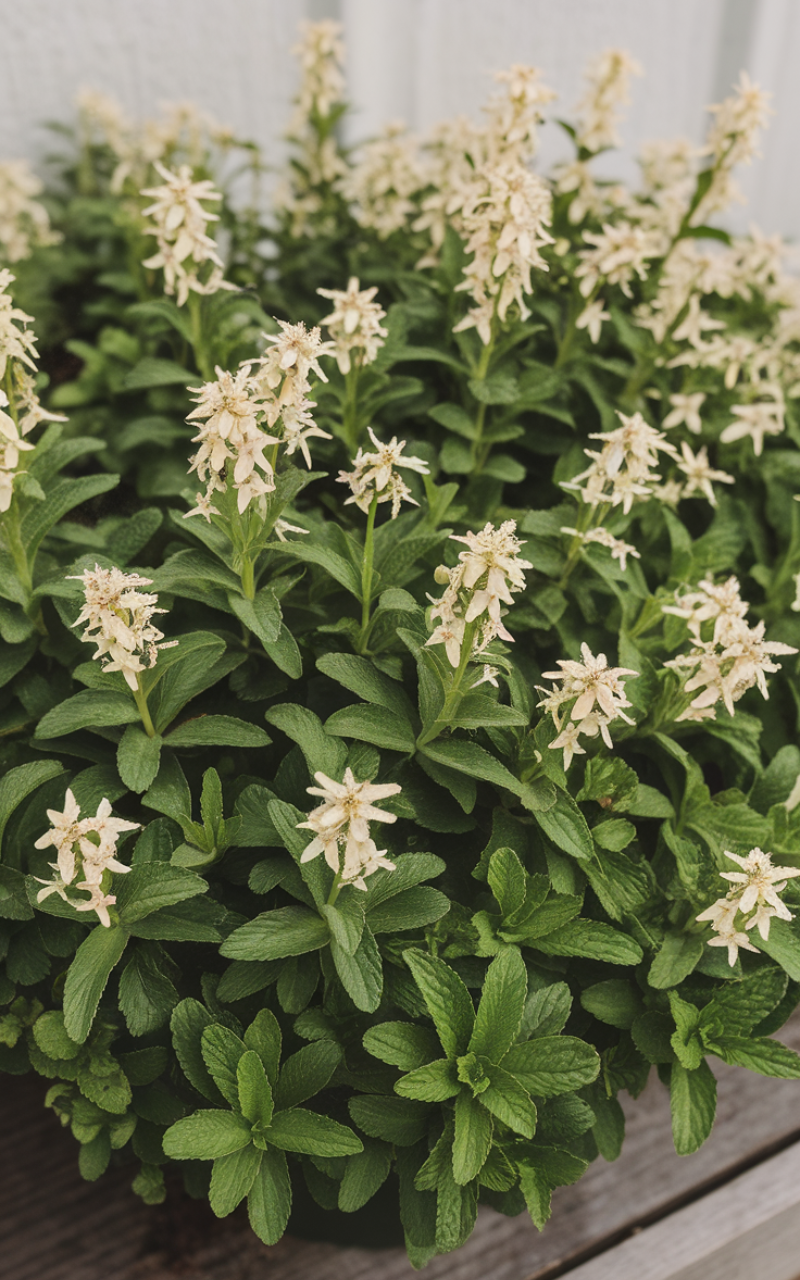
Lemon balm emits a light citrus scent that calms nerves and uplifts mood. It prefers partial shade and moist soil.
Medicinal Herb Garden Tip: Crush fresh leaves for an instant natural mood lift or add to teas for antiviral benefits.
12. Calendula – The Skin Healer
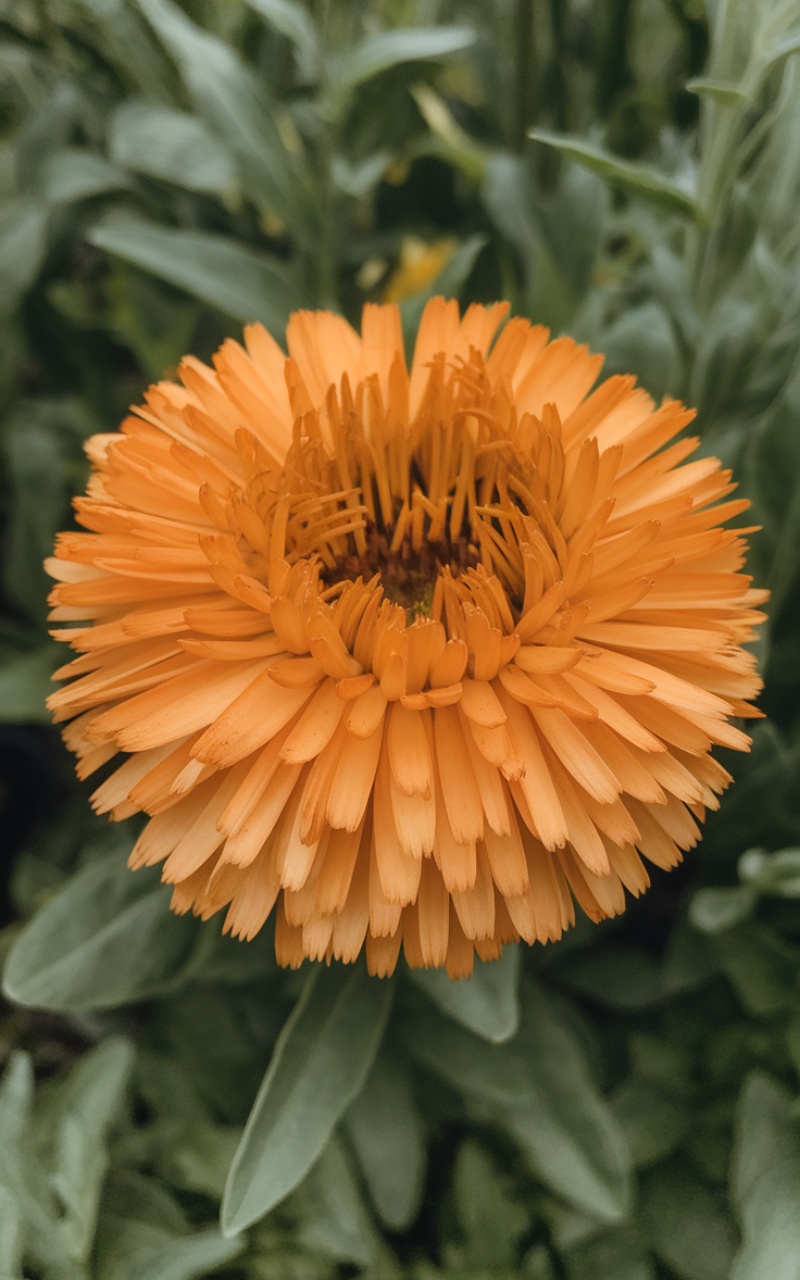
Calendula’s bright orange petals are ideal for soothing wounds and inflamed skin. It grows best in sunny spots.
Medicinal Herb Garden Tip: Use petals in balms or oils to heal cuts, burns, and rashes.
11. Sage – Cleansing and Respiratory Support
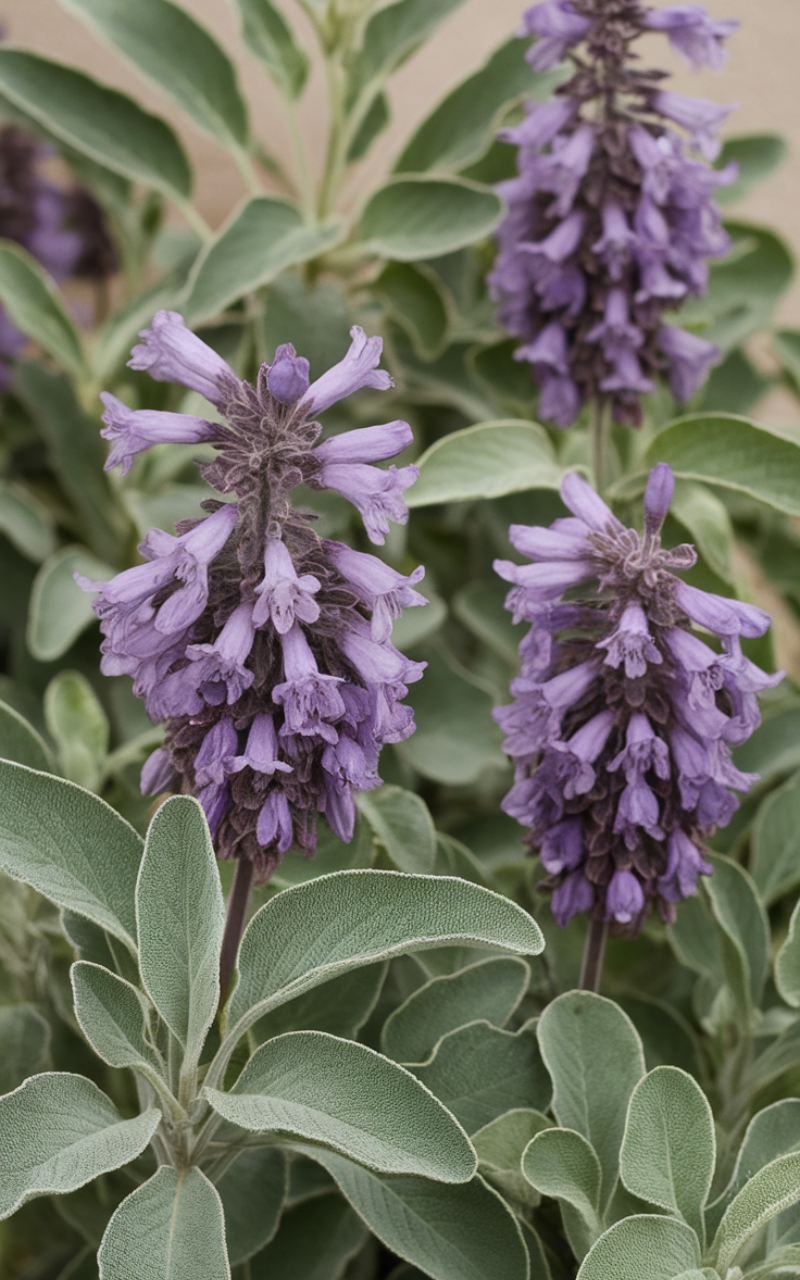
Sage is a hardy perennial that thrives in well-drained soil and full sun. It’s known for its cleansing properties.
Medicinal Herb Garden Tip: Brew sage tea for sore throats or burn dried leaves for natural air purification.
10. Rosemary – Memory and Circulation Aid
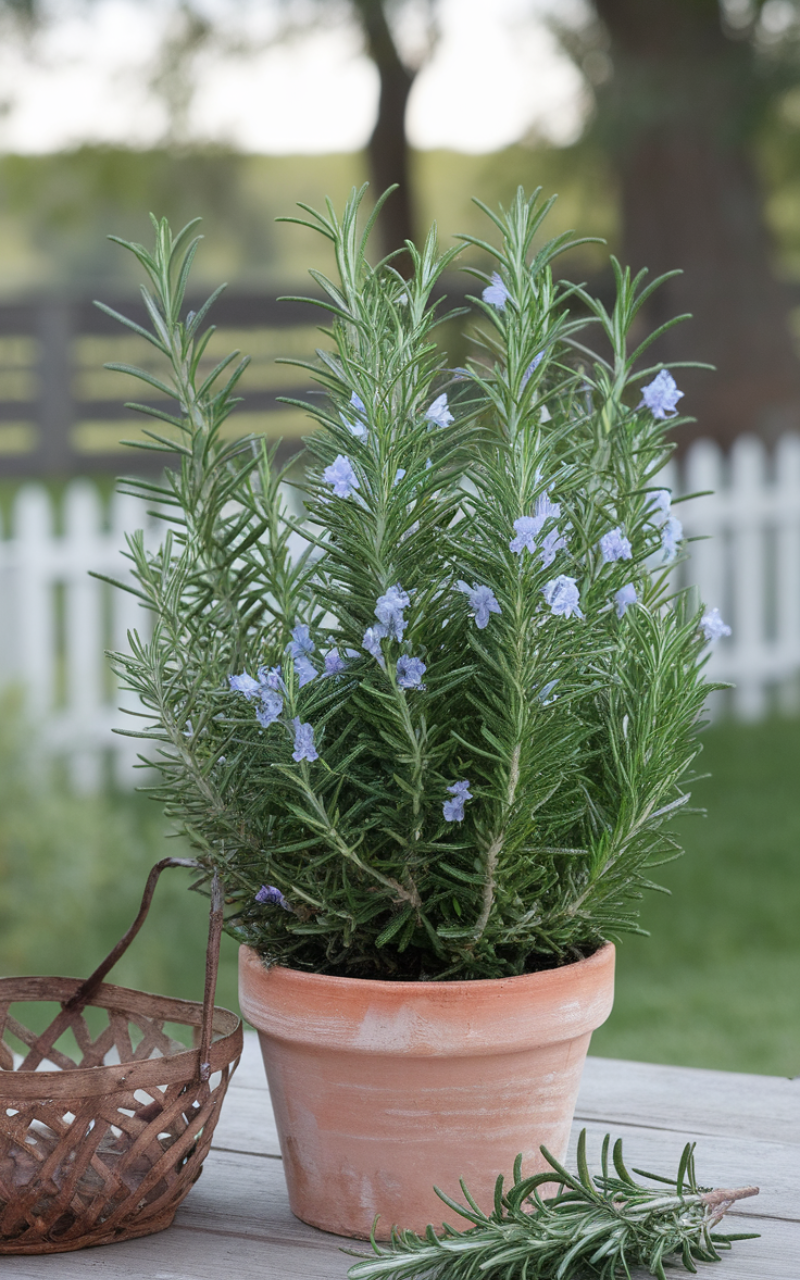
Rosemary symbolizes remembrance and boosts mental clarity. It thrives in warm, sunny climates.
Medicinal Herb Garden Tip: Infuse rosemary in oil for scalp massages to stimulate circulation and hair growth.
9. Thyme – Antibacterial and Respiratory Herb
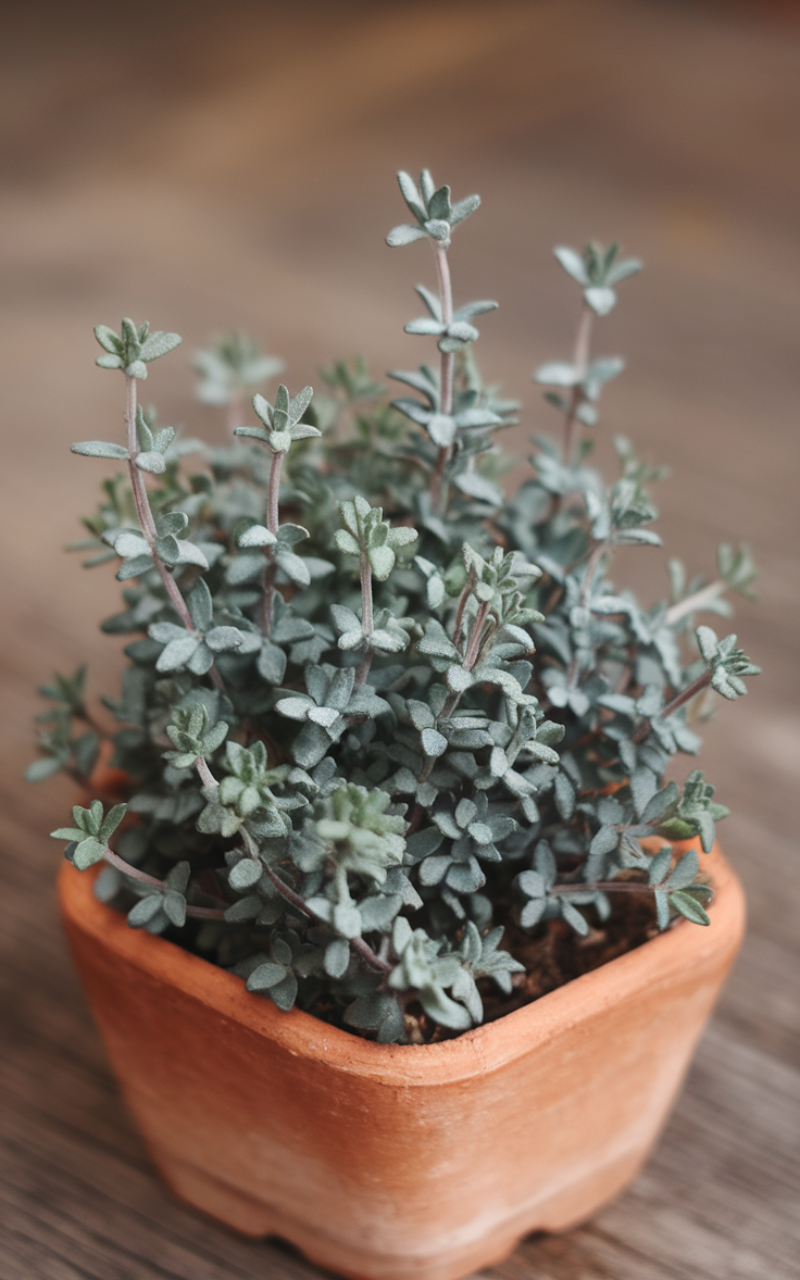
Thyme is a small but powerful herb known for its antibacterial properties. It grows well in dry, rocky soil.
Medicinal Herb Garden Tip: Add to steam inhalations for coughs and congestion relief.
8. Yarrow – The Wound Healer
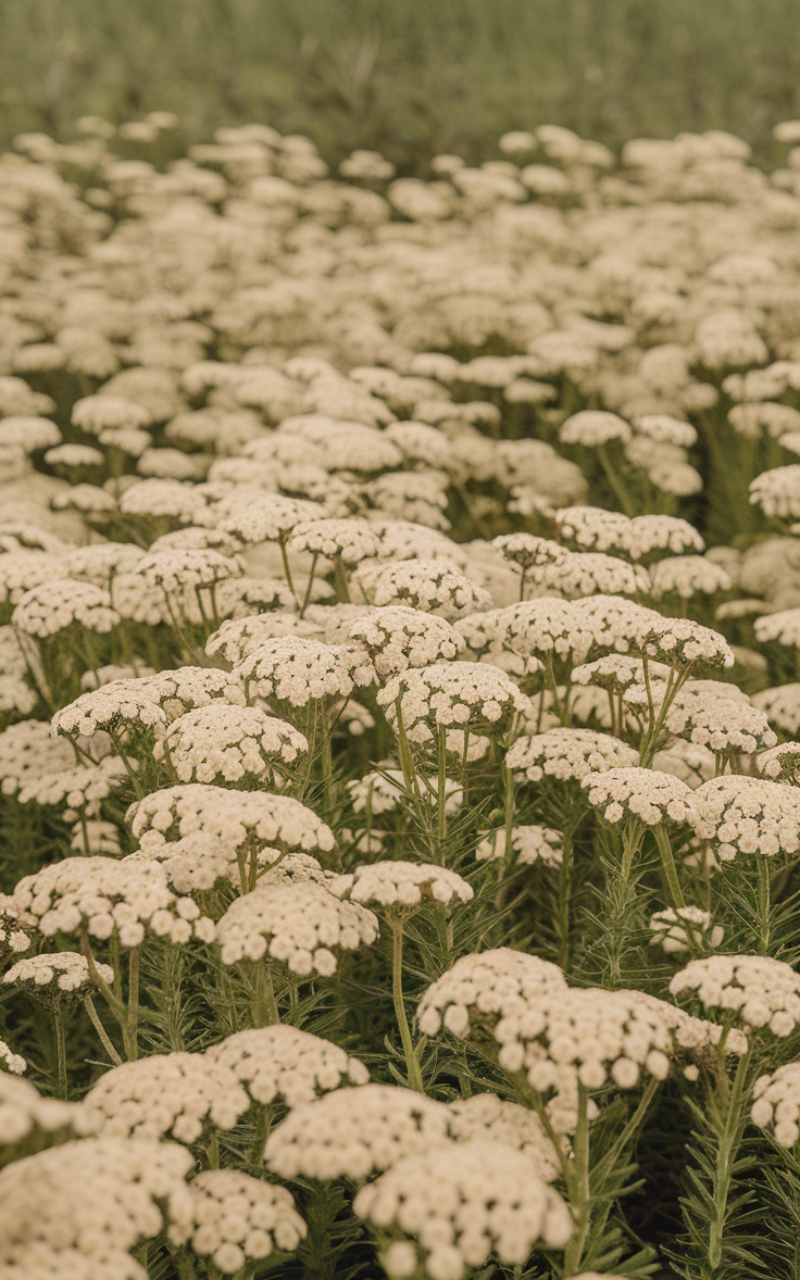
Yarrow helps stop bleeding and promotes faster healing. It’s a resilient perennial that prefers full sun.
Medicinal Herb Garden Tip: Apply crushed leaves to minor cuts or use in salves to treat bruises.
7. Holy Basil (Tulsi) – Adaptogen for Stress
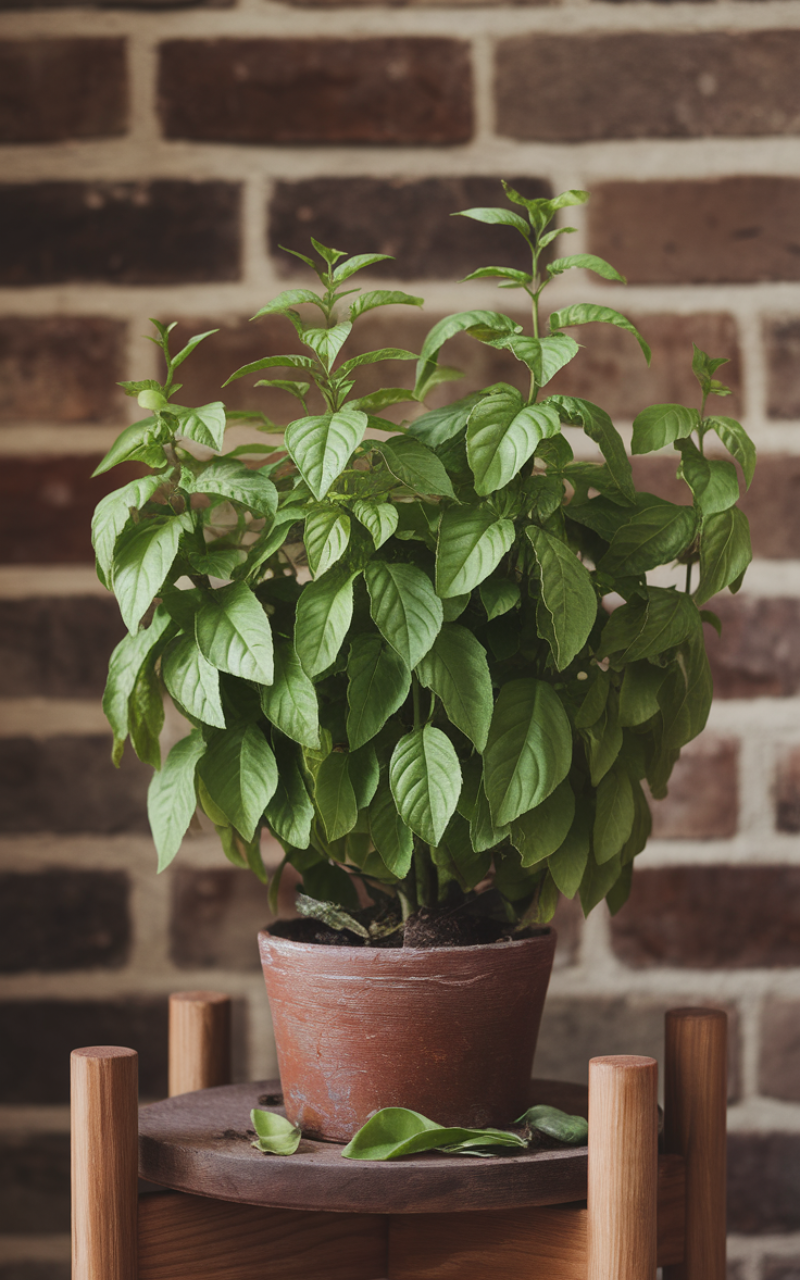
Holy basil is revered for its adaptogenic qualities that balance stress and energy. It thrives in warm conditions.
Medicinal Herb Garden Tip: Drink tulsi tea daily to support immunity and reduce anxiety.
6. St. John’s Wort – Natural Mood Lifter
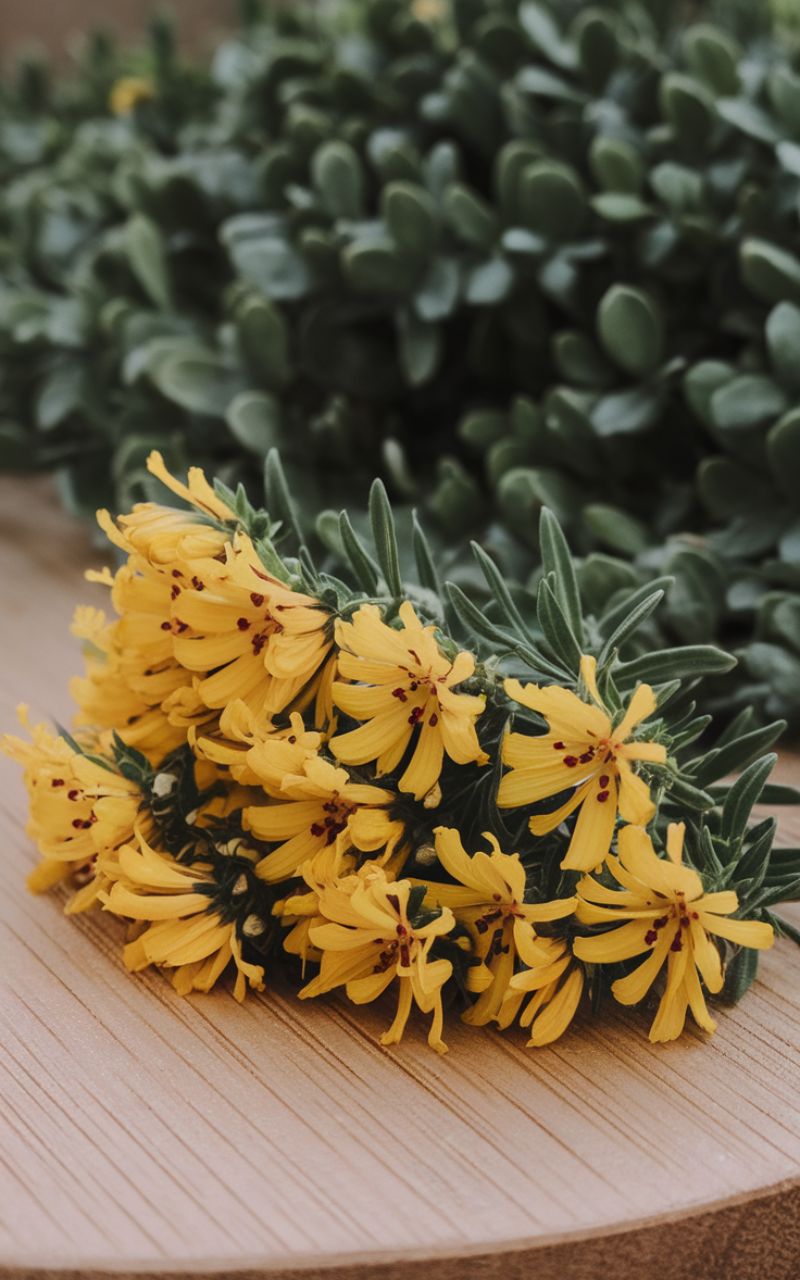
This sun-loving herb supports emotional well-being and helps alleviate mild depression.
Medicinal Herb Garden Tip: Use infused oil topically for nerve pain or bruises.
5. Valerian – Sleep and Relaxation Herb

Valerian root is known for its strong calming effects and ability to support sleep.
Medicinal Herb Garden Tip: Harvest roots in autumn for tinctures or bedtime teas.
4. Aloe Vera – The Skin Savior
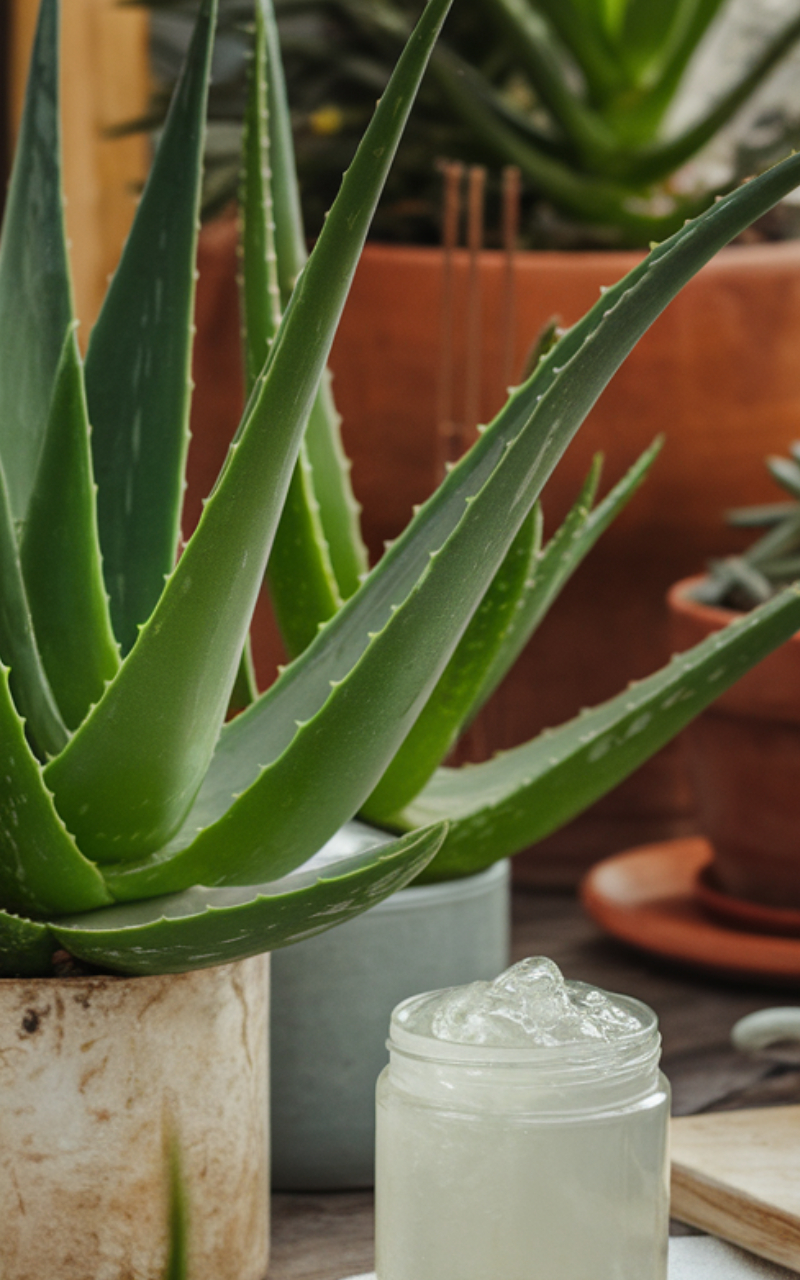
Aloe vera is perfect for burns, cuts, and hydration. It thrives in dry, sunny environments and requires minimal care.
Medicinal Herb Garden Tip: Use the gel directly from leaves for soothing and moisturizing skin.
3. Comfrey – Tissue Repair Herb
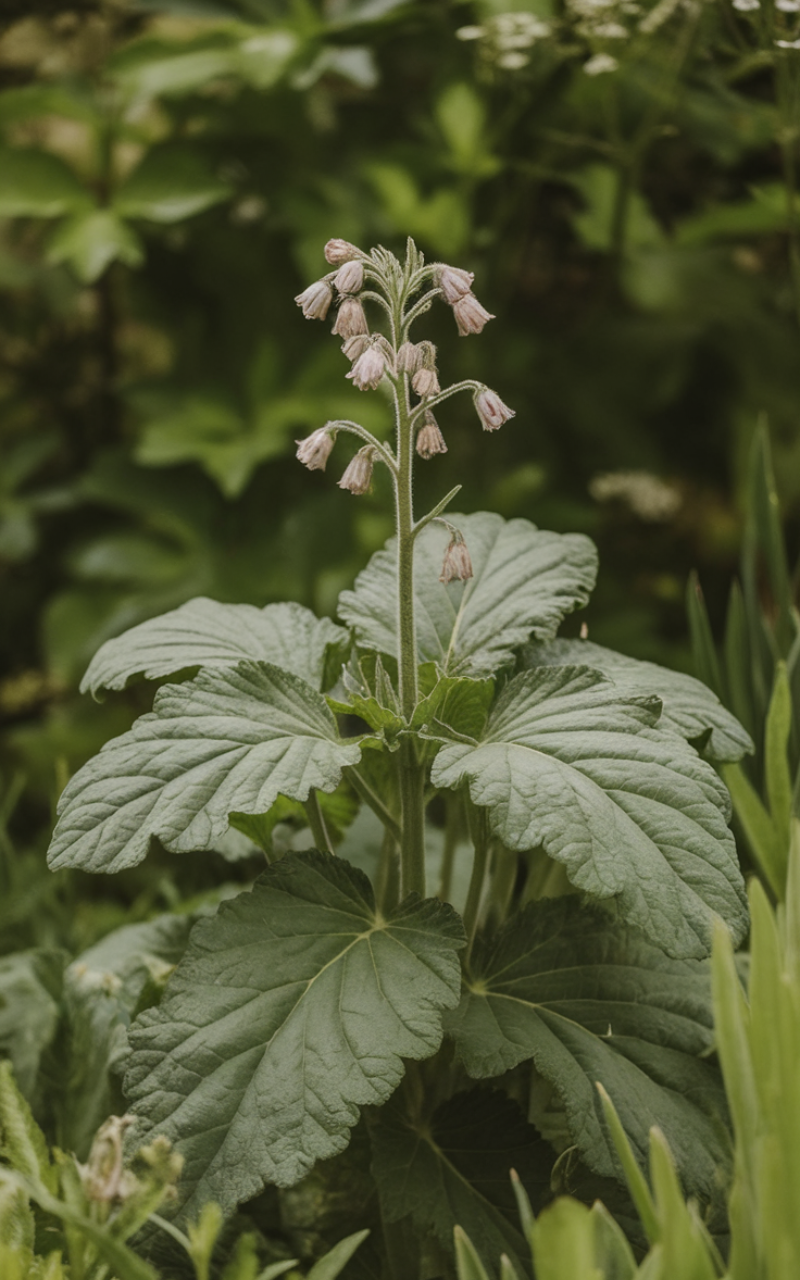
Comfrey promotes cell regeneration and wound healing. It prefers rich, moist soil.
Medicinal Herb Garden Tip: Create a poultice from leaves to treat sprains and bruises.
2. Dandelion – Detox and Digestion Support
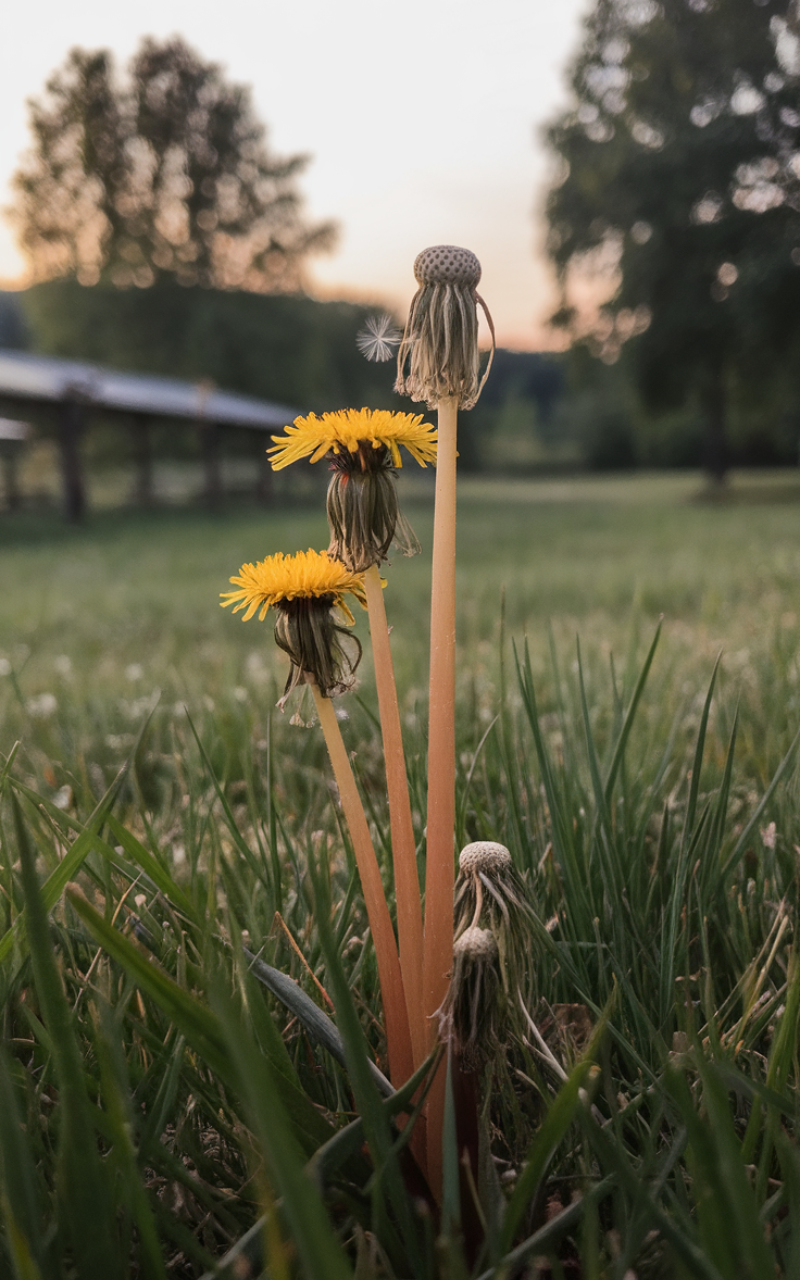
Often seen as a weed, dandelion is rich in minerals and supports liver detoxification.
Medicinal Herb Garden Tip: Use roasted roots as a caffeine-free coffee alternative.
1. Garlic – Natural Antibiotic
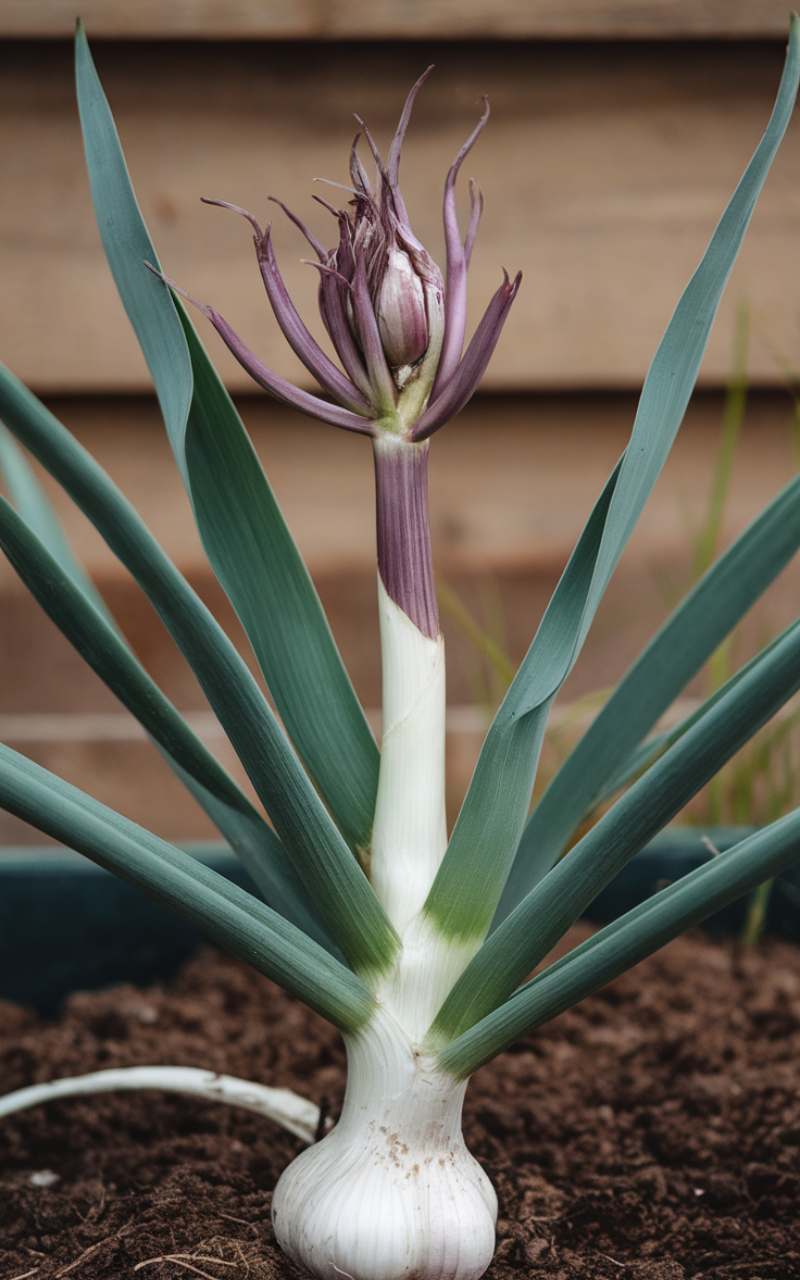
Garlic is a powerful antibacterial and antifungal herb. It thrives in sunny spots with fertile soil.
Medicinal Herb Garden Tip: Eat raw cloves to strengthen immunity and fight infections naturally.
Conclusion
Building a medicinal herb garden offers more than just beauty; it’s a natural pharmacy at your doorstep. By growing these 17 powerful herbs, we can create remedies for stress, sleep, immunity, and skin care. With thoughtful design and nurturing, your garden becomes a sustainable space for wellness and healing, season after season.