
Join Our Newsletter for Cozy Home Inspiration, Family Fun, and Delicious Recipes Every Week
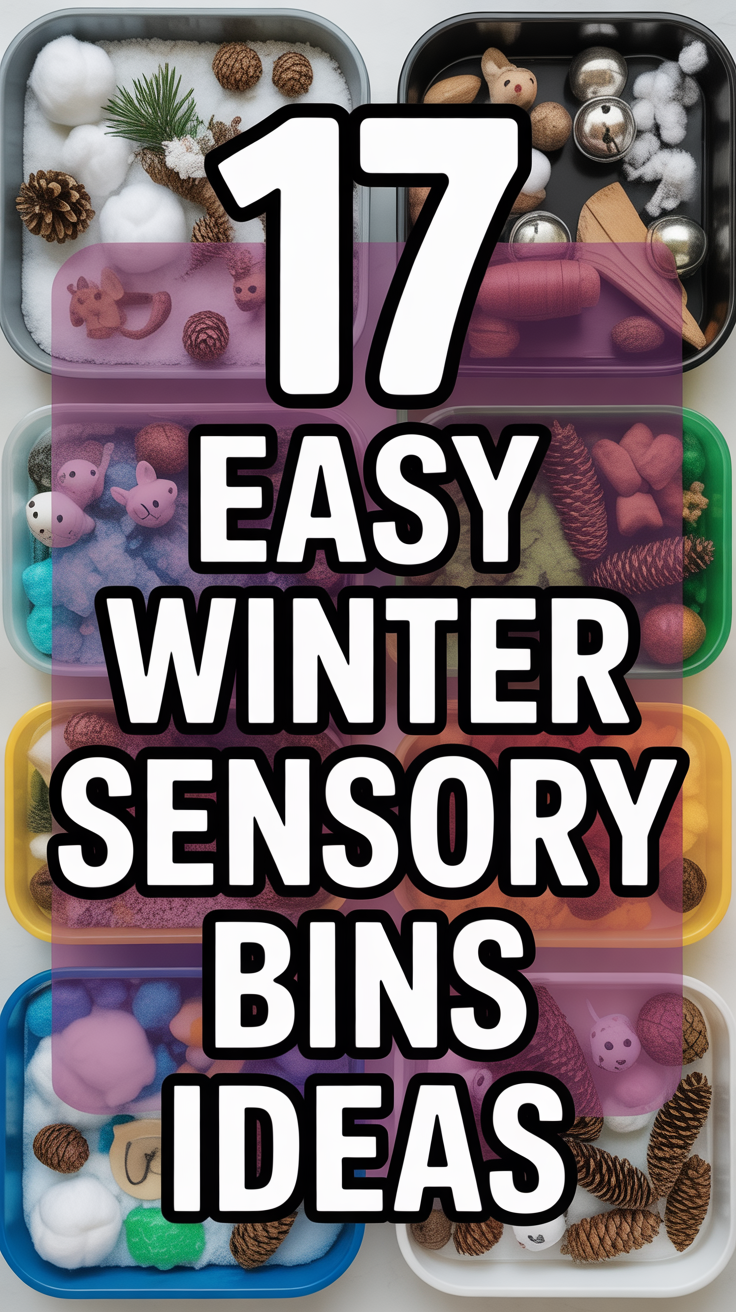
17 Easy Winter Sensory Bins Ideas

When I first heard about Winter Sensory Bins, I thought, How hard could it be? I had a one-year-old, full of energy, curiosity, and the occasional tendency to put everything in her mouth.
We were planning to homeschool eventually, and I wanted to start early with activities that were fun but meaningful. Traditional curricula were too advanced for her age, so sensory play seemed perfect, especially since I wanted to keep things low-cost and non-toxic.
The problem? I had no idea where to start. Pinterest boards were overwhelming, and every blog seemed to suggest a different “must-have” filler or bin setup.
At first, my attempts were a beautiful disaster. Dried beans ended up across the kitchen floor, and my daughter was far more interested in tossing the “snowy” rice around than exploring it.
I remember one day she dumped her entire sensory bin, then gleefully rolled in it like she was making snow angels, except it was flour and cornstarch. Still, in that mess, I saw her joy.
I realized sensory bins weren’t about perfection or Instagram-worthy setups; they were about giving her the freedom to explore textures, colors, and sensations safely. That’s when I started simplifying.
I swapped beans for rigatoni pasta, water with ice cubes, and even experimented with colored cereal and pom-poms. The cleanup became manageable, and the fun multiplied.
Now, Winter Sensory Bins have become a seasonal tradition in our home. We fill them with “snow” made from cornstarch and baking soda, toss in tiny trucks, arctic animals, and scoops from the thrift store.
It’s an easy, hands-on way for her to learn and play, no screens, no toxins, and no pressure. Pinterest and blogs like Busy Toddler and Mrs.
Plemons Kindergarten helped me see that the best sensory play doesn’t need to be fancy; it just needs to be thoughtful.
I’ve even shared some of my own favorite sensory ideas over on my article 15 Best Olive Green Bedroom Ideas, if you’re looking for cozy home inspiration that matches the calm vibe of playtime spaces.
In the end, what started as a chaotic, messy experiment became one of our favorite learning routines.
Winter Sensory Bins turned out to be more than just a play activity; they became a quiet way for my daughter to explore, learn, and grow right in our kitchen, one scoop of (fake) snow at a time.
17. Snowy Arctic Adventure Bin
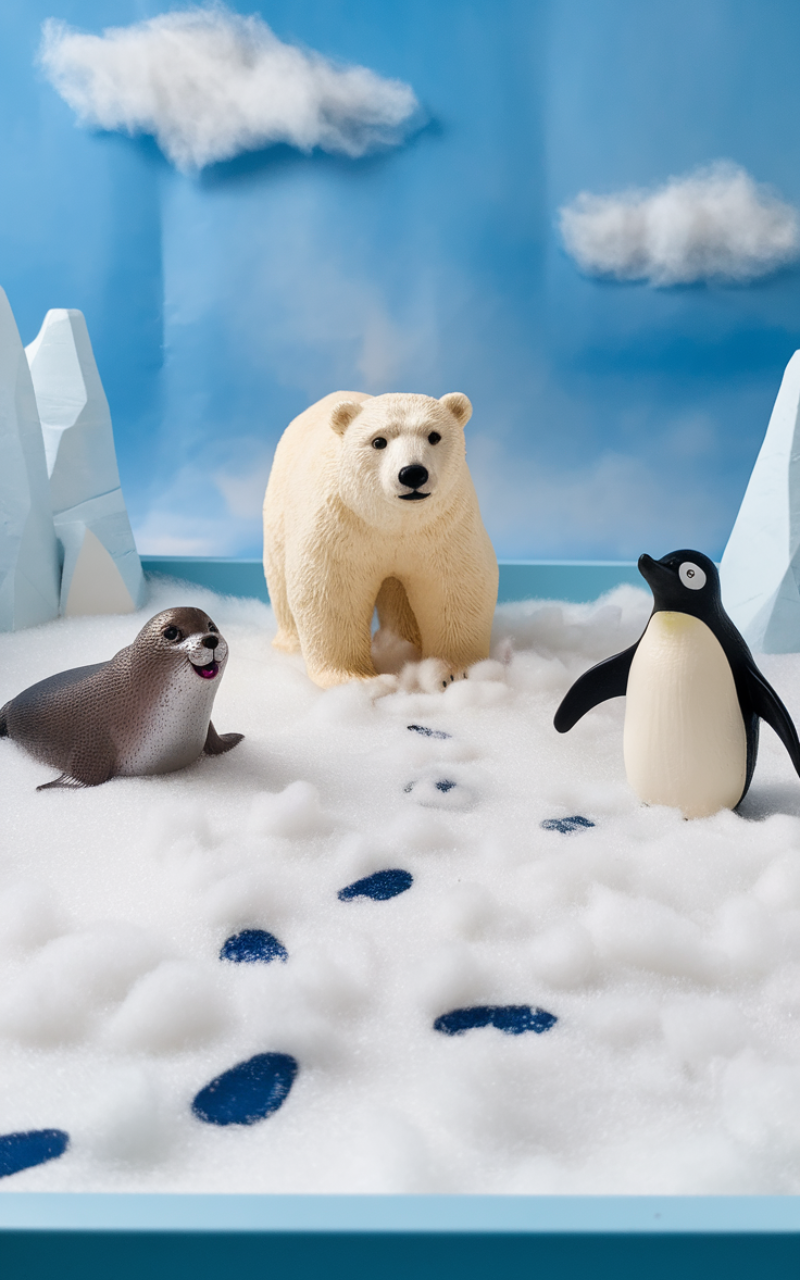
Create an icy wonderland using cotton balls, white rice, or instant snow. Add toy polar bears, seals, and penguins.
Winter Sensory Bins Tip: Freeze small ice cubes with blue food coloring to mimic icebergs and include spoons or tongs for scooping challenges.
16. Frozen Treasure Hunt Bin
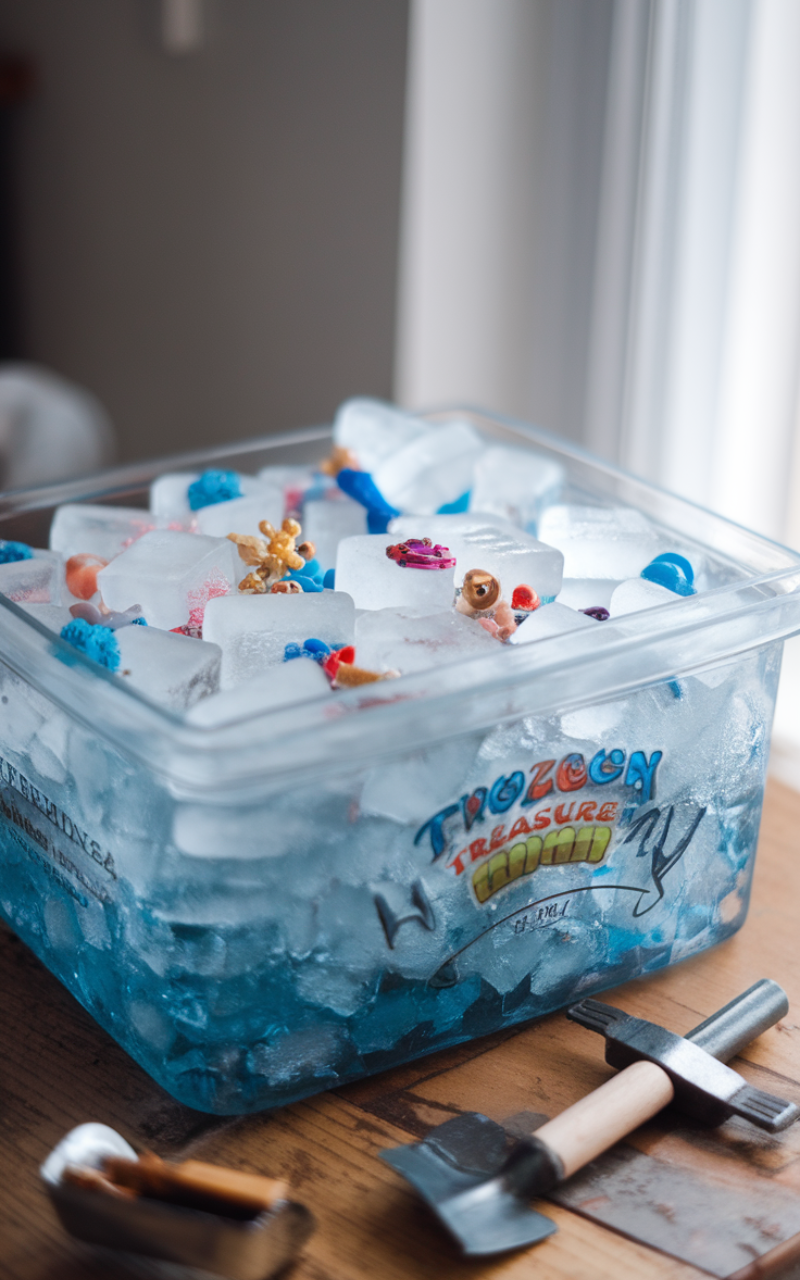
Fill a container with ice cubes containing small toys, beads, or gems. Kids use tools to excavate their “frozen treasures.”
Winter Sensory Bins Tip: Provide warm water droppers or salt shakers to encourage melting through experimentation.
15. Winter Wonderland Rice Bin
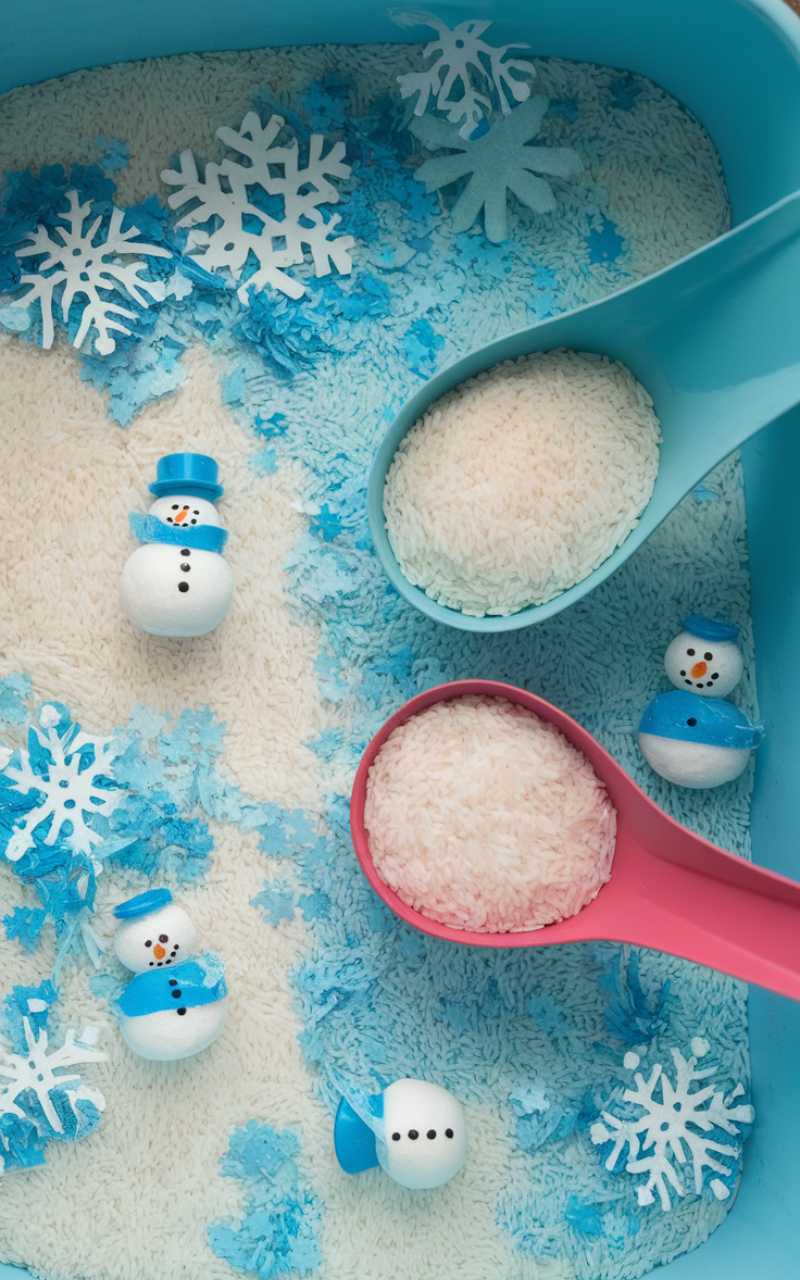
Dye white rice light blue using food coloring and vinegar. Add snowflake confetti, small snowmen, and scoops.
Winter Sensory Bins Tip: Mix in different textures, pom-poms, cotton balls, and buttons for extra sensory variety.
14. Pinecone and Evergreen Exploration Bin
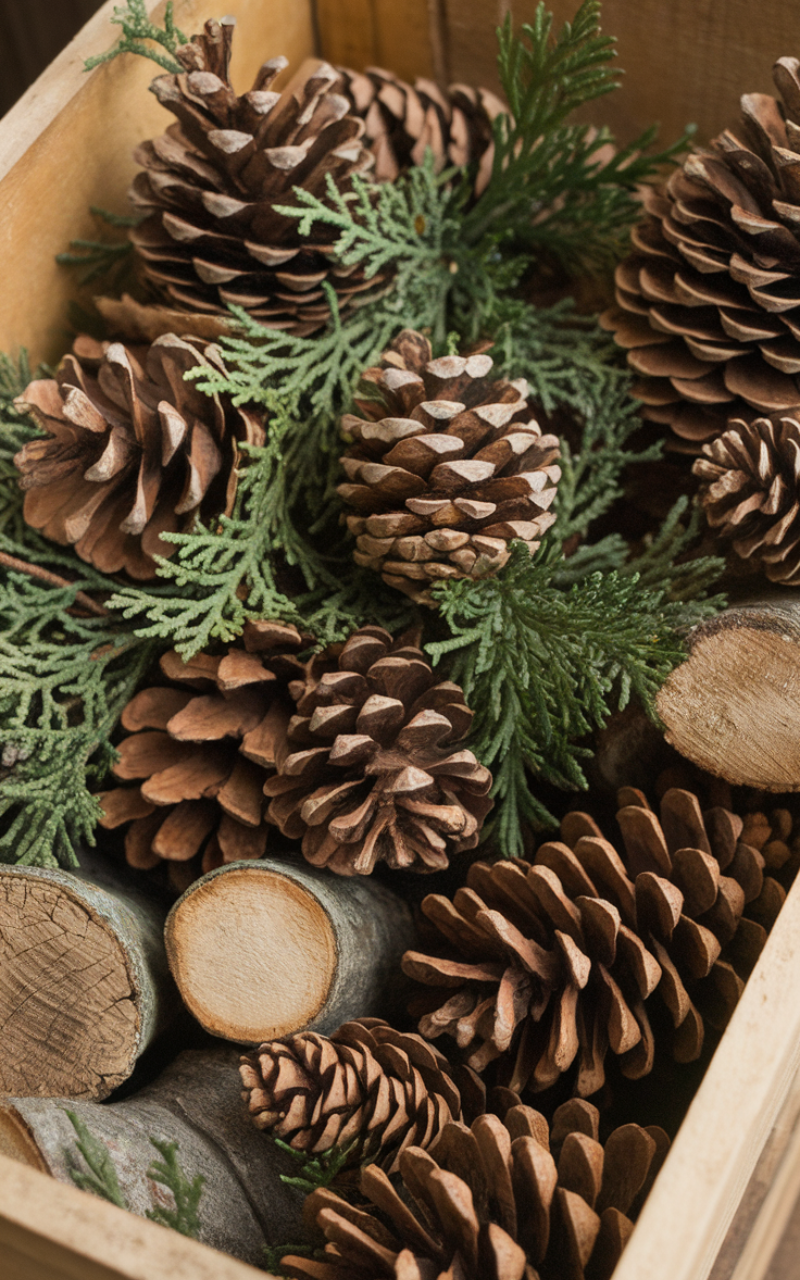
Combine pinecones, evergreen sprigs, and small logs for a nature-inspired sensory experience.
Winter Sensory Bins Tip: Add a few drops of pine essential oil for a natural winter scent and let kids explore textures with magnifying glasses.
13. Snowball Fight Bin
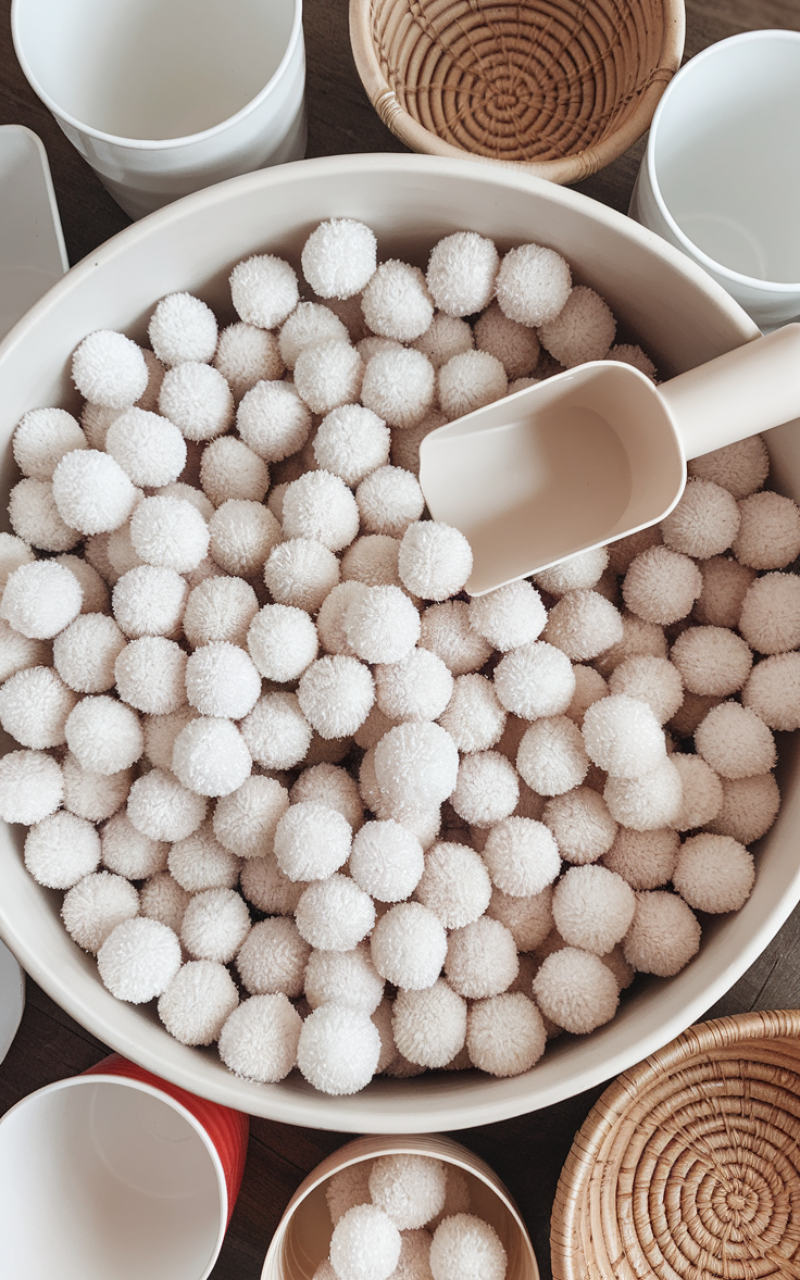
Fill a bin with soft white pom-poms to resemble snowballs. Include scoops, cups, and baskets for playful sorting.
Winter Sensory Bins Tip: Add small tongs for fine motor practice or introduce a counting game to make learning fun.
12. Sparkly Snow Bin
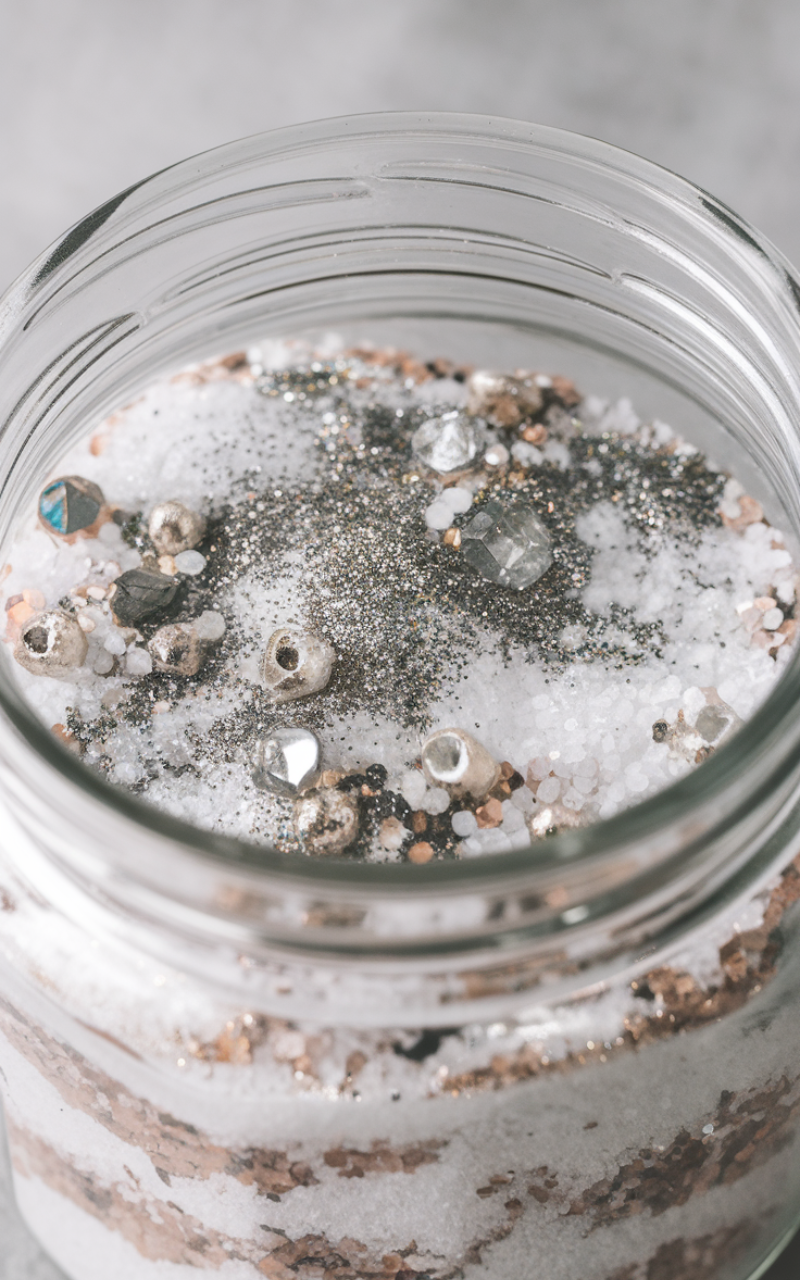
Use Epsom salt or white sand for a glittering snow effect. Mix in silver glitter and shiny gems.
Winter Sensory Bins Tip: Pair with flashlights to let kids explore how light reflects off the sparkly materials.
11. Hot Cocoa Play Bin
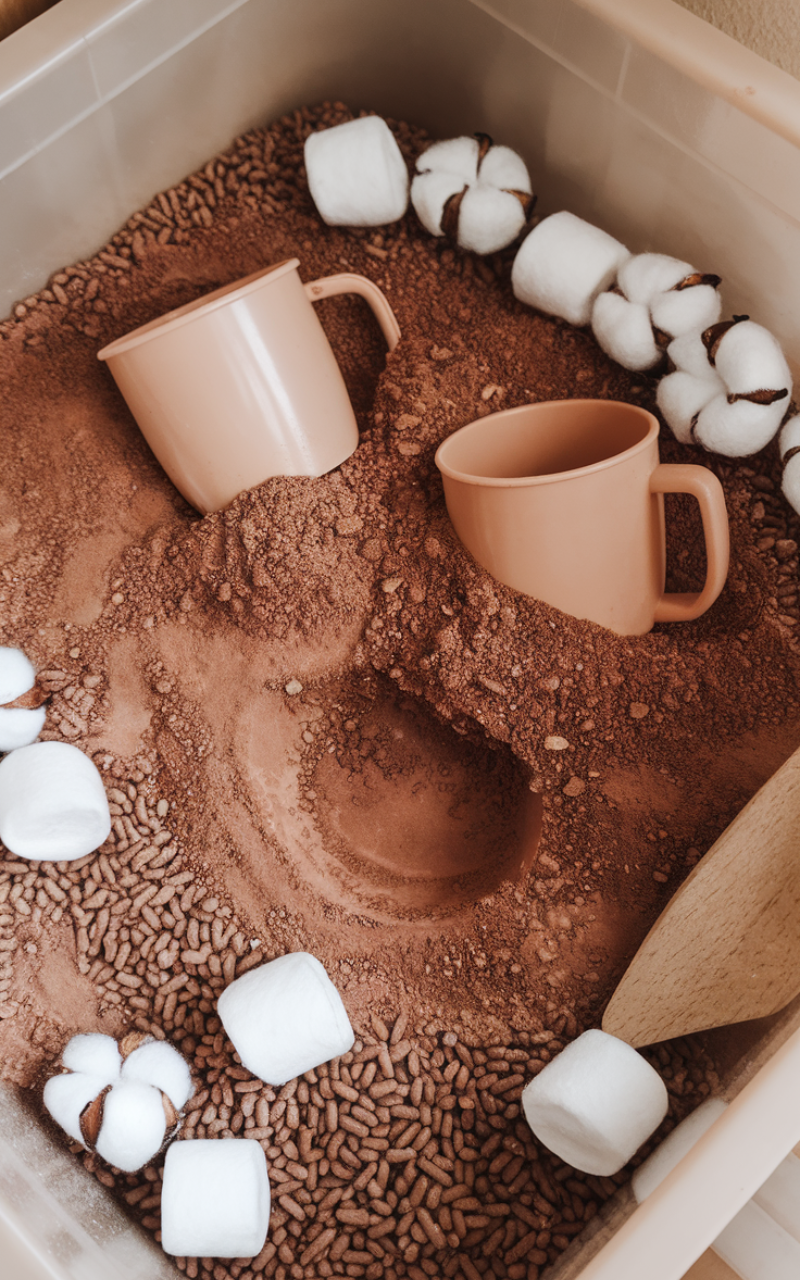
Use brown rice or cocoa powder as the base. Add plastic mugs, marshmallow-shaped cotton balls, and wooden spoons.
Winter Sensory Bins Tip: Include mini cinnamon sticks and chocolate-scented playdough for a full sensory experience.
10. Frozen Ocean Bin
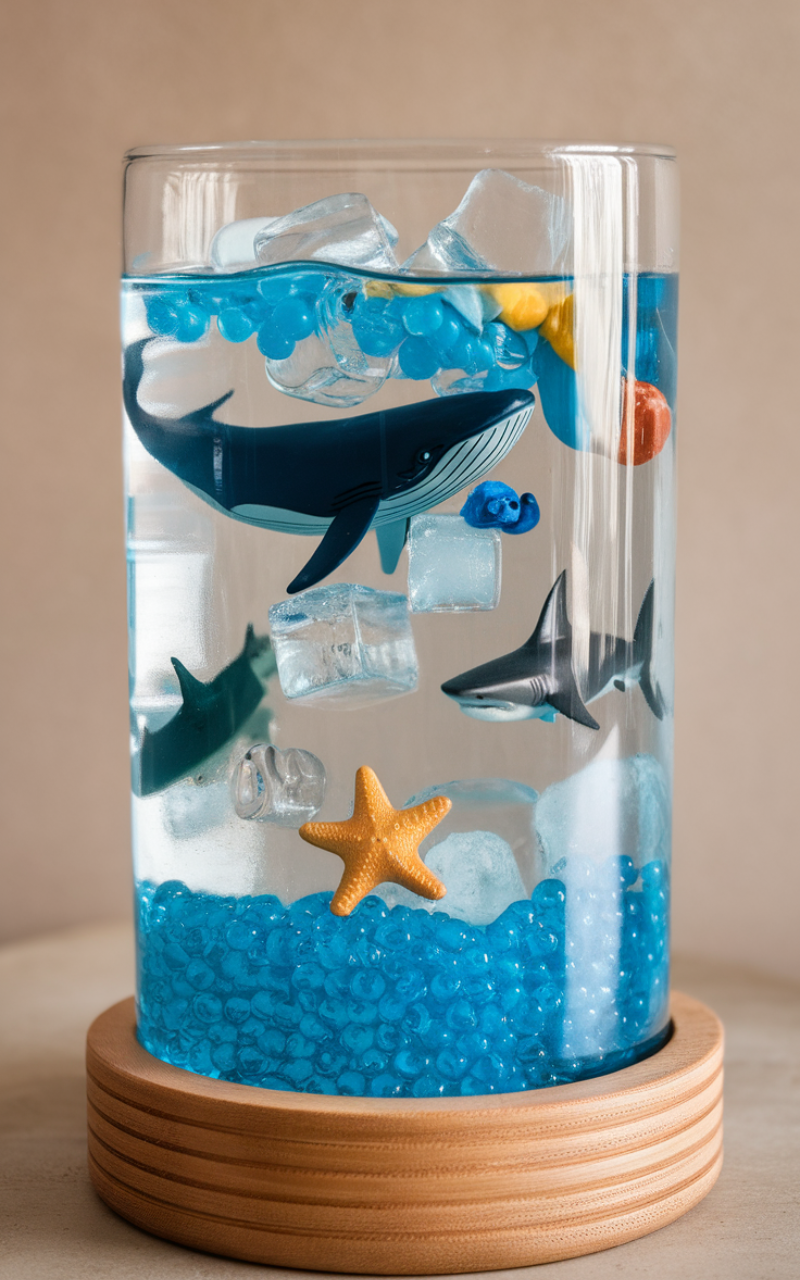
Mix blue water beads, ice cubes, and toy sea creatures for a cool ocean theme.
Winter Sensory Bins Tip: Freeze plastic sea animals inside ice blocks and let kids rescue them using warm water or droppers.
9. Polar Bear Ice Rescue Bin
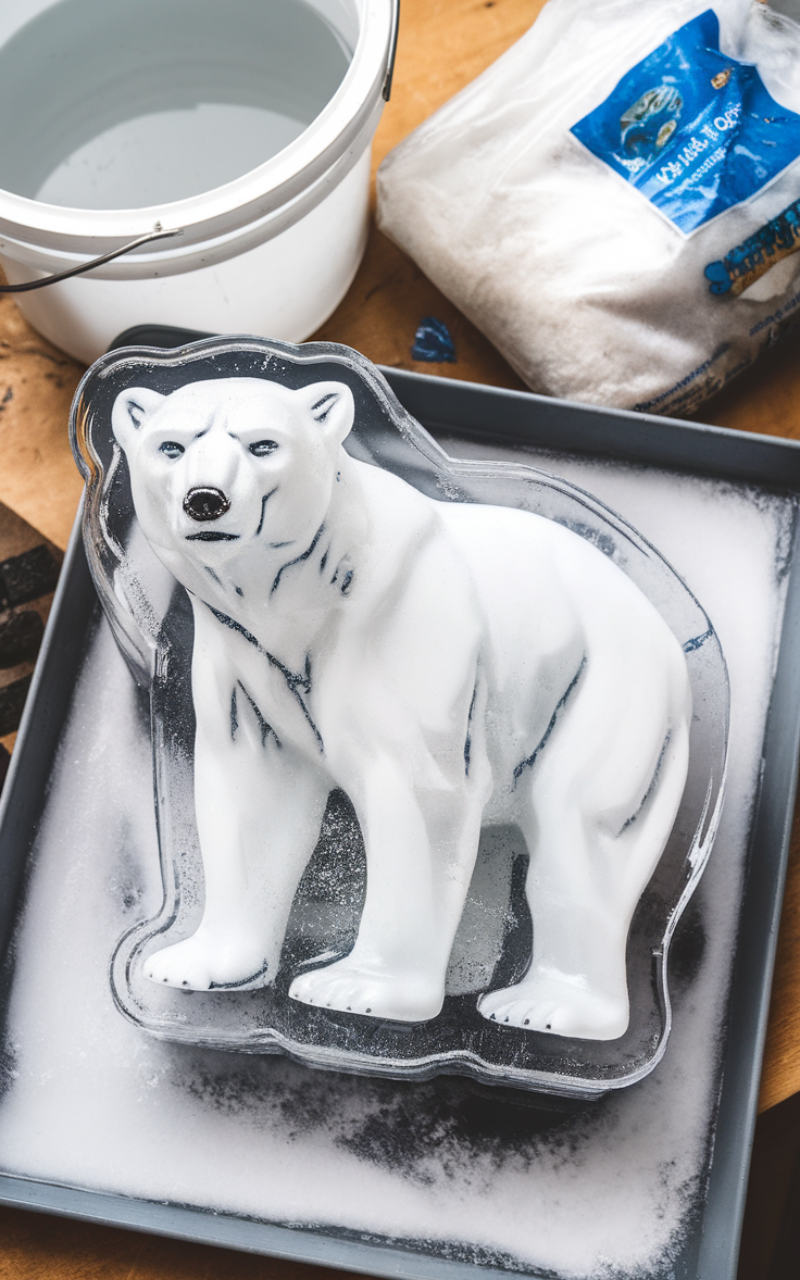
Freeze toy polar bears in ice molds and challenge kids to “rescue” them using salt and water tools.
Winter Sensory Bins Tip: Incorporate pipettes and small brushes to teach gentle touch and patience.
8. Winter Farm Bin
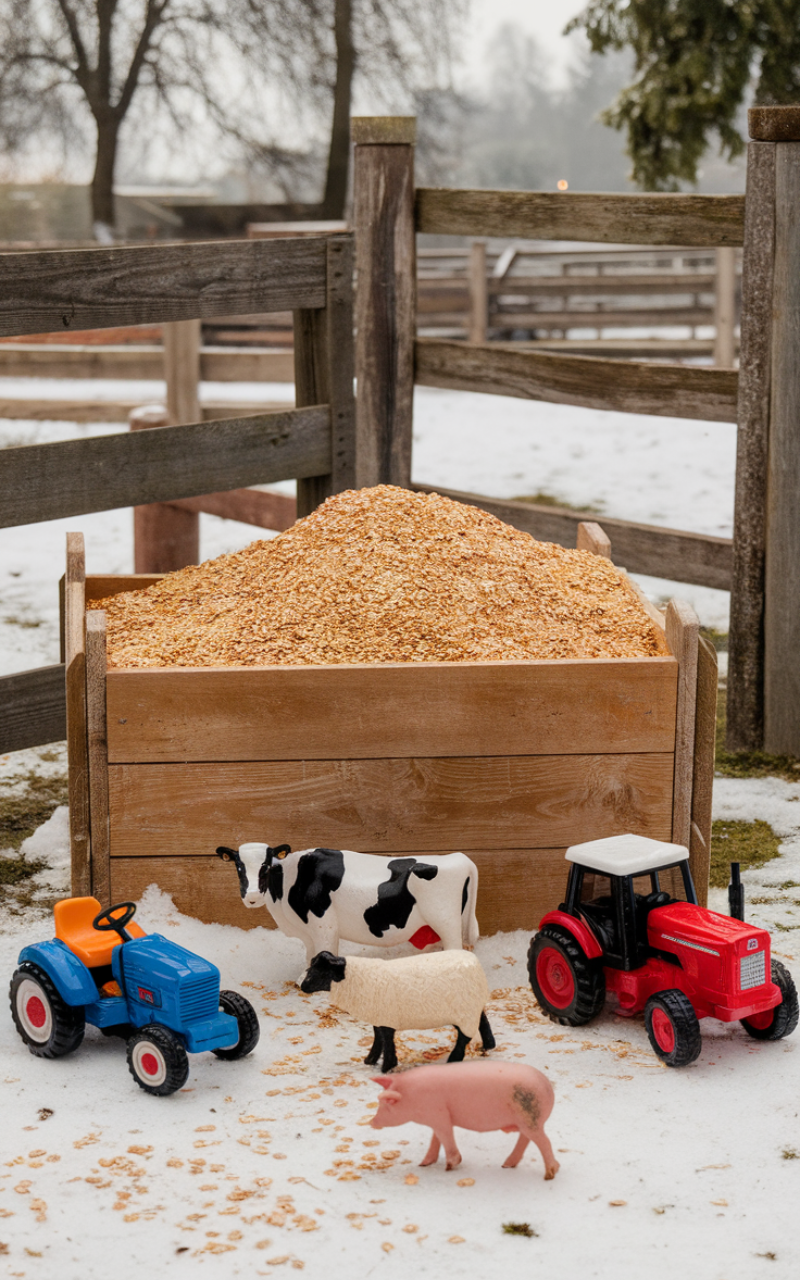
Add toy tractors, farm animals, and dried oats for a cozy farm-inspired setup.
Winter Sensory Bins Tip: Sprinkle flour to resemble snow and let kids drive the tractors through “frosted fields.”
7. Snowflake Sensory Gel Bin
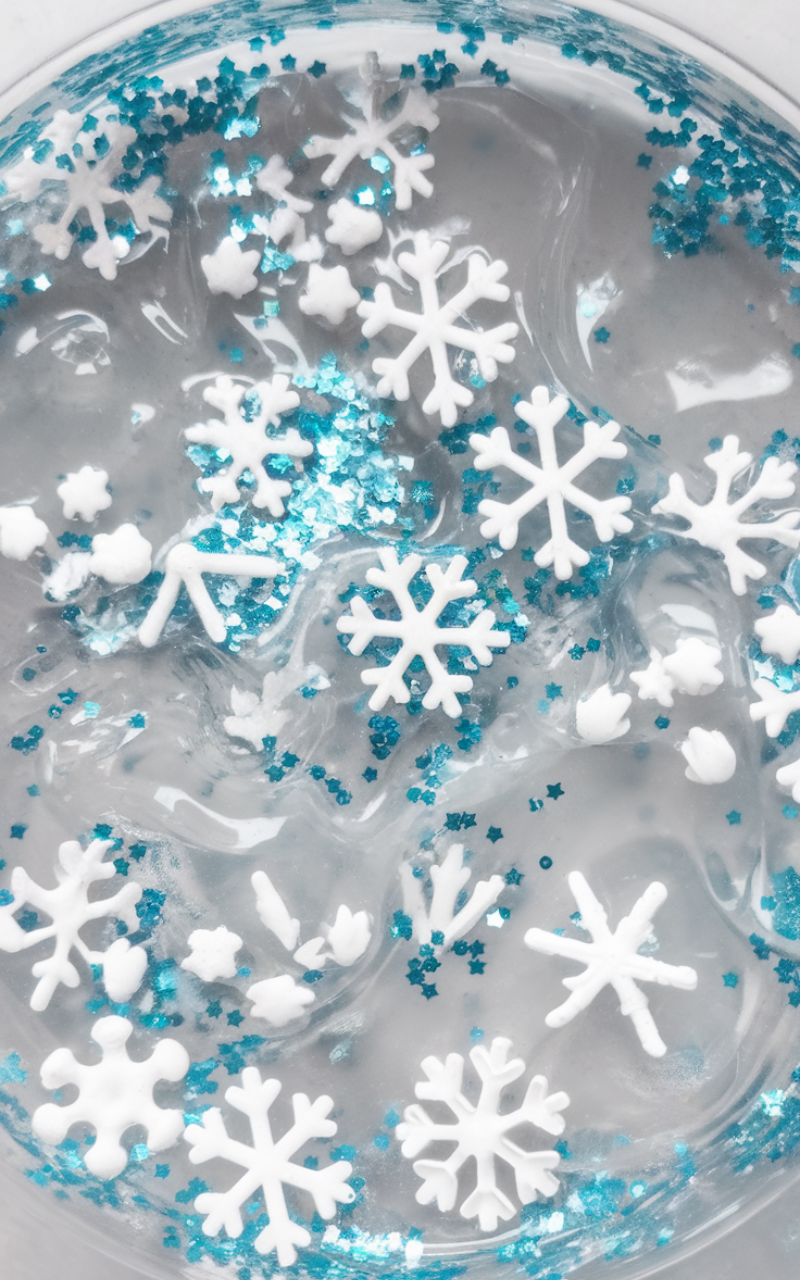
Fill a shallow container with clear sensory gel or hair gel. Add plastic snowflakes and blue glitter.
Winter Sensory Bins Tip: Seal the gel in a zip-top bag for mess-free sensory exploration.
6. Frozen Dino Dig Bin
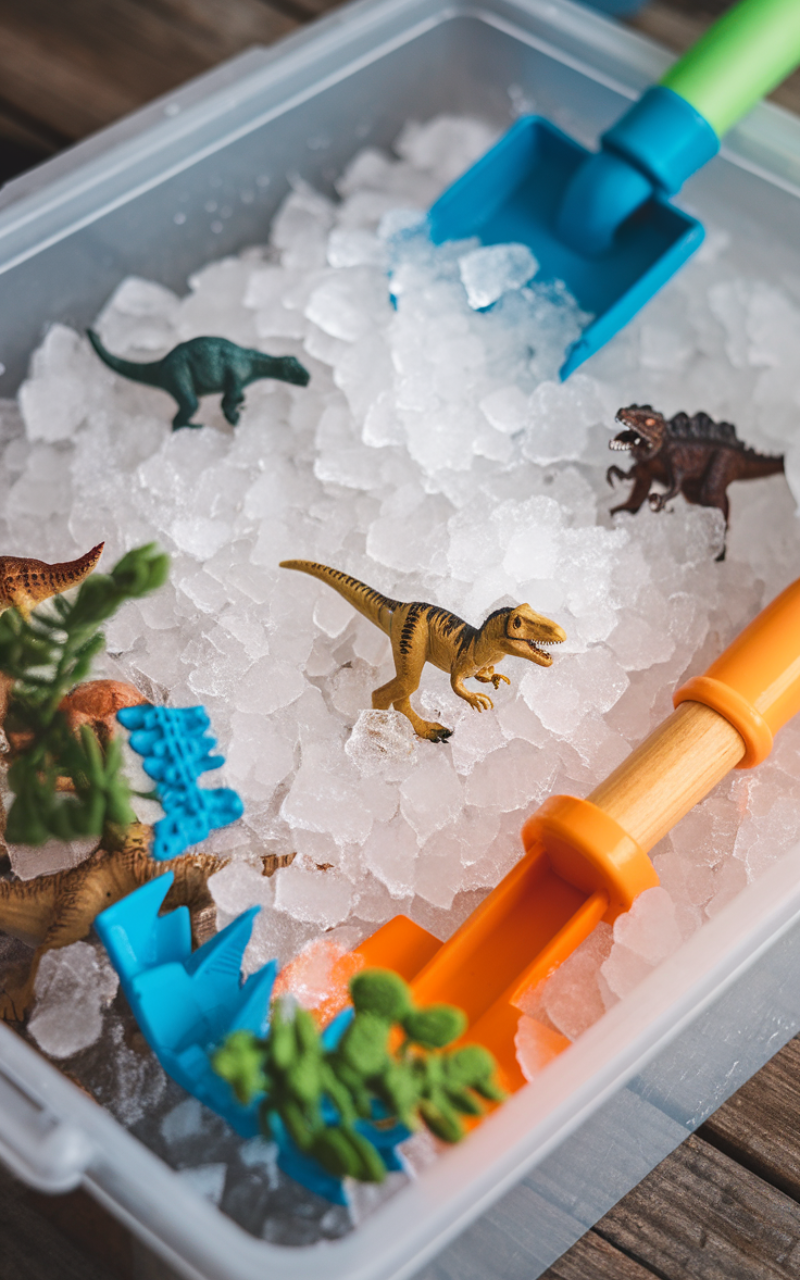
Hide small dinosaur toys in crushed ice or snow. Kids use tools to dig and discover.
Winter Sensory Bins Tip: Add food coloring to different ice layers to create a prehistoric “frozen time” effect.
5. Ice Cream Shop Winter Bin
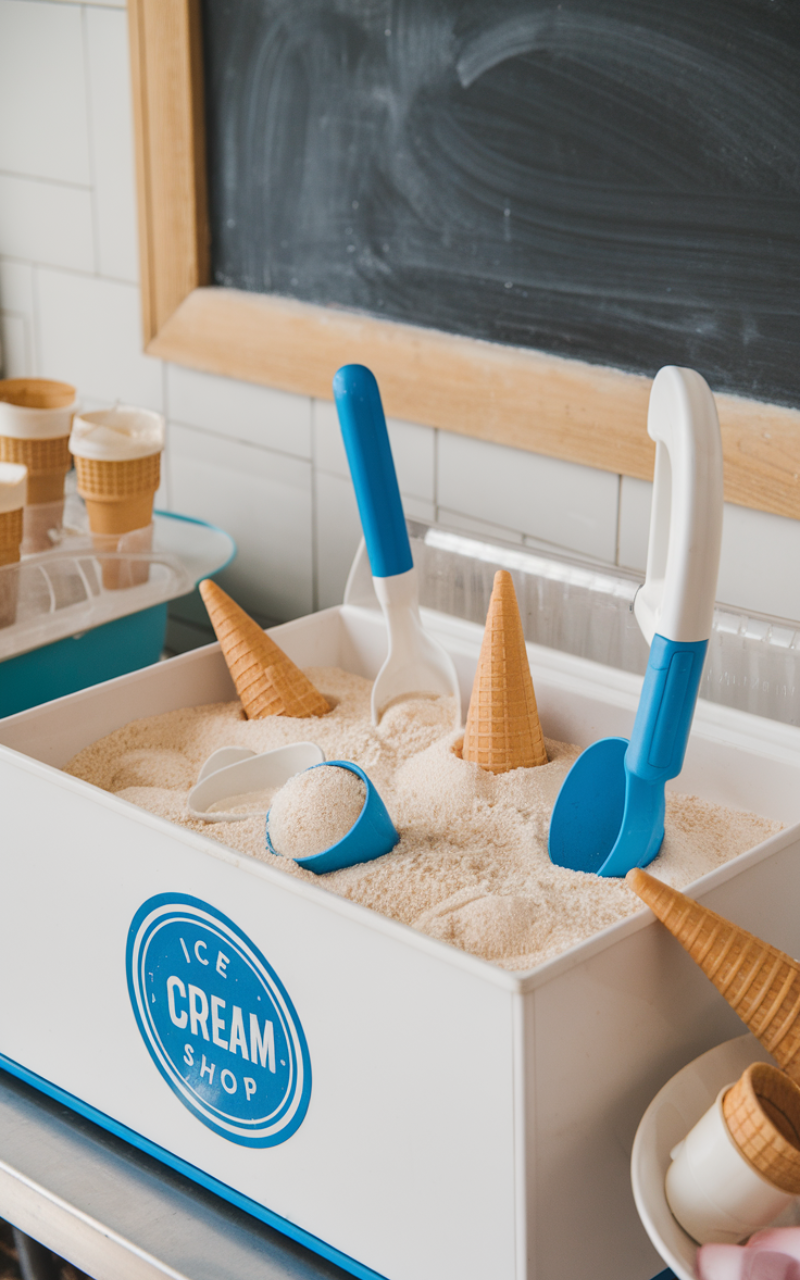
Fill the bin with white kinetic sand, scoops, and empty ice cream cups. Kids can pretend to serve “snow cream.”
Winter Sensory Bins Tip: Provide different-sized spoons to improve hand coordination while encouraging imaginative play.
4. Mitten Match Sensory Bin
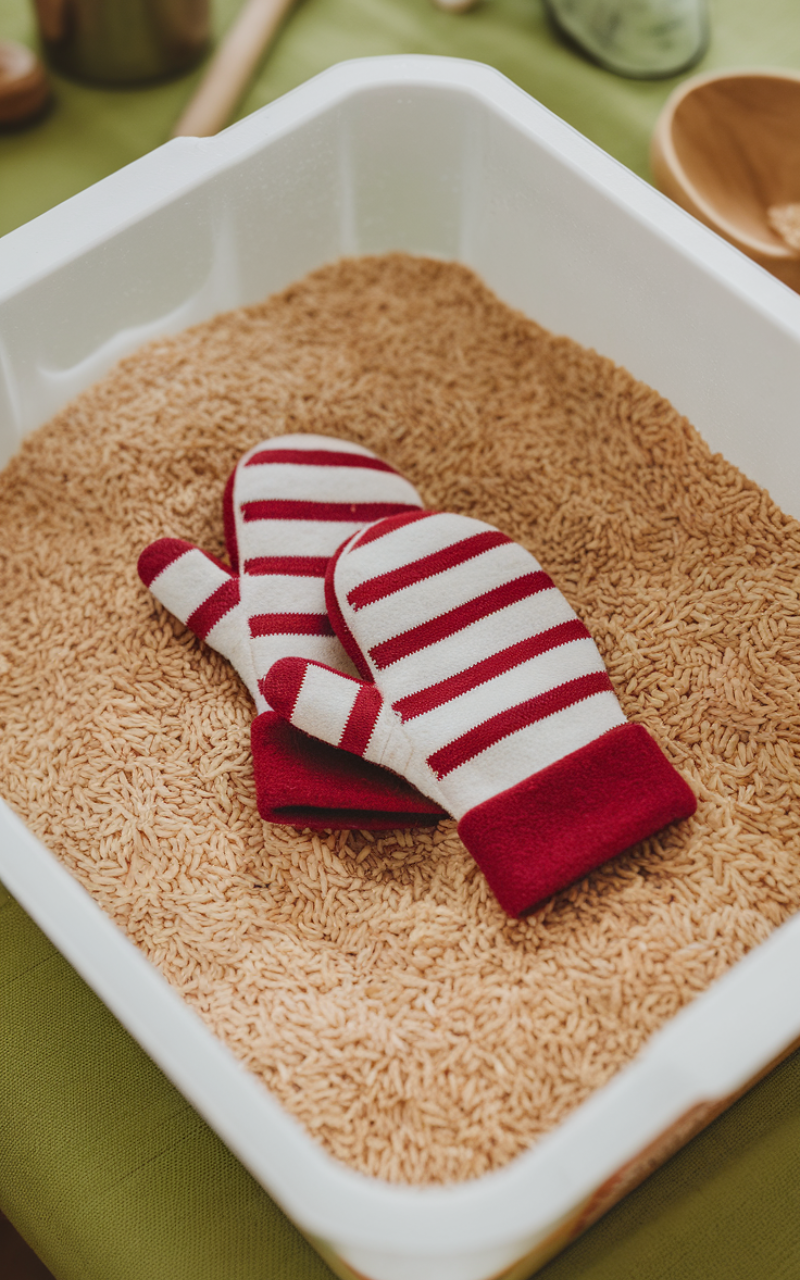
Fill the bin with rice or beans and hide pairs of small felt mittens inside. Kids must find and match them.
Winter Sensory Bins Tip: Add letters or numbers to mittens for an educational twist.
3. Winter Forest Animal Bin
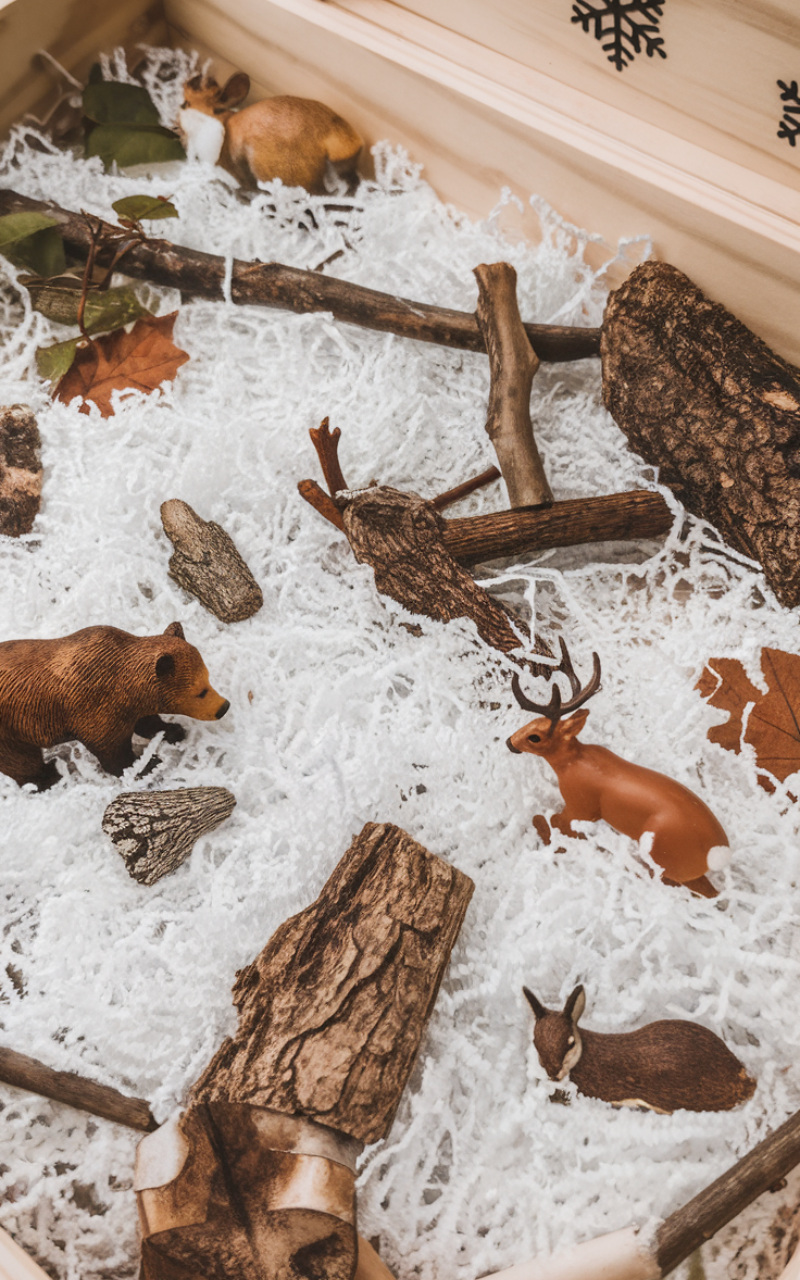
Use shredded paper as snow and add miniature woodland animals.
Winter Sensory Bins Tip: Include sticks, bark pieces, and leaves to mimic a real winter forest habitat.
2. Frozen Bubble Foam Bin
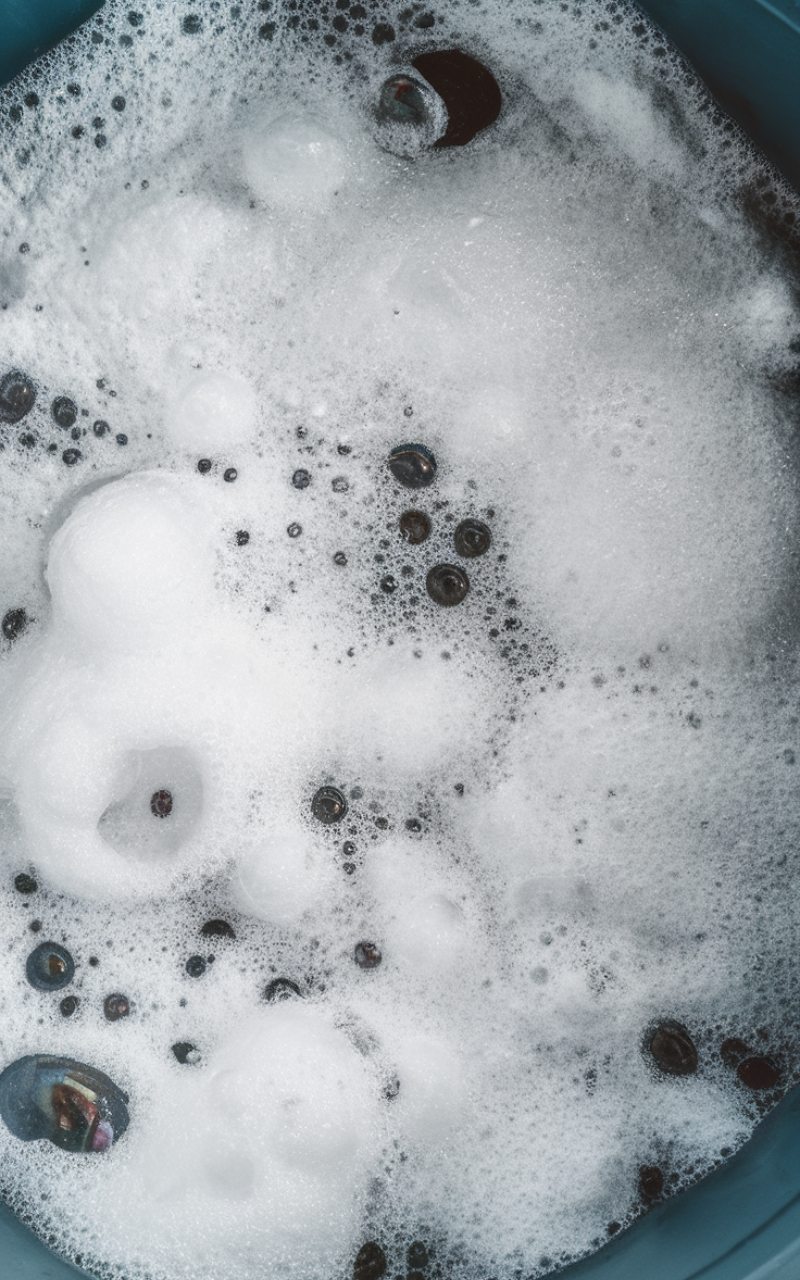
Create foamy “snow” by mixing water, dish soap, and white food coloring with a hand mixer.
Winter Sensory Bins Tip: Add ice cubes for texture contrast and sprinkle silver glitter for sparkle.
1. Icy Gem Sorting Bin
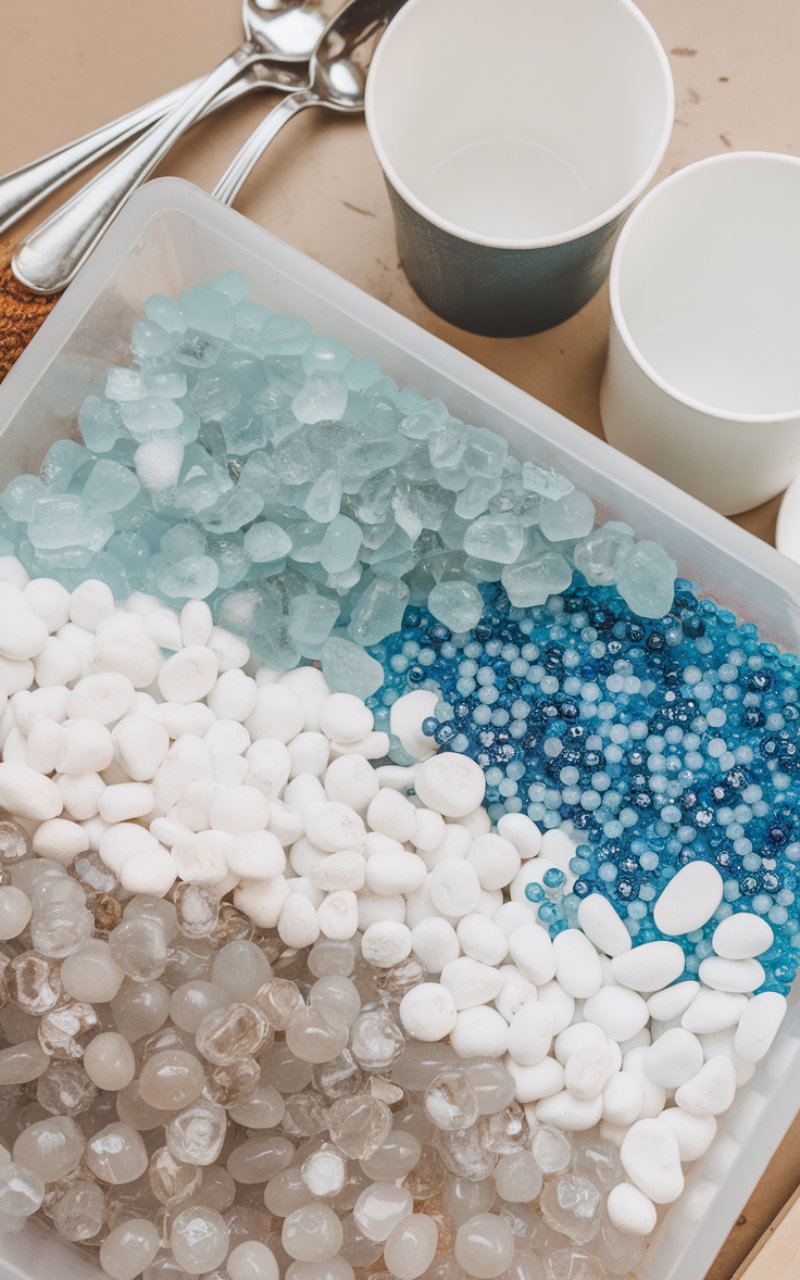
Use clear gems, blue beads, and white pebbles for a frozen treasure bin. Provide spoons and cups for sorting.
Winter Sensory Bins Tip: Let kids sort gems by color, size, or texture to build cognitive and tactile skills.
Conclusion
Winter sensory bins transform ordinary materials into magical learning experiences. Each bin fosters creativity, fine motor skills, and sensory awareness while providing a cozy indoor activity during cold weather. By using items such as rice, cotton balls, and natural elements, we can create winter sensory bins that keep kids engaged, curious, and full of seasonal wonder.