
Join Our Newsletter for Cozy Home Inspiration, Family Fun, and Delicious Recipes Every Week
17 Amazing Organic Gardening Task List

It all started with frustration the kind only gardeners truly understand. My Organic Gardening Task List looked simple enough on paper, but the reality was a muddy, sweaty, root-tangling nightmare.
Every time I dug up a bush, I swore the roots were reaching the Earth’s core. My shovel would clink against hidden bricks, plastic scraps, or the remnants of an old wall buried decades ago.
Then came the endless weeding a task that mocked me by growing back stronger the next day. Pruning? I’d stand over a plant, wondering if I’d just “trimmed” or “murdered” it.
Even watering became a guilt trip when I watched clean tap water pour into the soil, only for rain to drench everything hours later.
Somewhere between hacking roots and wringing my mud-caked gloves, I started questioning why I even began this Organic Gardening Task List in the first place.
I remember mentioning in my article “16 Creative Garden Art Ideas” how therapeutic gardening could be… clearly, I forgot the part about sore muscles and blisters.
But with every problem came a small discovery. When I wrestled a Viburnum out of rocky soil, I realized patience is the true tool of every gardener.
When my well pump failed and the watering cans ran dry, I learned the beauty of automation installing a smart watering system that saved both my plants and my sanity.
It wasn’t perfect, but it meant no more guilt over wasted water or thirsty blooms when I traveled. And as for weeding, I found that a layer of organic mulch was my quiet revenge against those stubborn invaders.
Each little success transformed my Organic Gardening Task List from a burden into a rhythm dig, plant, water, prune, repeat a kind of natural meditation.
Now, what once felt like a chore feels like a conversation with the earth. My Organic Gardening Task List isn’t about ticking off duties anymore it’s a way to grow with my garden.
I’ve learned to laugh when roots fight back and to appreciate the quiet patience that every leaf, flower, and earthworm teaches.
Gardening will always test you it’s messy and beautifully unpredictable but if you stick with it, you’ll realize that every frustrating task blooms into something deeply rewarding.
17. Soil Testing and Nutrient Management
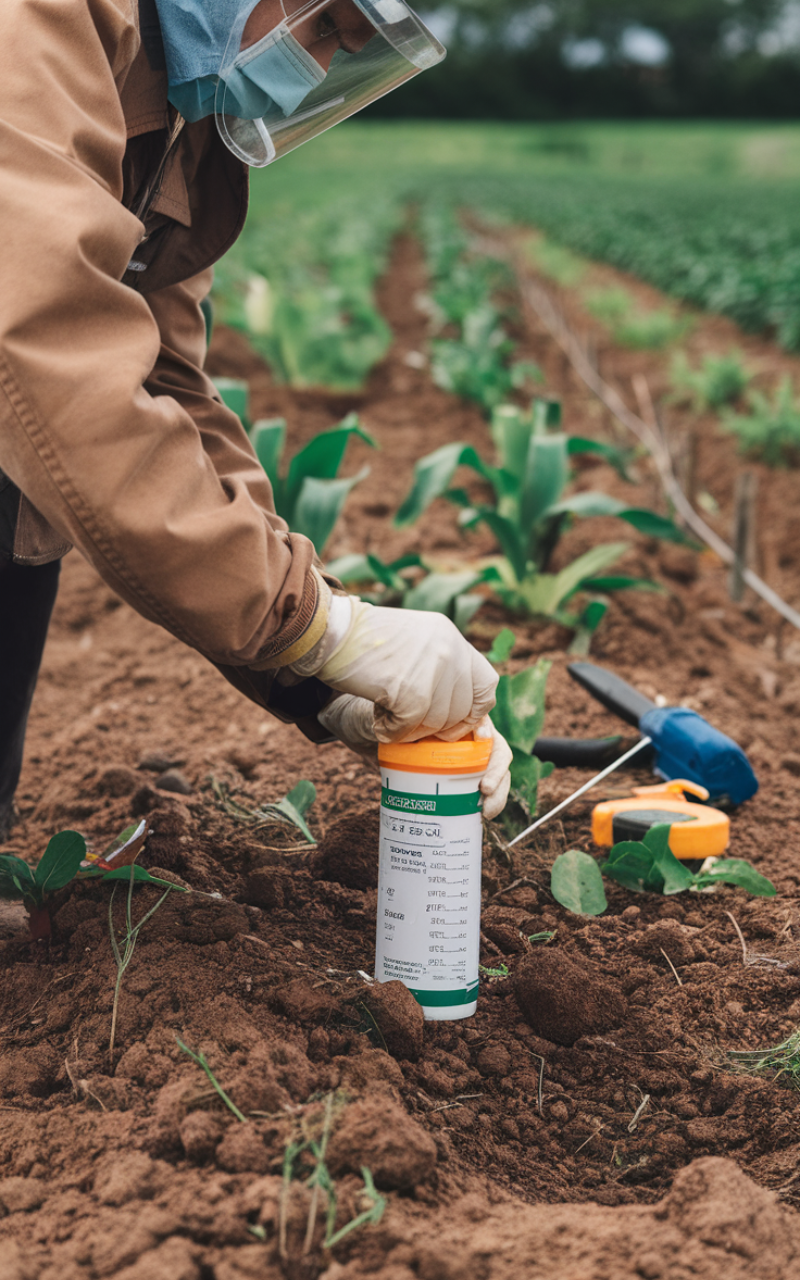
Testing soil pH and nutrient content is essential to identify deficiencies and ensure optimal plant growth. Organic amendments such as compost, rock phosphate, and kelp meal improve soil fertility.
Organic Gardening Task List Tip: Apply amendments gradually and retest soil every season to maintain balance.
16. Composting and Organic Matter Enrichment
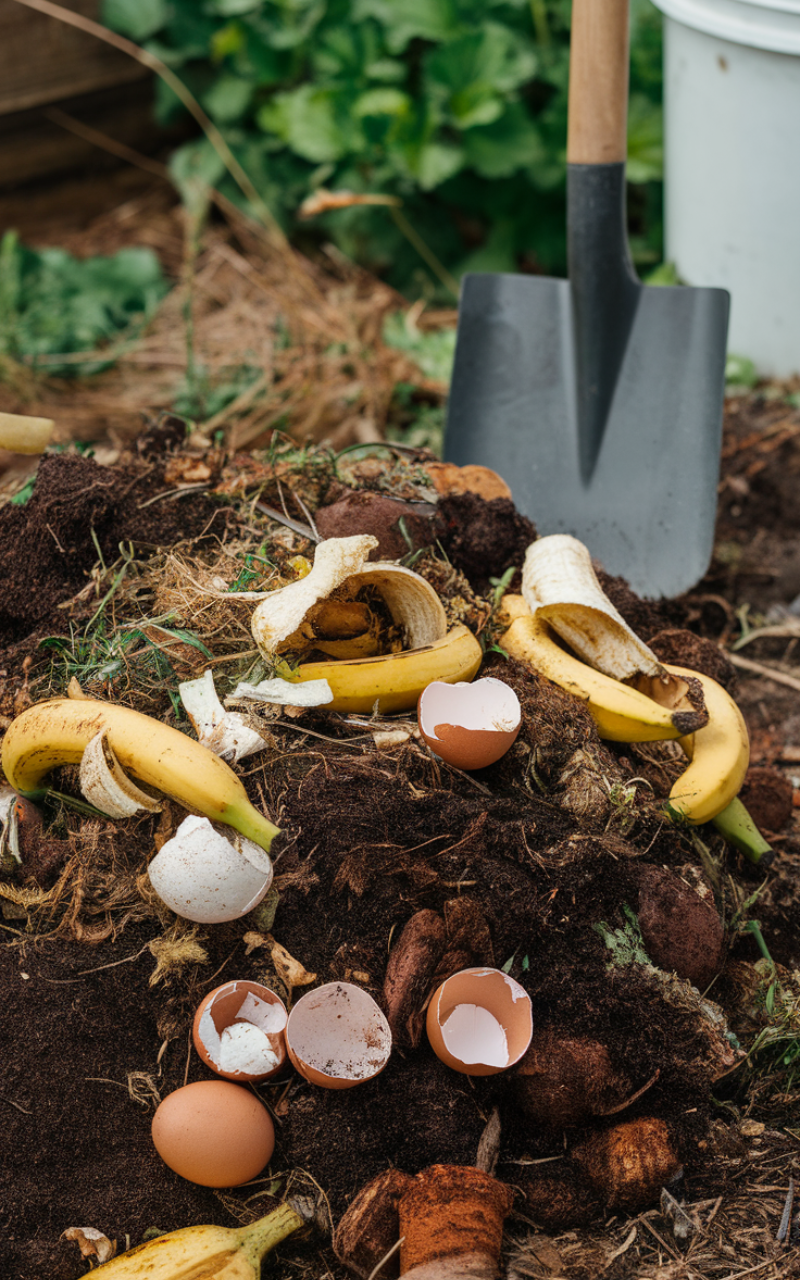
Composting transforms kitchen scraps and garden waste into rich humus that nourishes plants. Regular addition of compost enhances soil structure, retains moisture, and feeds beneficial microbes.
Organic Gardening Task List Tip: Balance green and brown materials and aerate the pile frequently to speed decomposition.
15. Crop Rotation Planning

Rotating crops reduces soil nutrient depletion, prevents disease buildup, and minimizes pest infestations.
Organic Gardening Task List Tip: Group crops by families, legumes, brassicas, and root vegetables, and rotate annually for best results.
14. Seed Selection and Starting Techniques
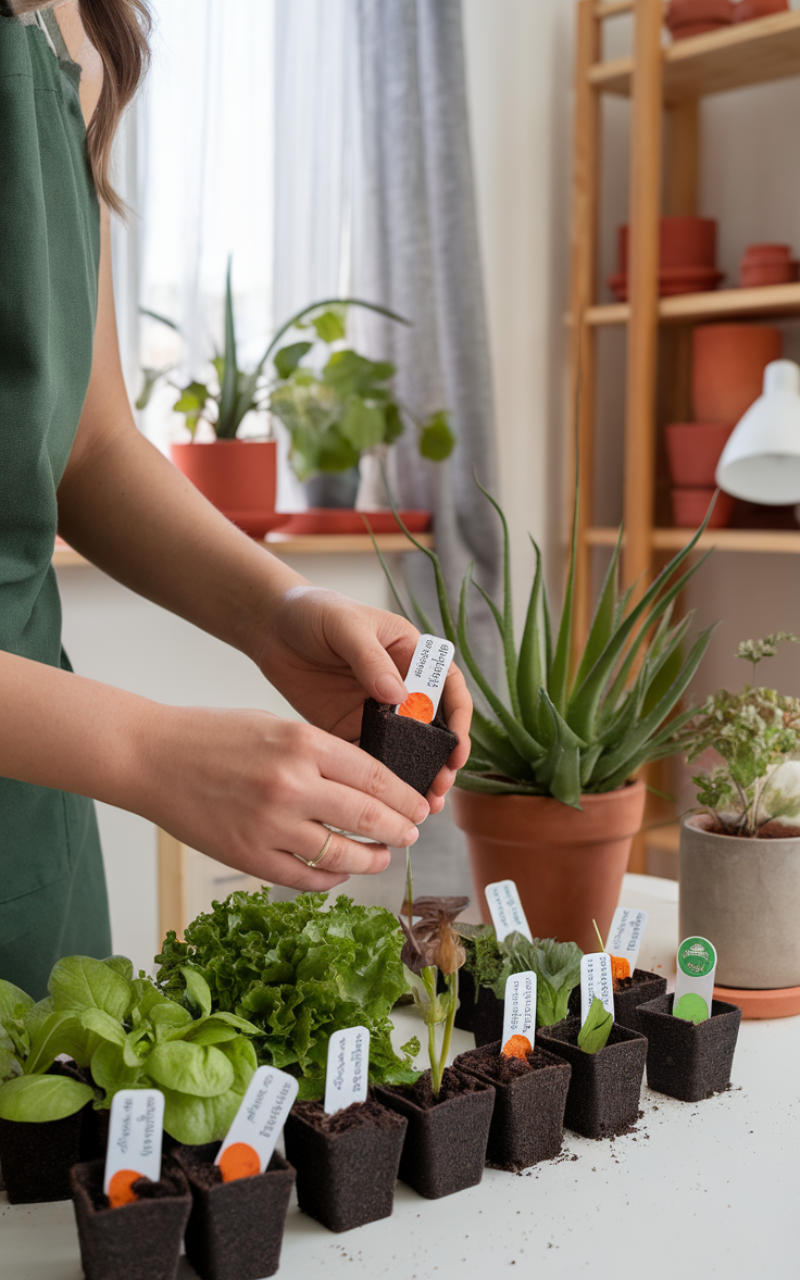
Choosing certified organic seeds ensures disease-free, resilient plants. Starting seeds indoors extends the growing season and improves germination rates.
Organic Gardening Task List Tip: Use seed trays with organic potting mix and maintain consistent moisture and warmth.
13. Mulching and Weed Suppression
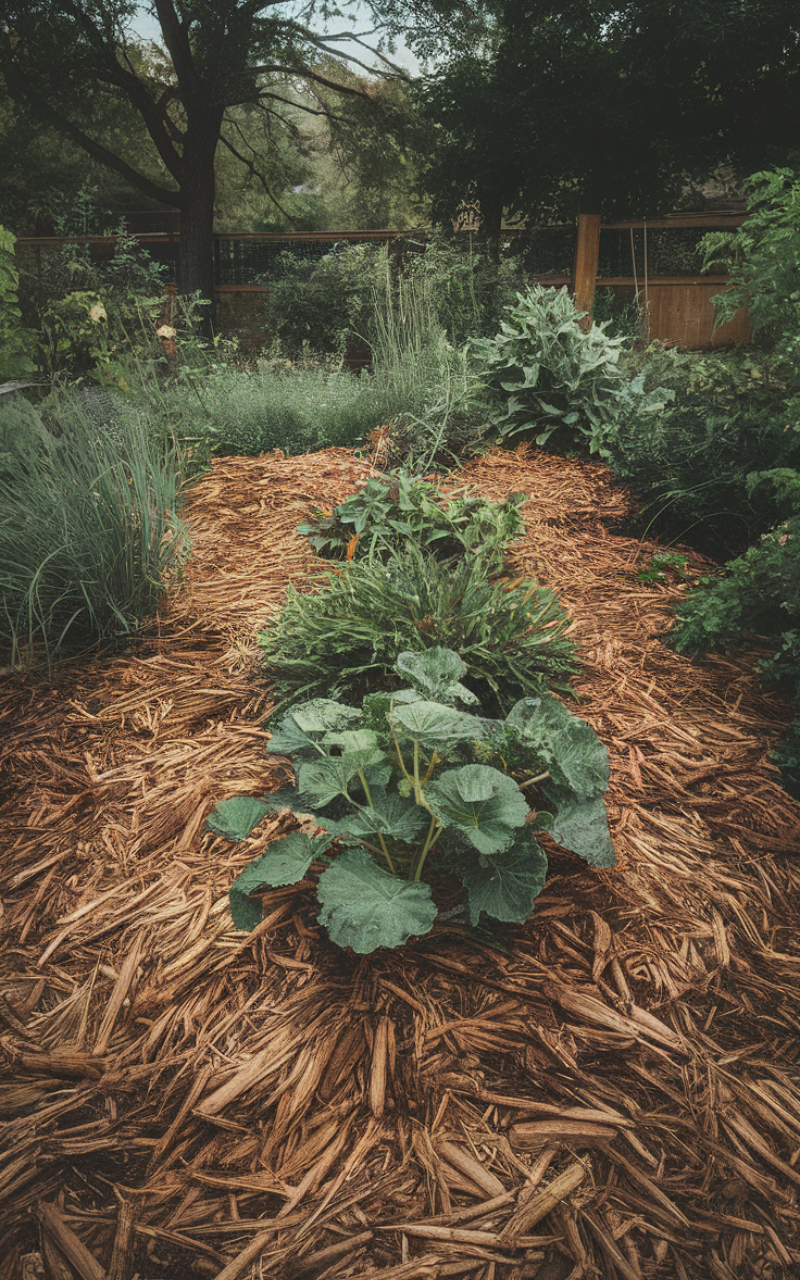
Mulching conserves soil moisture, prevents weed growth, and gradually enriches the soil as it decomposes.
Organic Gardening Task List Tip: Apply 2–4 inches of straw, shredded leaves, or bark, keeping mulch slightly away from plant stems.
12. Natural Pest and Disease Management
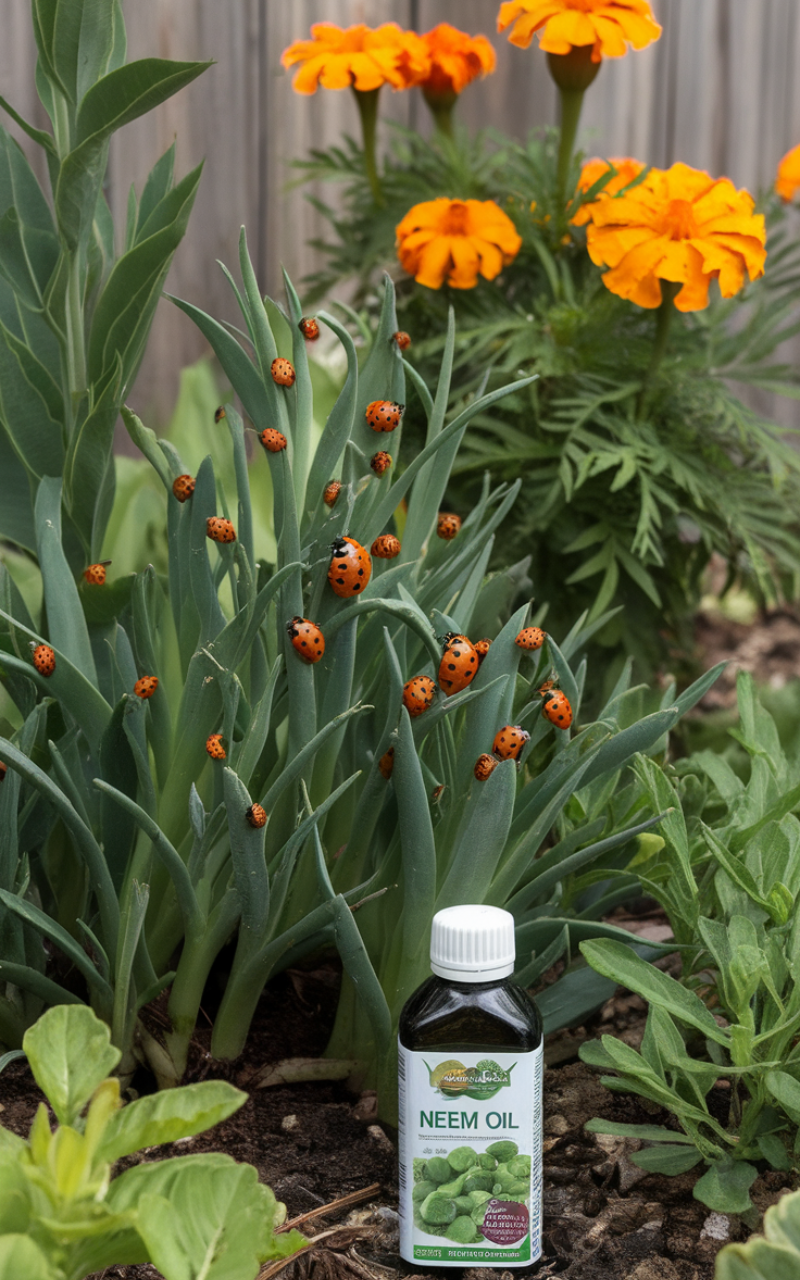
Beneficial insects, companion planting, and organic sprays such as neem or insecticidal soap help control pests without chemicals.
Organic Gardening Task List Tip: Monitor plants regularly and introduce natural predators early to prevent infestations.
11. Watering and Irrigation Optimization
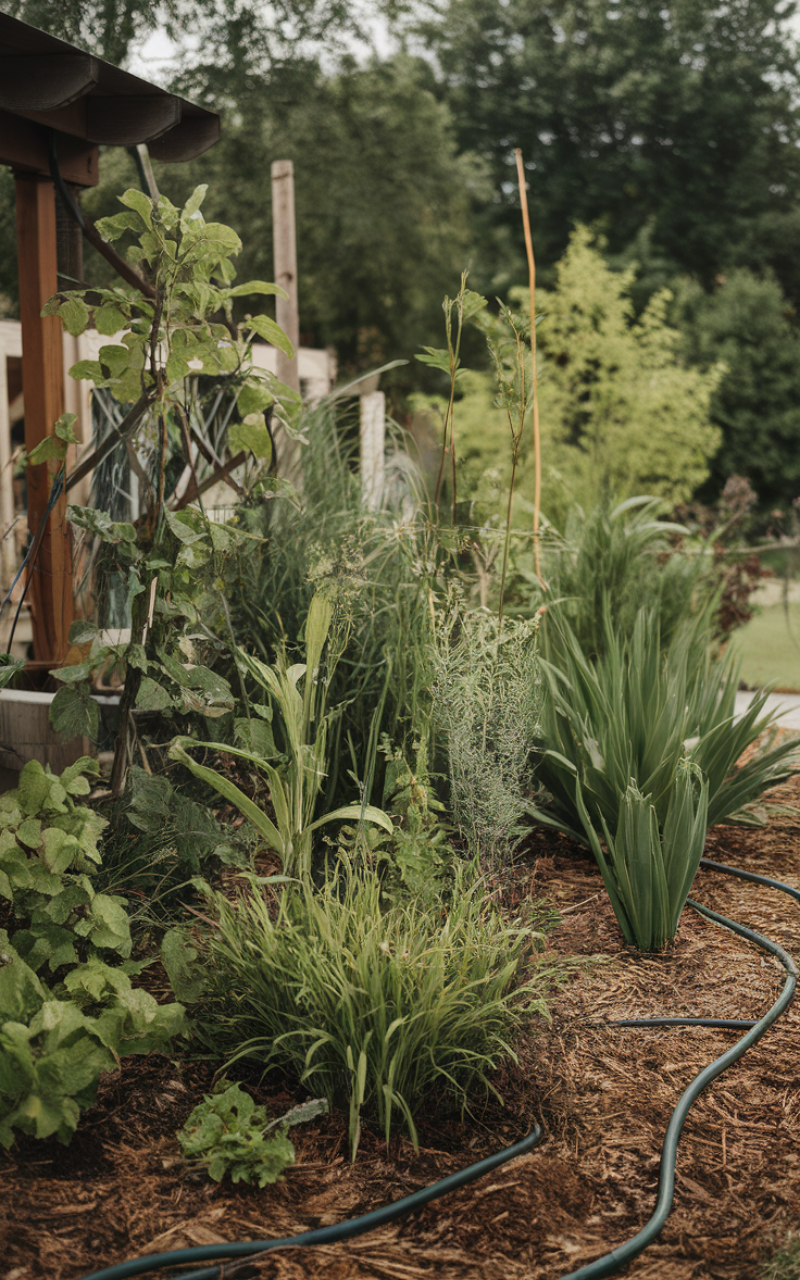
Consistent watering is critical for plant health. Drip irrigation or soaker hoses minimize water waste and reduce the risk of leaf diseases.
Organic Gardening Task List Tip: Water early in the morning and focus on the soil rather than leaves to reduce fungal issues.
10. Companion Planting Strategies
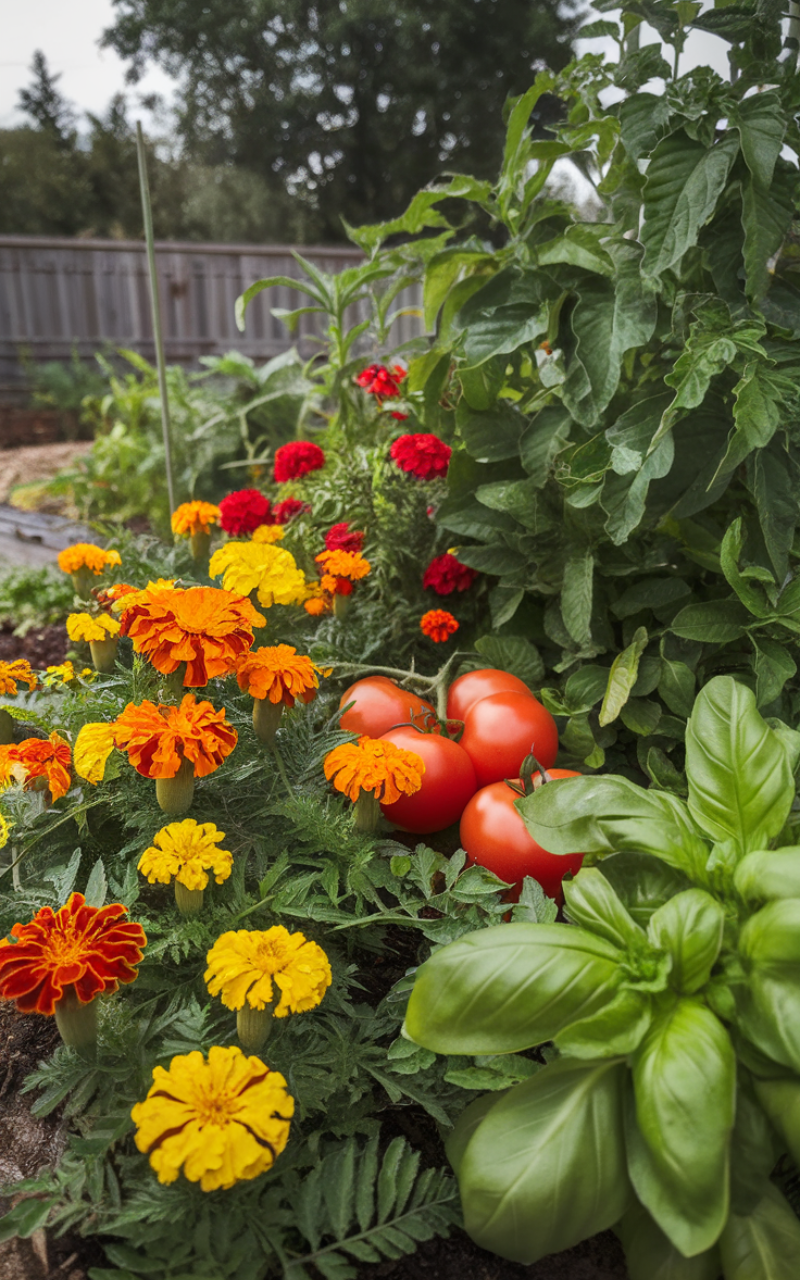
Certain plant combinations naturally repel pests, enhance growth, or improve flavor, optimizing garden productivity.
Organic Gardening Task List Tip: Pair tomatoes with basil, carrots with onions, and beans with corn to leverage natural benefits.
9. Pruning and Thinning for Healthy Growth

Regular pruning improves airflow, reduces disease risk, and encourages strong development, while thinning prevents overcrowding.
Organic Gardening Task List Tip: Remove dead or damaged leaves and maintain proper spacing for optimal sunlight penetration.
8. Weed Control and Prevention
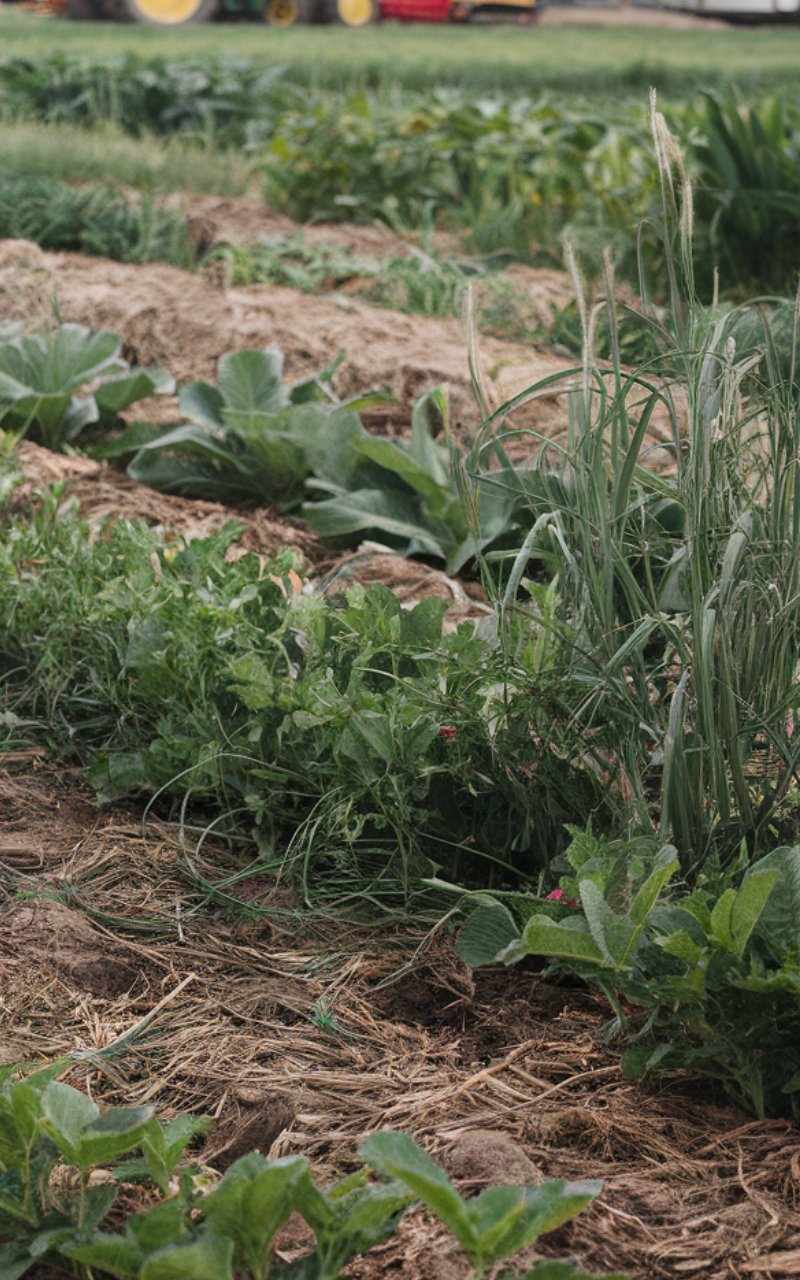
Weeds compete for nutrients, water, and light, potentially harming crops. Organic methods include hand weeding, mulching, and cover crops.
Organic Gardening Task List Tip: Remove weeds before they go to seed and densely plant crops to naturally suppress weed growth.
7. Fertilization with Organic Amendments
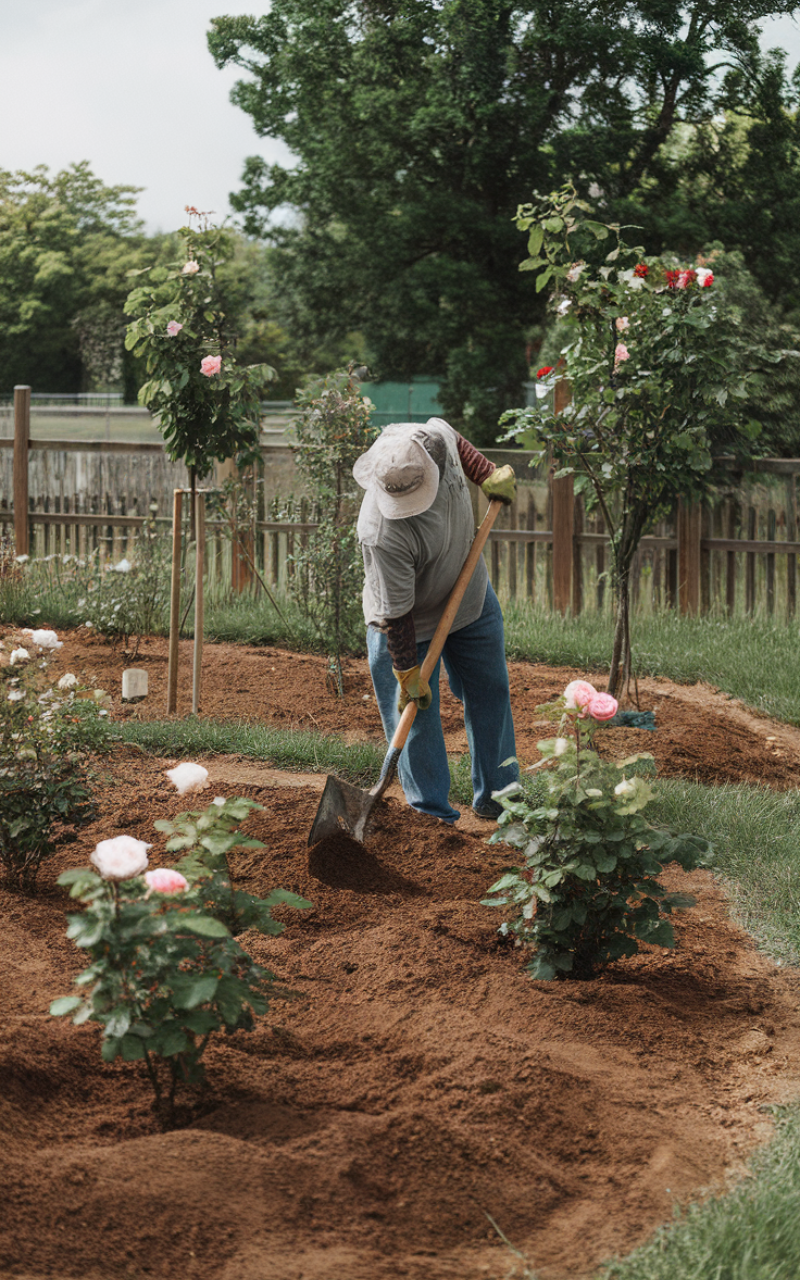
Periodic feeding with compost, compost tea, or seaweed extract ensures plants have access to essential nutrients.
Organic Gardening Task List Tip: Apply amendments gradually and monitor plant response to prevent over-fertilization.
6. Soil Aeration and Tilling
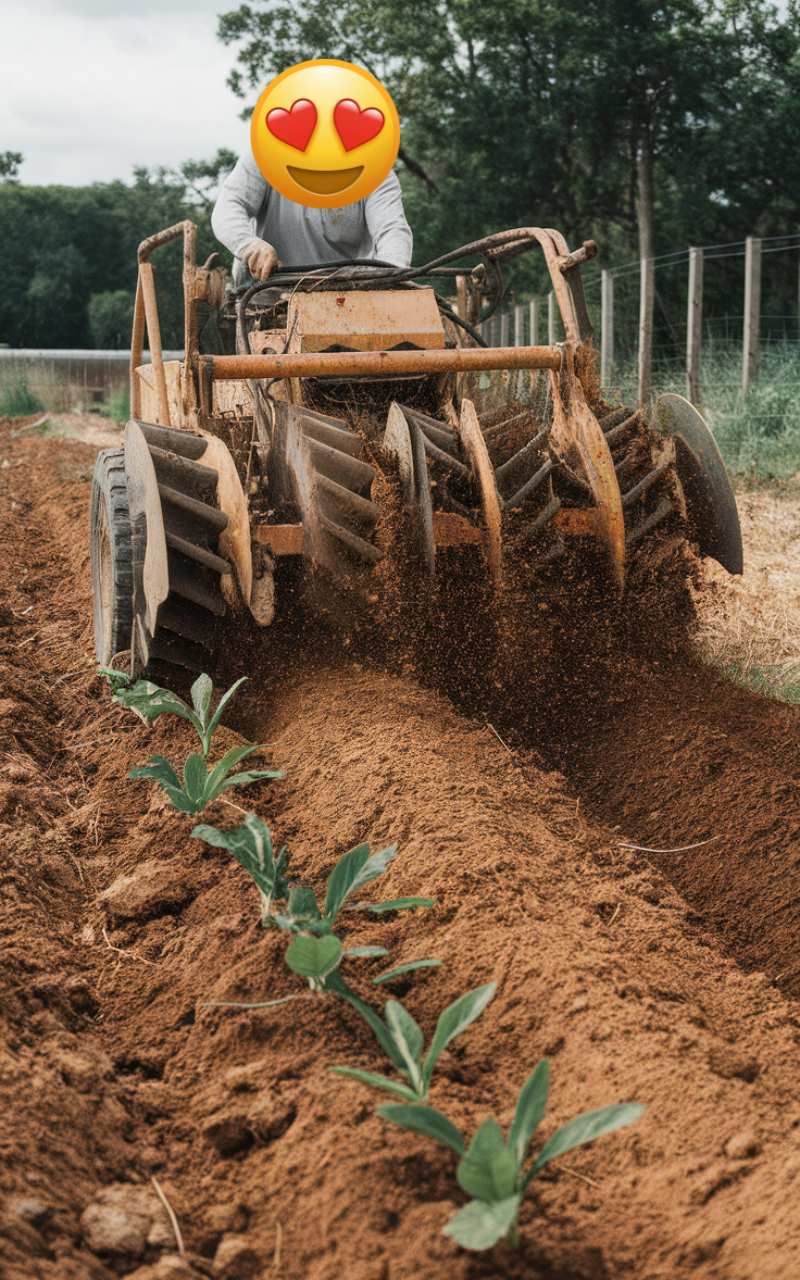
Aerating soil enhances root development, water infiltration, and microbial activity, maintaining soil vitality.
Organic Gardening Task List Tip: Use shallow tilling to preserve soil structure and avoid over-disturbing soil layers.
5. Monitoring for Disease
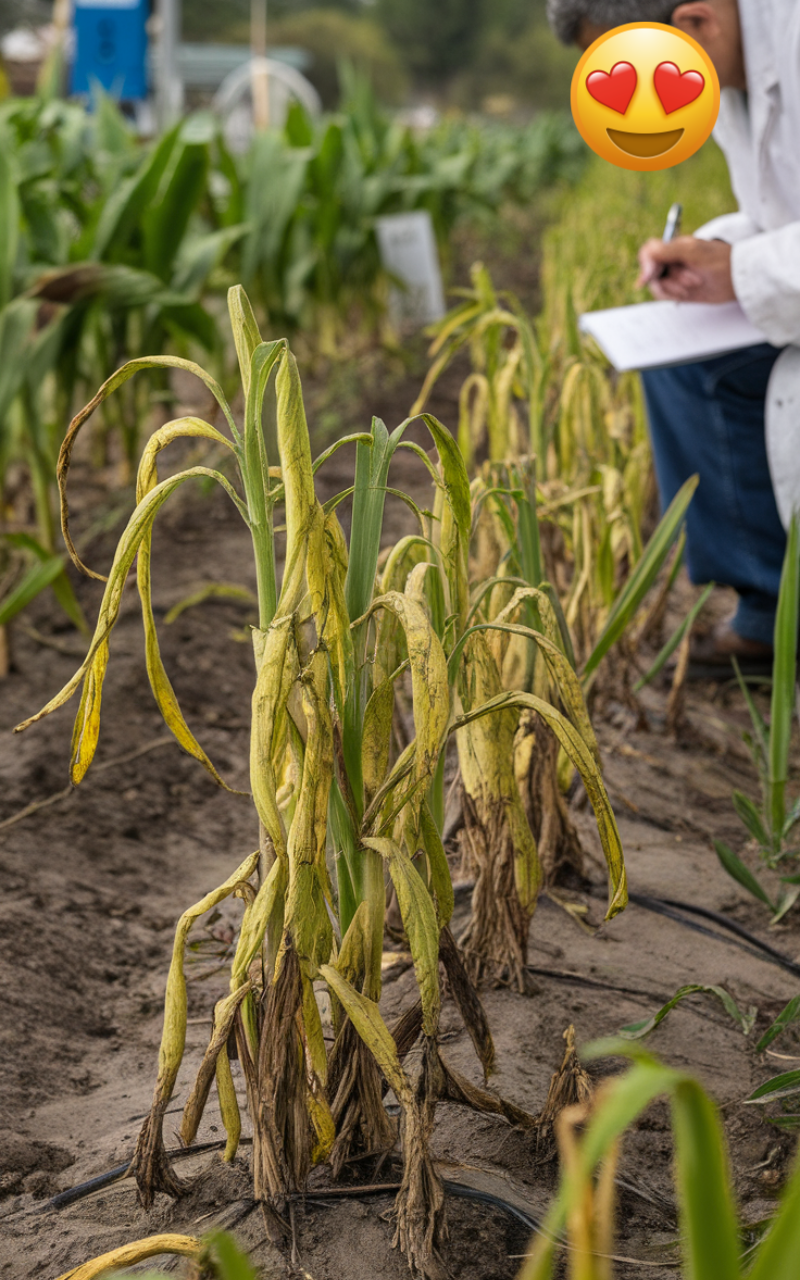
Early detection of fungal, bacterial, or viral infections allows prompt action, minimizing crop loss.
Organic Gardening Task List Tip: Remove affected plant parts immediately and use organic fungicides like copper or sulfur when needed.
4. Seasonal Planting Schedules
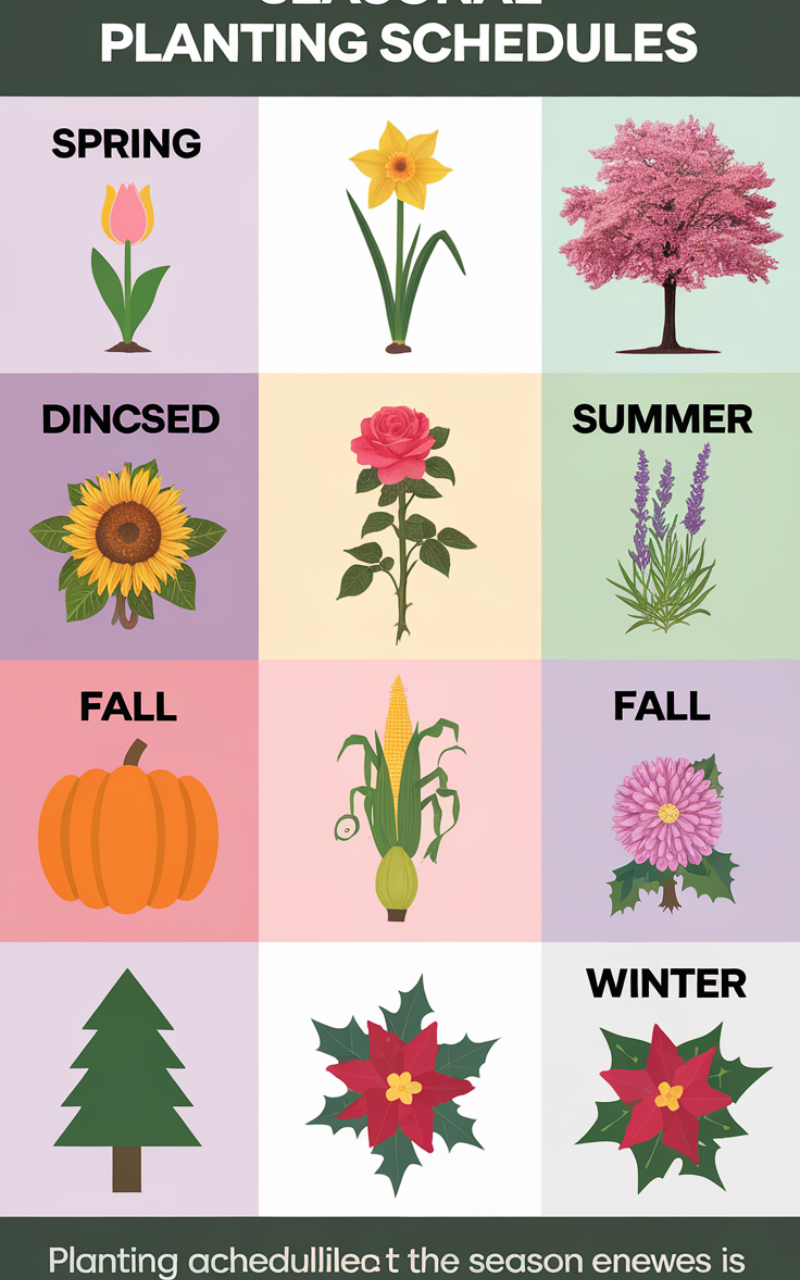
Planting according to the season ensures optimal growth, yield, and plant health.
Organic Gardening Task List Tip: Maintain a calendar with sowing, transplanting, and harvest dates for each crop.
3. Harvesting at Peak Ripeness
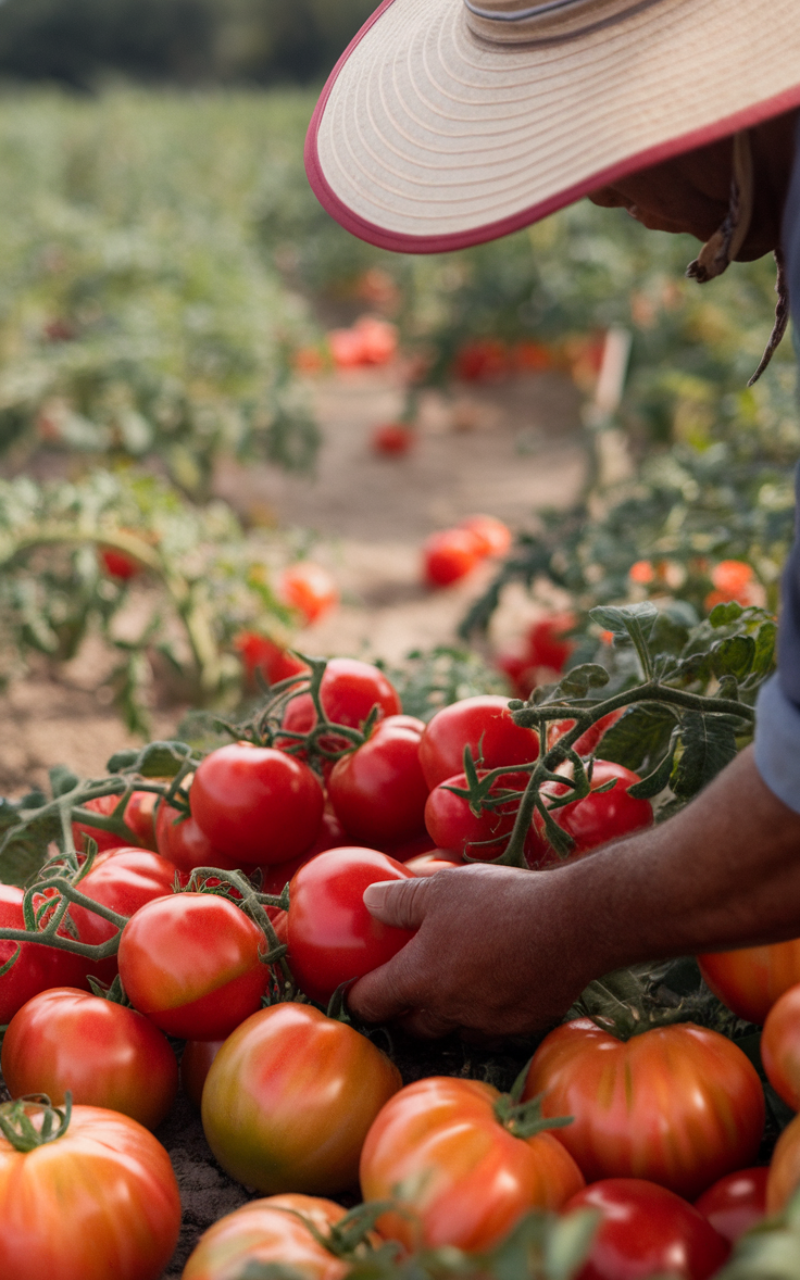
Timely harvesting enhances flavor, encourages continued production, and prevents pest attraction.
Organic Gardening Task List Tip: Use sharp scissors or garden shears to avoid damaging plants during harvest.
2. Crop Succession Planting
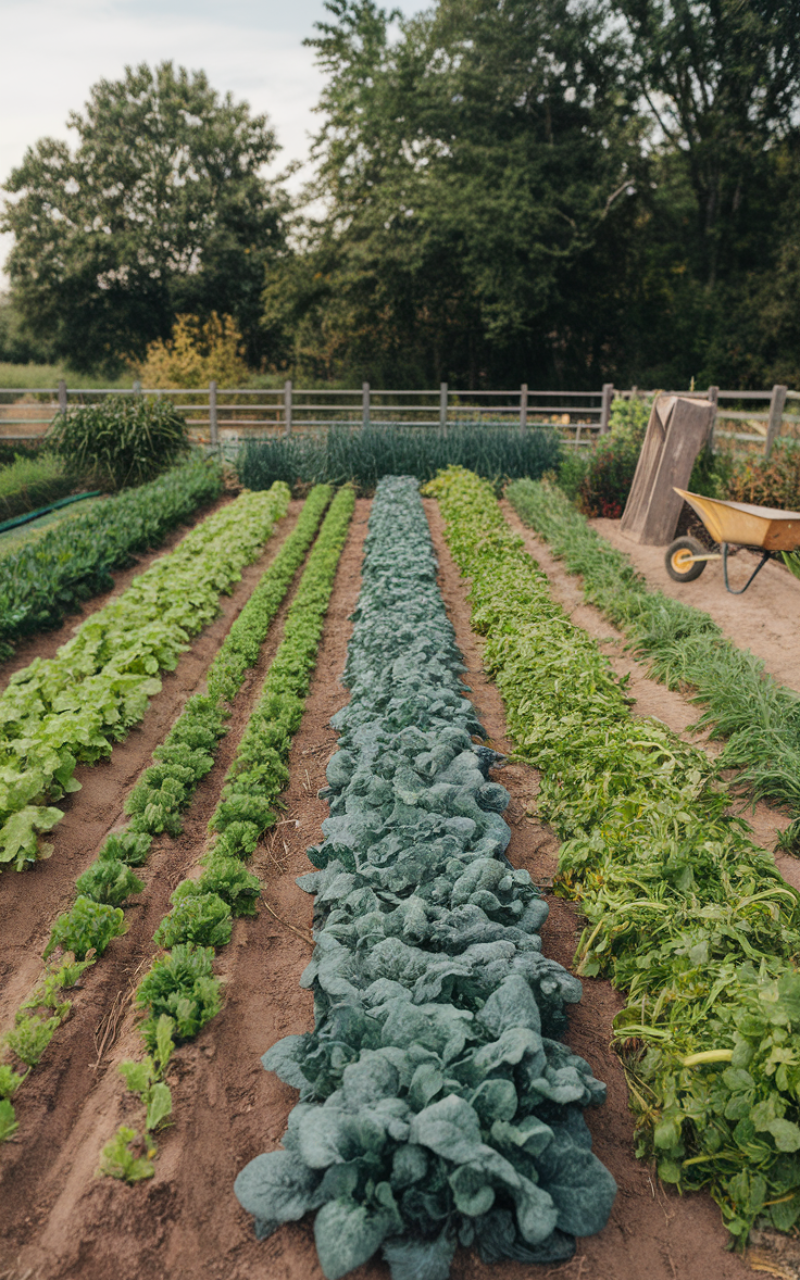
Planting in succession maximizes space and ensures a continuous harvest throughout the season.
Organic Gardening Task List Tip: Plan overlapping planting dates for fast-growing crops like lettuce, radishes, and spinach.
1. Record Keeping and Garden Evaluation
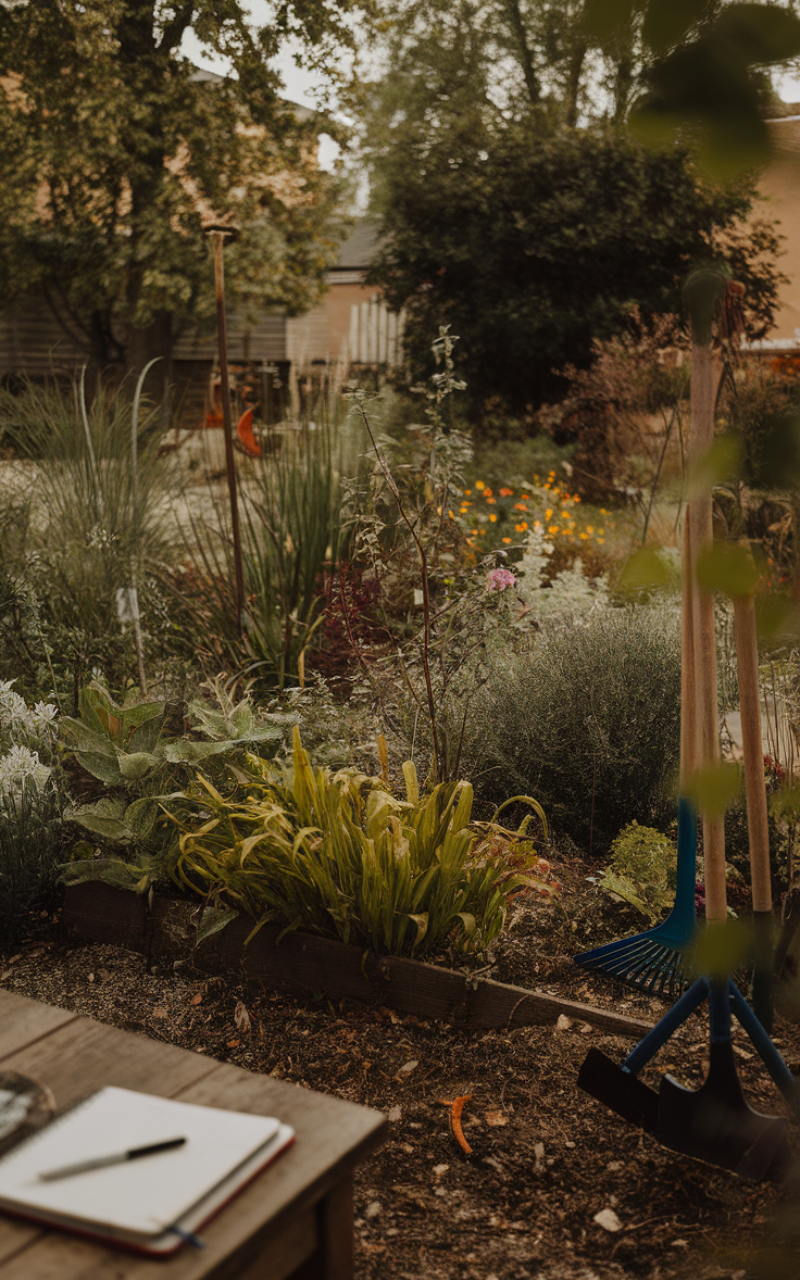
Documenting plant performance, soil amendments, and pest activity helps refine strategies and improve productivity.
Organic Gardening Task List Tip: Keep a detailed garden journal or digital log to track successes, challenges, and adjustments season after season.
Conclusion
Following a structured organic gardening task list ensures soil vitality, pest-free crops, and abundant harvests while maintaining eco-friendly practices. By consistently applying these 17 tasks from soil testing to record keeping, gardeners can create a resilient, productive, and sustainable garden that thrives season after season.