
Join Our Newsletter for Cozy Home Inspiration, Family Fun, and Delicious Recipes Every Week
17 Smart Ways to Start Homesteading with No Money

When I first stumbled into the world of homesteading, it felt like a beautiful dream wrapped in chaos.
We had just bought a 5-acre property complete with a massive chicken coop and goat pens, and I couldn’t resist jumping in headfirst.
Within weeks, we had 23 chicks, two bottle-fed baby goats, seven cats (yes, seven!), a dog, and even a pair of guinea pigs. I traded a mean rooster for a kitten, planted a small orchard, and started remodeling our garage.
It all happened so fast that one day I stood in the middle of it all thinking, “What have I done?” That’s when I realized homesteading isn’t about how much money you have, it’s about using what you’ve got, getting creative, and learning as you go.
The biggest lesson came when the chaos settled. Every seasoned homesteader I talked to said the same thing: slow down, plan, and make it sustainable.
You don’t need thousands of dollars to start homesteading. You can barter just like I did with that rooster for a kitten.
You can repurpose old materials, trade tools, or even grow feed instead of buying it. One farmer friend taught me how to build an automatic feeder from a 55-gallon drum.
Another showed me how to turn kitchen scraps into compost gold. It’s not about perfection, it’s about progress. And with every little DIY project, the dream feels more like home.
If you’re sitting there wondering how to start homesteading with no money, here’s the truth: you already have everything you need. Start with your hands, your curiosity, and a willingness to learn.
Trade what you have for what you need. Reuse, recycle, and lean on your local community. Rural folks love helping a beginner get started.
Before you know it, your small steps will turn into a thriving little homestead. And when you finally sit on your porch, watching your animals roam and your garden grow, you’ll know you built it all from almost nothing.
And if you’re dreaming about turning your space into something cozy and inviting, make sure to check out my article on 16 Pergola Patio Ideas You’ll Fall in Love With because every homesteader deserves a beautiful spot to rest after a long day of hard, honest work.
17. Begin with What You Already Have
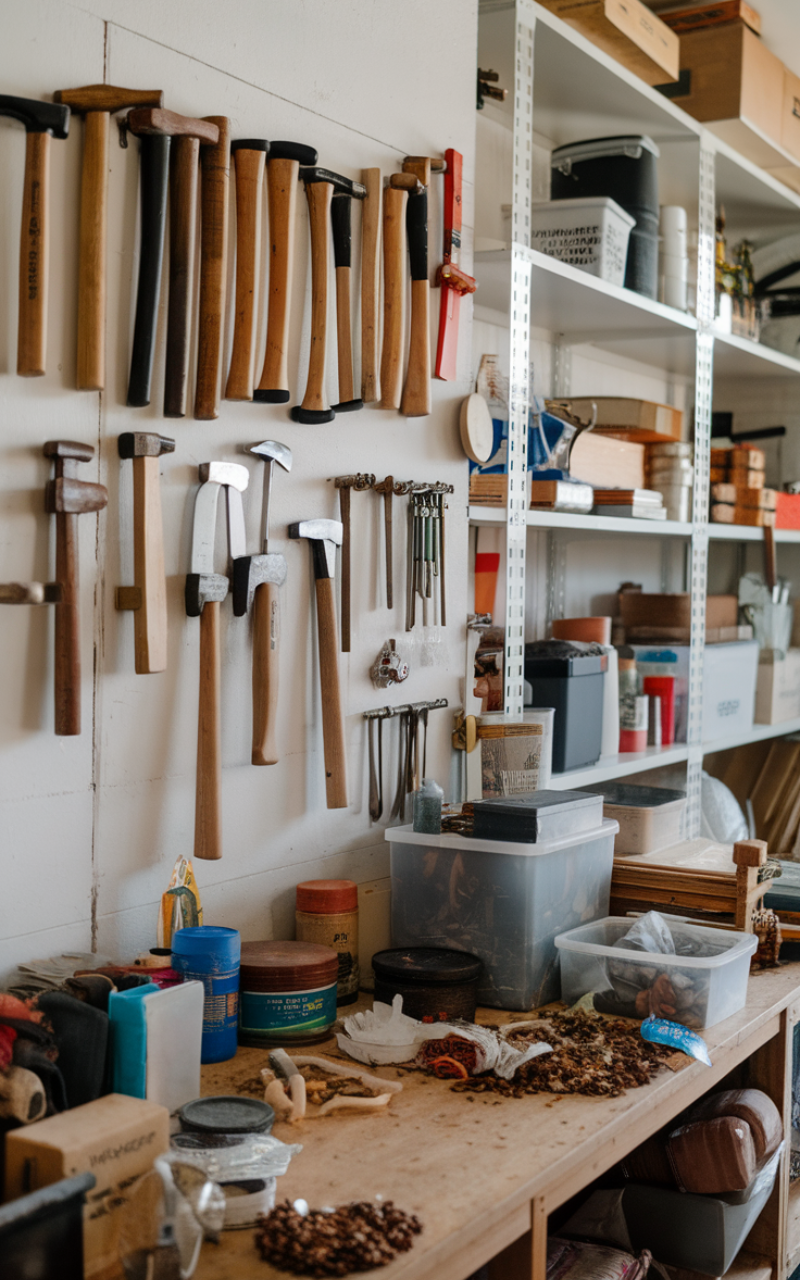
Before buying anything, assess what resources you already own. Look around your home, yard, or garage. Tools, containers, seeds, and scrap materials are all valuable. Many homesteaders underestimate how much they already have to get started.
Homesteading Tip: Reuse buckets, jars, and pallets instead of purchasing new supplies. Creativity saves cash.
16. Start Small with Container Gardening
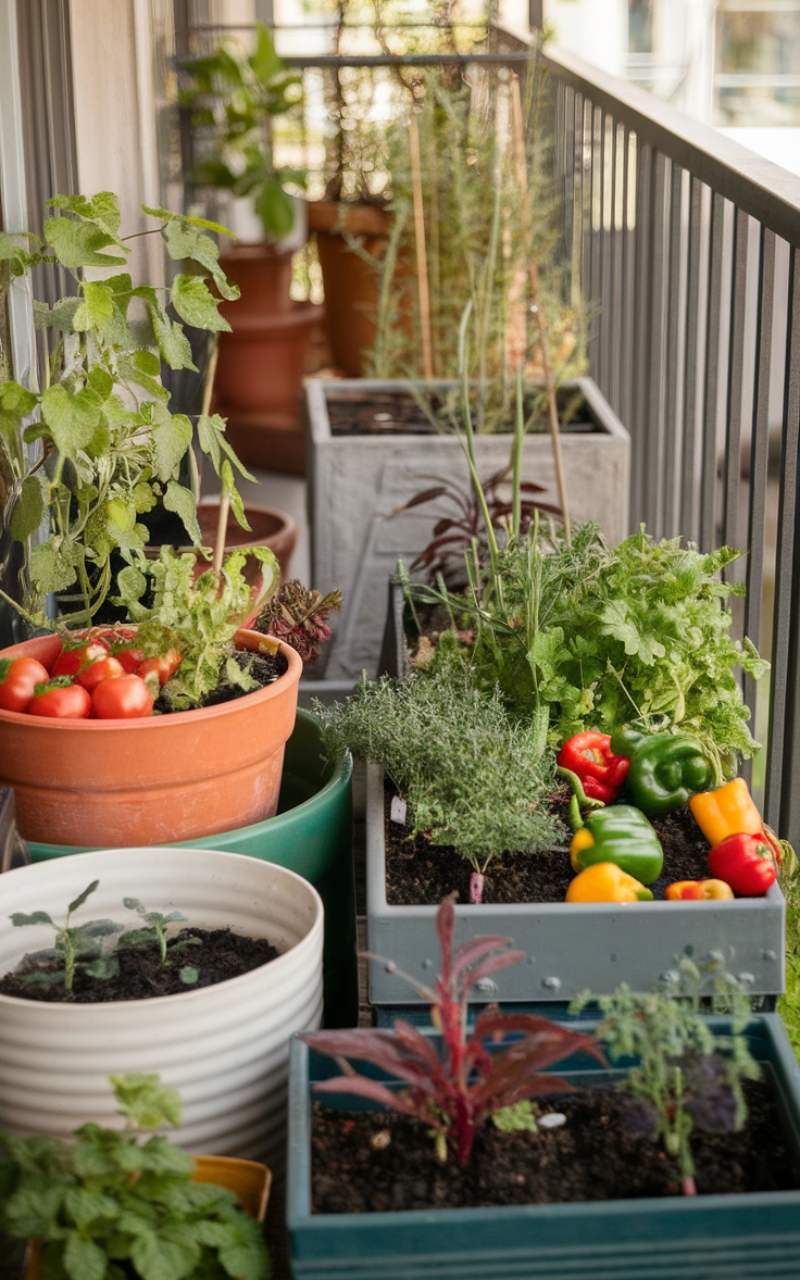
You don’t need acres of land to grow food. Use recycled containers, old tubs, or wooden crates to grow vegetables and herbs. Even a balcony or porch can support a productive mini-garden.
Homesteading Tip: Grow high-yield, low-maintenance crops like lettuce, green onions, or radishes to maximize your harvest.
15. Use Free Seeds and Cuttings
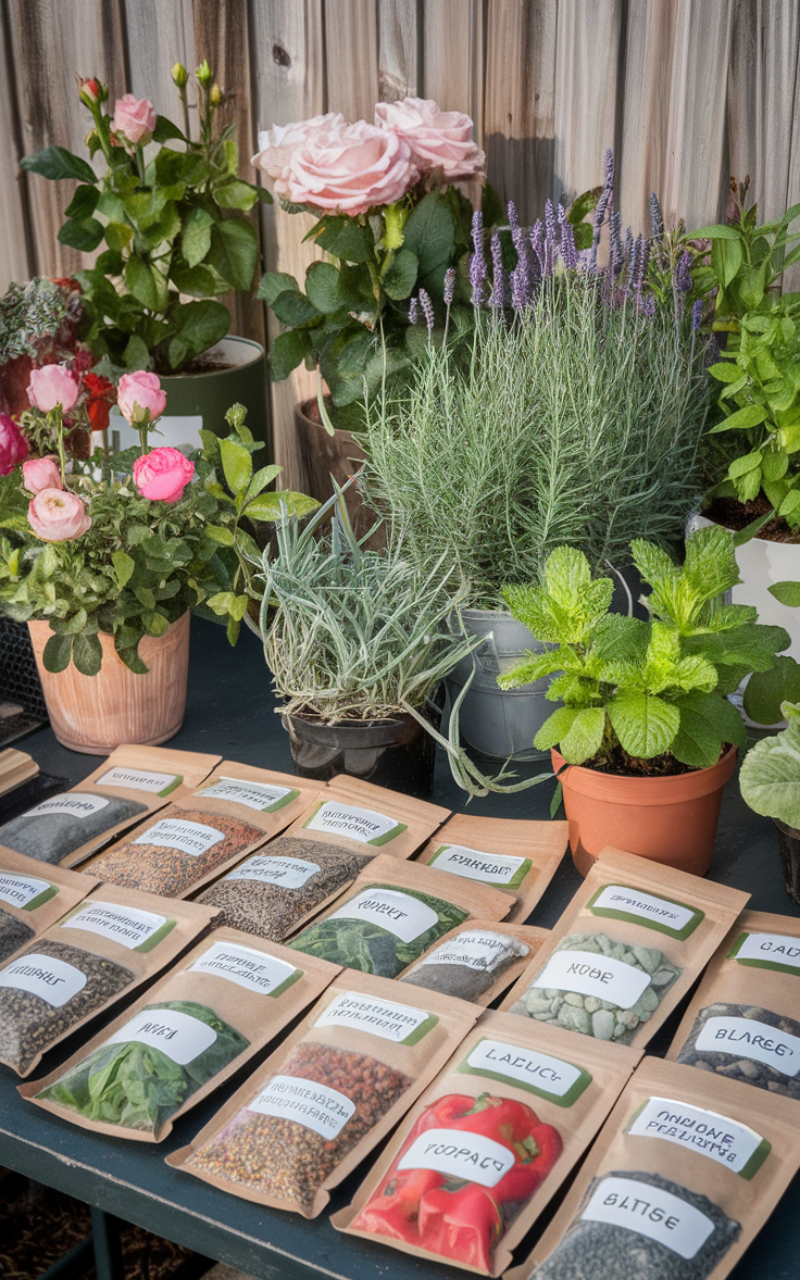
Seed exchanges, community gardens, or local Facebook groups often share free seeds and plant cuttings. You can also regrow vegetables from kitchen scraps such as celery, garlic, or potatoes.
Homesteading Tip: Learn to save your own seeds after each growing season. It’s free and sustainable.
14. Barter and Trade Skills
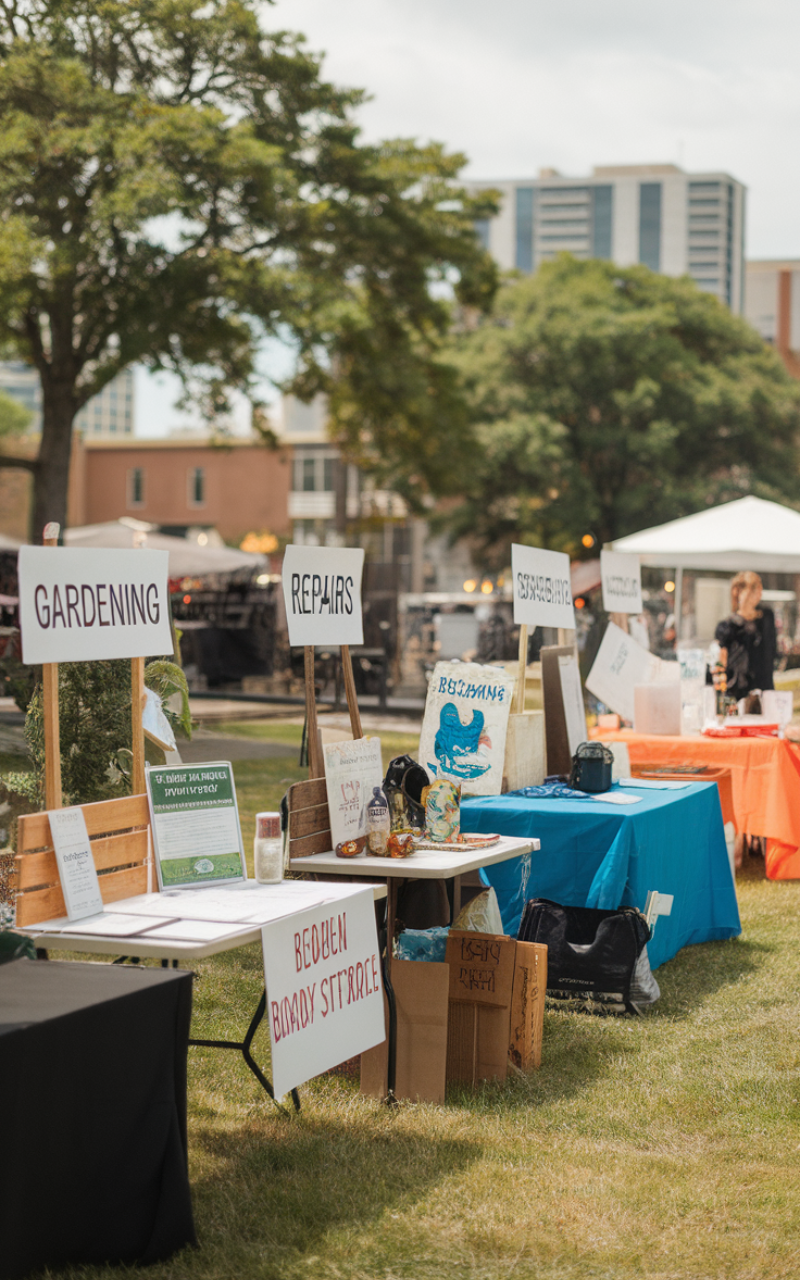
Homesteading thrives on community. Trade your skills for materials or services. Offer help with gardening, repairs, or babysitting in exchange for seeds, tools, or produce.
Homesteading Tip: Create a local barter network; it builds relationships and saves everyone money.
13. Start Composting for Free Fertilizer
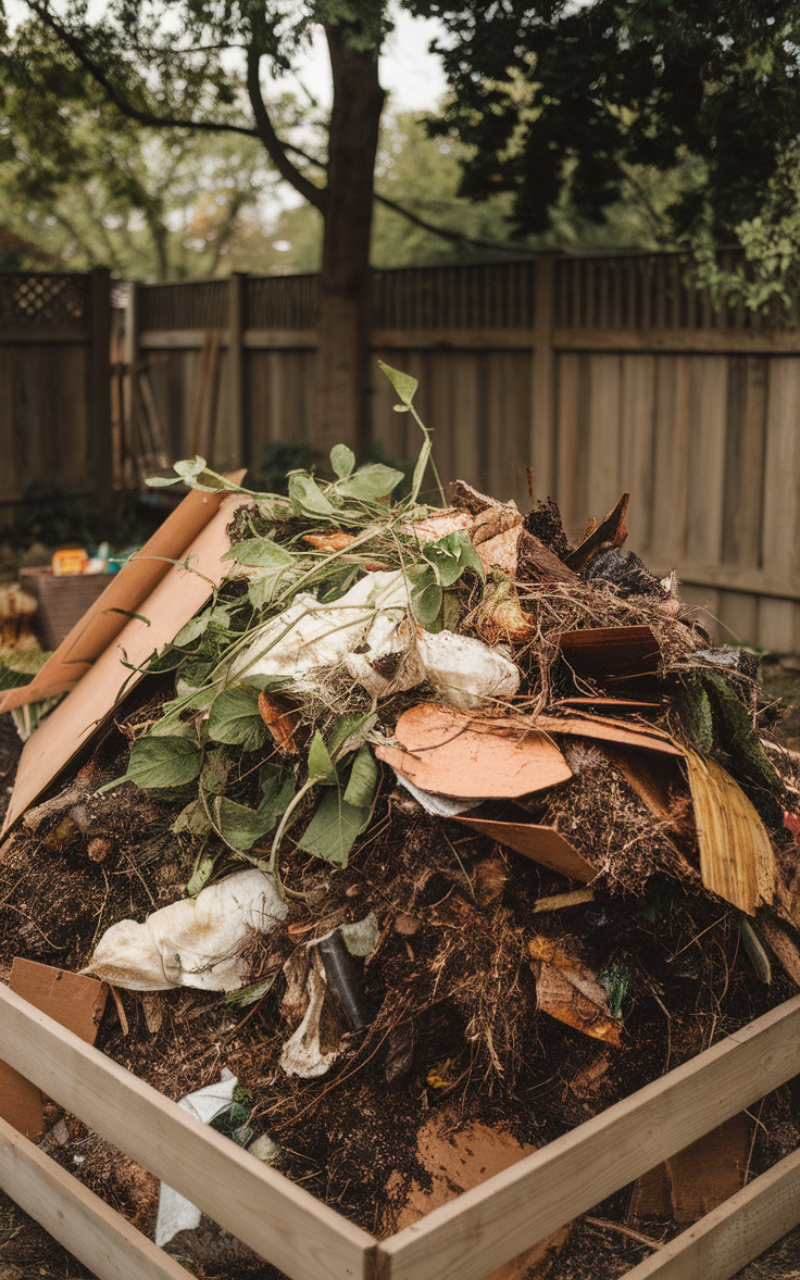
Composting costs nothing and turns waste into gold for your garden. Use kitchen scraps, leaves, and cardboard to create nutrient-rich soil.
Homesteading Tip: Avoid adding meat or oily food to your compost to prevent odor and pests.
12. Use Free Online Resources for Learning
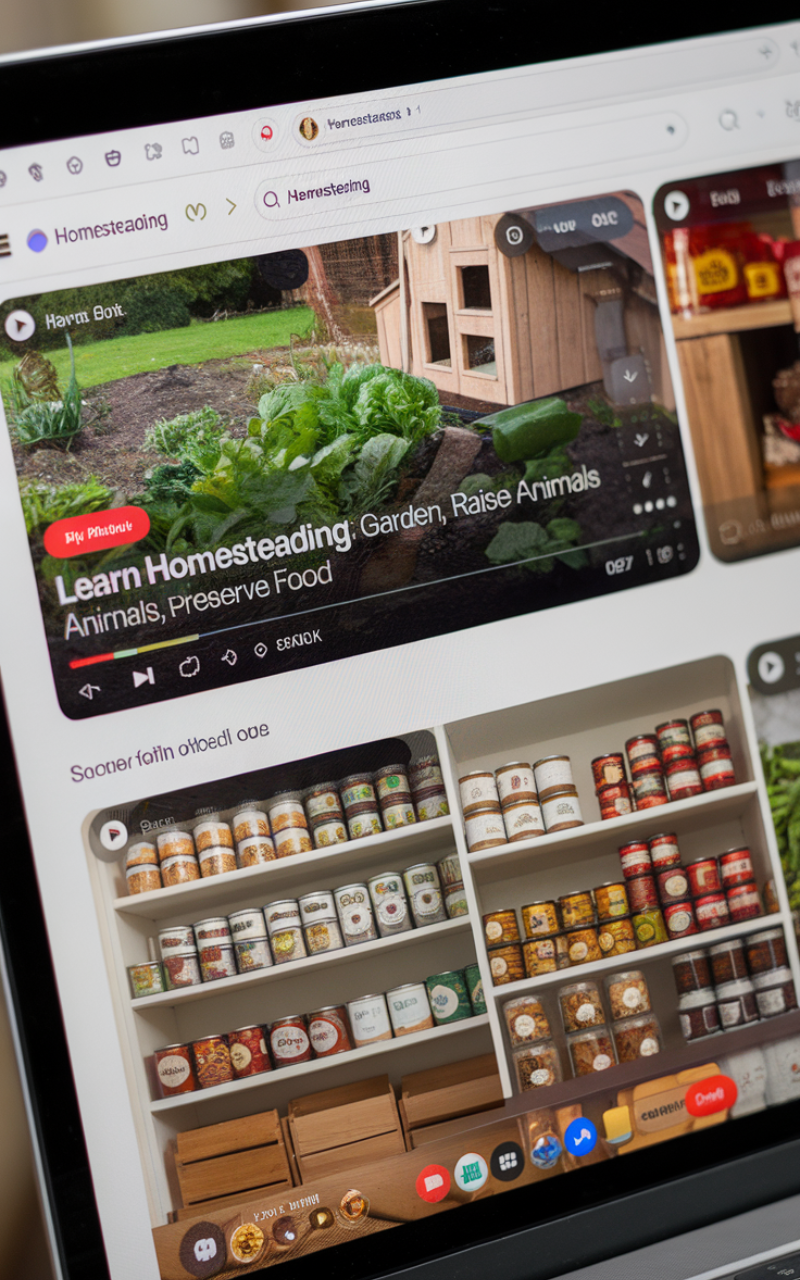
You can gain valuable homesteading knowledge without spending a dime. YouTube channels, blogs, and online forums offer free tutorials on gardening, raising animals, and preserving food.
Homesteading Tip: Take online community courses through local agricultural extensions, many are free.
11. Collect and Store Rainwater
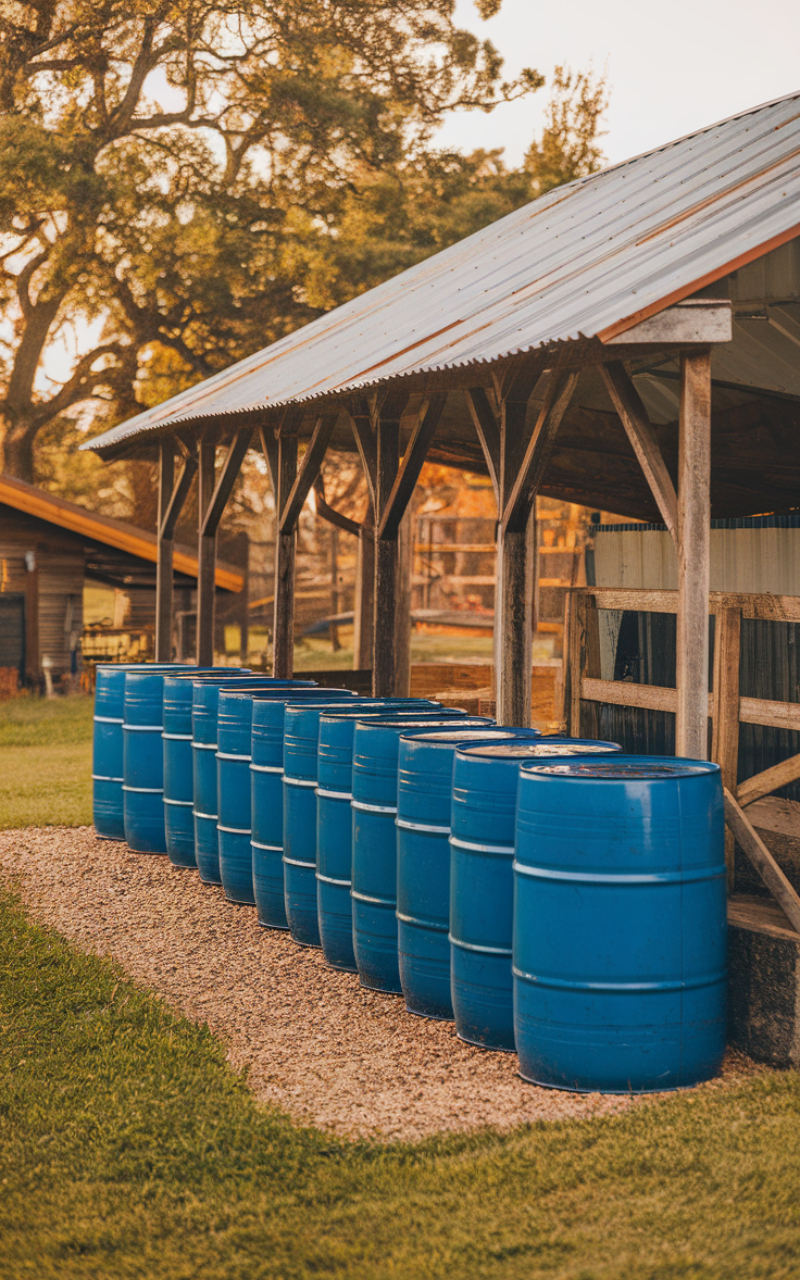
Water is essential for homesteading, and you can get it for free. Set up barrels or large containers under your gutters to collect rainwater for your garden and livestock.
Homesteading Tip: Place mesh screens on barrels to keep debris and insects out.
10. Raise Low-Cost Livestock
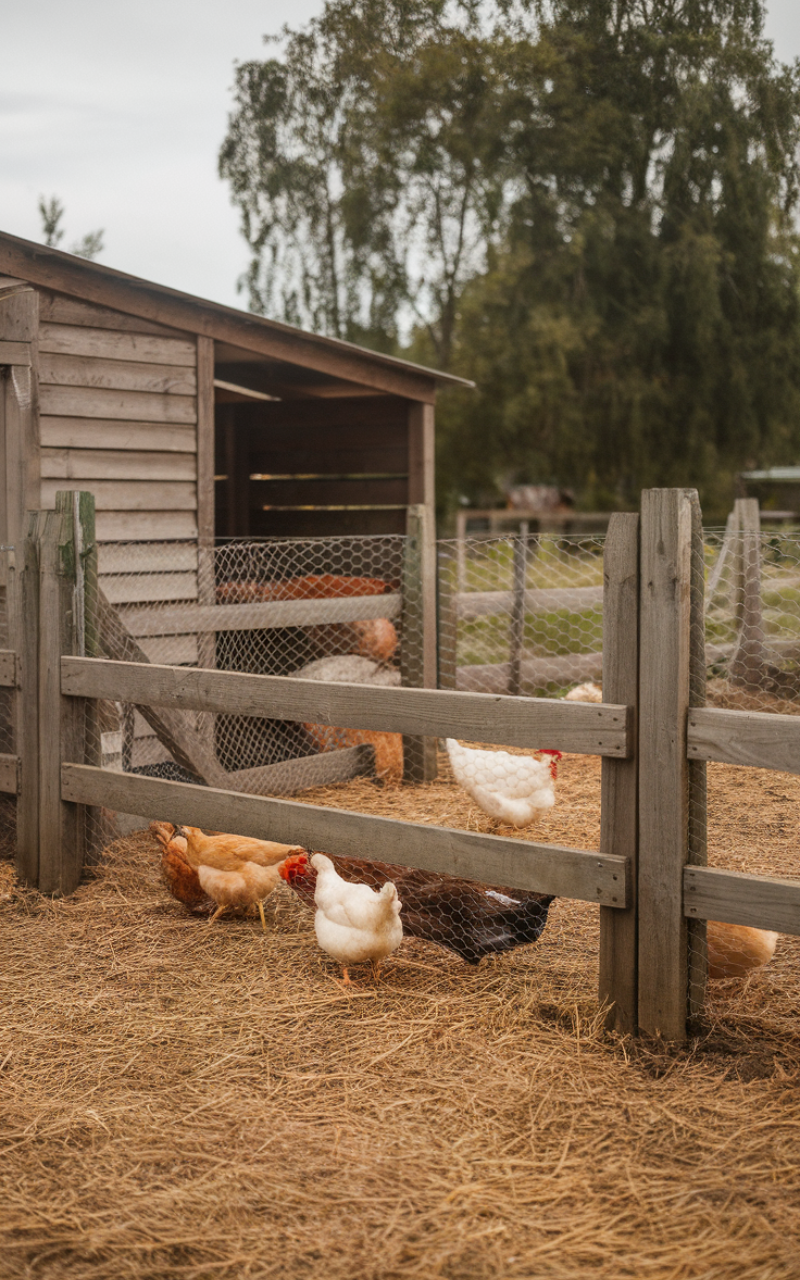
Start small with affordable animals such as chickens, ducks, or rabbits. These animals require minimal investment and can provide food and fertilizer for your homestead.
Homesteading Tip: Look for free or rehomed animals on local listings before buying new stock.
9. Repurpose and Reuse Materials
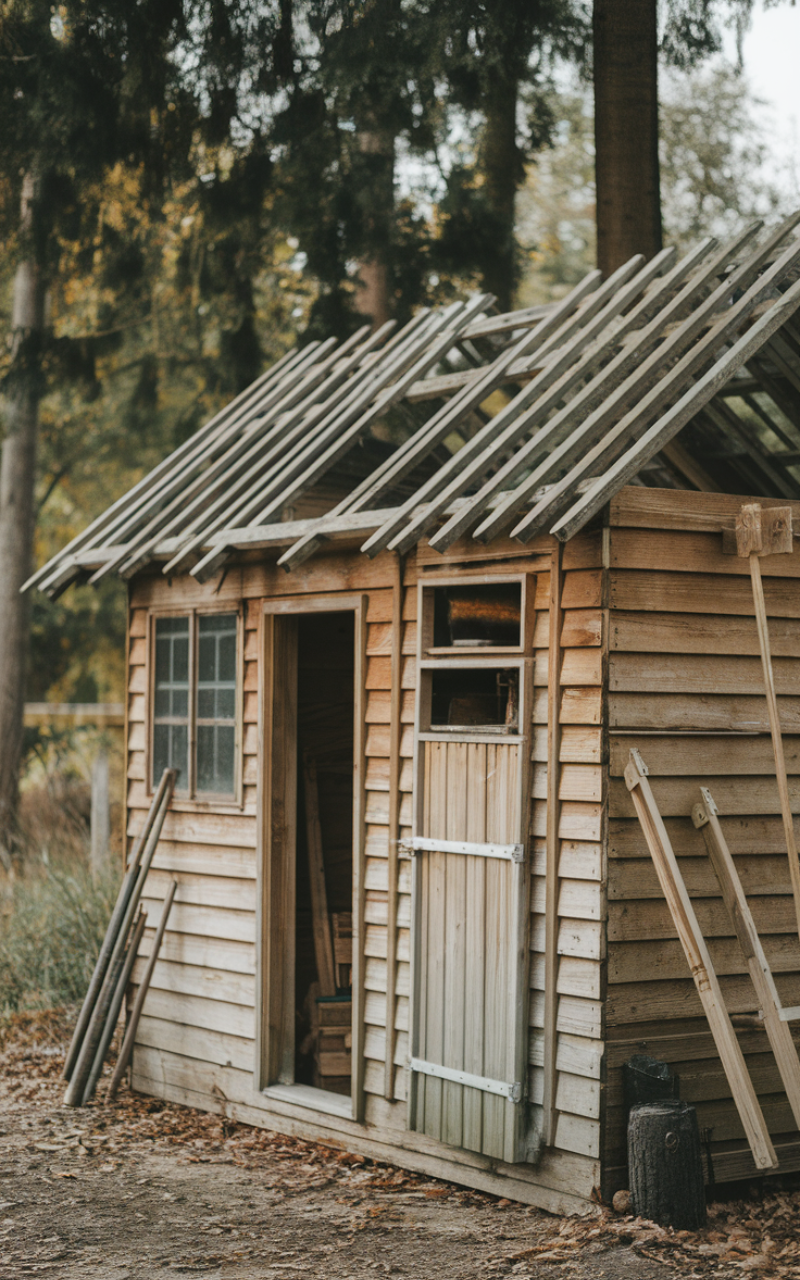
Building with what you have is one of the smartest ways to save money. Use salvaged wood, old fencing, or leftover materials to build coops, raised beds, and sheds.
Homesteading Tip: Visit construction sites or recycling centers; they often give away scrap materials for free.
8. Grow Perennial Crops
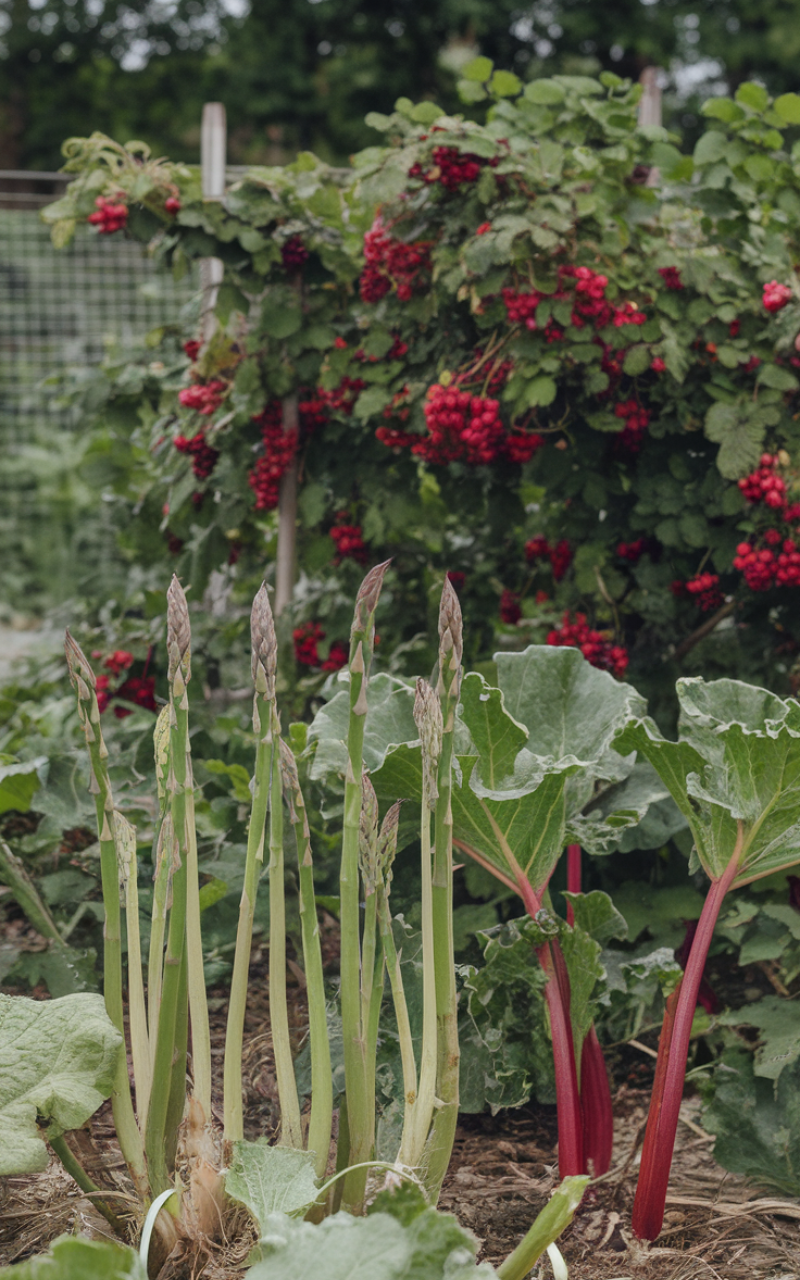
Perennial plants like rhubarb, asparagus, and berry bushes grow year after year, reducing replanting costs. Once established, they’ll feed you for seasons to come.
Homesteading Tip: Ask friends or neighbors for clippings of established perennials; most gardeners are happy to share.
7. Forage for Wild Foods
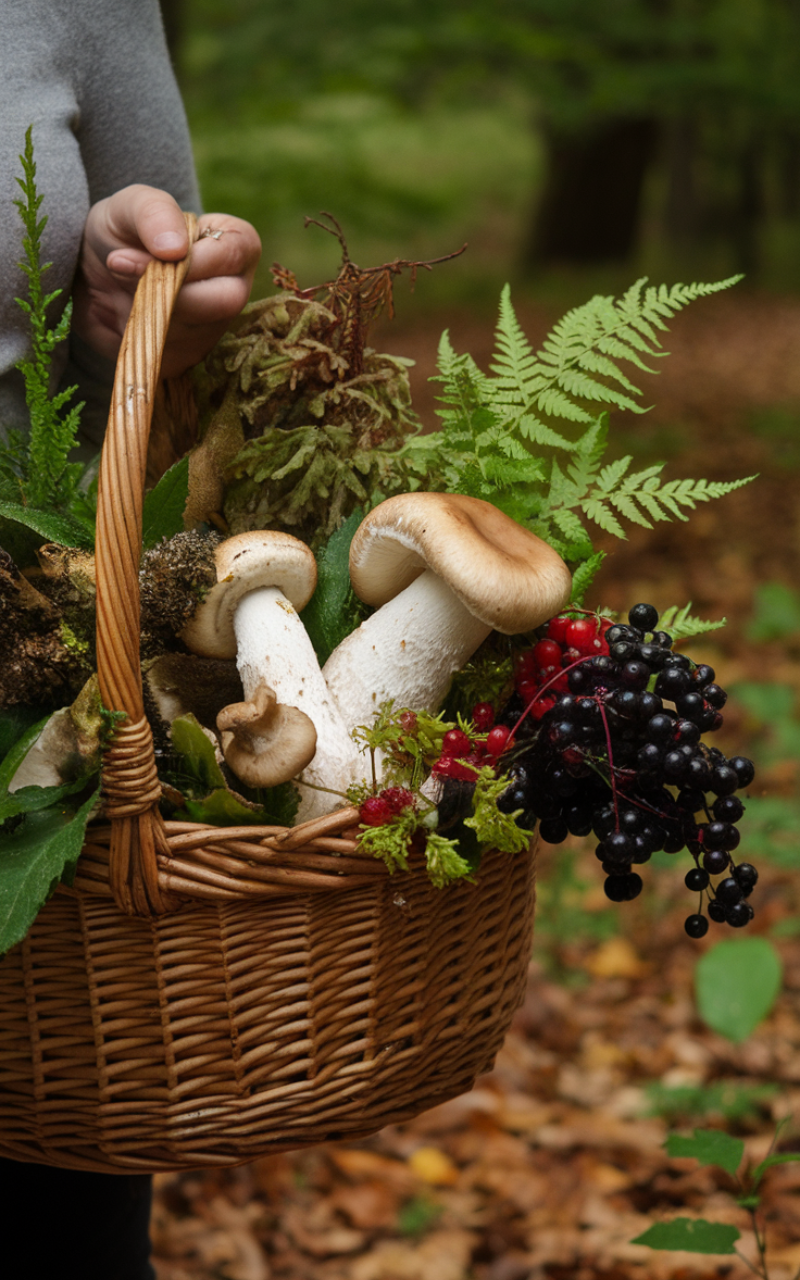
Learn to identify edible wild plants, mushrooms, and berries native to your region. Foraging provides free nutrition and deepens your connection to the land.
Homesteading Tip: Always double-check identification before consuming wild plants. Safety first.
6. Sell or Trade Homemade Goods
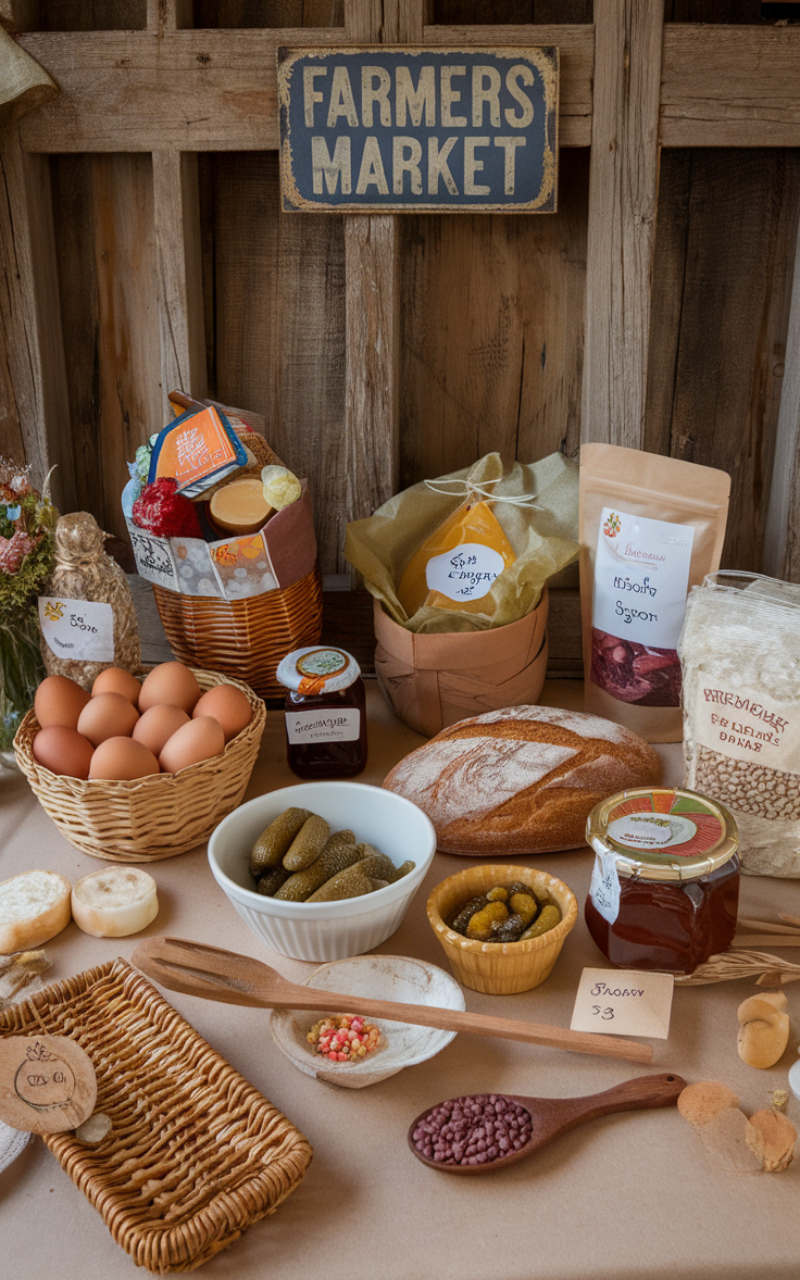
Turn your homesteading efforts into income. Sell handmade crafts, produce, baked goods, or preserves at local markets or online platforms.
Homesteading Tip: Start small and reinvest your profits into essential supplies like tools or animal feed.
5. Use Free or Borrowed Land
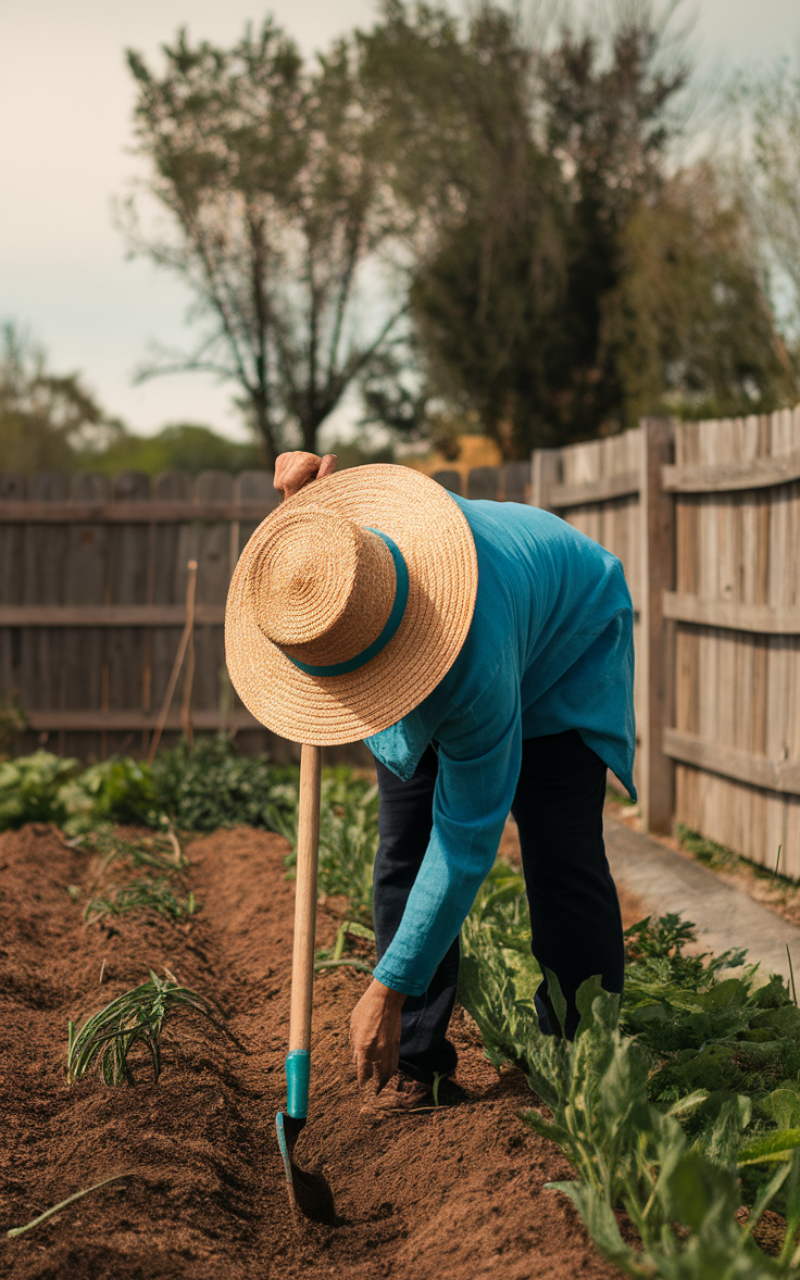
If you don’t own property, ask family, friends, or local landowners if you can use unused land in exchange for maintaining it. Many people are happy to have their property cared for.
Homesteading Tip: Offer a portion of your harvest as a thank-you to landowners.
4. Build a DIY Rainwater and Irrigation System
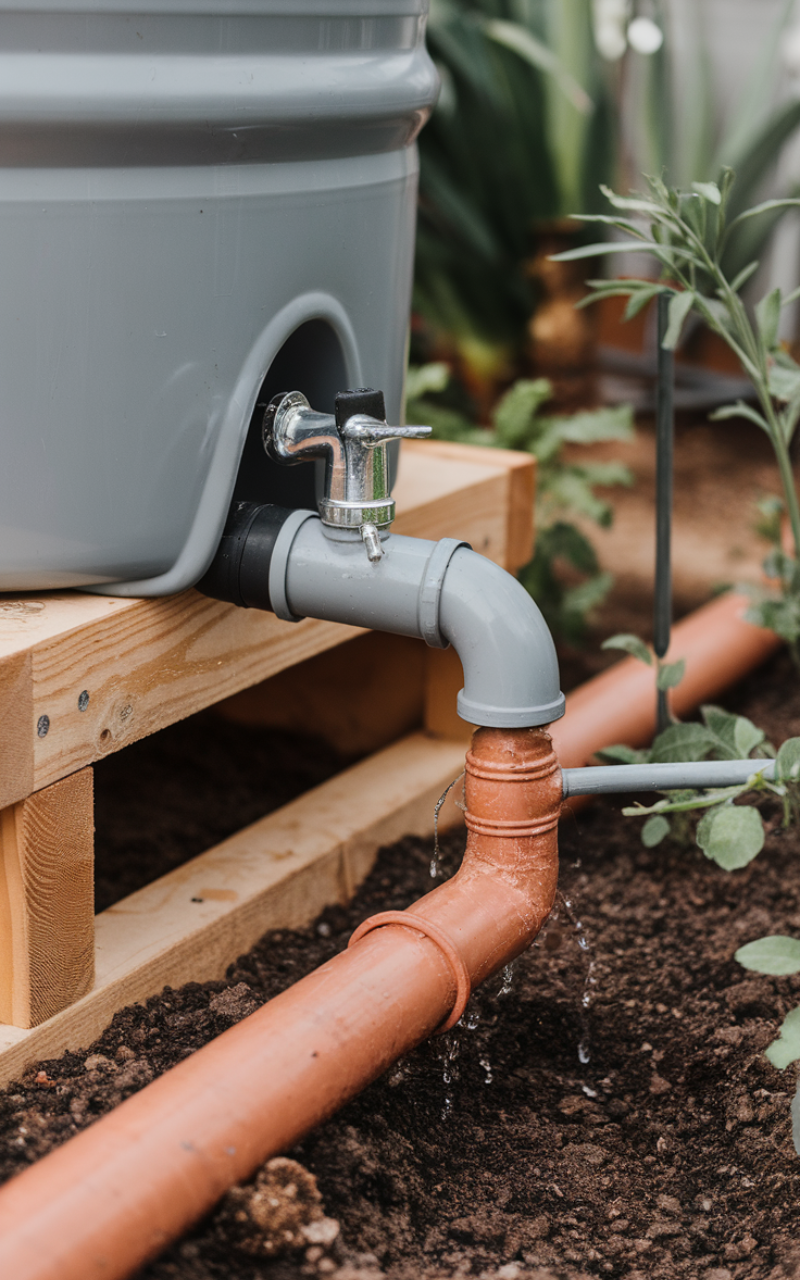
Watering your crops doesn’t require expensive systems. PVC pipes, old hoses, and recycled barrels can create efficient irrigation networks for free.
Homesteading Tip: Use gravity-fed systems to minimize water pump costs.
3. Preserve Food Without Fancy Equipment
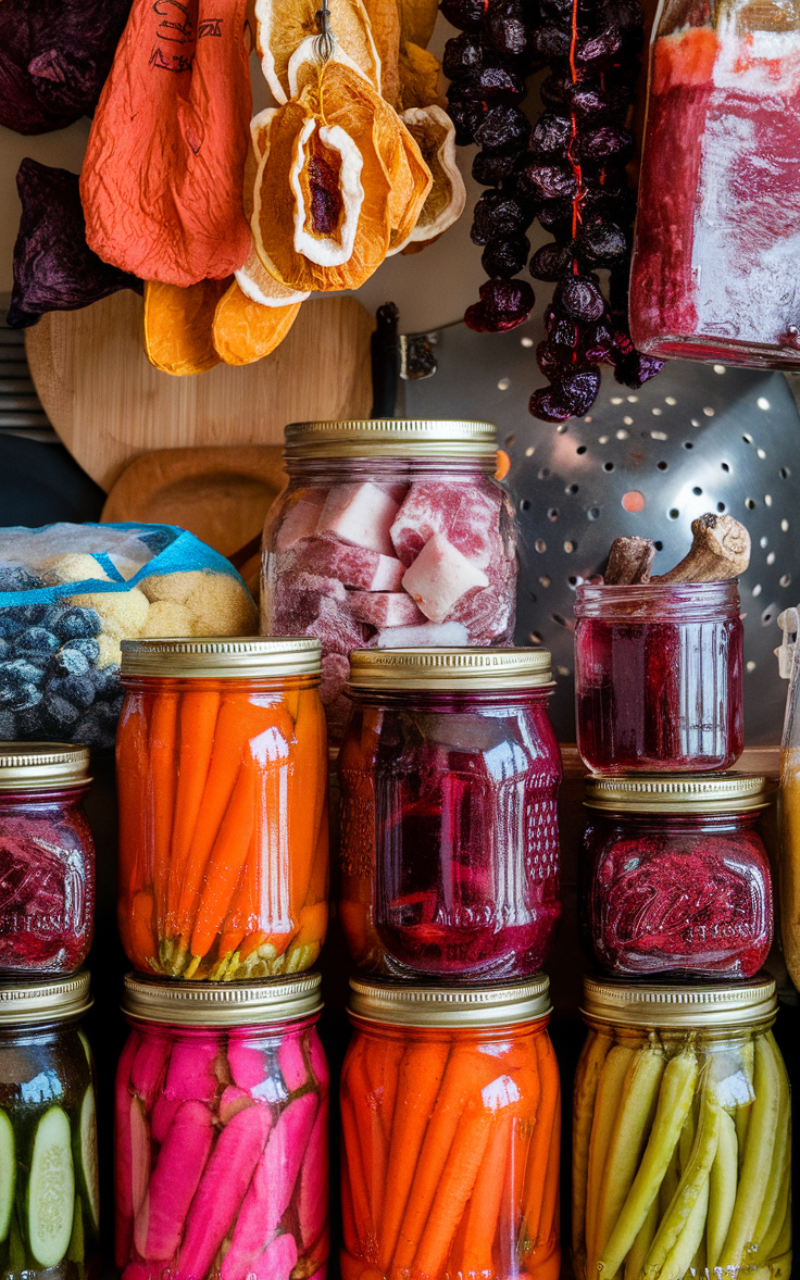
You can start preserving your harvest with simple methods like drying, pickling, and freezing. Mason jars, salt, vinegar, and sun-drying are low-cost ways to store food long-term.
Homesteading Tip: Start with what you grow; even small batches help you learn food preservation.
2. Learn DIY Repair and Maintenance
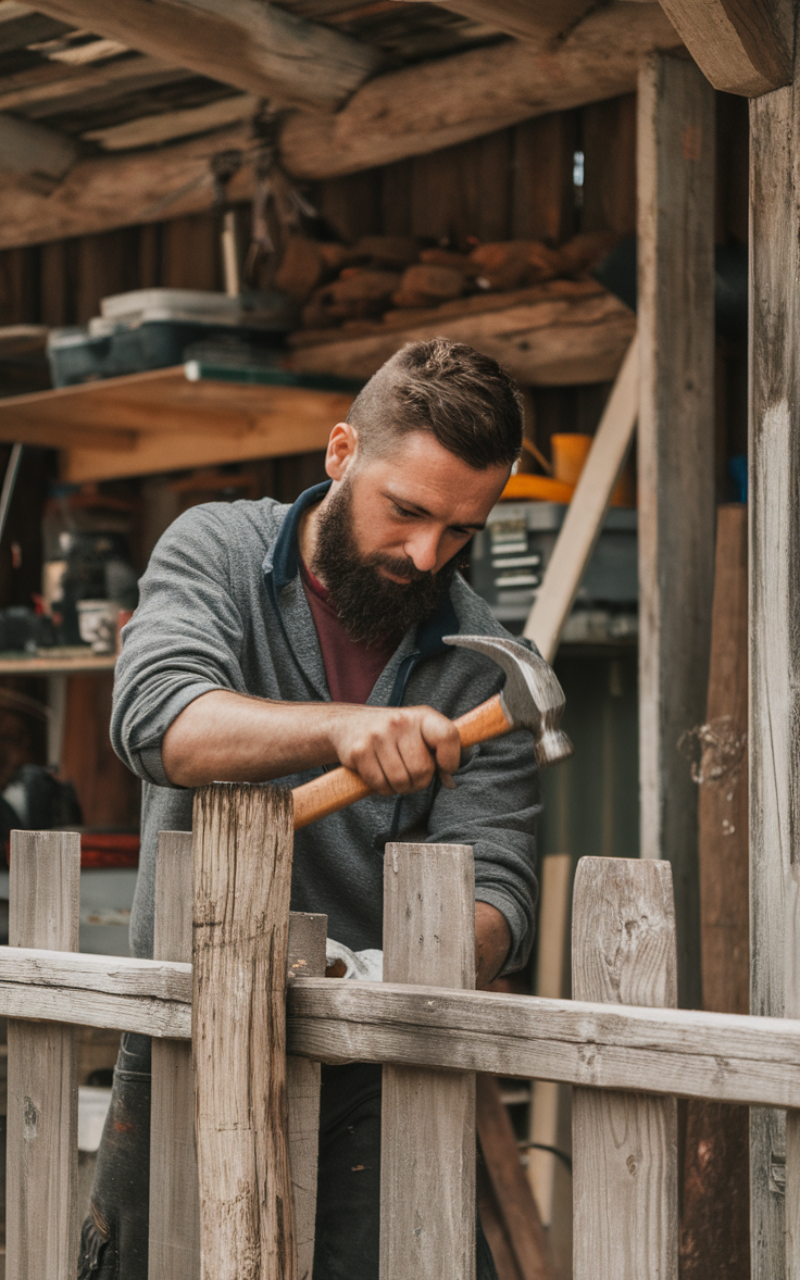
Homesteading often means fixing things yourself. Use free online guides to learn plumbing, fence repair, or basic carpentry. The more you can repair, the less you spend.
Homesteading Tip: Invest time, not money, learning hands-on skills saves thousands over time.
1. Build a Community and Share Resources
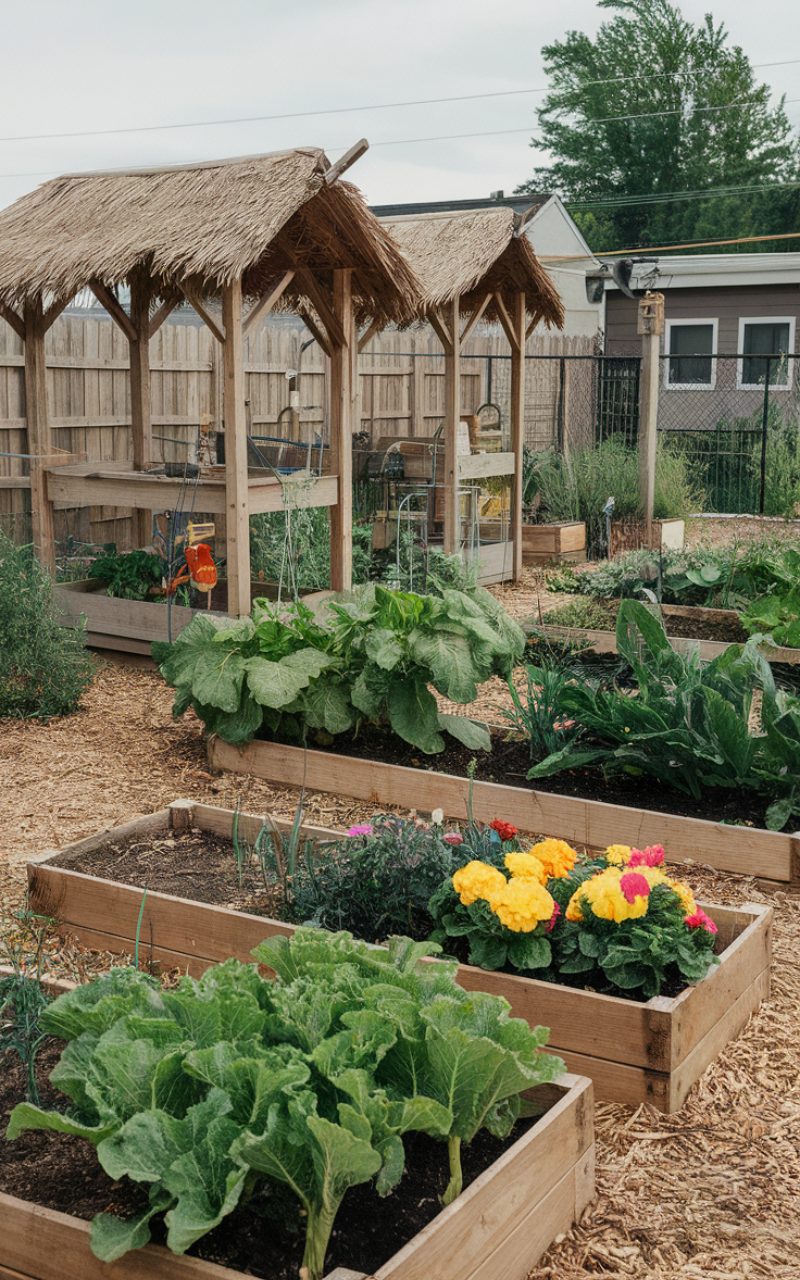
Your most valuable homesteading asset is your community. Share seeds, tools, and time with others who share your goals. Group projects like community gardens or shared tool sheds cut costs dramatically.
Homesteading Tip: Surround yourself with people who value cooperation over competition; it makes the journey sustainable and fulfilling.
Conclusion
Starting a homestead with no money is entirely possible if you focus on creativity, resourcefulness, and community. The most successful homesteads grow from time, effort, and passion rather than expensive tools or large properties. By reusing materials, trading skills, and starting small, you’ll build a sustainable foundation that grows stronger each year.