
Join Our Newsletter for Cozy Home Inspiration, Family Fun, and Delicious Recipes Every Week
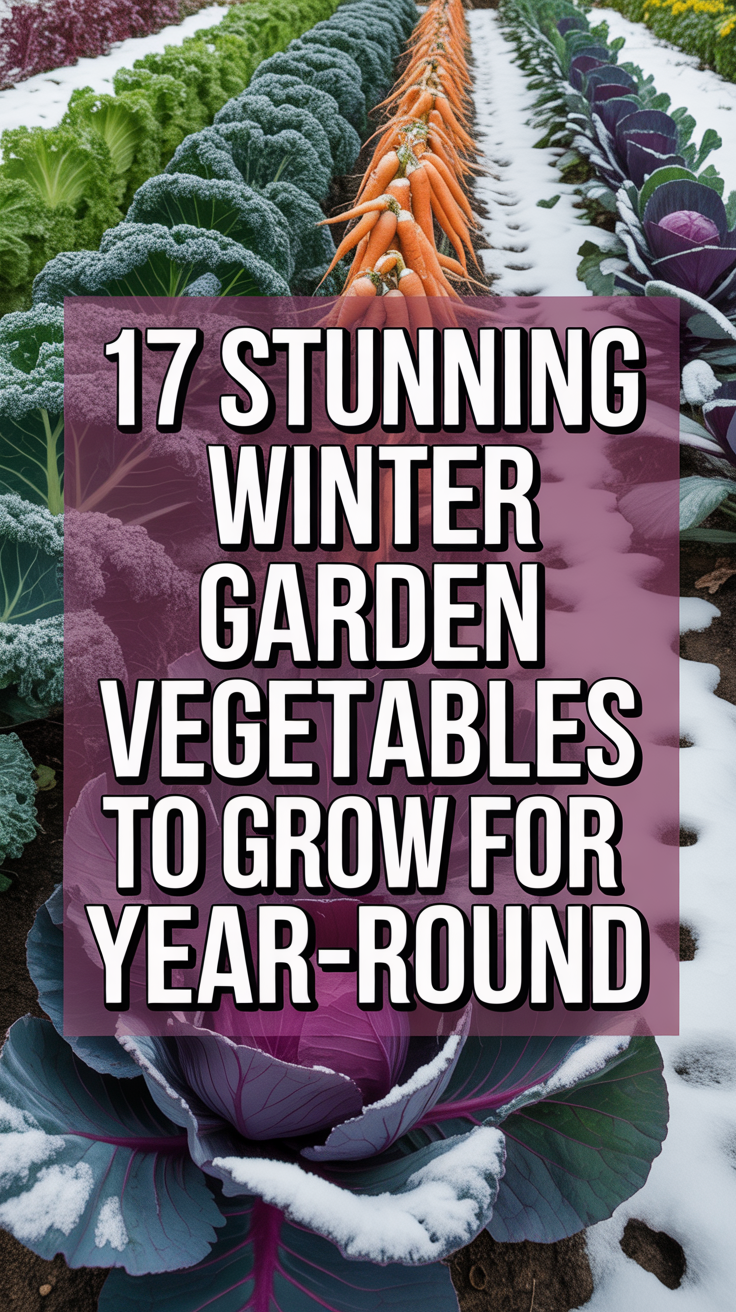
17 Stunning Winter Garden Vegetables To Grow For Year-Round

When I first heard about Winter Garden, it sounded like a dream, a picturesque town filled with palm-lined streets, lakes that shimmered under the sun, and a community that promised.
But as I planned my move from South Florida to the Orlando area, doubts started to creep in. Was Winter Garden really as warm and welcoming as it looked from afar?
Visiting is one thing; living there, day after day, is another. I wanted more than a pretty zip code; I wanted a sense of community, safety, and connection.
Coming from such a diverse and vibrant area, I worried that Winter Garden might feel too polished, too quiet, too… distant.
My first tour through Waterleigh and Lake Britt was enchanting manicured lawns, calm lakes, and a stillness that felt almost too perfect.
Yet something was missing. I asked around and quickly learned that Winter Garden has many layers. The south end, near Flamingo Crossings, buzzes with Disney energy, a mix of cast members, tourists, and temporary residents.
It’s beautiful, but a bit transient. Locals suggested I look north, toward downtown Winter Garden, where the cobblestone streets, Saturday farmers markets, and live music on Friday nights bring neighbors together.
There, I could sense the heartbeat of the town slower, yes, but real. Families chatting over coffee, cyclists rolling by, and kids running through splash fountains.
That’s when I realized: Winter Garden isn’t about finding the “perfect” neighborhood; it’s about choosing the rhythm that fits your life. For me, that meant a home closer to downtown, walkable, full of charm, and connected.
The secret was learning from those who live there, joining the local Facebook groups, and visiting during community events like food truck nights. Once I did, the pieces started to fall into place.
Now, Winter Garden feels like home, safe, friendly, and alive in its own, understated way. It’s not South Florida’s hustle, and it’s not Disney’s fantasy.
It’s a balance between both calm yet connected, charming yet practical. And as I settled into my new space, I found myself drawn to natural tones and soft, grounded interiors.
Maybe that’s why my home now feels so peaceful. If you love that cozy, earthy aesthetic as much as I do, check out my article on “16 Inspiring Neutral Boho Bedrooms Ideas.” Whether it’s your home or your hometown, finding the right vibe makes all the difference.
17. Kale – The Hardy Superfood
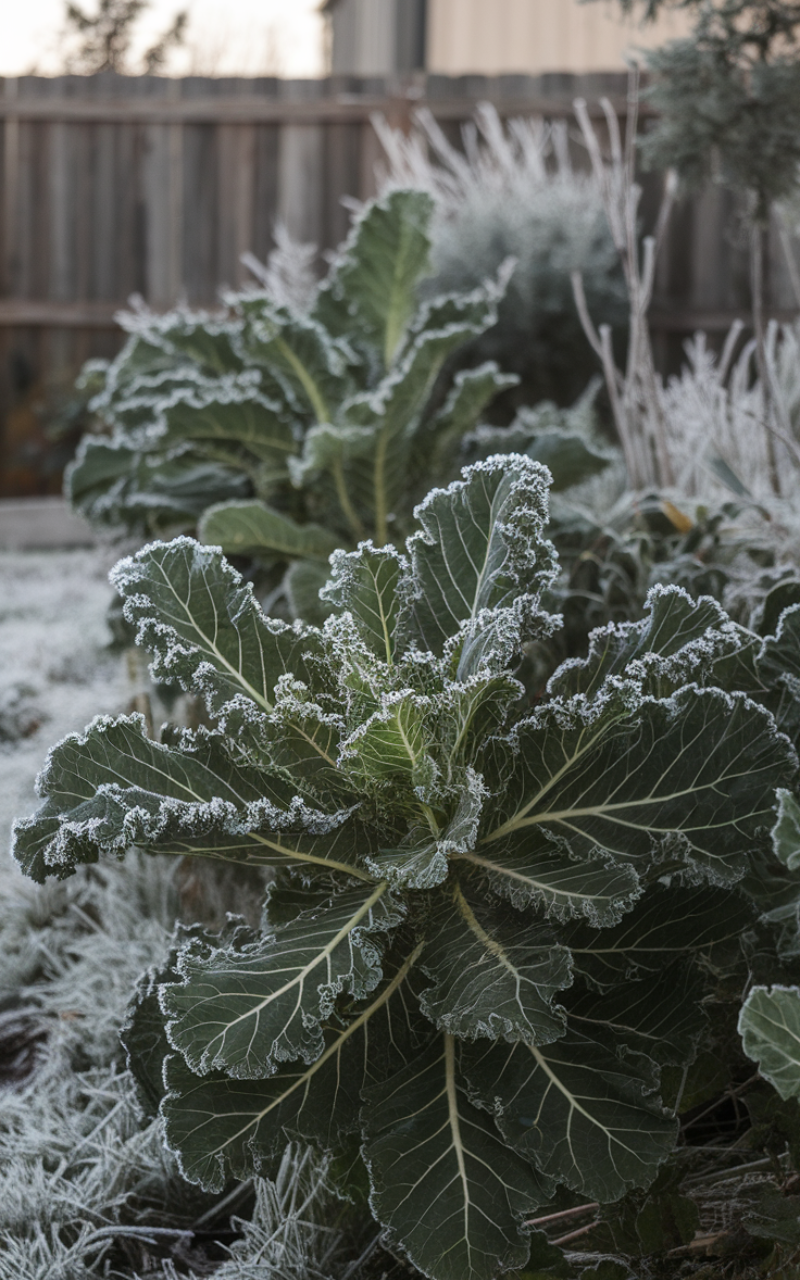
Kale thrives in cold conditions and often improves in flavor after a frost. Its nutrient density and versatility make it a winter garden staple.
Winter Garden Tip: Plant in well-draining soil and use row covers to extend harvests through the coldest months.
16. Spinach – Fast-Growing Leafy Green
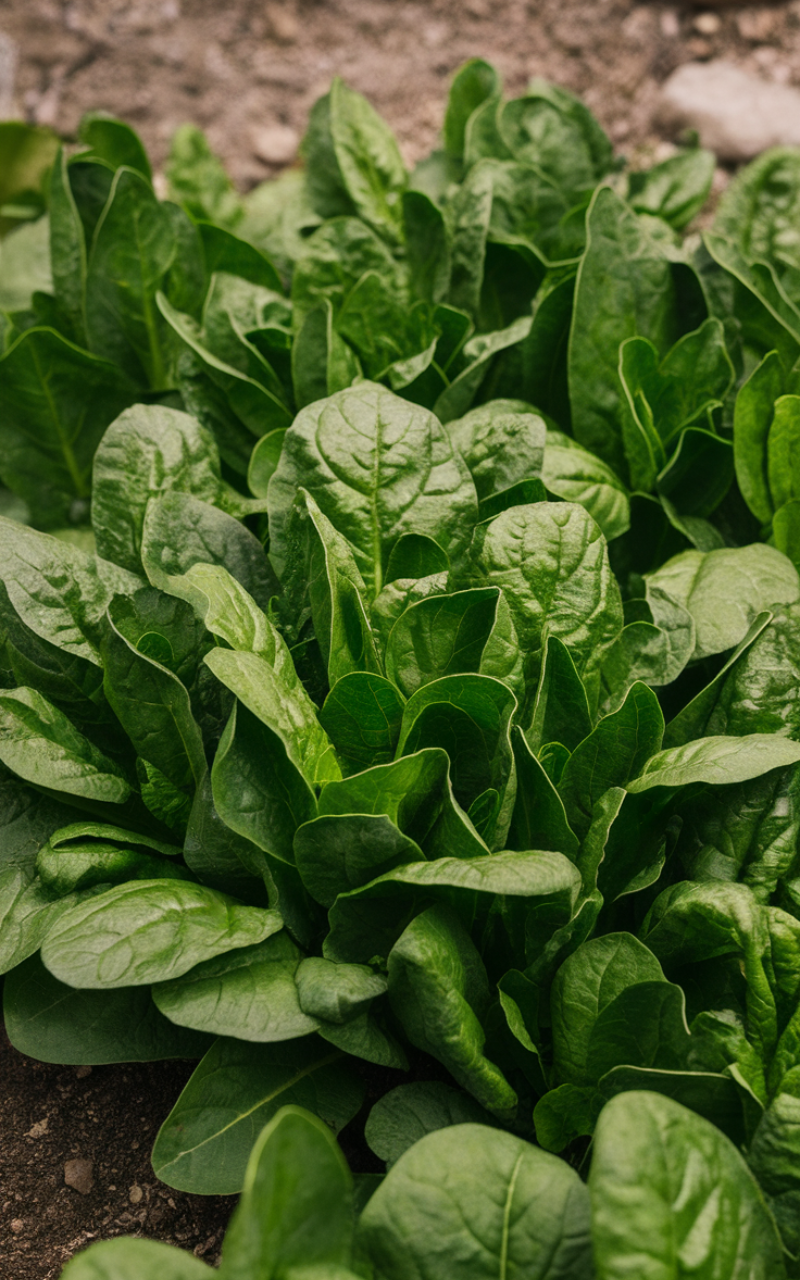
Spinach tolerates frost and grows quickly, providing tender leaves for salads and cooking. Successive sowing ensures a continuous supply.
Winter Garden Tip: Sow seeds every 2-3 weeks and use cloches to protect young plants from freezing.
15. Swiss Chard – Colorful and Resilient
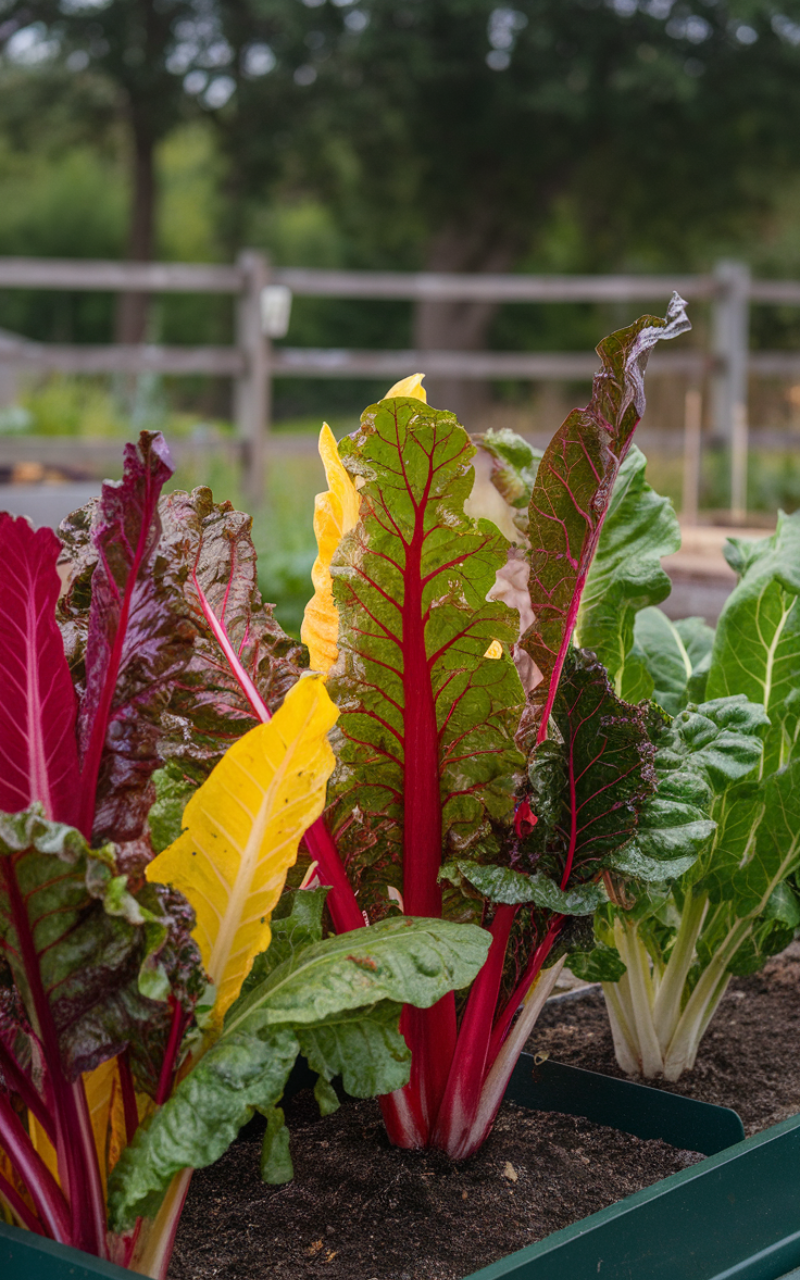
Swiss chard withstands cold temperatures and adds vibrant color to the garden with red, yellow, and green stalks.
Winter Garden Tip: Mulch around plants to retain soil warmth and prevent frost damage.
14. Carrots – Sweet Roots in Winter Soil
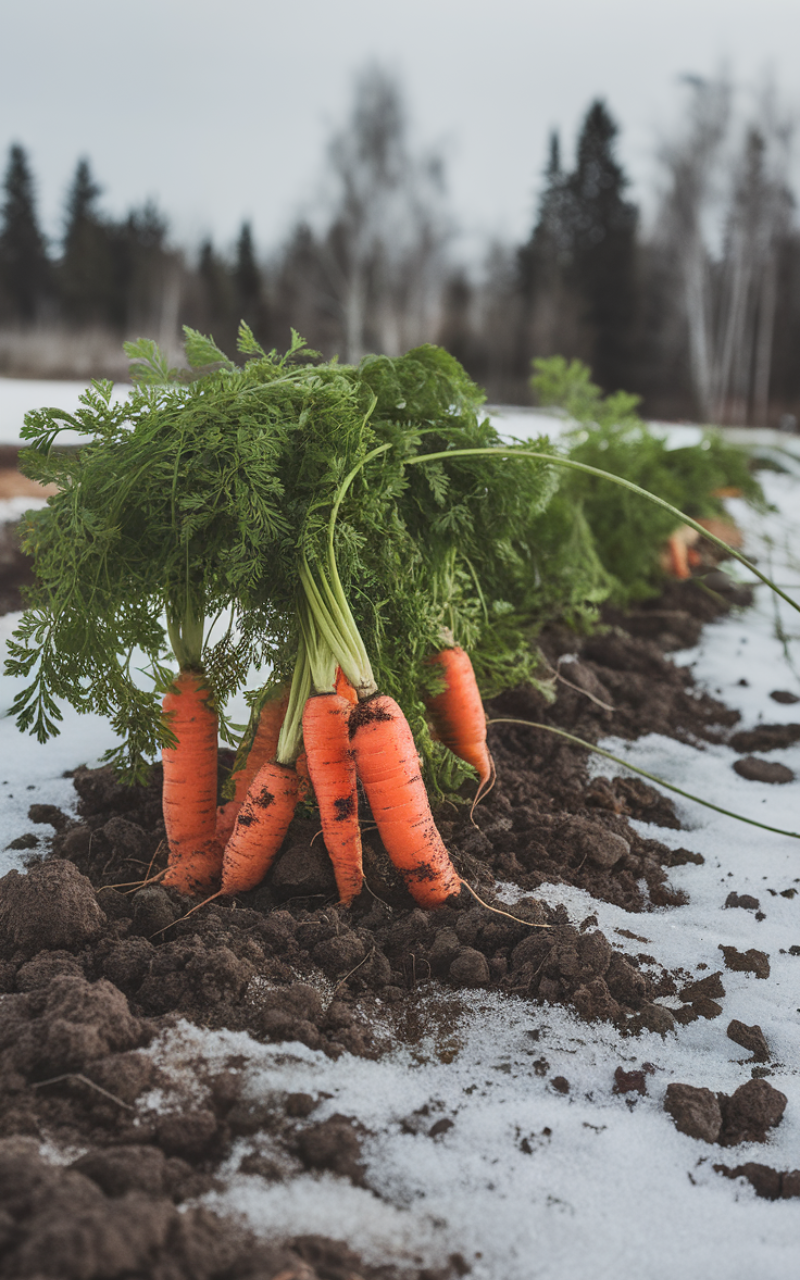
Cold-hardy carrots store well in the soil and often develop enhanced sweetness after frost exposure.
Winter Garden Tip: Use deep, loose soil and consider row covers for extremely cold regions.
13. Garlic – Plant in Autumn for Summer Harvest
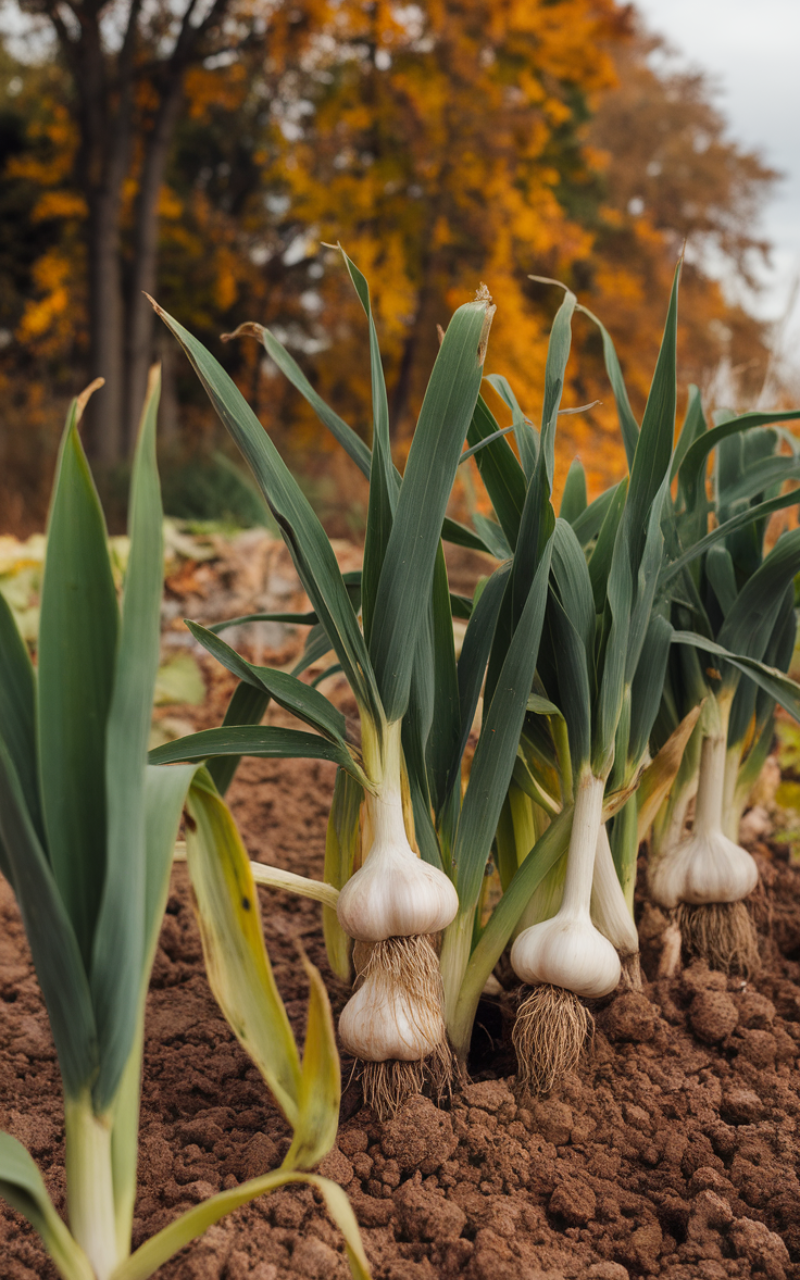
Garlic planted in late fall develops strong bulbs over winter and is ready for summer harvest.
Winter Garden Tip: Space cloves adequately and mulch heavily to protect against harsh frost.
12. Leeks – Long-Lasting Cold Crop
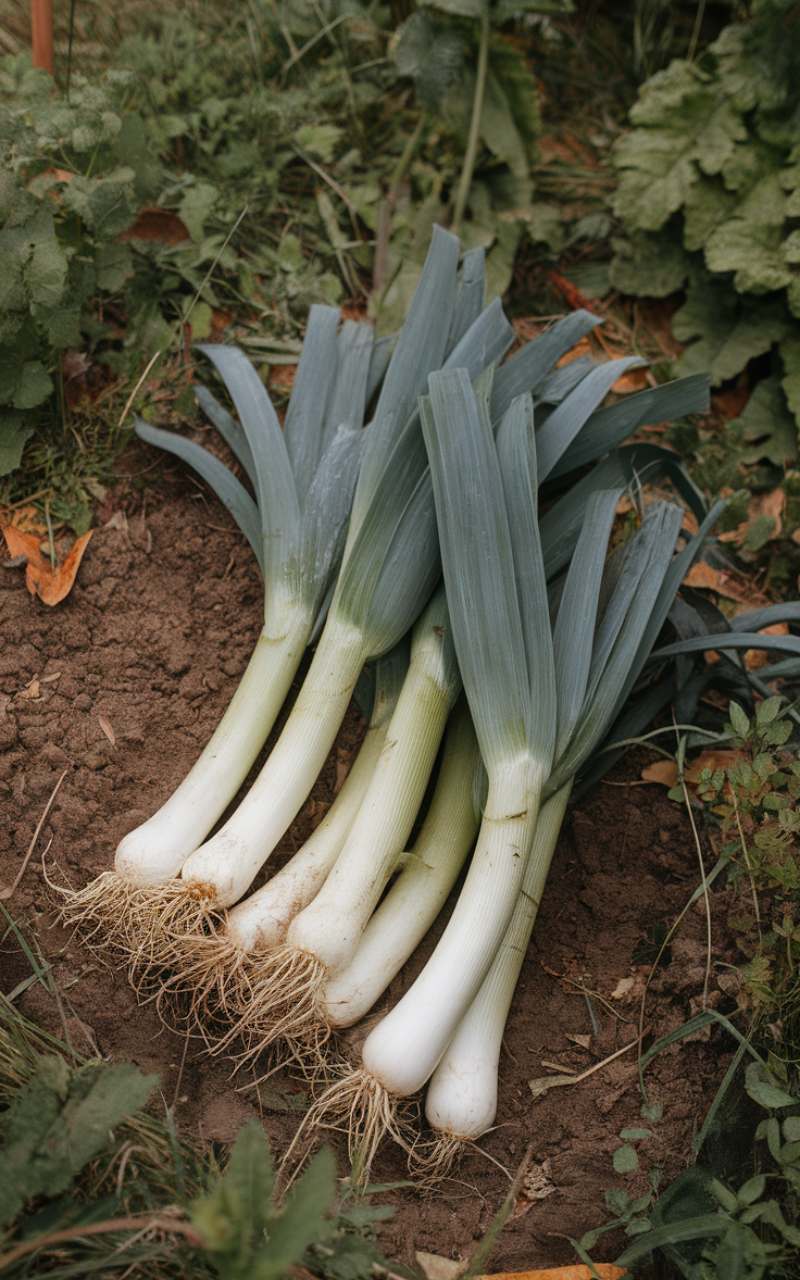
Leeks tolerate frost and can remain in the garden through winter, providing flavorful stalks for soups and stews.
Winter Garden Tip: Hill soil around stalks as they grow to blanch stems and protect from freezing.
11. Parsnips – Sweet Roots Enhanced by Frost
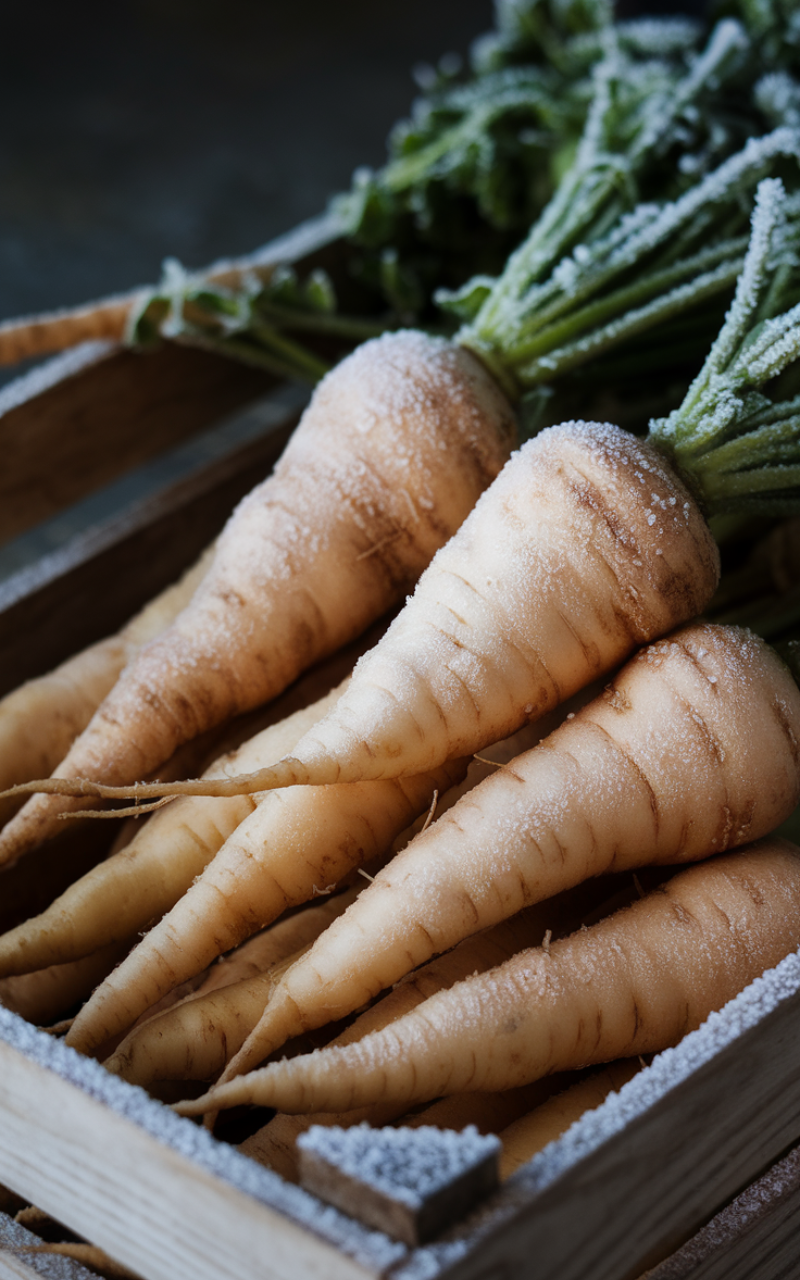
Parsnips grow slowly in cool soil but become sweeter after frost exposure. They are perfect for winter roasting.
Winter Garden Tip: Sow seeds in early autumn for a winter harvest and mulch heavily to reduce frost damage.
10. Cabbage – Cold-Tolerant Head Vegetables
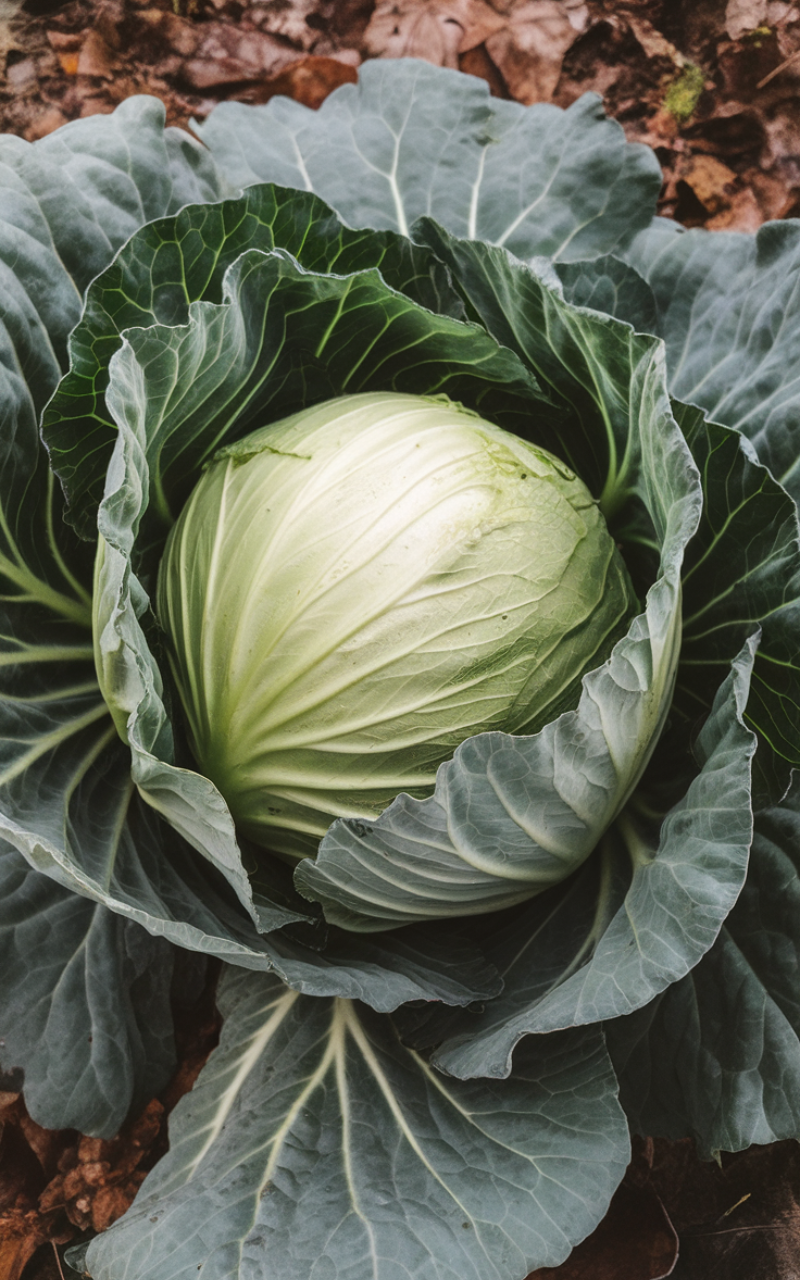
Cabbage withstands frost and develops firm, dense heads suitable for winter storage and fermentation.
Winter Garden Tip: Choose winter varieties and stagger planting for a continual supply.
9. Brussels Sprouts – Frost-Improved Flavor
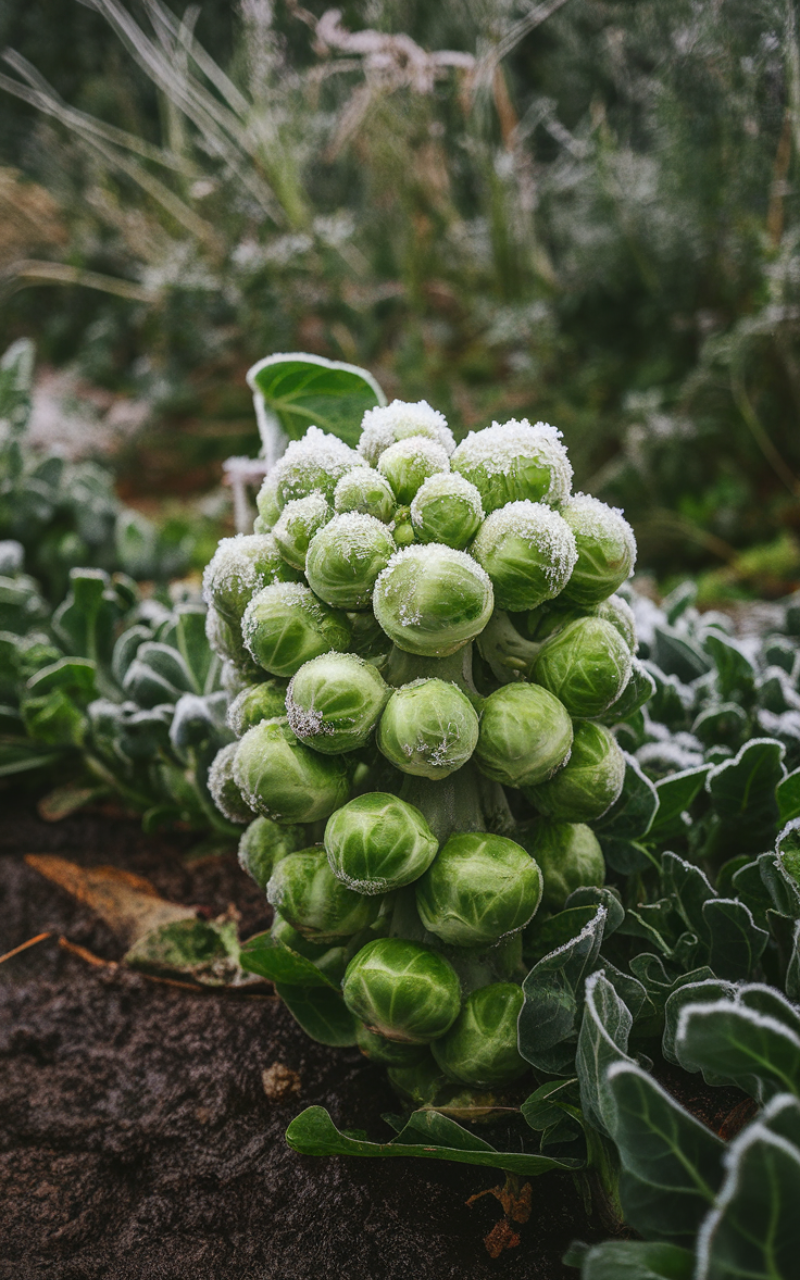
Brussels sprouts thrive in cold weather, and exposure to frost enhances their sweetness and flavor.
Winter Garden Tip: Support tall stalks with stakes to prevent wind damage and harvest lower sprouts first.
8. Turnips – Fast-Growing Root Crop
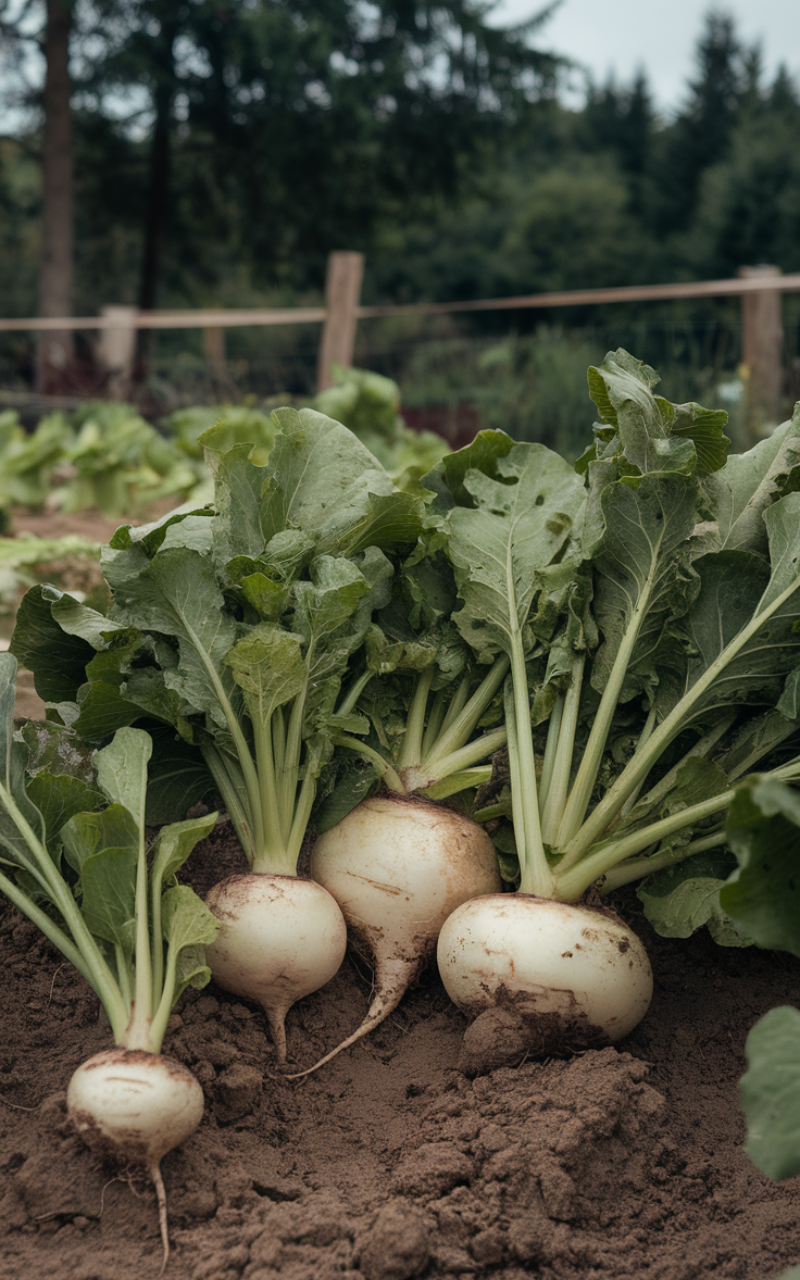
Turnips mature quickly and provide edible roots and greens, making them a versatile winter crop.
Winter Garden Tip: Plant in well-drained soil and harvest regularly to encourage continued production.
7. Radishes – Quick and Cold-Hardy
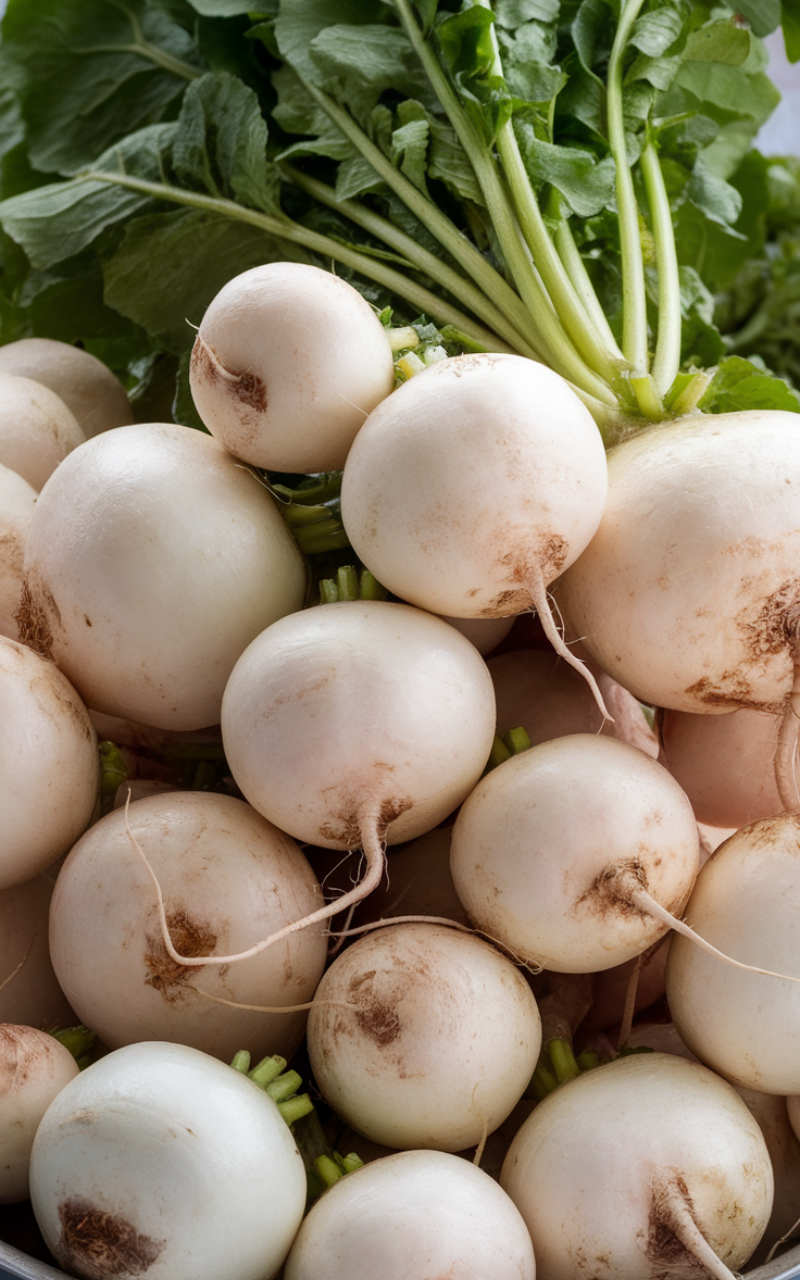
Certain radish varieties tolerate frost and grow rapidly, providing fresh, peppery roots even in winter.
Winter Garden Tip: Sow in succession every 2-3 weeks and protect young seedlings with row covers.
6. Mustard Greens – Spicy Winter Leaves
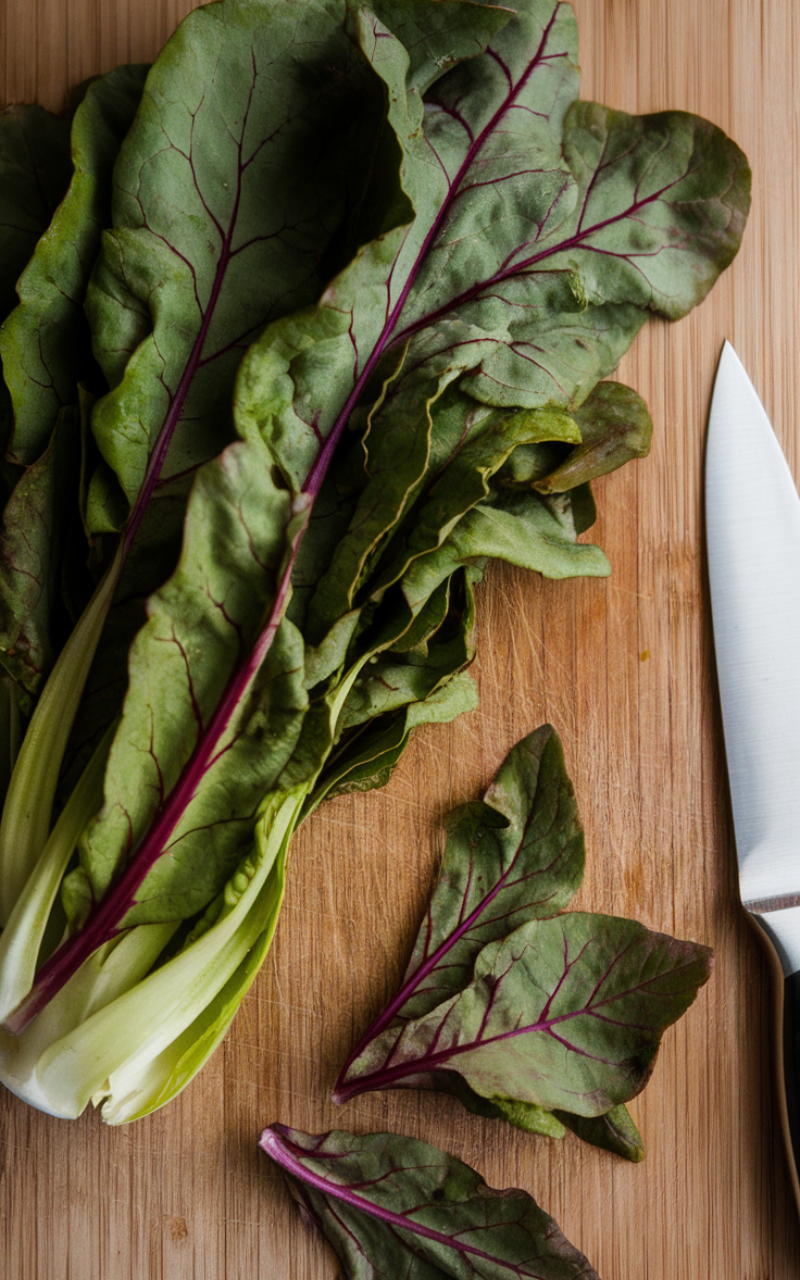
Mustard greens withstand cold and deliver a zesty addition to salads, soups, and stir-fries.
Winter Garden Tip: Thin seedlings to avoid overcrowding and encourage strong, tender leaves.
5. Collard Greens – Long-Lasting Winter Crop
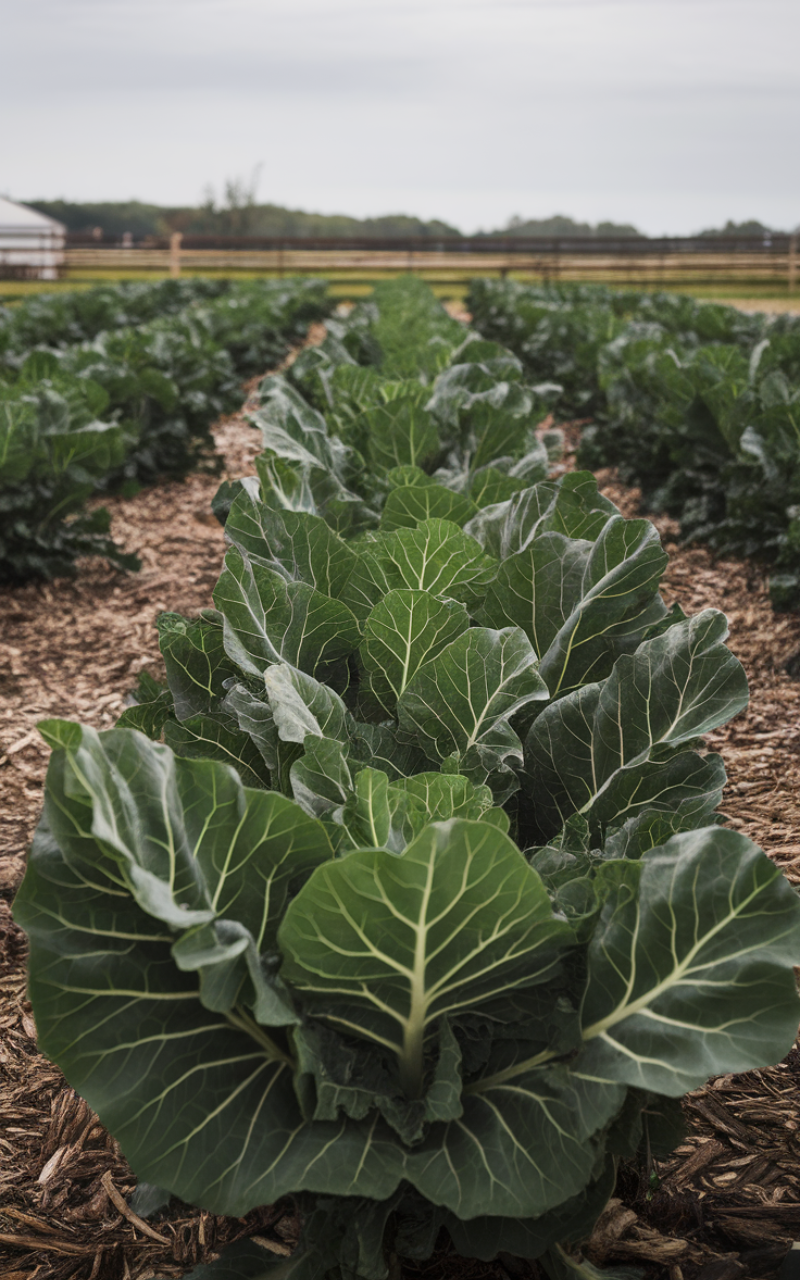
Collard greens tolerate frost and remain productive through the winter months, offering nutritious leafy greens.
Winter Garden Tip: Mulch and use windbreaks in open areas to protect large leaves from freezing winds.
4. Broccoli – Frost-Tolerant Heads
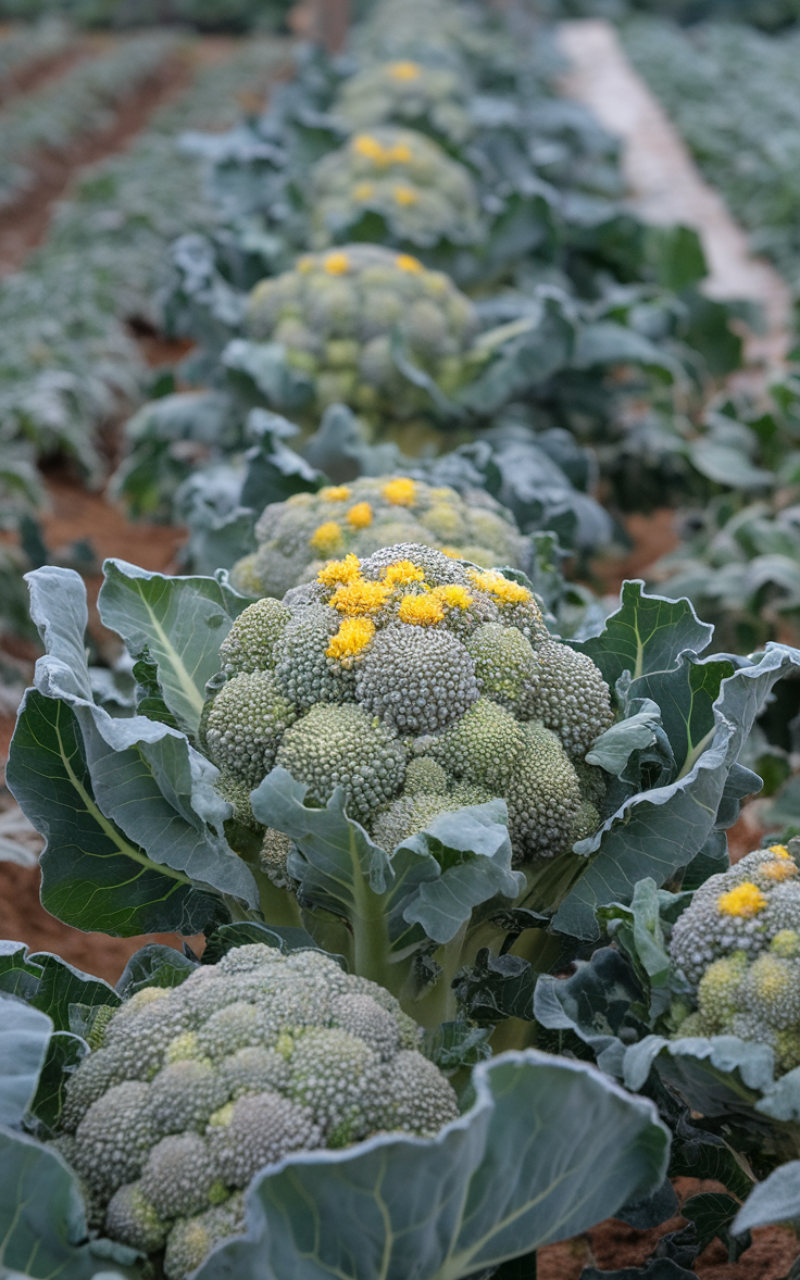
Broccoli withstands cool temperatures and can be harvested over an extended winter period with proper protection.
Winter Garden Tip: Use cold frames or cloches to extend harvests and prevent frost damage.
3. Cauliflower – Winter-Friendly Brassica
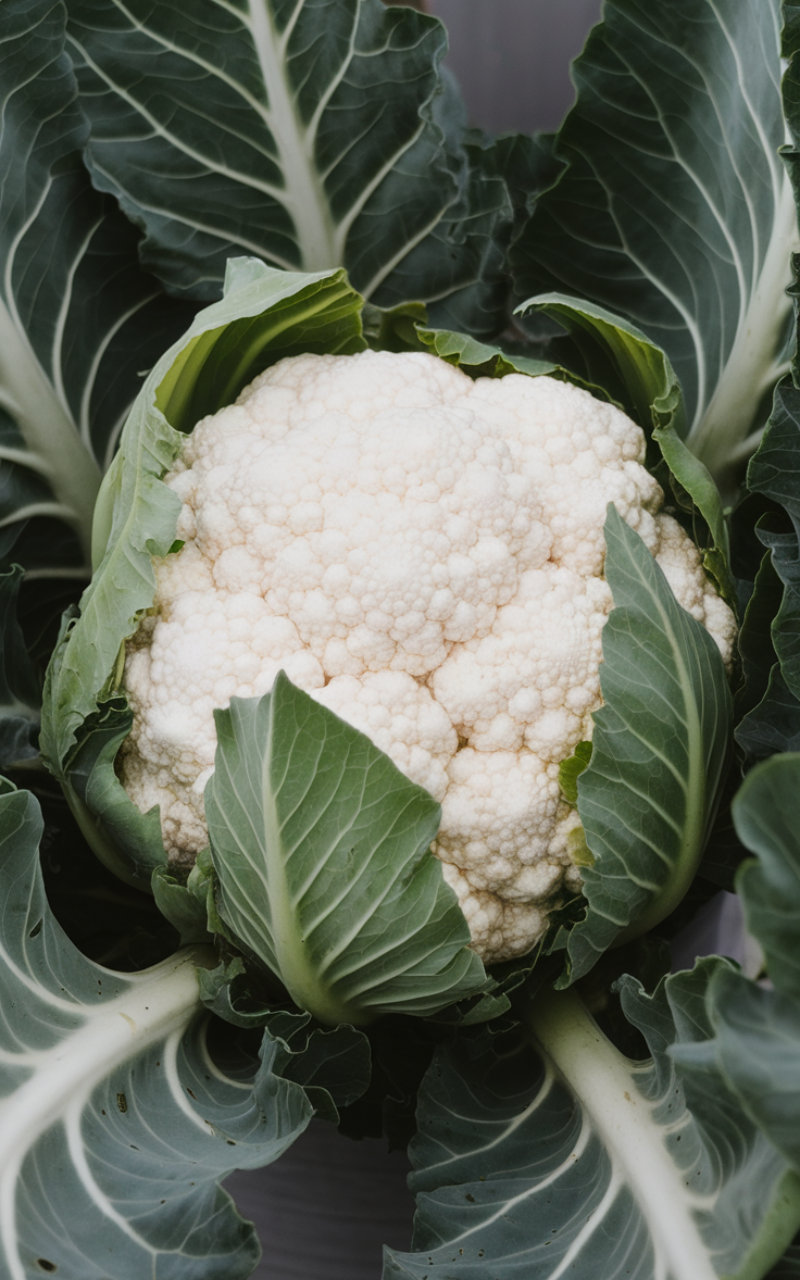
Cauliflower prefers cool temperatures and can be grown in winter with careful soil preparation and frost protection.
Winter Garden Tip: Keep soil consistently moist and mulch to stabilize temperature fluctuations.
2. Green Onions – Quick and Cold-Resistant
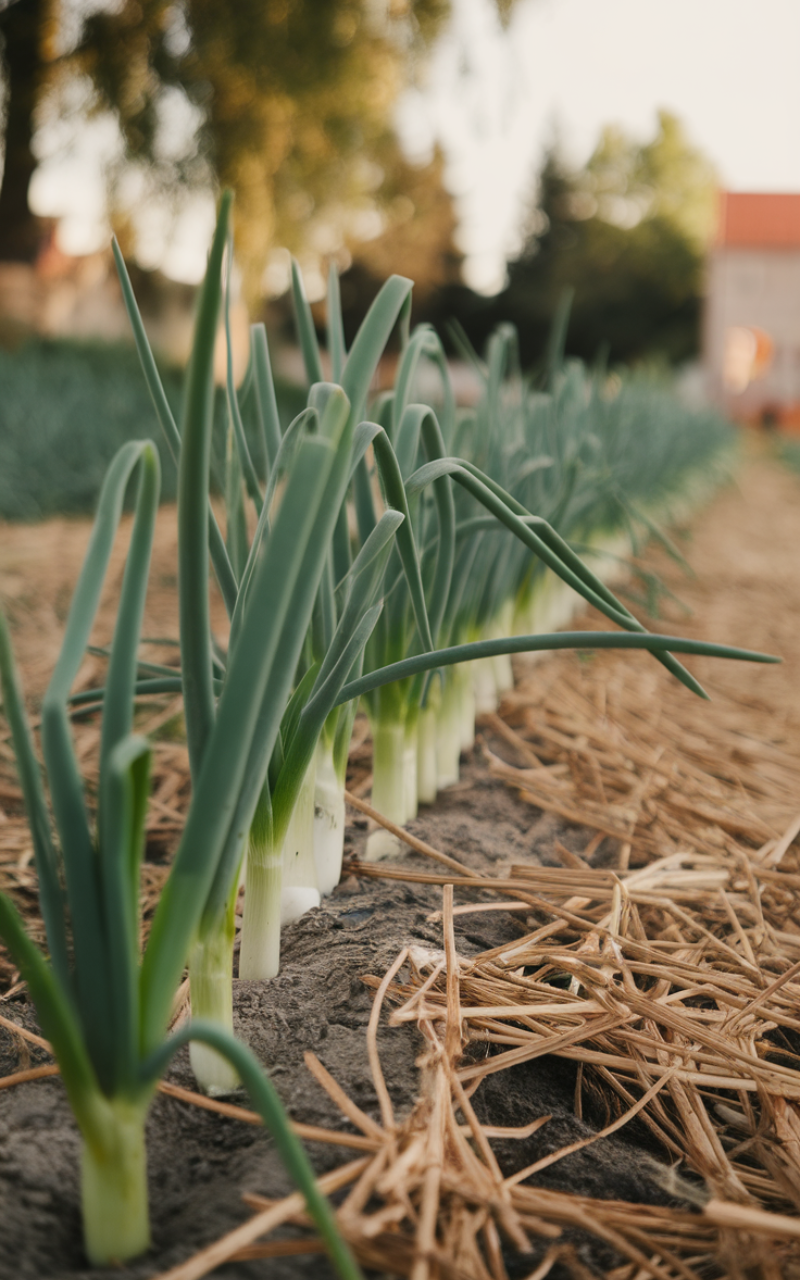
Green onions or scallions grow well in winter and provide a continuous harvest for salads, soups, and garnishes.
Winter Garden Tip: Sow in succession and use cold frames for protection during severe frost.
1. Endive – Crisp Winter Lettuce Alternative
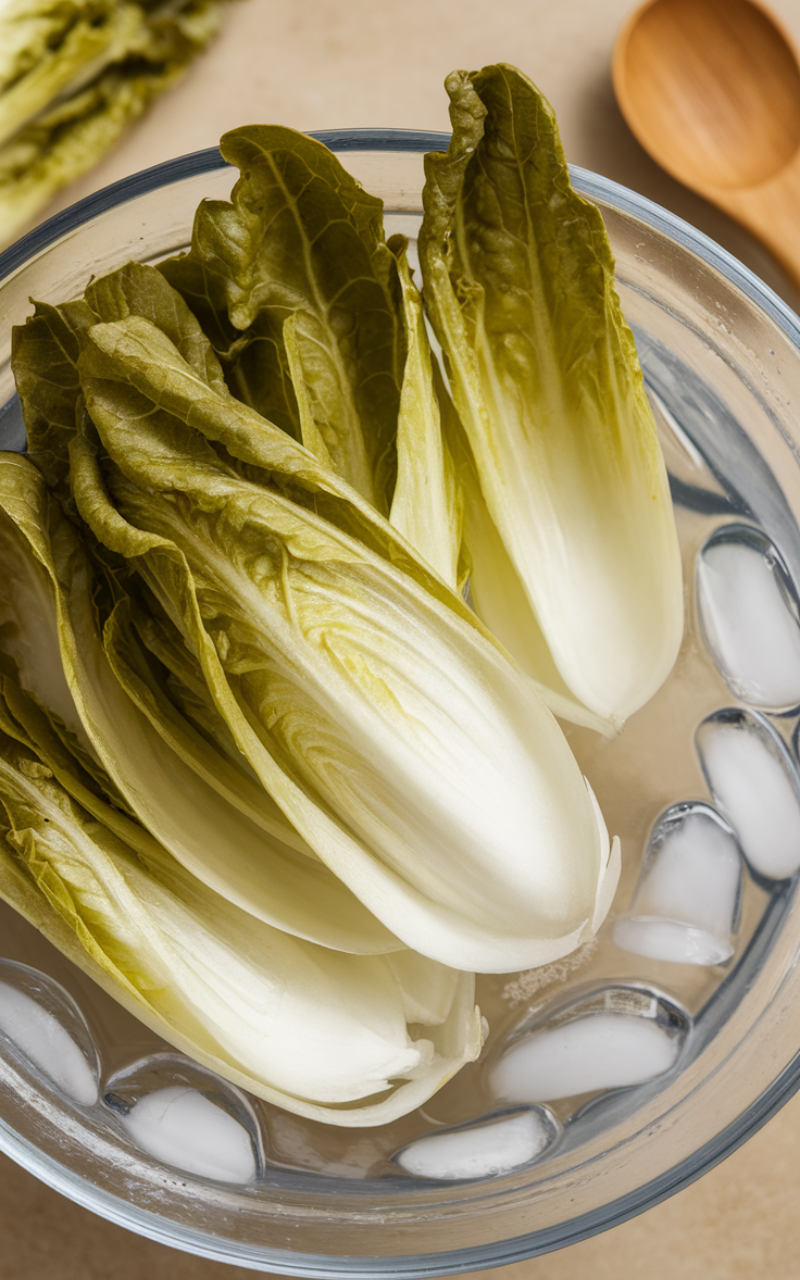
Endive tolerates cold temperatures and provides crisp, bitter leaves ideal for salads during the winter months.
Winter Garden Tip: Harvest outer leaves first and allow inner leaves to continue growing for multiple harvests.
Conclusion
A winter garden offers year-round access to fresh, nutrient-dense vegetables by focusing on hardy, frost-tolerant crops. By carefully planning sowing schedules, implementing protective techniques like mulching and row covers, and selecting versatile vegetables, we can maintain a productive garden throughout winter. These 17 winter garden vegetables provide both variety and resilience, ensuring continuous harvests and a sustainable, vibrant kitchen supply all year long.