
Join Our Newsletter for Cozy Home Inspiration, Family Fun, and Delicious Recipes Every Week
18 Best Food Homesteading For Beginners

I’ve always dreamed of living off the land, growing my own food, preserving it for winter, and waking up to the sound of roosters instead of traffic.
But when I told my mom about my dream of homesteading for beginners, she laughed. She said homesteading was for “simple-minded people” who couldn’t get real jobs.
So, I buried that dream under years of “normal life”, school, work, city noise, and endless busyness. I never learned to garden, can food, or build anything with my hands.
Now, at 25, broke and exhausted, I can’t help but wonder: Is it too late for someone like me, with less than $1,000, to start a homestead life?
The truth is, homesteading for beginners doesn’t start with acres of land or fancy tools; it starts with mindset. When I first began researching, I thought I needed to buy a house and land right away.
But I learned that real homesteading is a process, a collection of skills and habits that can begin anywhere, even in a small apartment.
You can start by cooking from scratch, growing herbs on your windowsill, sewing simple repairs, or volunteering at a local farm.
That’s where you begin to understand the rhythm of self-sufficiency. I read stories of people who started with almost nothing, a raised bed garden, a few chickens, or even borrowed land and turned it into a thriving lifestyle.
Over time, I realized that homesteading for beginners isn’t about money; it’s about determination, patience, and community.
People all over the U.S. are sharing land, bartering labor, and learning from one another. You can reach out to older landowners who would gladly let someone passionate use their unused fields, in exchange for help with upkeep.
It’s about starting where you are, using what you have, and building slowly. I even read about couples who began with next to nothing, saved purposefully, and eventually bought their own small farms.
They made mistakes, learned, and kept going. That’s the real spirit of homesteading persistence.
So if you’re dreaming of a simple, self-reliant life but feel stuck, start small. Plant something, learn a skill, and connect with others who share your dream. Remember, every great homesteader started somewhere humble, even broke, uncertain, or laughed at.
And if you want an easy first step toward a greener life, check out my article 15 Amazing Low-Maintenance Houseplants Anyone Can Grow, a perfect start for your homesteading journey, no matter where you live.
18. Start Small and Expand Gradually
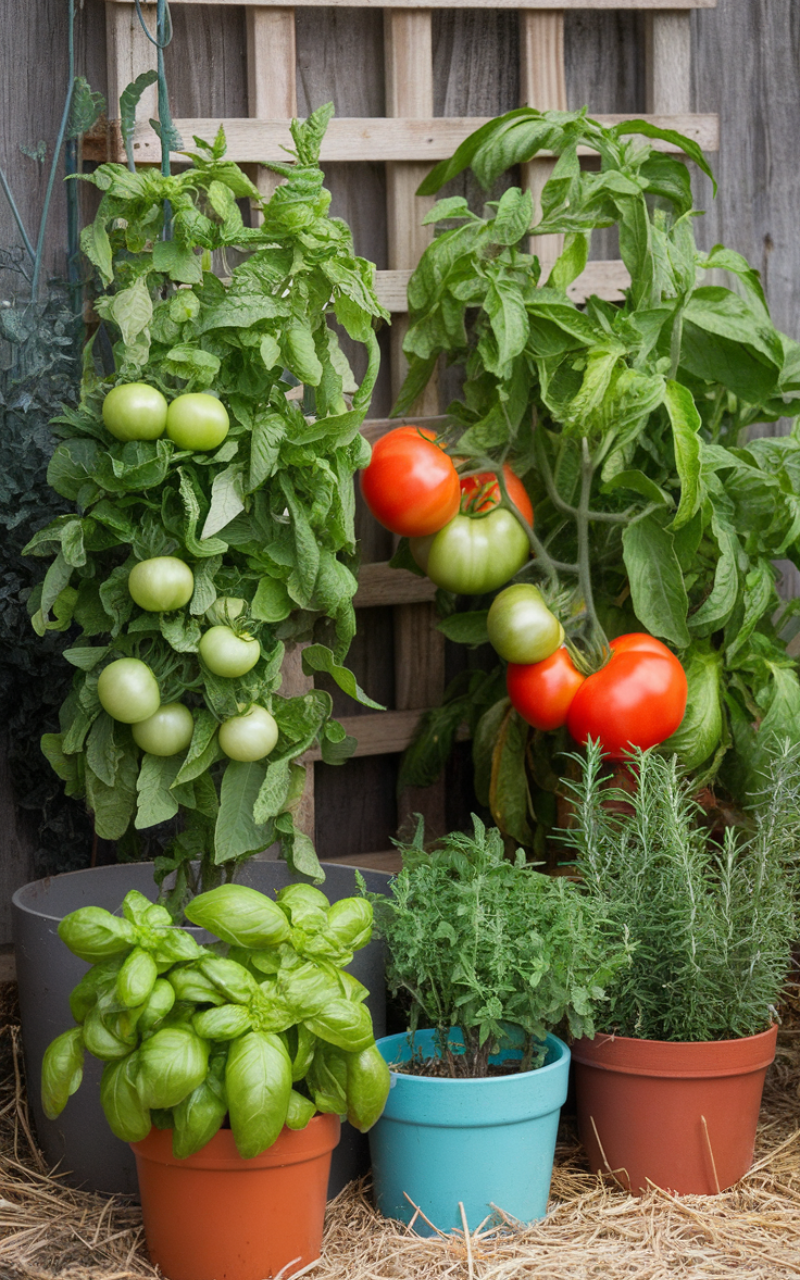
When beginning your food homesteading journey, avoid doing everything at once. Begin with a small garden bed or a few potted vegetables. Focus on simple crops like tomatoes, herbs, and lettuce before moving on to larger projects like fruit trees or livestock.
Homesteading for Beginners Tip: Master one skill at a time. Small, consistent wins build confidence and prevent burnout.
17. Choose the Right Location for Your Garden
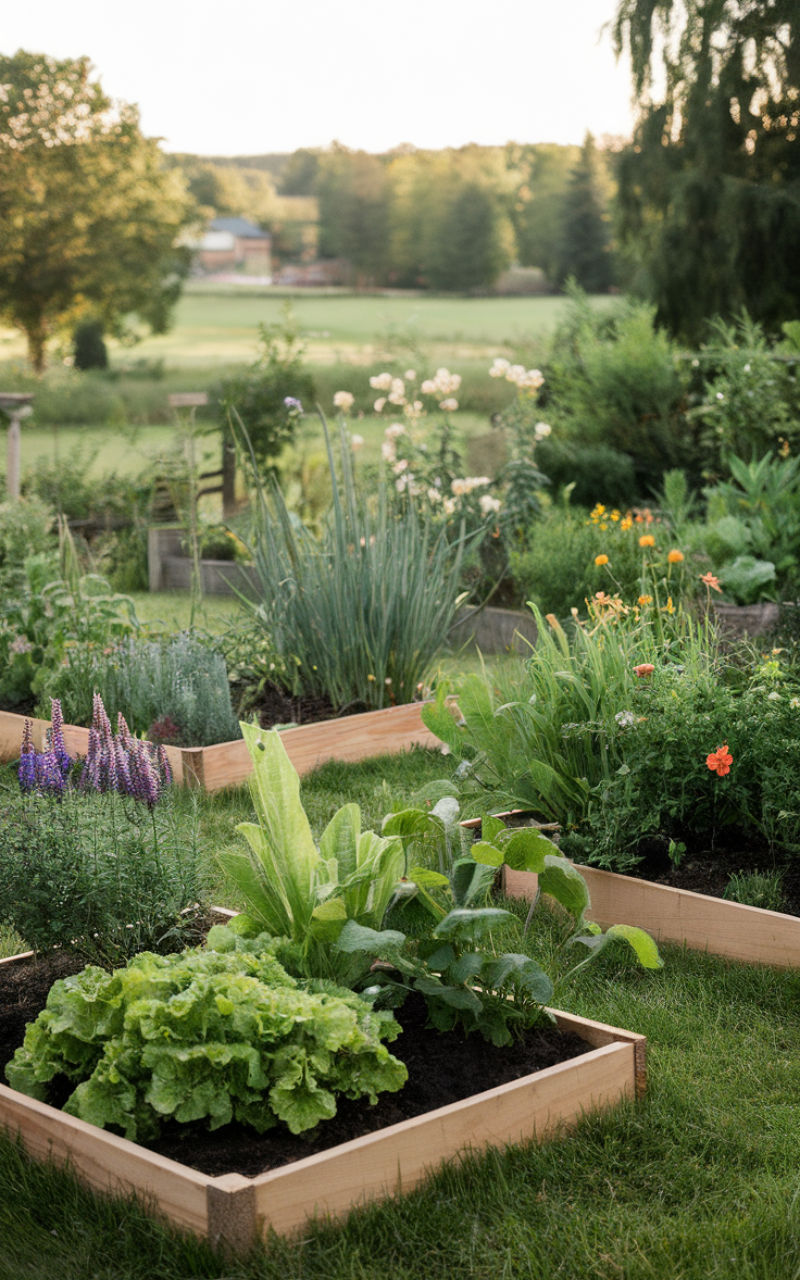
Sunlight, drainage, and soil quality determine your garden’s success. Find a spot that gets at least 6–8 hours of sunlight daily. Avoid areas prone to standing water and enrich your soil with organic compost for better productivity.
Homesteading For Beginners Tip: Observe your land for a few days to see how sunlight and shade move before planting.
16. Learn Seasonal Planting Cycles
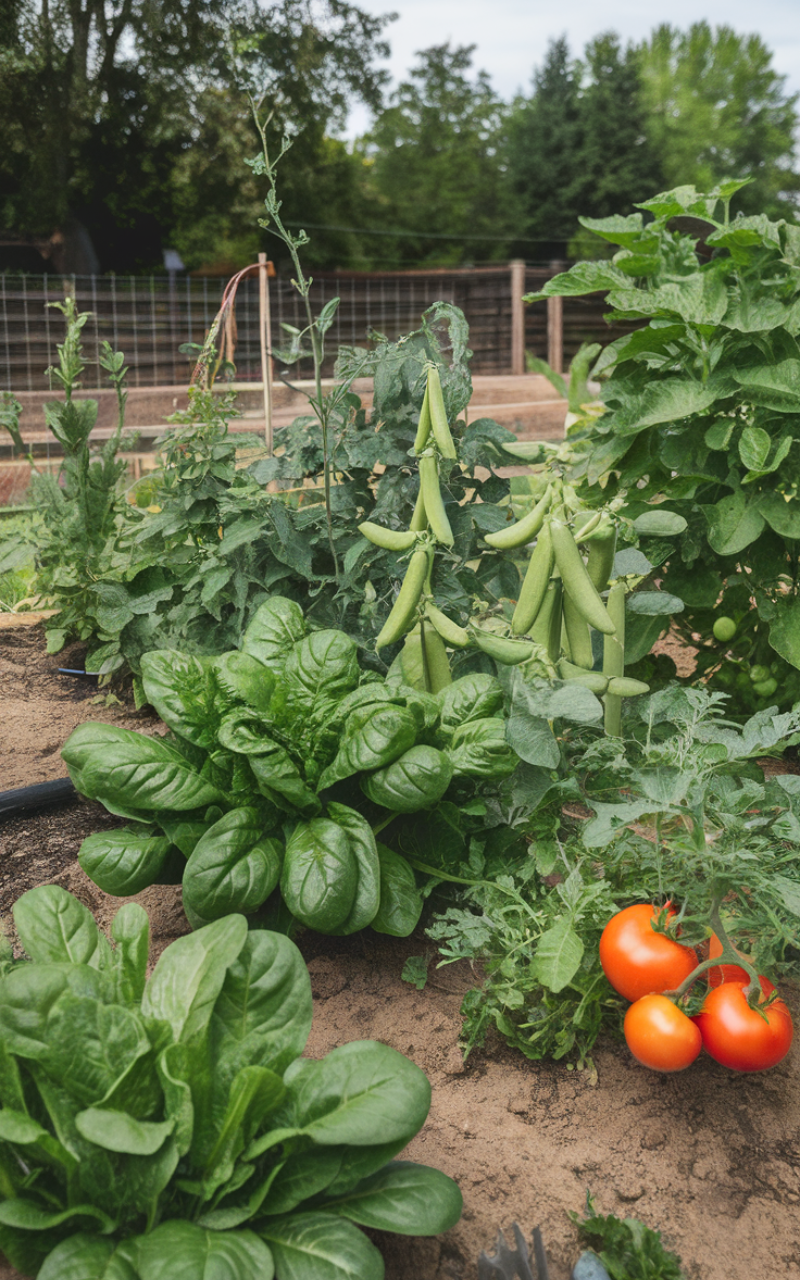
Each plant thrives in its own season. Study your local frost dates and planting zones to avoid failed crops. Start cool-season plants like spinach and peas early, and wait for warm weather to plant tomatoes or peppers.
Homesteading For Beginners Tip: Keep a seasonal planting journal to track successes and failures each year.
15. Build and Maintain Healthy Soil
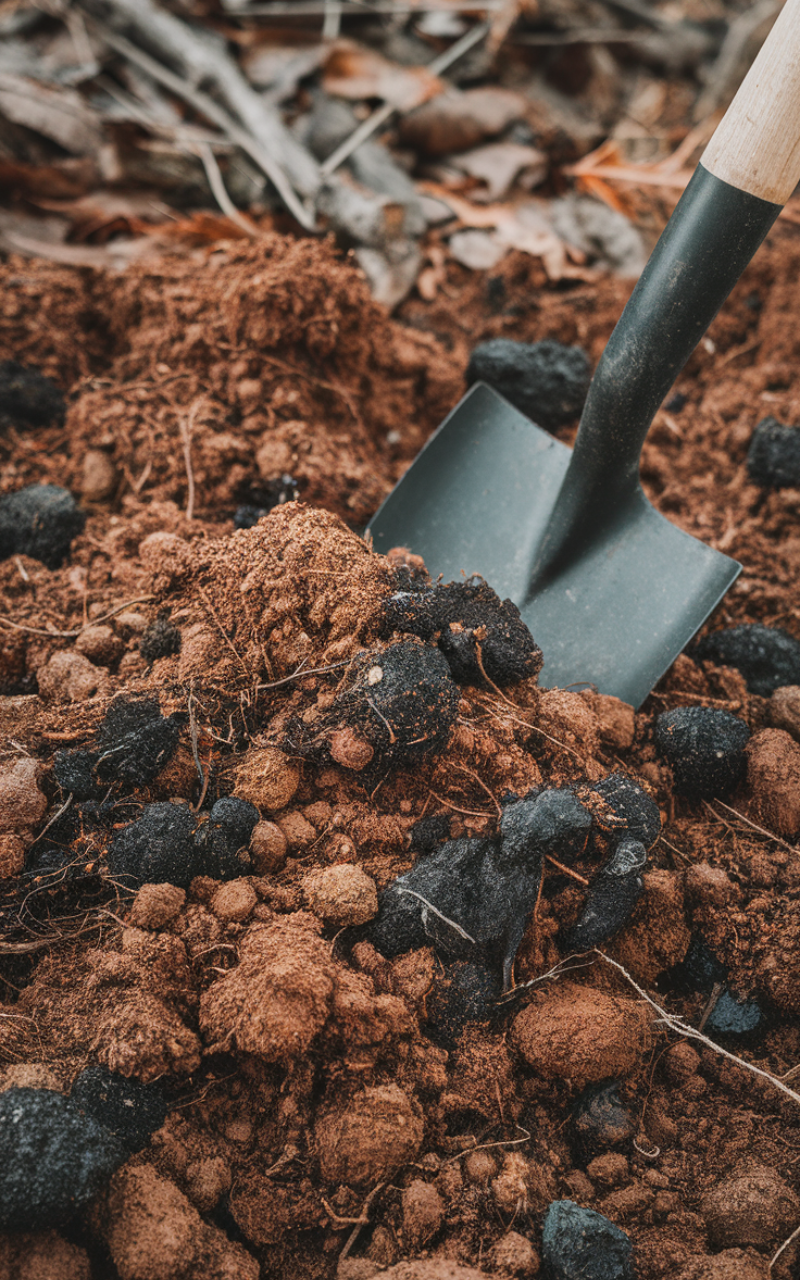
Your soil is the heart of your homestead. Create nutrient-rich soil by adding compost, mulch, and natural fertilizers. Avoid over-tilling and instead practice crop rotation to maintain long-term fertility.
Homesteading For Beginners Tip: Mix crushed eggshells into the soil. They add calcium and strengthen plant growth.
14. Master Composting Techniques
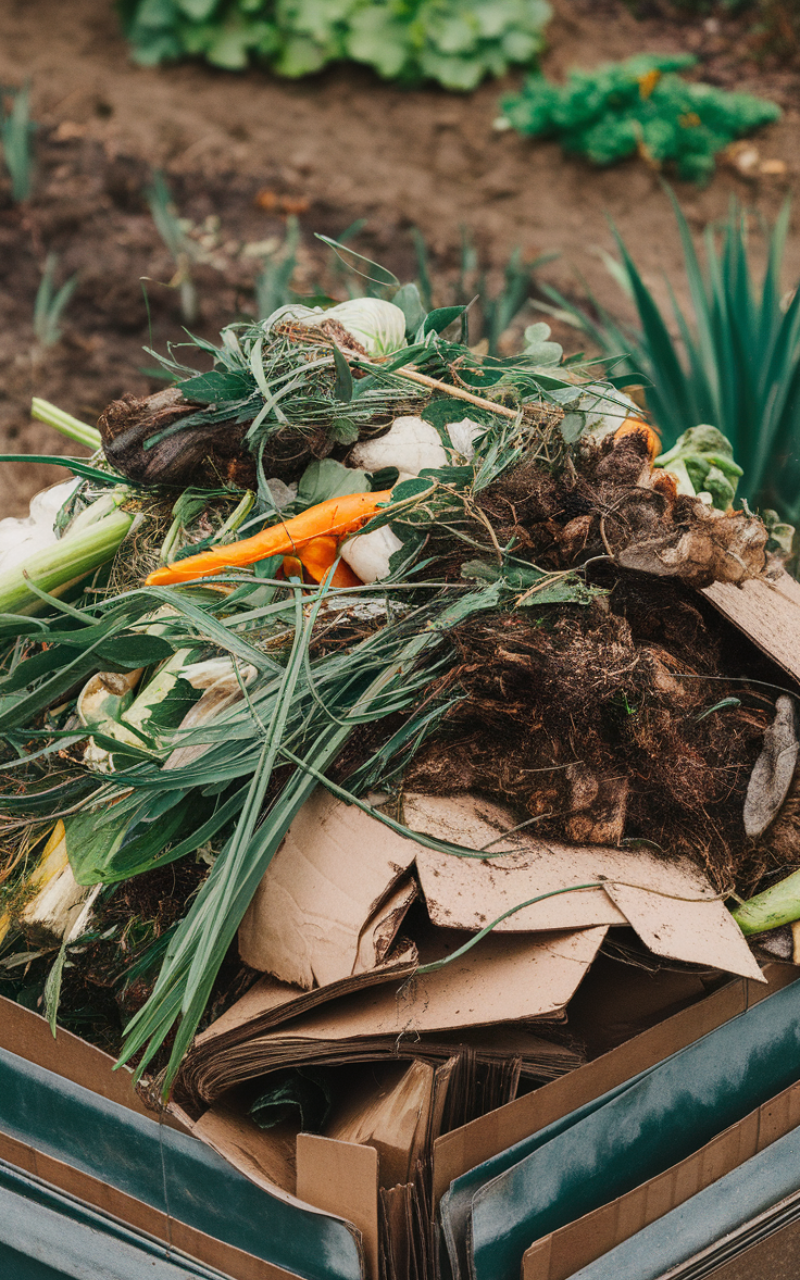
Turn kitchen scraps and garden waste into rich organic compost. Alternate between “green” materials (vegetable scraps, grass clippings) and “brown” materials (dry leaves, cardboard). Keep the pile moist and turn it regularly.
Homesteading For Beginners Tip: Chop large scraps into smaller pieces; they decompose faster and reduce odor.
13. Collect Rainwater for Irrigation
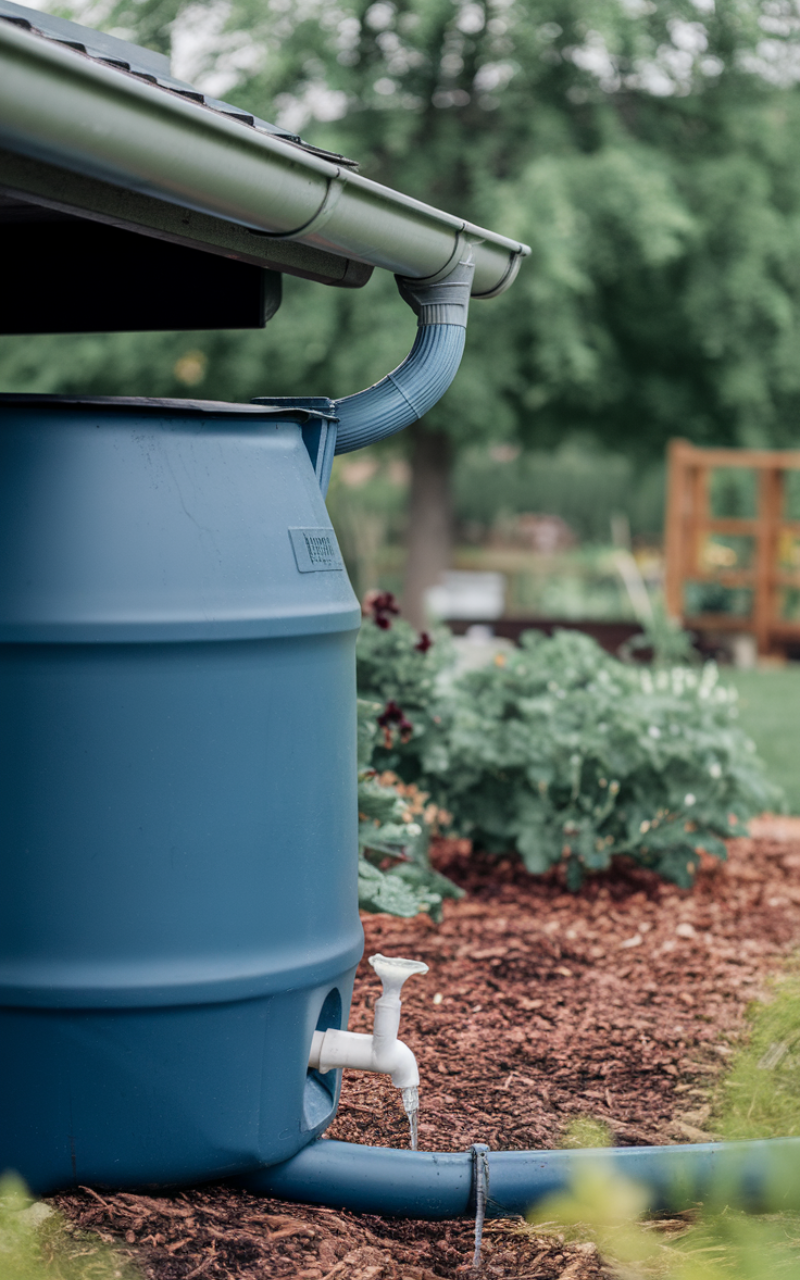
Install rain barrels beneath your gutter system to capture free water for your plants. Use drip irrigation to deliver steady moisture directly to roots, saving time and water.
Homesteading For Beginners Tip: Cover rain barrels with mesh to keep mosquitoes out.
12. Start Raising Backyard Chickens
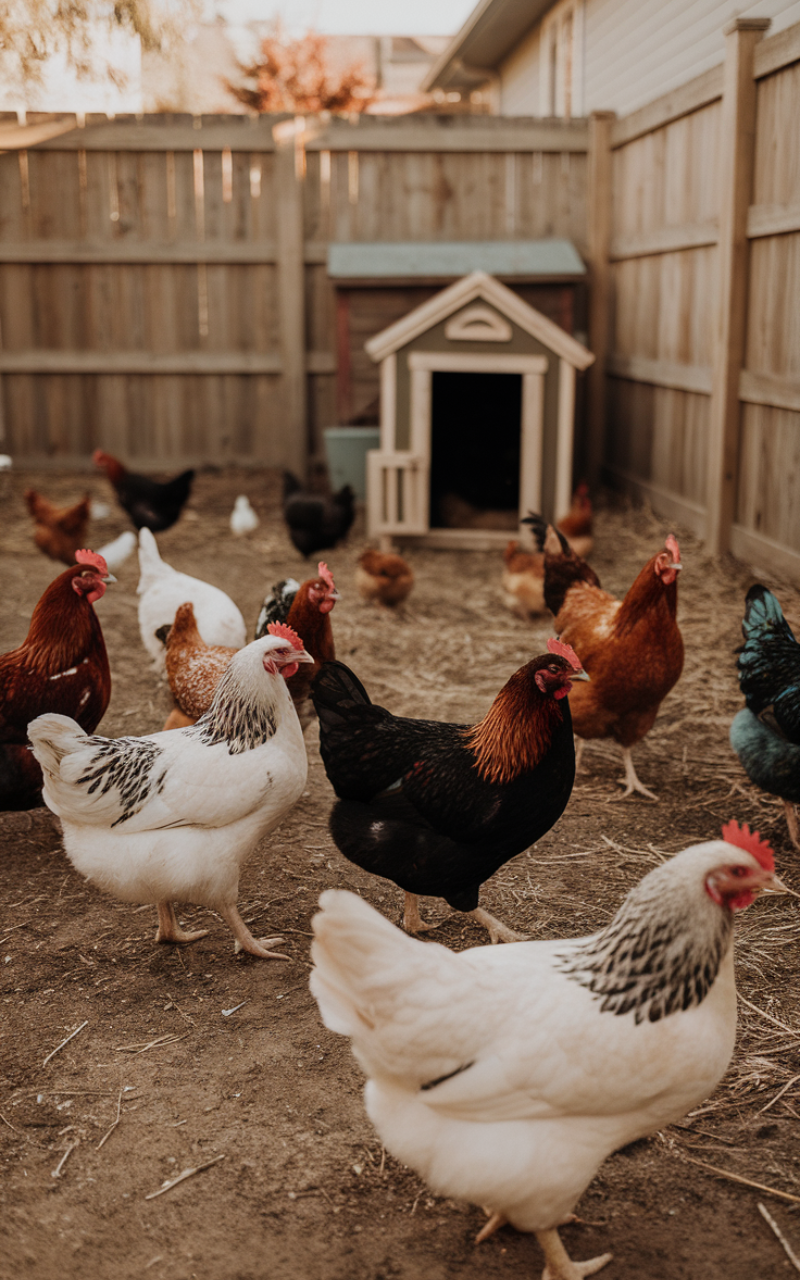
Chickens are beginner-friendly livestock that provide eggs, compost, and pest control. Build a safe coop, feed them quality grains, and allow them to roam in a fenced area.
Homesteading For Beginners Tip: Give chickens access to kitchen scraps like greens or melon rinds, and they’ll reward you with richer eggs.
11. Grow Perennial Crops for Easy Harvests
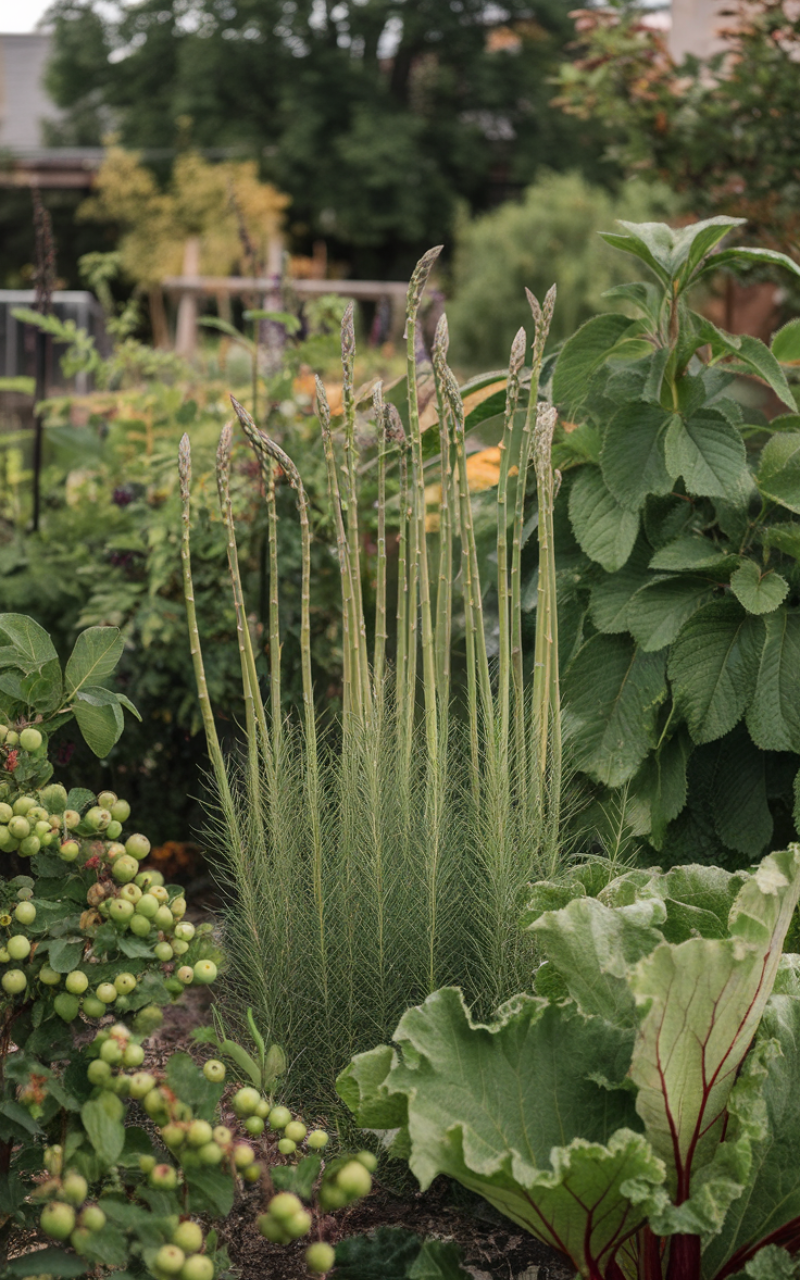
Perennial plants such as asparagus, berries, and rhubarb come back year after year. They save time and provide consistent yields once established.
Homesteading For Beginners Tip: Start perennials early; they take a season or two to mature but pay off long-term.
10. Learn Basic Food Preservation

Preserving food helps reduce waste and store your harvest year-round. Learn canning, freezing, drying, and fermenting to enjoy your crops even in winter.
Homesteading For Beginners Tip: Label jars with contents, and date freshness matters for safety and flavor.
9. Keep a Detailed Homestead Journal

Track planting dates, yields, weather, and pest issues. A journal helps identify patterns, successes, and mistakes that improve your system over time.
Homesteading For Beginners Tip: Take monthly photos of your garden’s progress to see growth trends visually.
8. Rotate Crops and Use Companion Planting
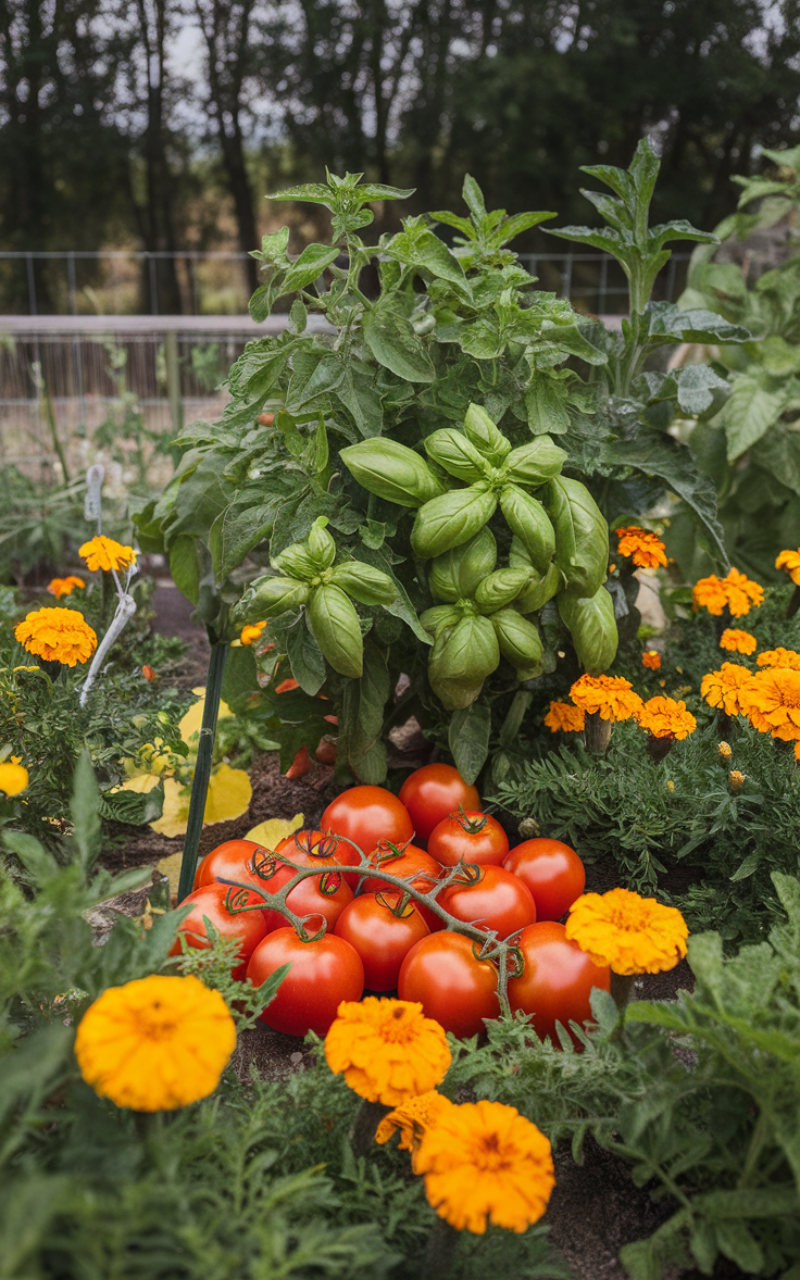
Prevent soil depletion by rotating crops each season. Use companion planting to repel pests naturally, for example, plant basil near tomatoes or marigolds around vegetables.
Homesteading For Beginners Tip: Companion planting boosts yields and reduces the need for pesticides.
7. Build Simple Raised Beds
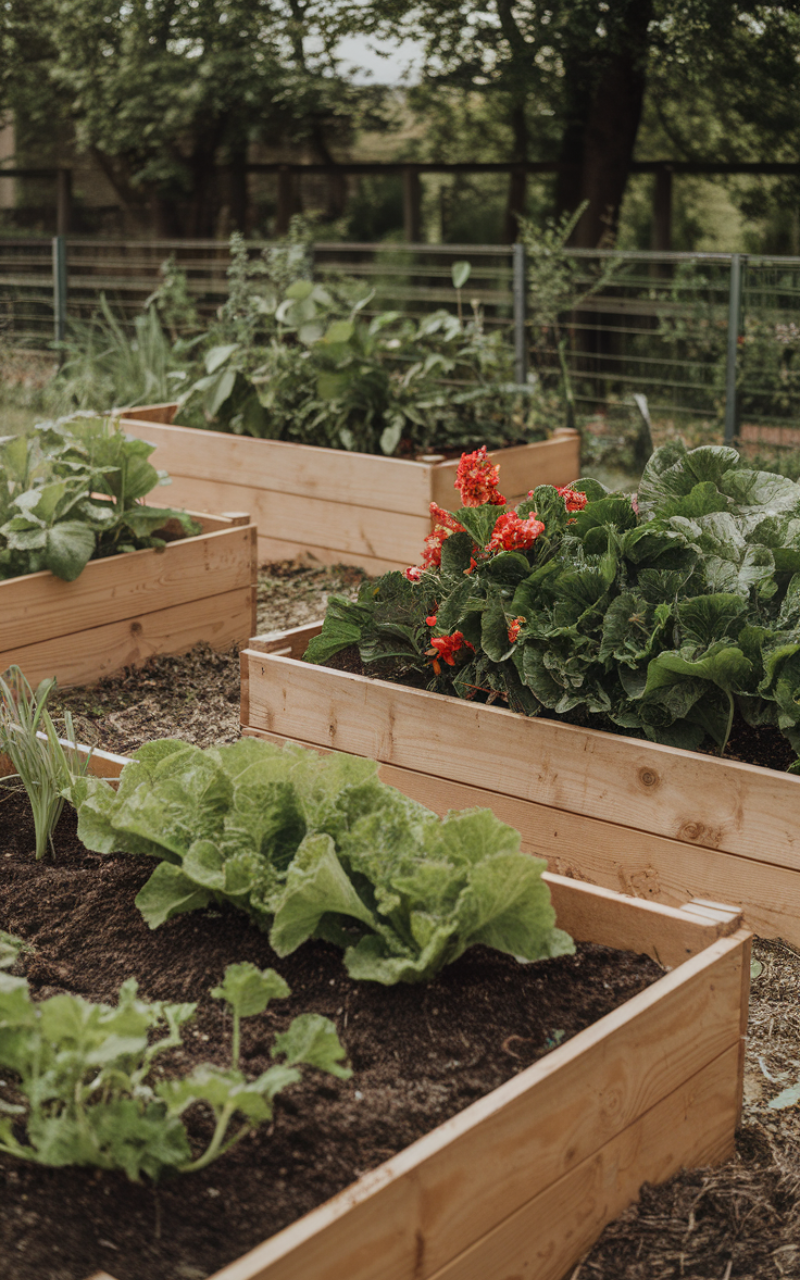
Raised beds improve drainage and control weeds more easily. Fill them with compost-rich soil and place them where you can access both sides comfortably.
Homesteading For Beginners Tip: Use untreated wood or metal frames to avoid soil contamination.
6. Store Seeds and Learn Seed Saving
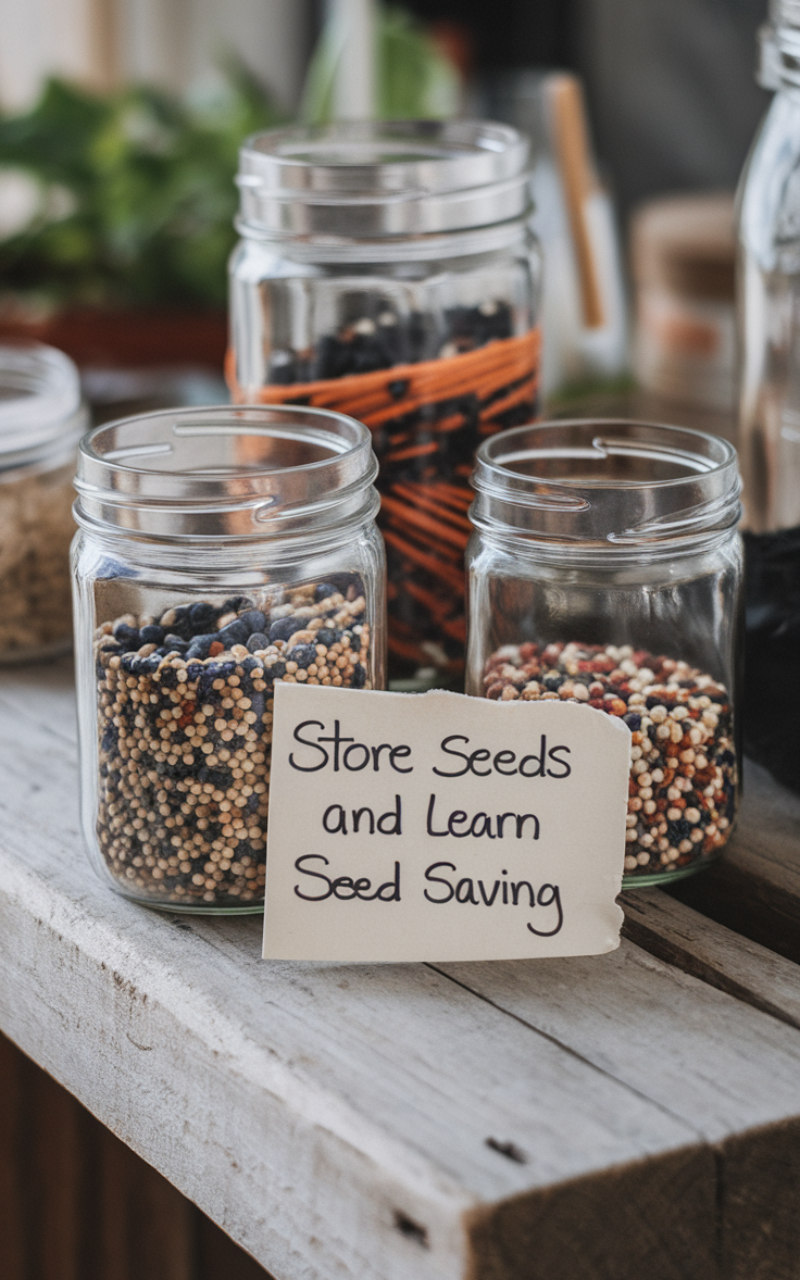
Collect seeds from your healthiest plants to replant next season. Store them in airtight jars in a cool, dry place.
Homesteading For Beginners Tip: Label your seeds by date and variety for organized and successful replanting.
5. Grow Herbs for Everyday Use
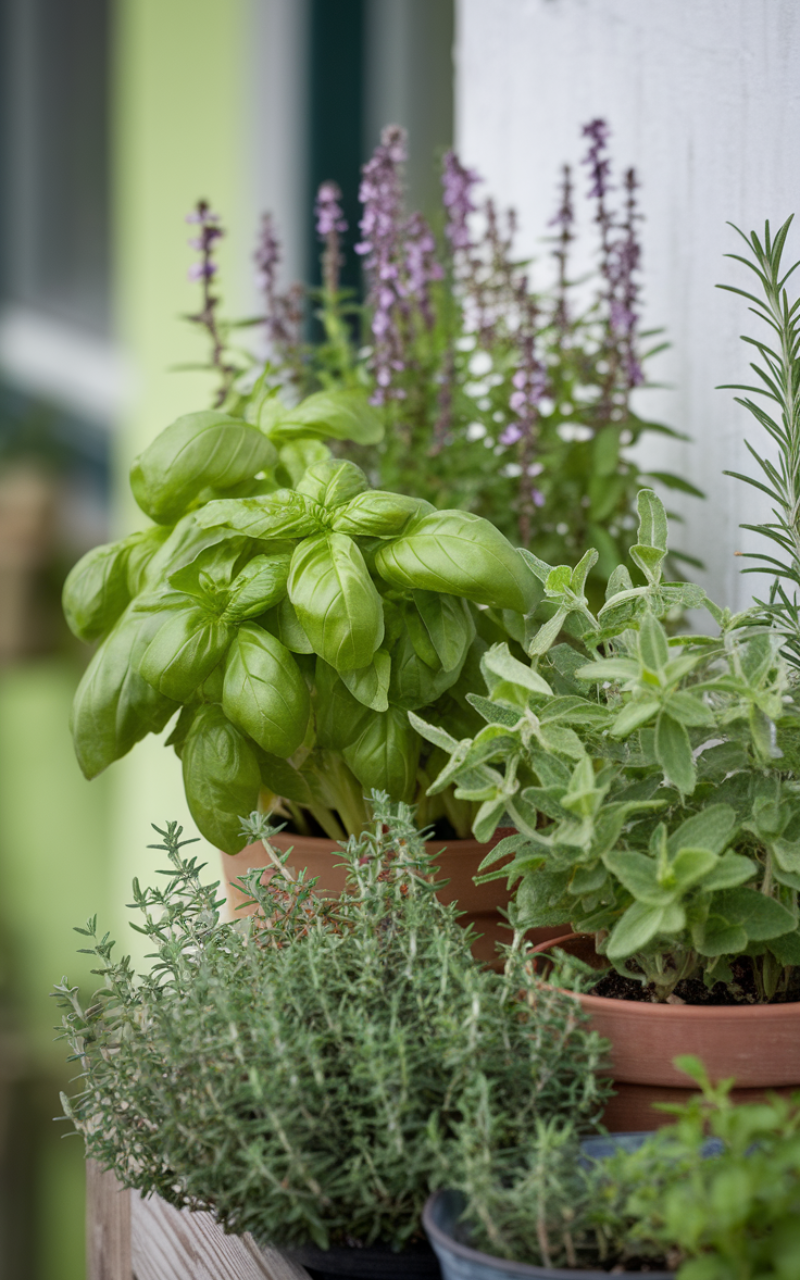
Herbs like basil, oregano, thyme, and rosemary are easy to grow and useful in daily cooking. Plant them in small pots or garden beds near your kitchen for quick access.
Homesteading For Beginners Tip: Dry extra herbs by hanging them upside down. They’ll last for months.
4. Learn Natural Pest Control
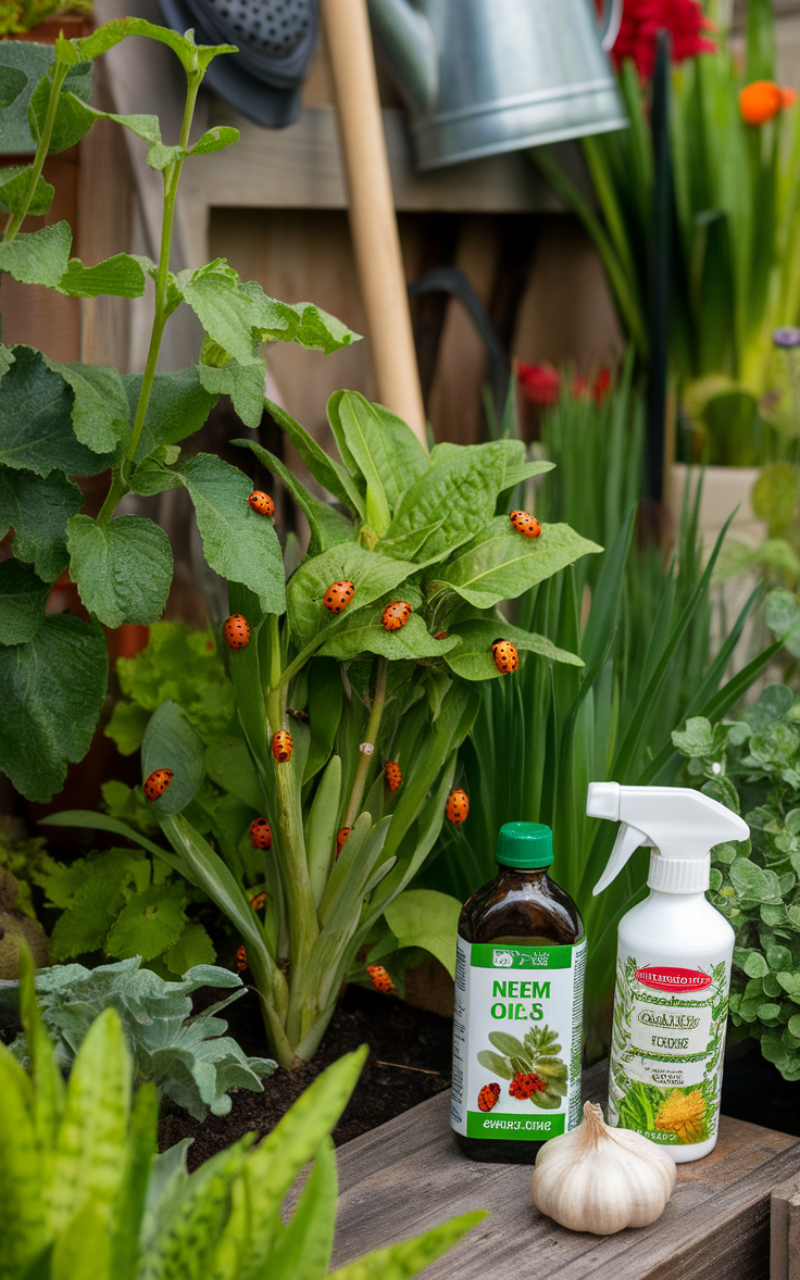
Skip harsh chemicals and use natural remedies. Introduce ladybugs, neem oil, or garlic spray to control garden pests safely.
Homesteading For Beginners Tip: Interplant flowers like marigolds and nasturtiums to deter unwanted insects.
3. Grow Fruit Trees and Bushes
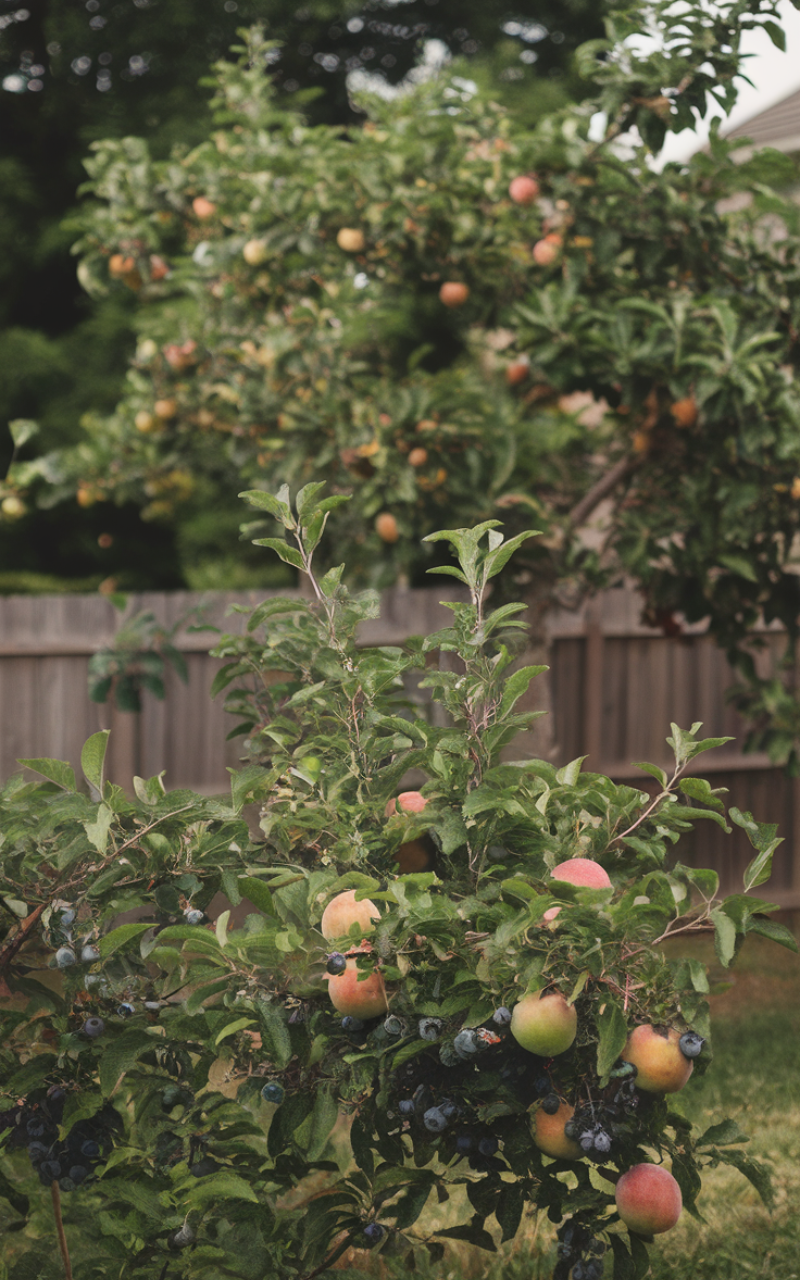
Fruit trees like apples, peaches, and blueberries provide high yields and long-term sustainability. Start with dwarf varieties for small spaces.
Homesteading For Beginners Tip: Prune trees annually to encourage airflow and prevent disease.
2. Practice Food Storage and Root Cellaring
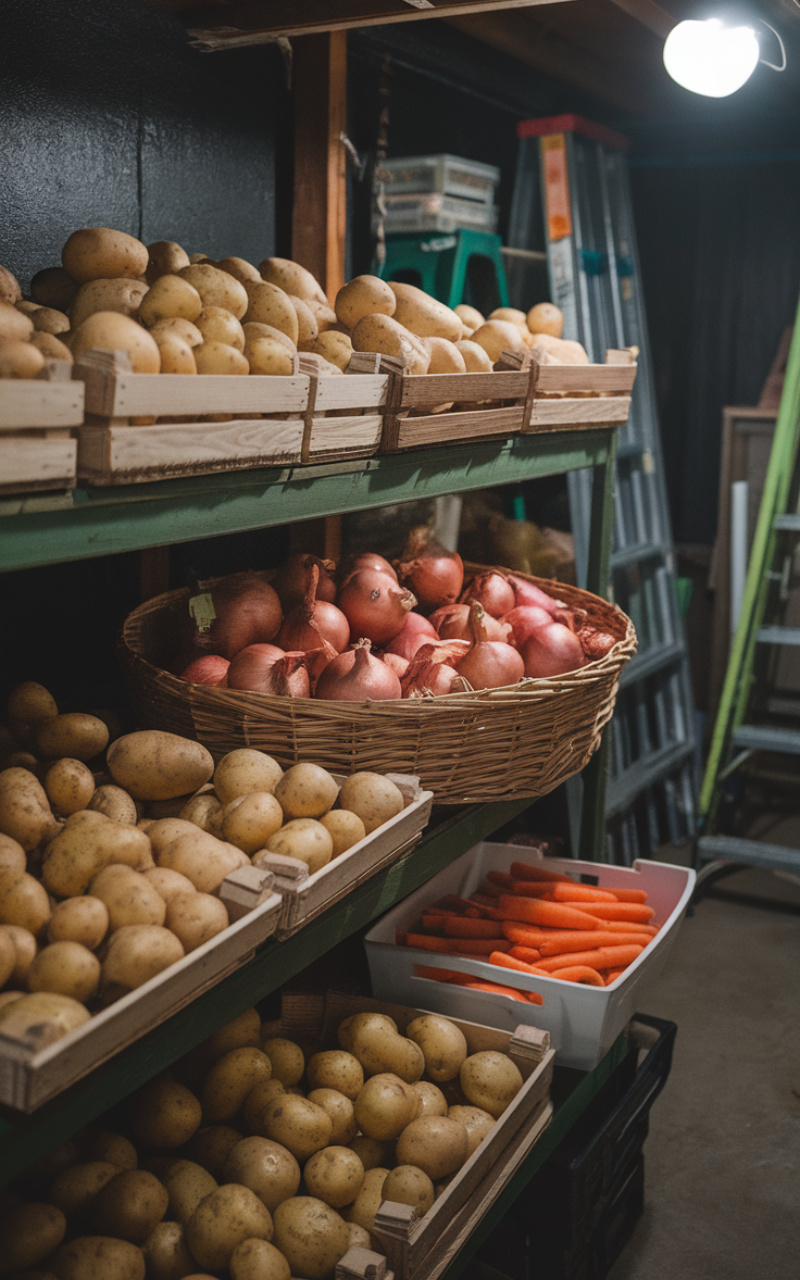
Extend your harvest life by using cool, dark storage spaces for potatoes, onions, and carrots. Root cellars or basement shelves are perfect for long-term food storage.
Homesteading For Beginners Tip: Keep humidity around 85% to prevent your produce from drying out.
1. Embrace the Homesteading Mindset
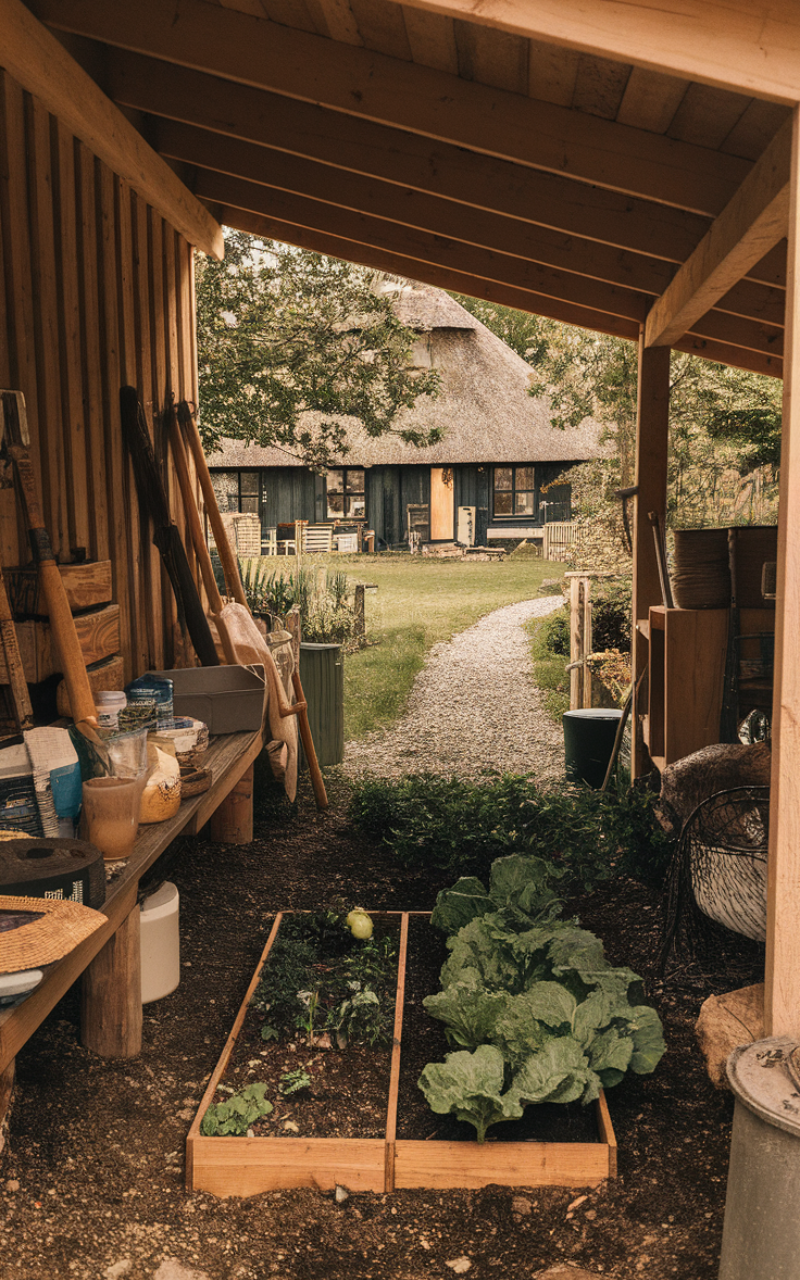
Homesteading isn’t just about growing food; it’s about adopting a lifestyle of self-reliance and sustainability. Be patient, learn from mistakes, and celebrate each harvest.
Homesteading For Beginners Tip: Focus on progress, not perfection. Every small step brings you closer to true self-sufficiency.
Conclusion
Starting your food homesteading journey may seem overwhelming, but each small effort creates lasting rewards. By following these 18 beginner-friendly tips, you’ll build the foundation for a sustainable lifestyle that values patience, learning, and nature’s rhythm. Whether you’re growing your first tomato or mastering food preservation, remember that homesteading is a journey, not a race. Stay consistent, keep experimenting, and soon you’ll enjoy the satisfaction of feeding your family from your own land.