
Join Our Newsletter for Cozy Home Inspiration, Family Fun, and Delicious Recipes Every Week
18 Amazing Tools & Supplies for the Homesteading Kitchen

When we first started setting up our homesteading kitchen, it wasn’t exactly glamorous. Back in 2019, we had built a small barn from trees we felled ourselves. The plan was to fill it with goats.
But life had other ideas. The goats never came, and before long, the barn turned into a storage dump for every piece of “someday” junk we owned.
One day, standing there surrounded by forgotten tools and empty feed bags, we realized how wasteful it was to have such a solid space just sitting there.
That’s when the idea hit: why not turn it into a functional homesteading kitchen, a space dedicated to canning, processing, and preserving all the food from our land?
Transforming that old barn changed everything. Our new homesteading kitchen became the heart of our operation, no more heating the house with summer canning marathons or juggling space on the family stove.
Instead, we had stainless steel tables for meat processing, shelves for jars, and big sinks for washing produce fresh from the garden.
We learned creative tricks from fellow homesteader, such as using puppy training pads or sawdust to handle the mess during butchering, and building everything from repurposed lumber and secondhand restaurant gear.
Every detail, from the layout to the equipment, was designed to make the work easier and more sustainable.
If you’re dreaming about creating your own homesteading kitchen, start simple. You don’t need fancy gear or a huge budget, just practical tools and a bit of ingenuity.
Think reusable containers instead of disposable ones, sturdy counters, and multi-use sinks. Add in a propane stove or outdoor setup for canning, and you’ve got yourself a dream workspace that keeps your main home cool and tidy.
Whether you’re processing your harvest, preserving fruit, or butchering game, having a dedicated space will make your homesteading journey smoother and more enjoyable.
And if you’re already thinking beyond the kitchen to those relaxing moments after a long day’s work, make sure to check out my article on 16 Small Flagstone Patio Ideas You’ll Love.
Because every homesteader deserves a cozy, peaceful spot to unwind after all that hard-earned work.
18. Cast Iron Skillet

A cast-iron skillet is a must-have for every homesteading kitchen. It lasts a lifetime, distributes heat evenly, and can be used for everything from searing meat to baking cornbread. It’s also chemical-free compared to non-stick cookware.
Homesteading Kitchen Tip: Keep it seasoned with oil after every use to maintain its non-stick surface naturally.
17. Mason Jars and Canning Supplies
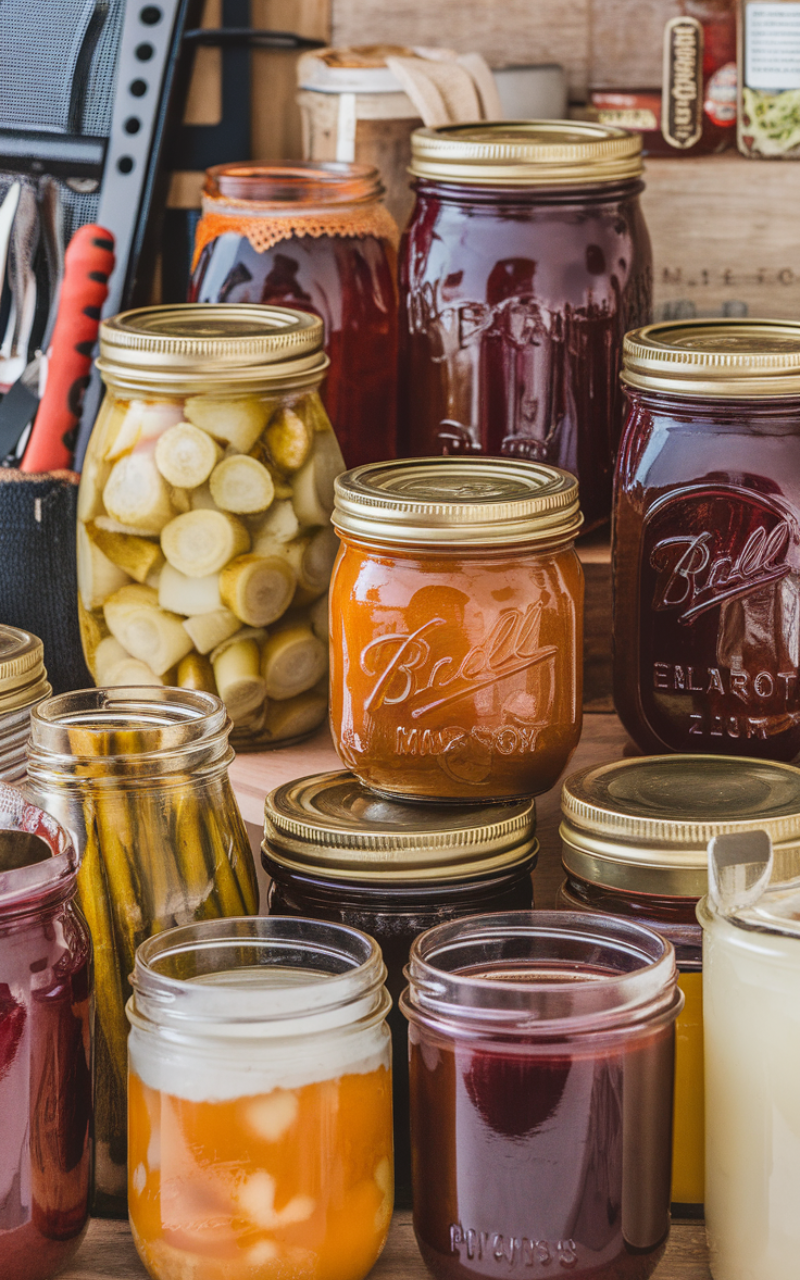
Mason jars are the backbone of home food preservation. They’re used for canning vegetables, jams, sauces, and even storing dry goods.
Homesteading Kitchen Tip: Invest in a good canning rack, funnel, and lid lifter to make your process smooth and safe.
16. Water Bath Canner
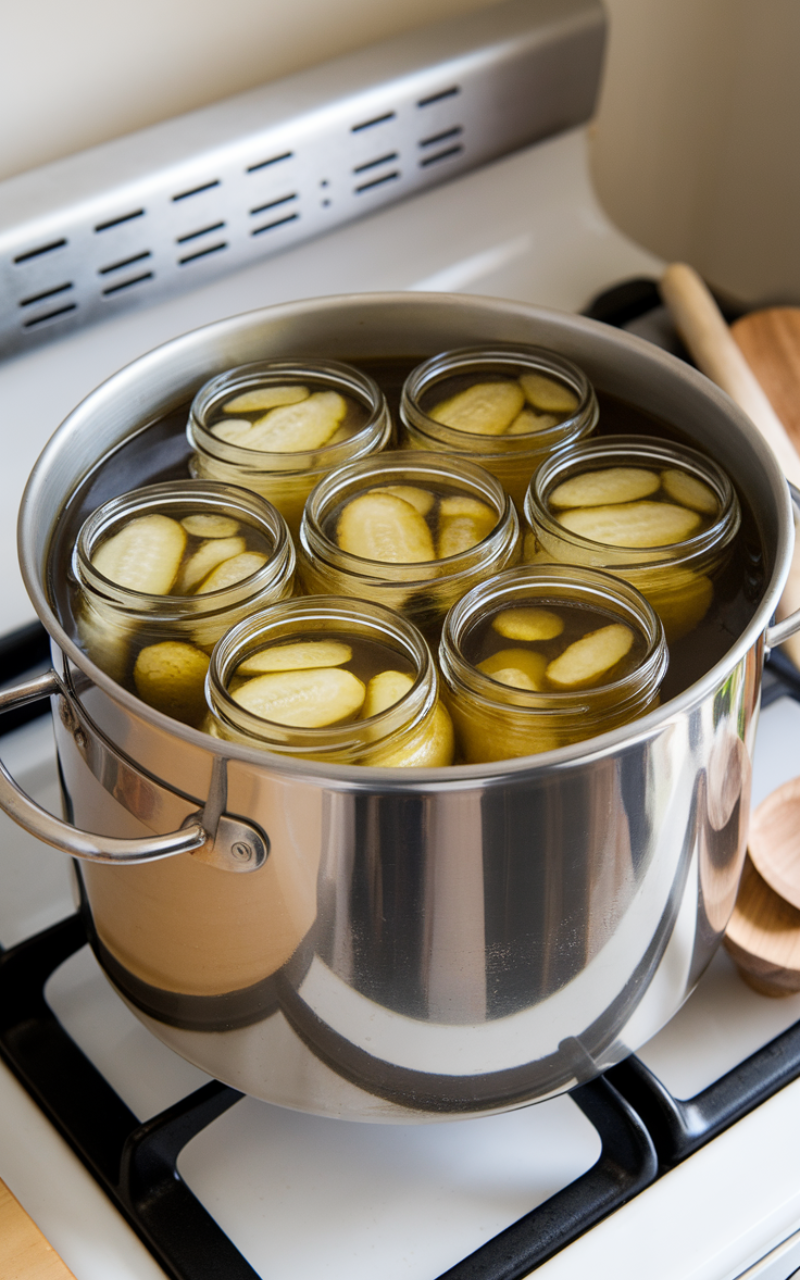
A water bath canner is essential for preserving high-acid foods like pickles, fruits, and salsas. It’s affordable and easy to use.
Homesteading Kitchen Tip: Always ensure jars are fully submerged under water for even heat distribution during canning.
15. Pressure Canner
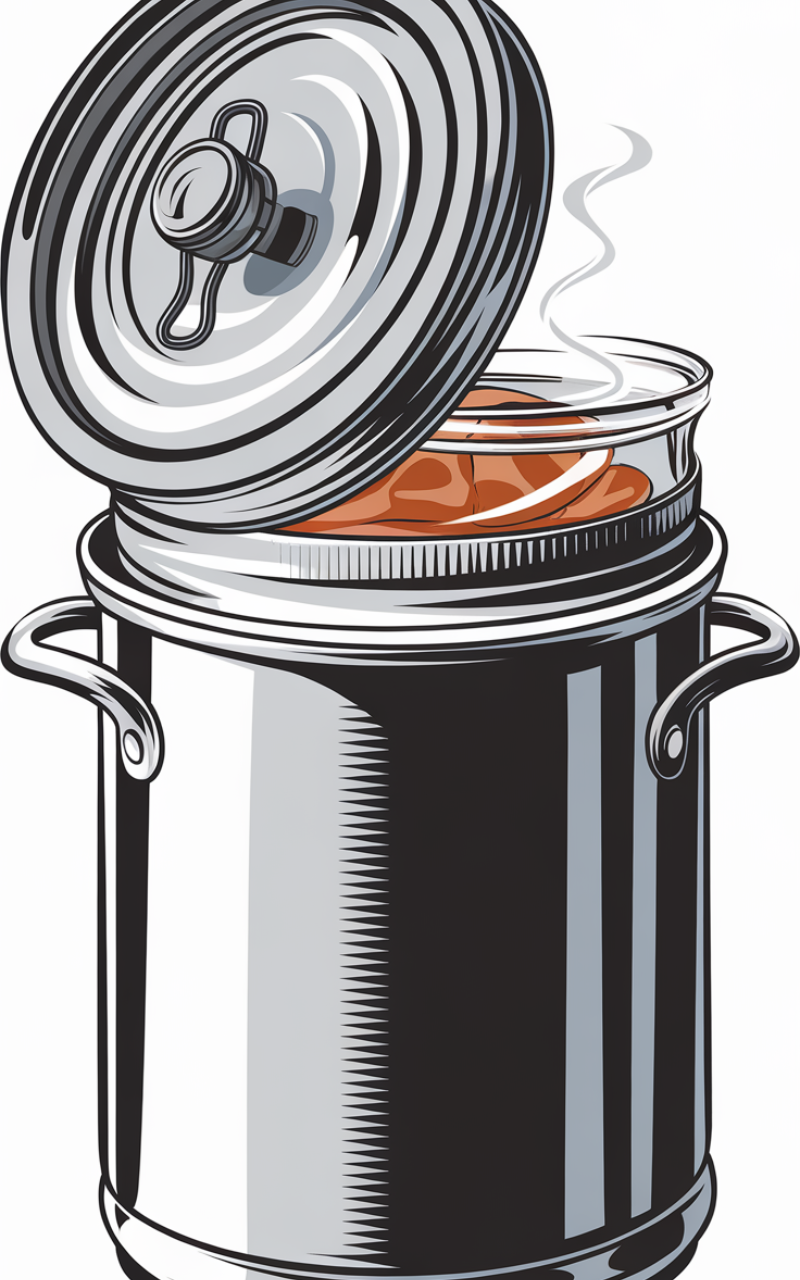
For low-acid foods such as meats, beans, and soups, a pressure canner is non-negotiable. It reaches higher temperatures that safely preserve your food for months.
Homesteading Kitchen Tip: Always follow safety guidelines and check your pressure gauge regularly.
14. Food Dehydrator
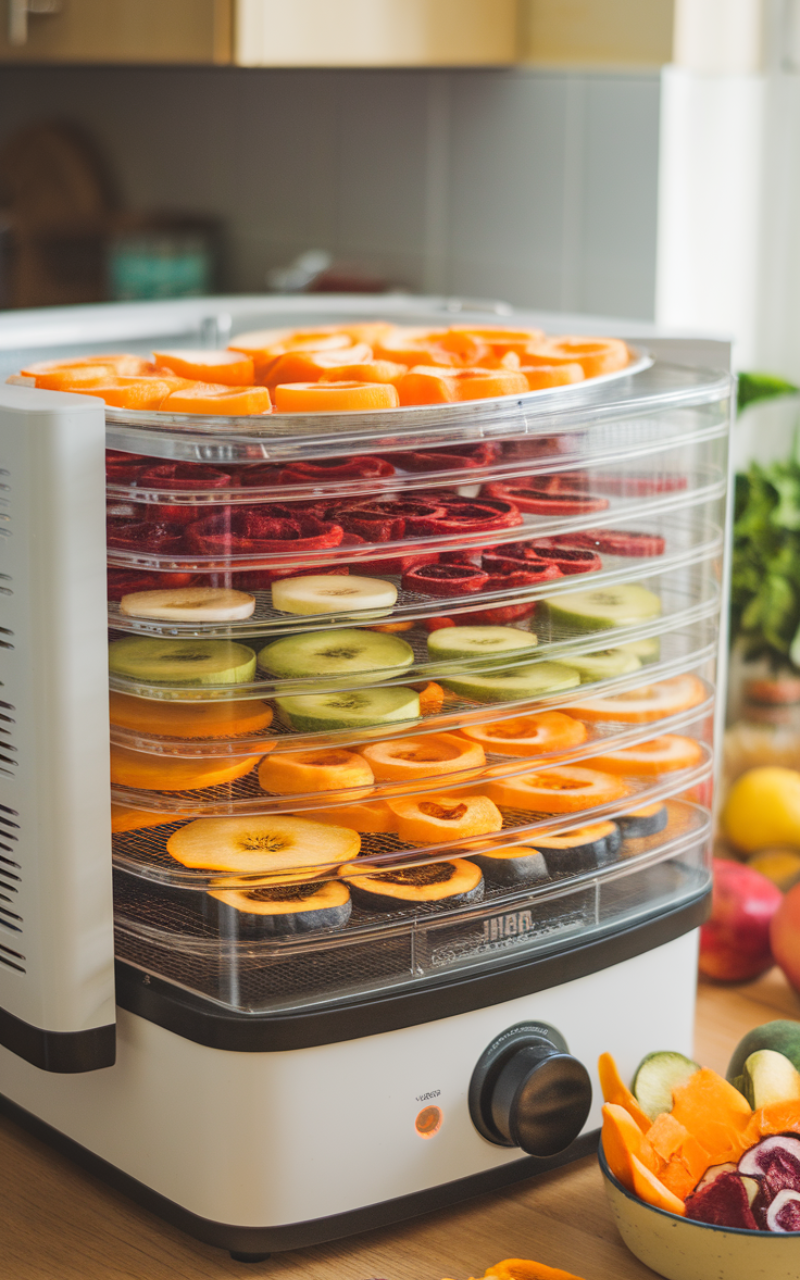
Dehydrating is one of the oldest food preservation methods. With a dehydrator, we can make fruit leathers, dried herbs, and jerky efficiently.
Homesteading Kitchen Tip: Slice foods evenly for consistent drying and store them in airtight containers.
13. Grain Mill
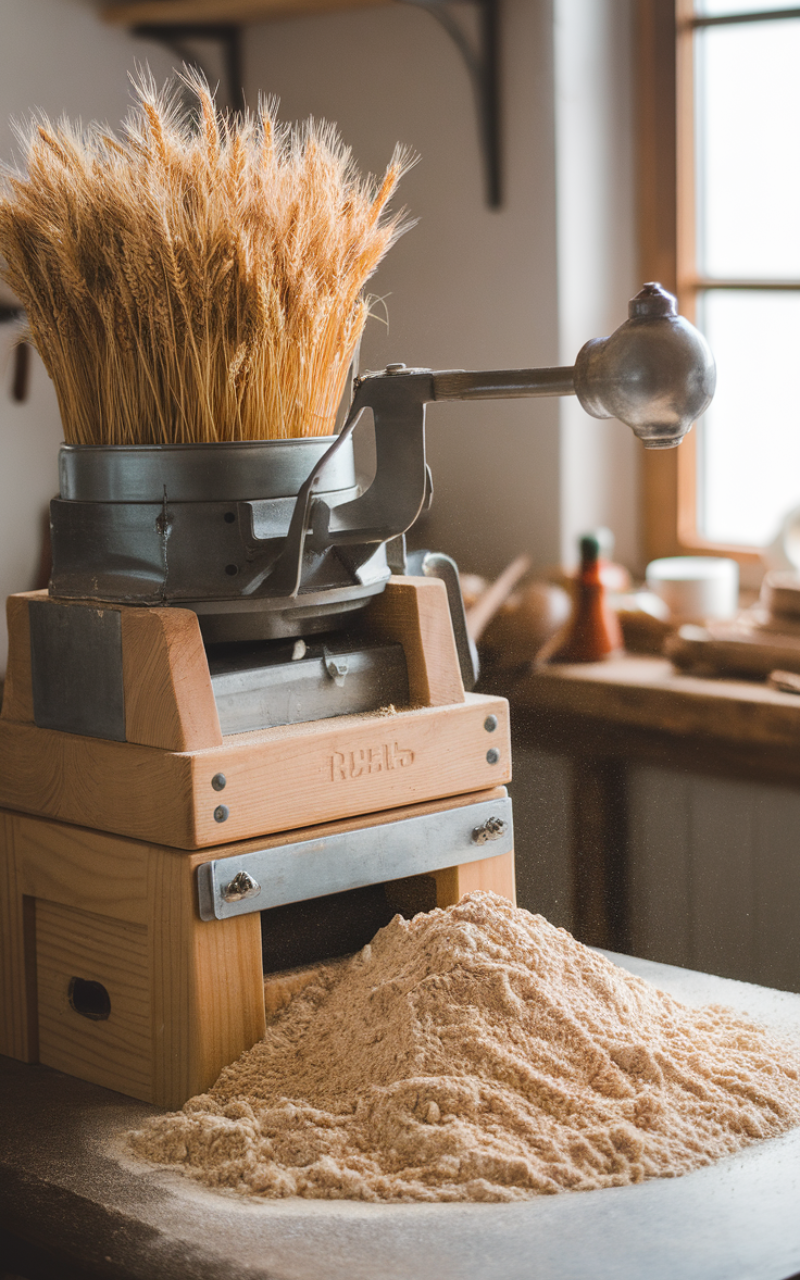
Grinding your own flour ensures you get the freshest, most nutrient-rich product possible. A hand-cranked or electric grain mill allows us to mill wheat, oats, and even corn.
Homesteading Kitchen Tip: Start with small batches until you find your preferred grind texture.
12. Large Mixing Bowls
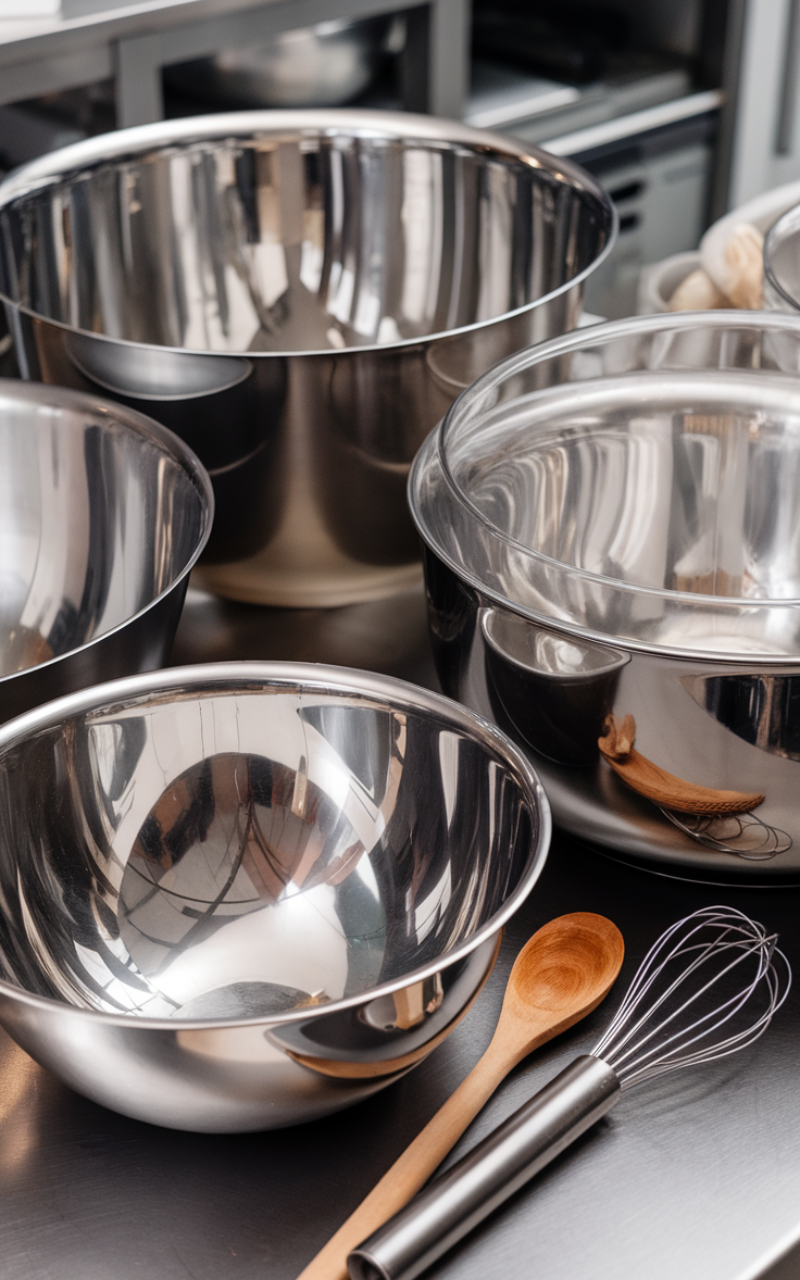
Heavy-duty mixing bowls made of stainless steel or glass are crucial for bread doughs, fermenting vegetables, or mixing large batches of ingredients.
Homesteading Kitchen Tip: Have multiple sizes available, small for prepping and large for mixing or fermenting.
11. Cast Iron Dutch Oven
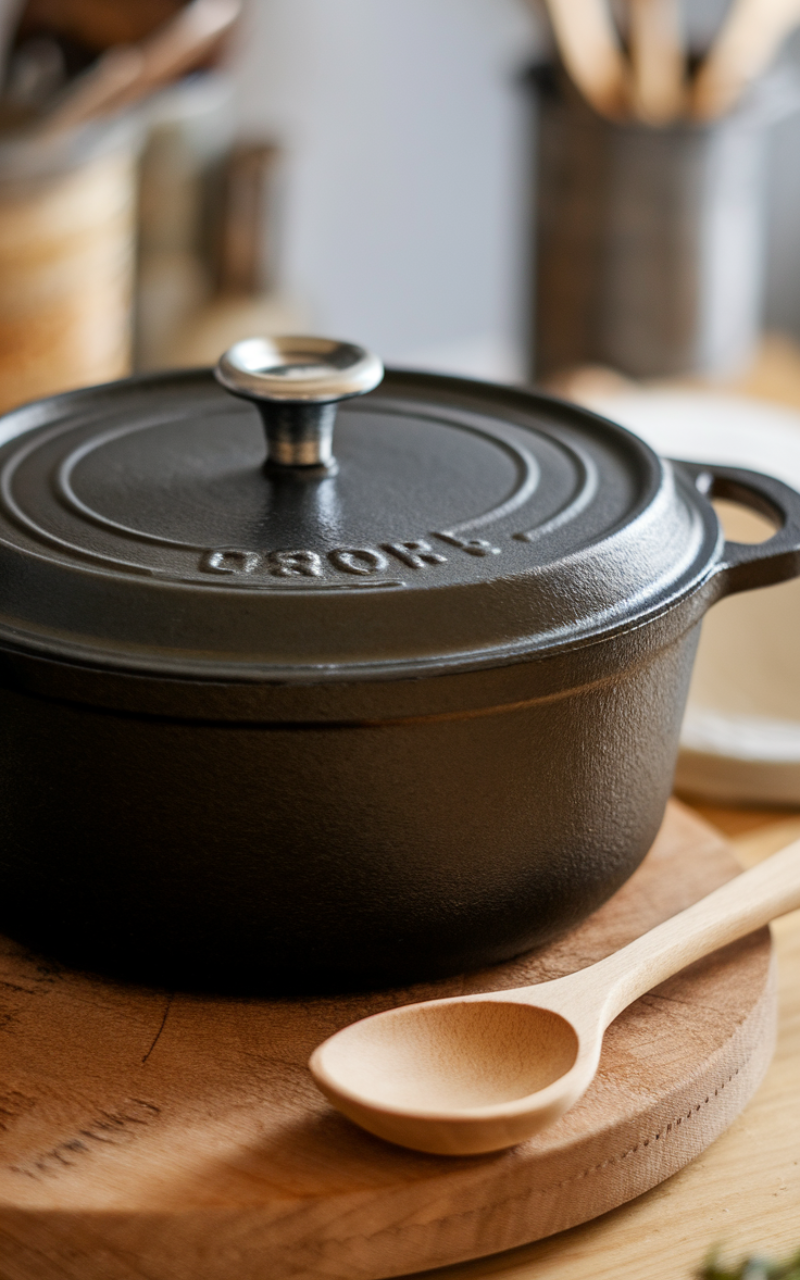
A cast-iron Dutch oven is the perfect all-purpose cookware. It works for soups, stews, baking bread, or roasting meat.
Homesteading Kitchen Tip: Use it both on the stovetop and in the oven for maximum versatility.
10. Fermentation Crock or Jar
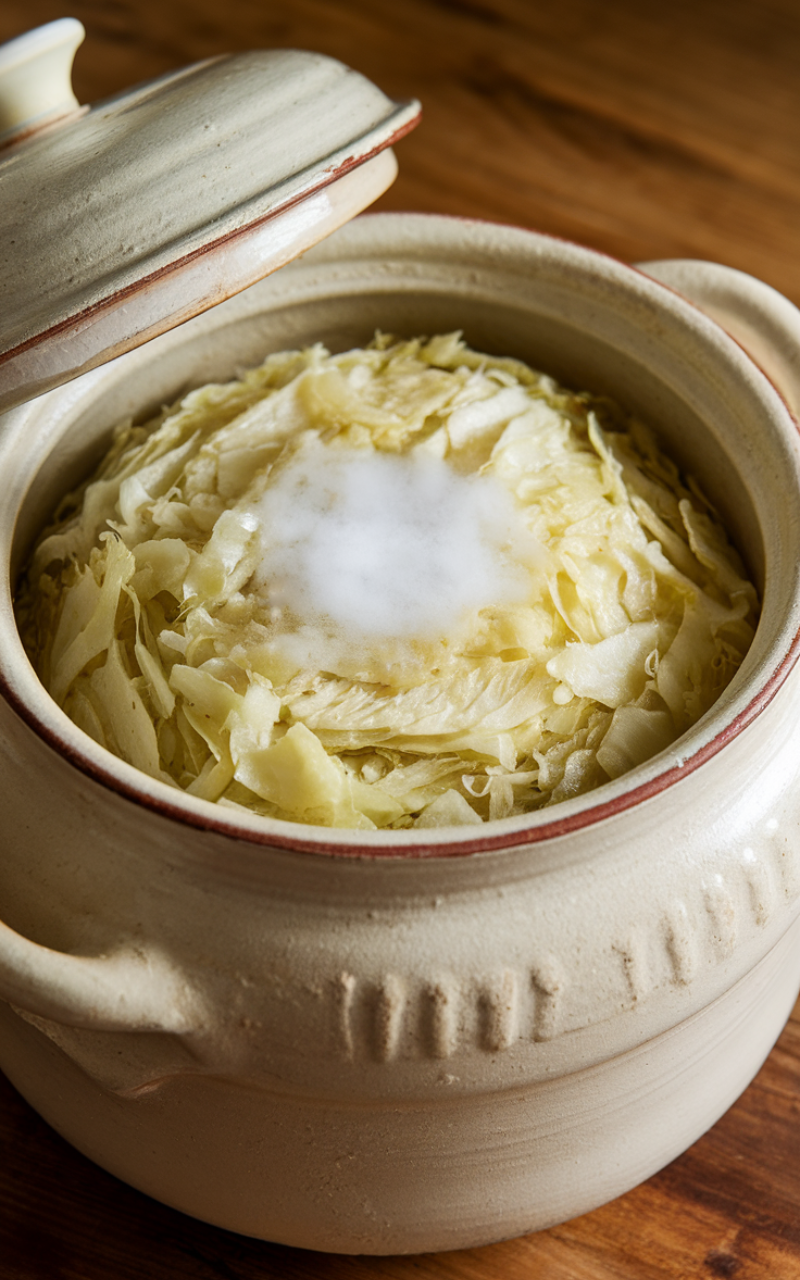
Fermenting foods like sauerkraut, kimchi, and pickles is easy and rewarding with the right crock or jar.
Homesteading Kitchen Tip: Use a fermentation weight to keep vegetables submerged and prevent spoilage.
9. Butter Churn or Mixer
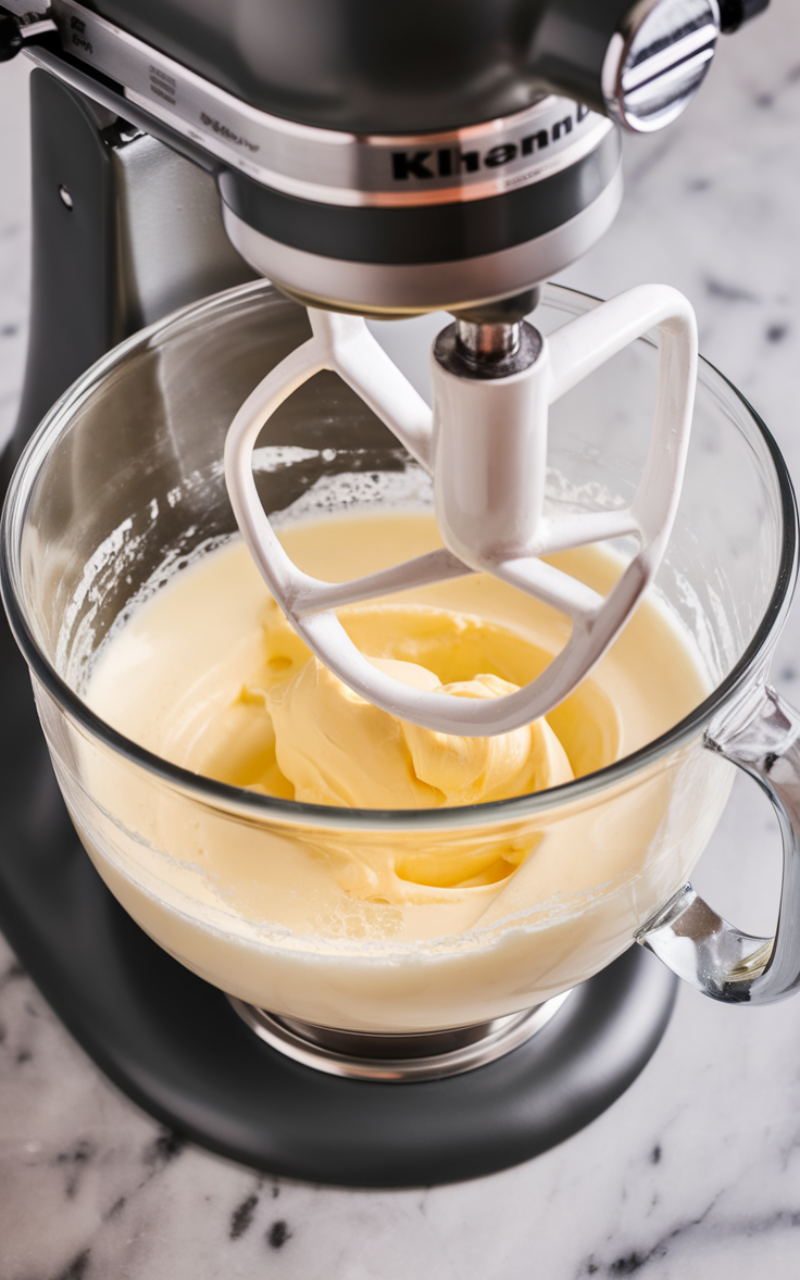
Making homemade butter is a simple and satisfying process. A butter churn or even a stand mixer can turn cream into butter within minutes.
Homesteading Kitchen Tip: Save the leftover buttermilk for baking.
8. Cheesecloth and Strainer
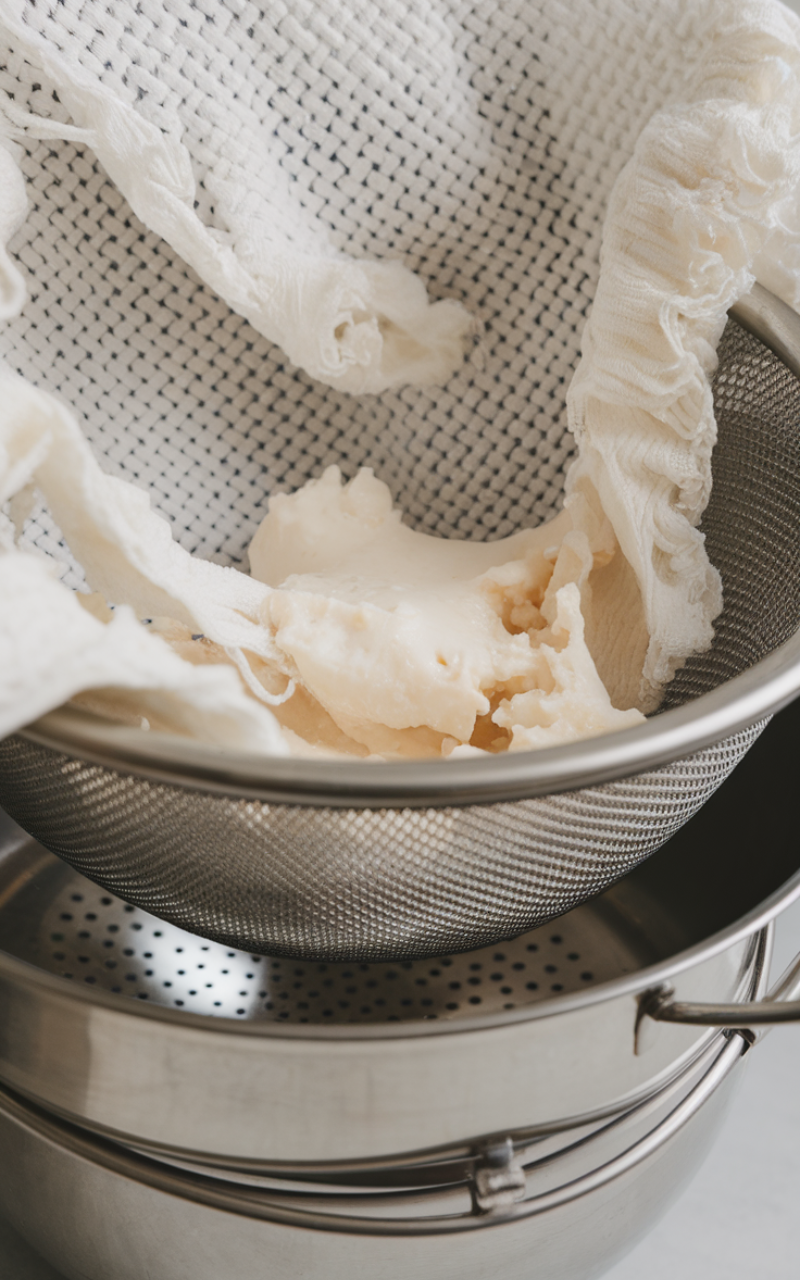
For making yogurt, cheese, or straining herbs, cheesecloth is indispensable in a homesteading kitchen.
Homesteading Kitchen Tip: Wash and reuse your cheesecloth to reduce waste.
7. Meat Grinder
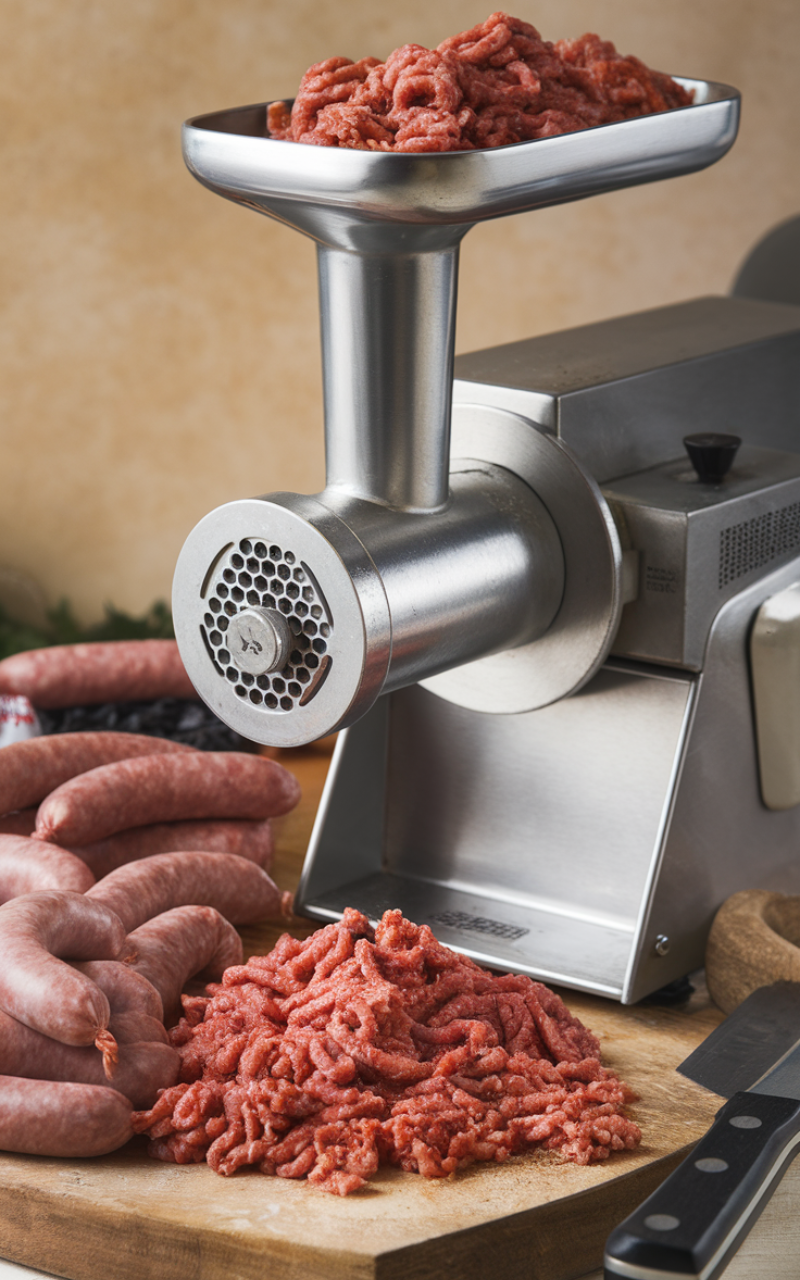
A meat grinder allows you to process your own meat safely and economically. It’s ideal for making sausages, ground beef, or pet food.
Homesteading Kitchen Tip: Keep meat partially frozen before grinding for a clean, smooth grind.
6. Food Scale
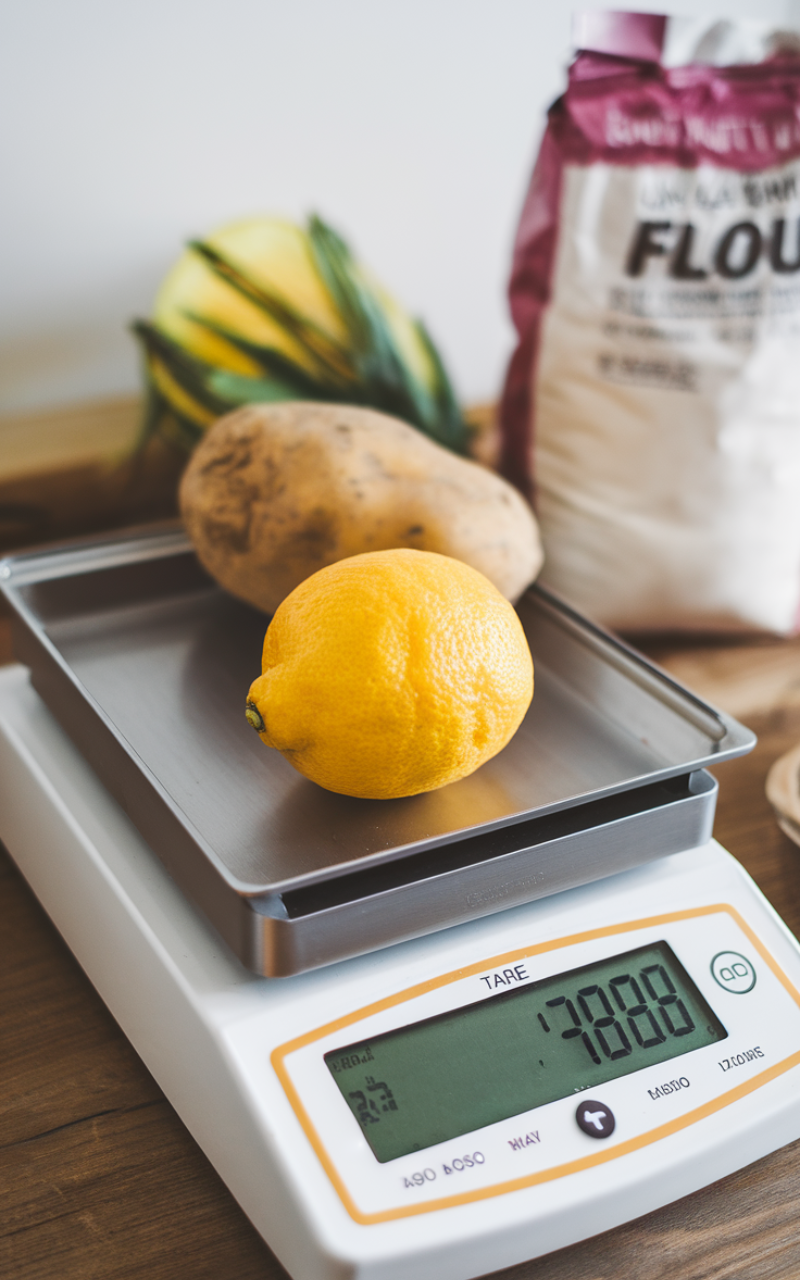
A digital or mechanical food scale ensures precise ingredient measurements for canning, baking, and preserving.
Homesteading Kitchen Tip: Weighing ingredients instead of measuring by volume gives consistent results every time.
5. Knife Set and Sharpening Stone
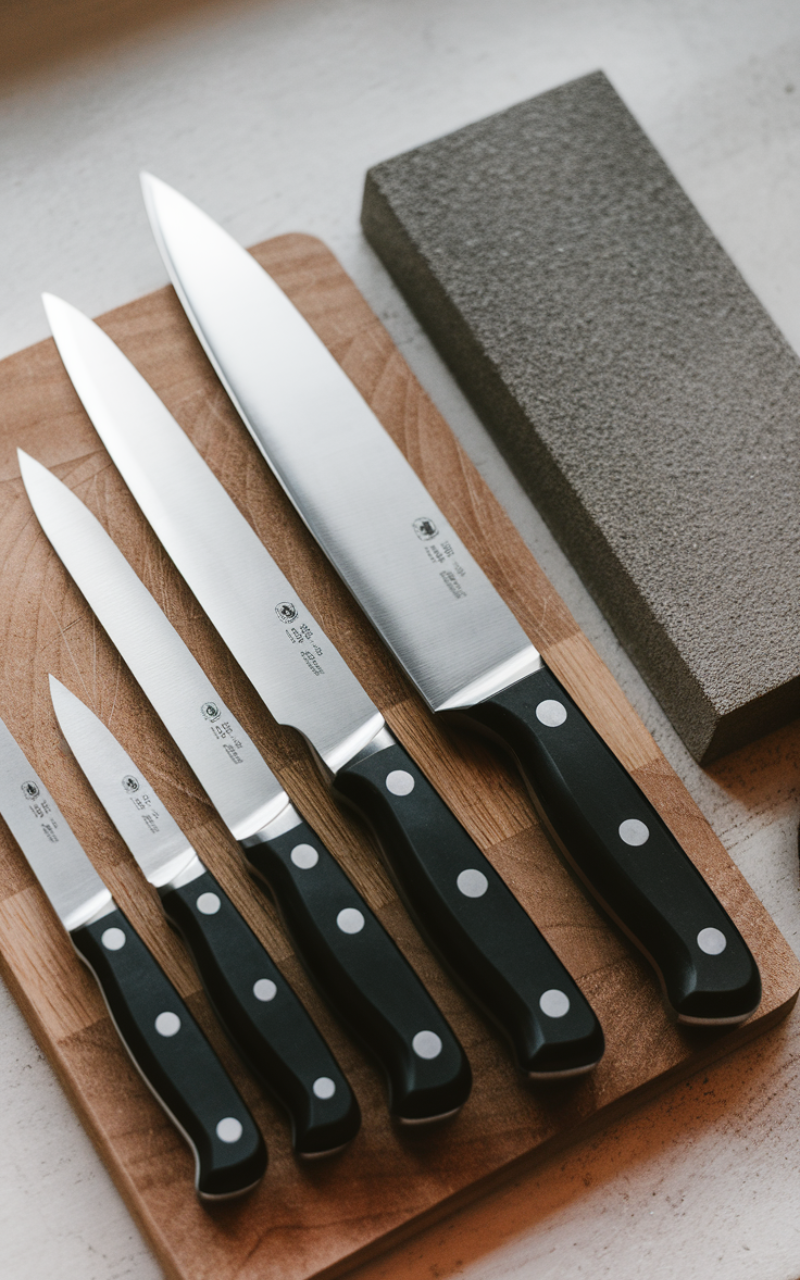
A sharp knife set is the cornerstone of every efficient kitchen. From slicing vegetables to butchering meat, the right tools save time and improve safety.
Homesteading Kitchen Tip: Regularly hone and sharpen your knives to maintain their edge.
4. Wooden Spoons and Spatulas
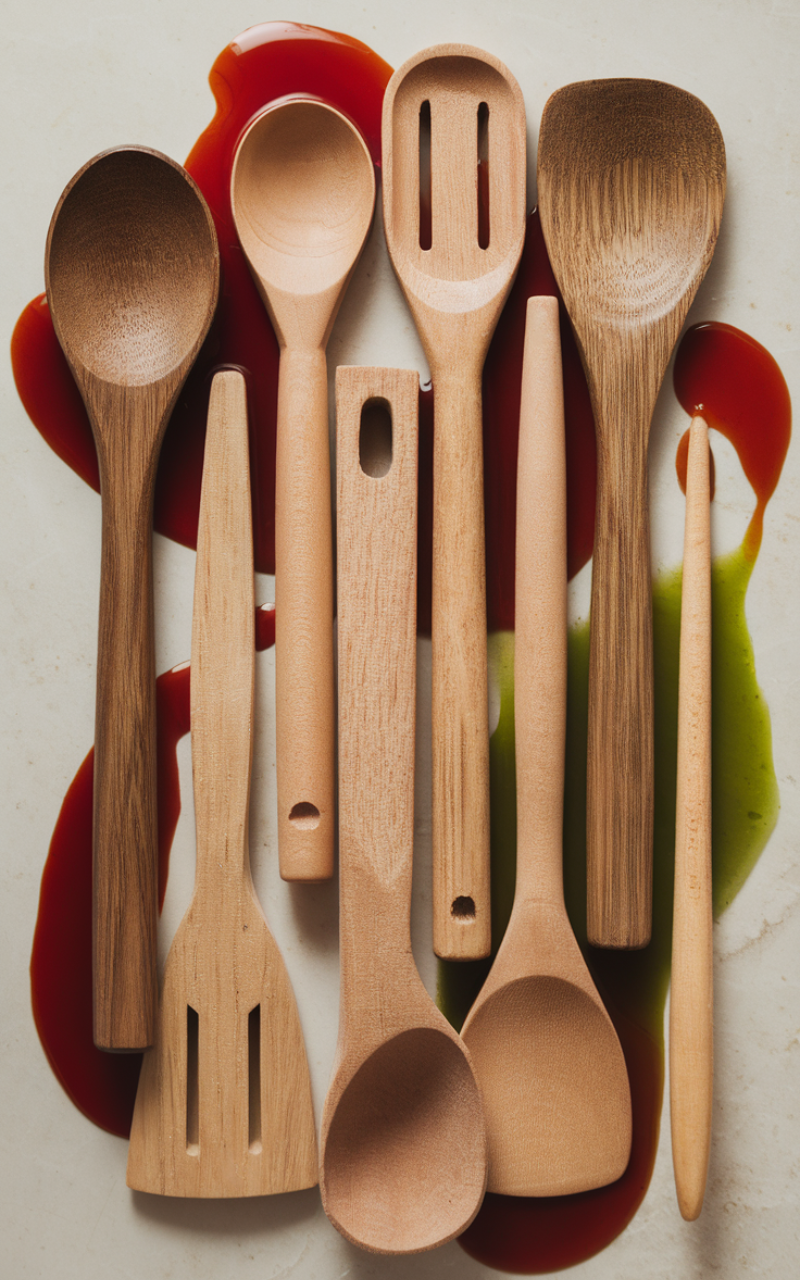
Wooden utensils don’t react with acidic foods and are durable for long-term use. They’re perfect for stirring jams, sauces, or soups.
Homesteading Kitchen Tip: Hand-wash wooden tools and oil them occasionally to prevent cracking.
3. Manual Coffee Grinder and Percolator
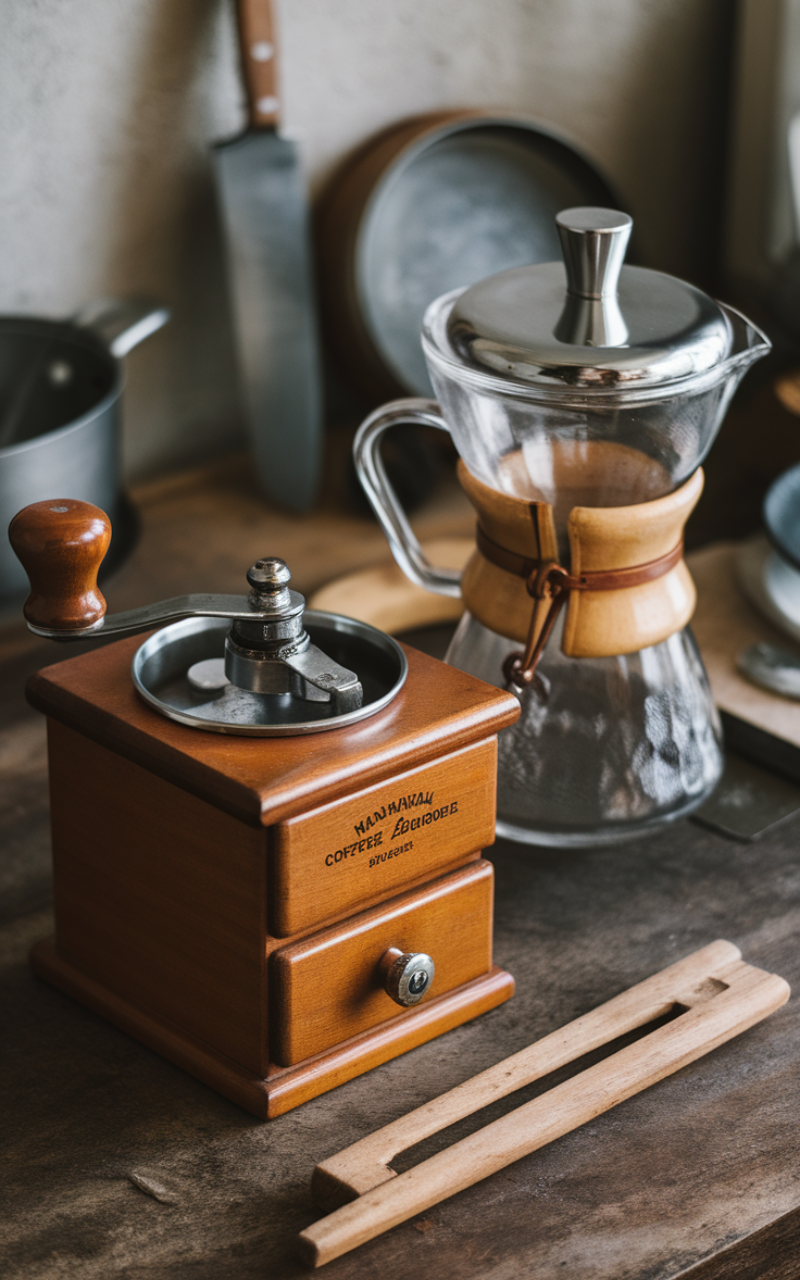
A manual coffee grinder ensures you can enjoy fresh coffee even without electricity, and a percolator works perfectly on a wood stove.
Homesteading Kitchen Tip: Store roasted coffee beans in airtight containers for freshness.
2. Heavy-Duty Stockpot
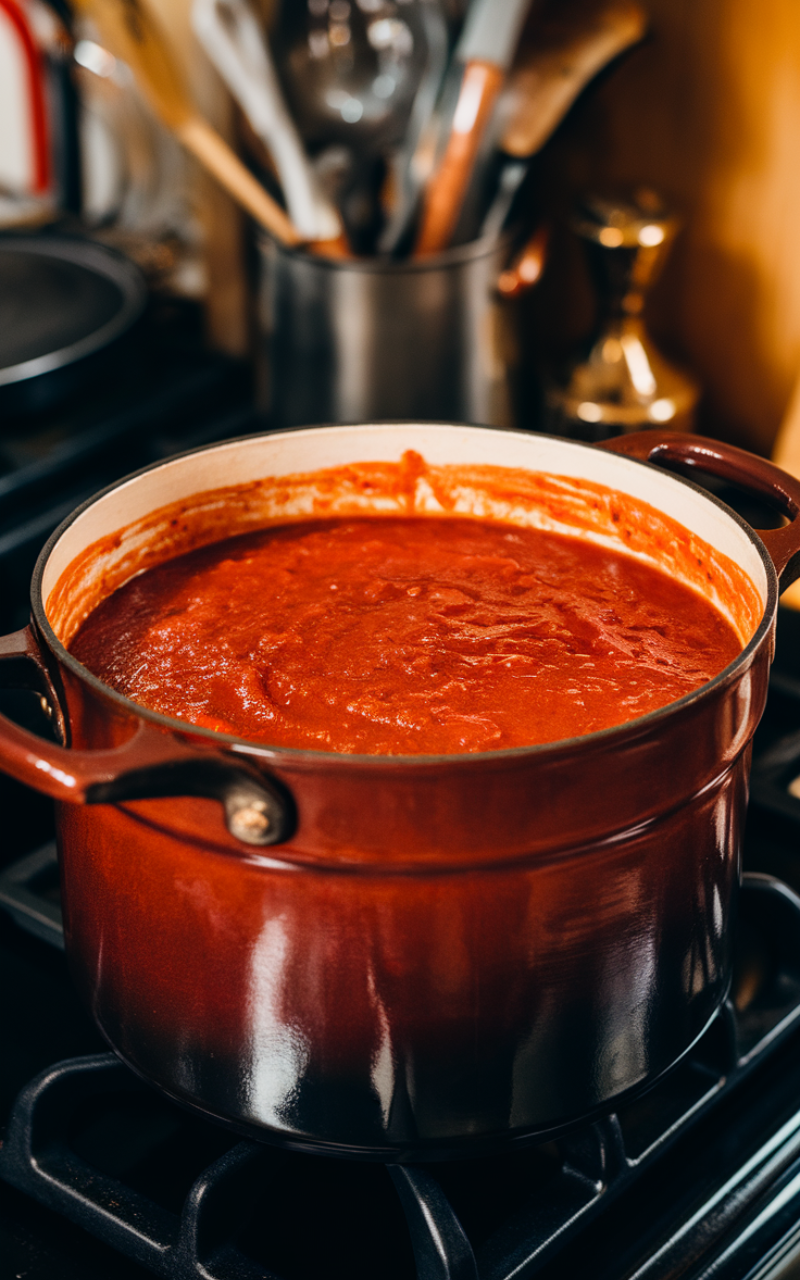
A large stockpot is essential for making soups, broths, and large batches of tomato sauce or pasta.
Homesteading Kitchen Tip: Choose stainless steel for durability and even heat distribution.
1. Solar Oven or Wood Cookstove
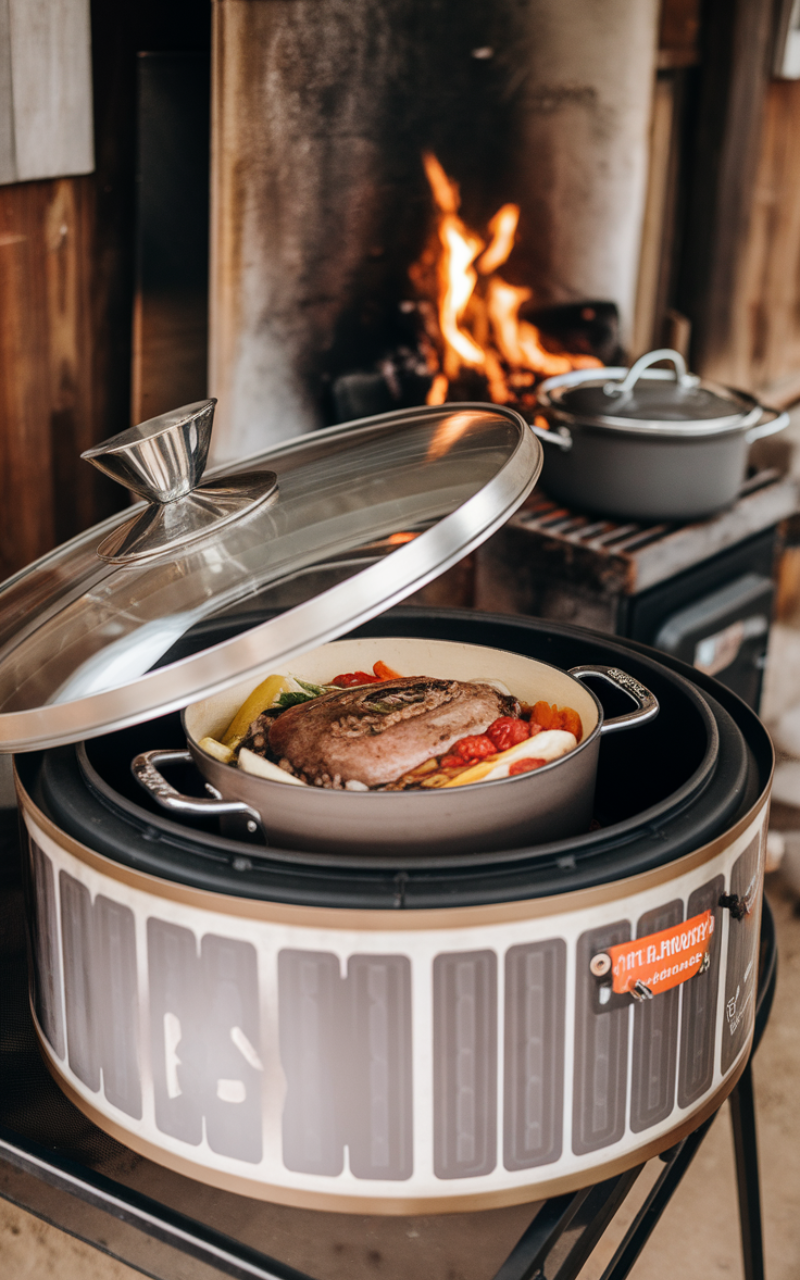
Cooking without electricity connects us to traditional homesteading roots. Solar ovens and wood cookstoves provide sustainable cooking alternatives.
Homesteading Kitchen Tip: Experiment with simple recipes first to understand temperature control naturally.
Conclusion
Building a well-equipped homesteading kitchen doesn’t require luxury gadgets, just reliable, durable, and versatile tools that stand the test of time. By focusing on multifunctional equipment like cast iron cookware, canning tools, and grain mills, we empower ourselves to create, preserve, and enjoy food the traditional way. With these 18 essential homesteading kitchen tools, every meal becomes a step toward greater self-sufficiency and sustainability.