
Join Our Newsletter for Cozy Home Inspiration, Family Fun, and Delicious Recipes Every Week
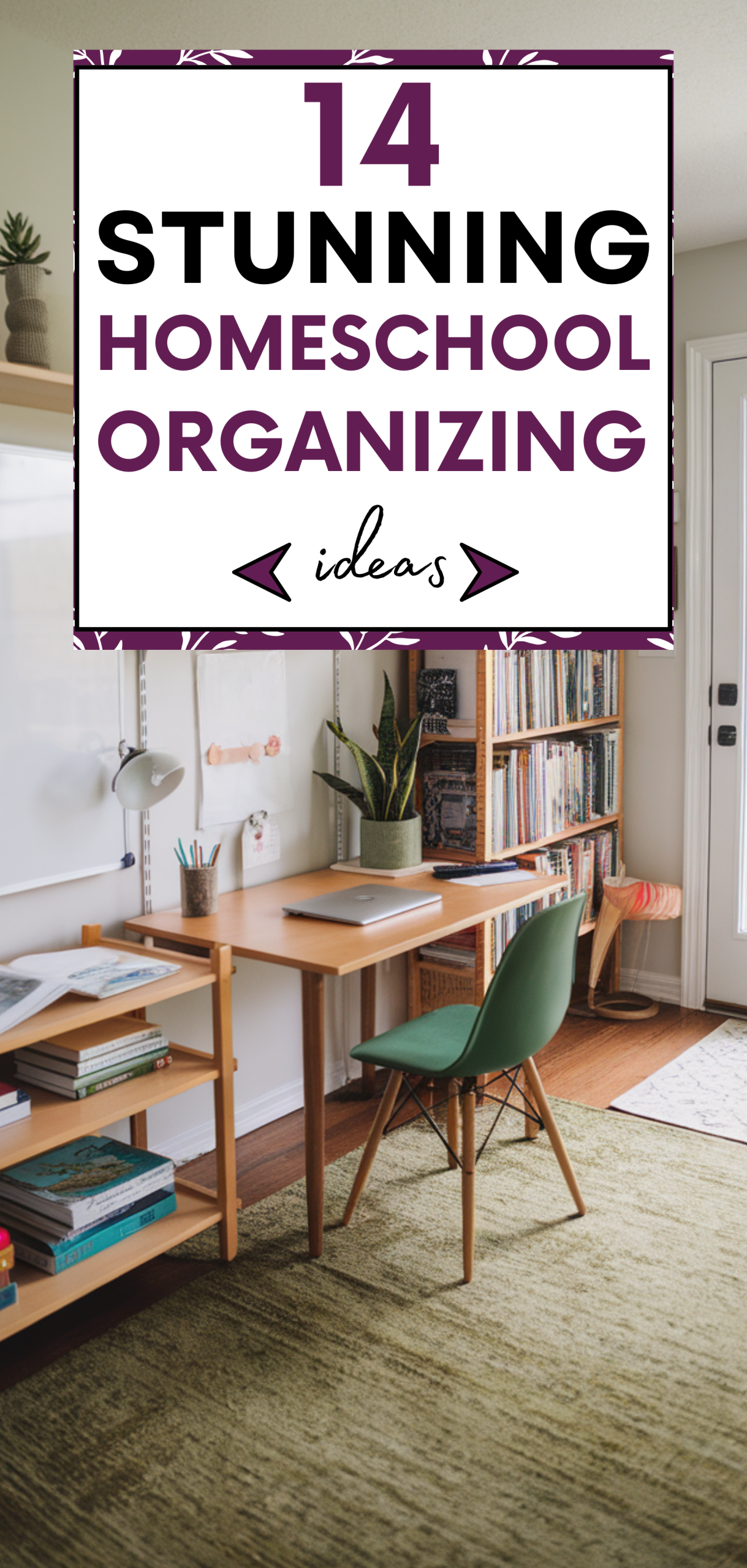
14 Stunning Homeschool Organizing Ideas

I’m still on a pen and paper planner, and it works… until it doesn’t. Homeschool organizing feels like a juggling act some days, math lessons stretch longer than expected, reading logs get buried in another notebook, and science experiments happen on a whim without ever making it onto the page.
The problem isn’t the lack of effort; it’s that everything seems to live in a different place: apps, binders, random sticky notes, and none of them talk to each other.
At first, I tried apps like Khan Academy Kids and My School Year, hoping they’d pull planning, lessons, and tracking into one simple space. But they didn’t. What helped me more was shifting my mindset.
Instead of rigidly planning every lesson on a calendar, I began scheduling time blocks: math time, reading time, science time, so the pace stayed flexible.
Homeschool organizing became less about micromanaging each page and more about knowing the general flow of the curriculum. If a math lesson took two days instead of one, it was no longer a failure. It was just part of the journey.
I also discovered the power of a “reverse planner.” Instead of stressing about what didn’t get checked off, I simply wrote down what we actually completed that day, every book, every experiment, every video.
Later, I could type it all into a Word document for record-keeping. This small shift made homeschool organizing feel lighter, almost like a scrapbook of learning rather than a task list waiting to be judged.
And for kindergarten, especially, this flexibility is gold. Some days we blow through three lessons, other days we spend hours following a sudden interest in circuits or clouds. Both count. Both matter.
For extra support, I’ve tried tools like the Loop Habit Tracker (to make sure we don’t forget art or nature study for too long) and Trello for visual planning.
But honestly, the best system is the one that fits your family’s rhythm. Whether you lean on digital tools, spiral notebooks, or even a reverse planner, the goal is the same: keeping learning flowing without letting the plan get in the way.
If you’re looking for more inspiration, I also wrote an article about 14 Easy Modern Wabi Sabi Interiors, which shares how embracing imperfection can actually make your home (and homeschool!) feel more peaceful.
14. Designate a Dedicated Learning Zone
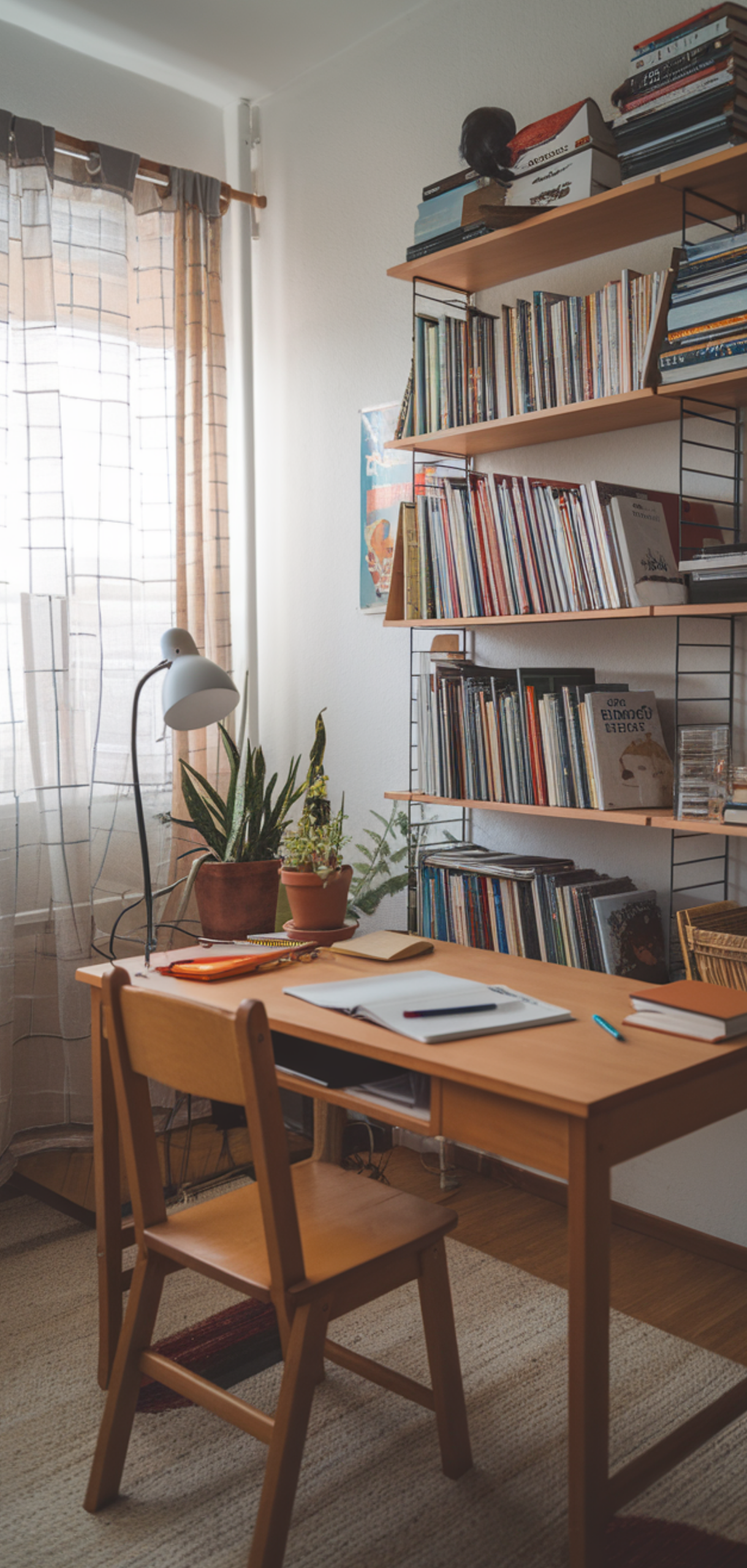
Instead of scattering books and supplies across the home, create a clear boundary for learning. Use a specific room or a corner with defined shelving and a sturdy desk. Add a rug to visually separate the area, making it feel like a unique “classroom.”
13. Use Color-Coded Storage Systems
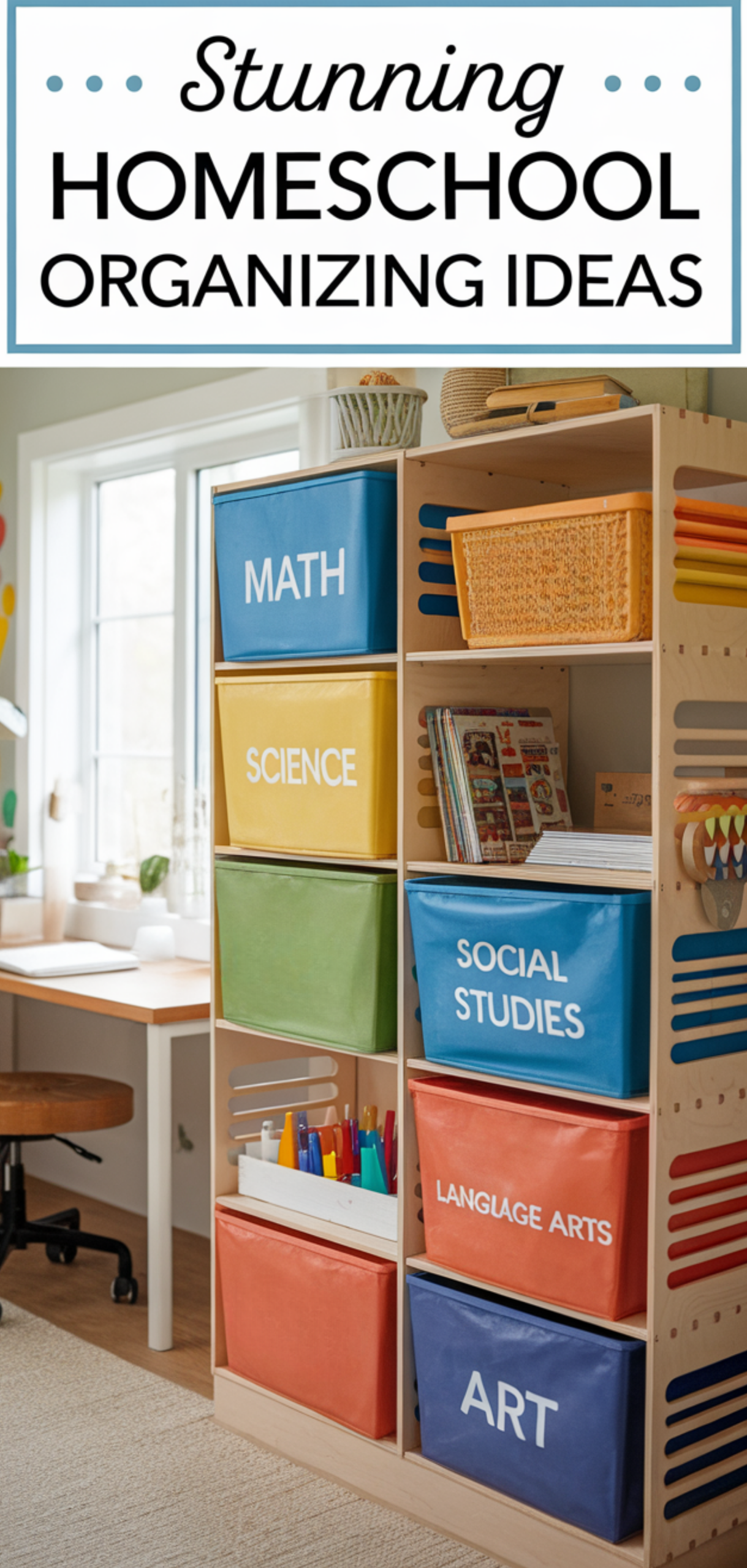
Assign each subject or child a color. For example, blue bins for math, green folders for science, and yellow binders for language arts. This quick visual system reduces time spent searching and keeps everything neatly in place.
12. Incorporate Vertical Storage Solutions
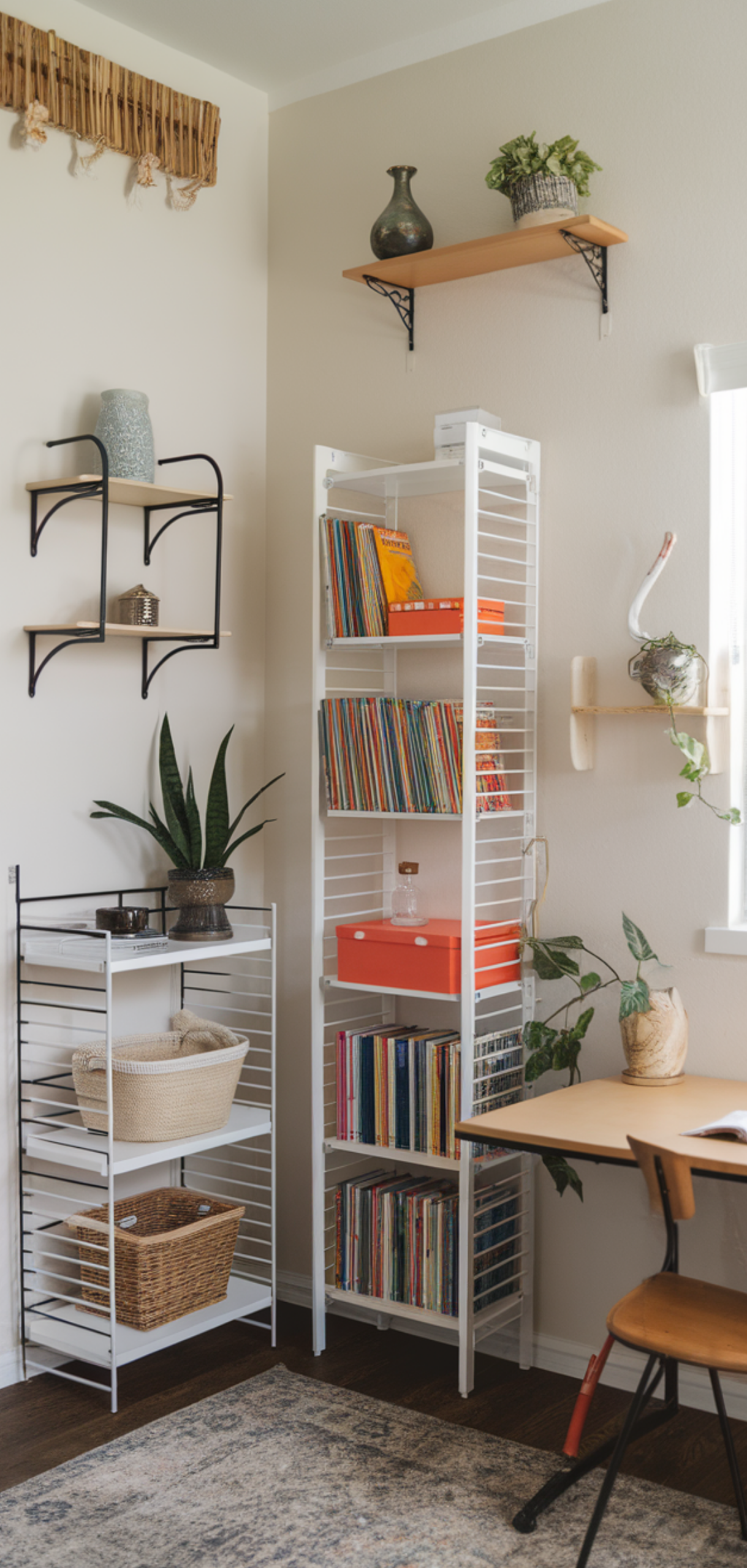
Wall-mounted shelves, pegboards, and hanging organizers maximize space. Install floating shelves for curriculum books and use a pegboard to hold scissors, rulers, and craft supplies. This frees up desk space while keeping essentials accessible.
11. Create a Rolling Supply Cart
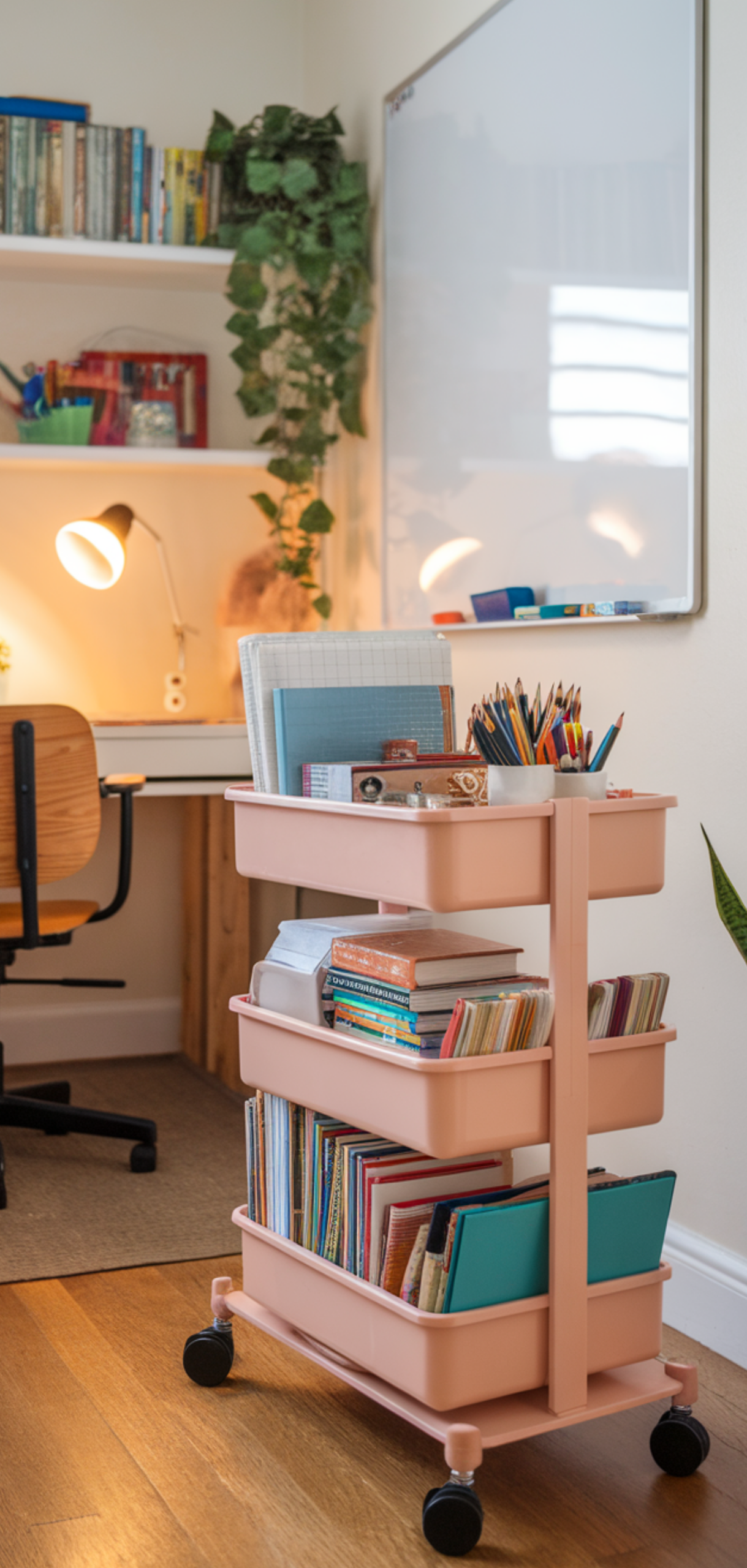
A three-tier rolling cart can hold art supplies, flashcards, or manipulatives. Move it easily between rooms, keeping lessons flexible while avoiding clutter. Label each tier by category for faster cleanup.
10. Use Clear Bins and Labels
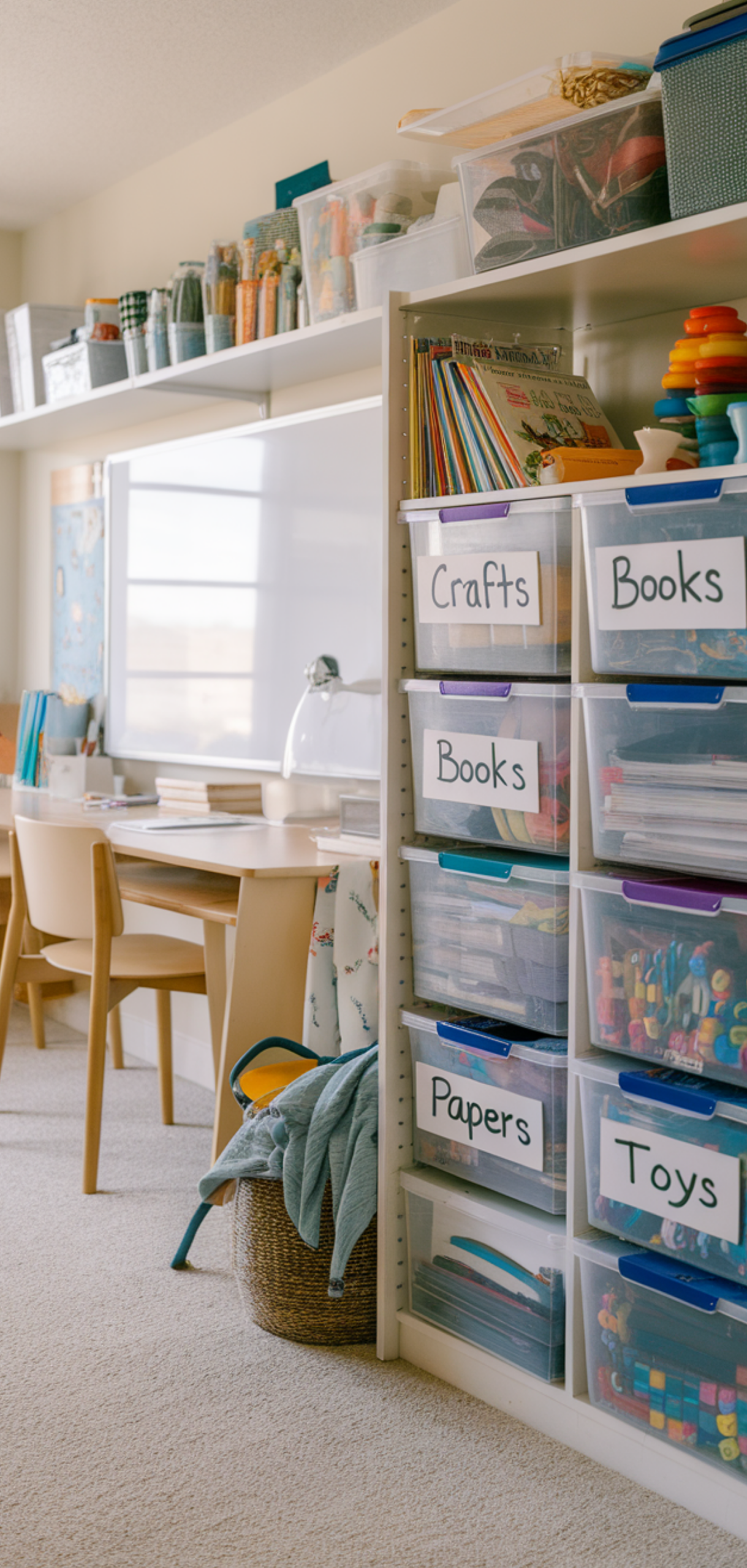
Transparent bins allow kids to see contents at a glance. Pair them with large, easy-to-read labels. This promotes independence; children can grab what they need without constant guidance.
9. Establish a Daily Command Center
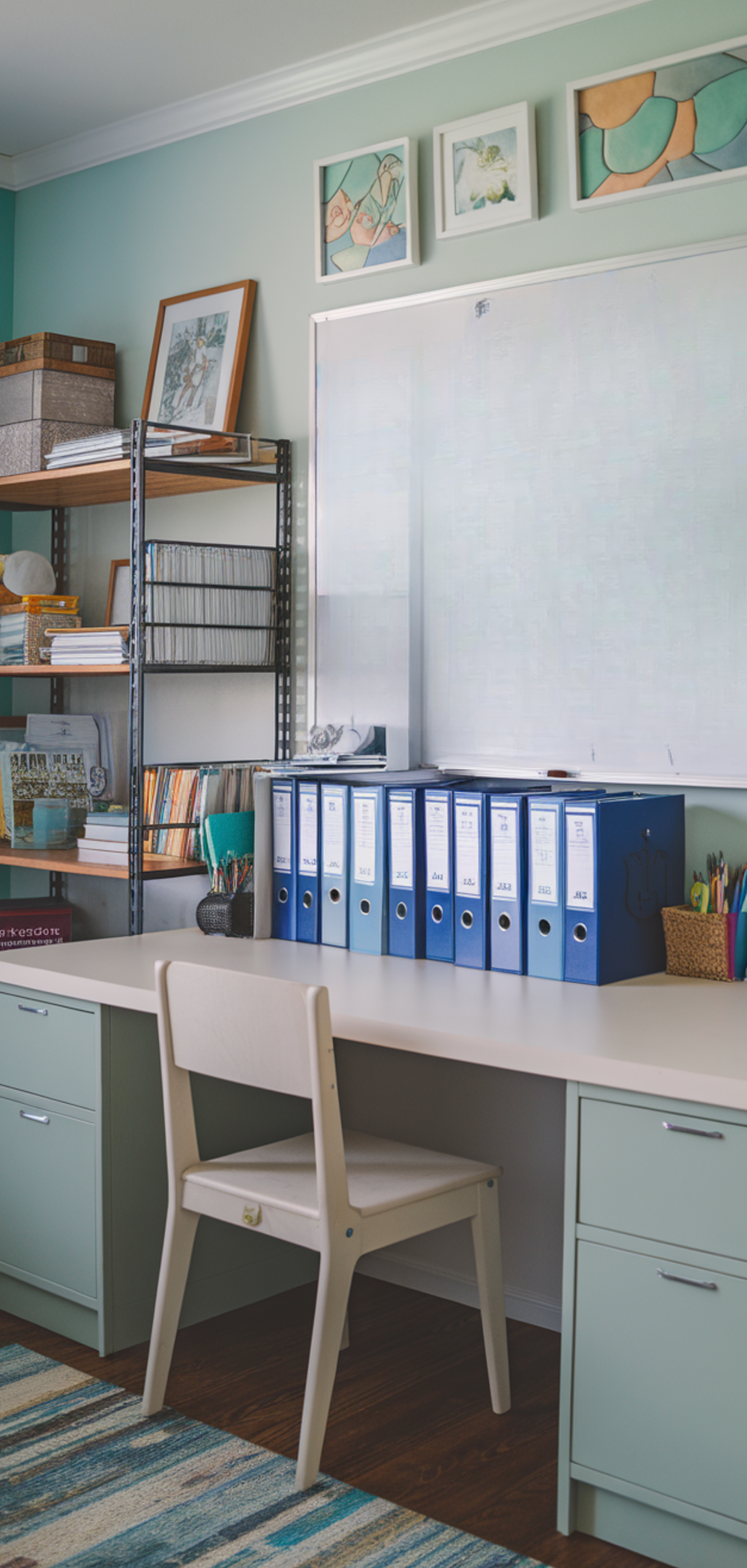
Mount a whiteboard or corkboard where the family can track daily lessons, schedules, and goals. Add a pocket chart for assignment sheets and weekly plans. This central hub prevents confusion and encourages accountability.
8. Invest in Adjustable Desks and Chairs
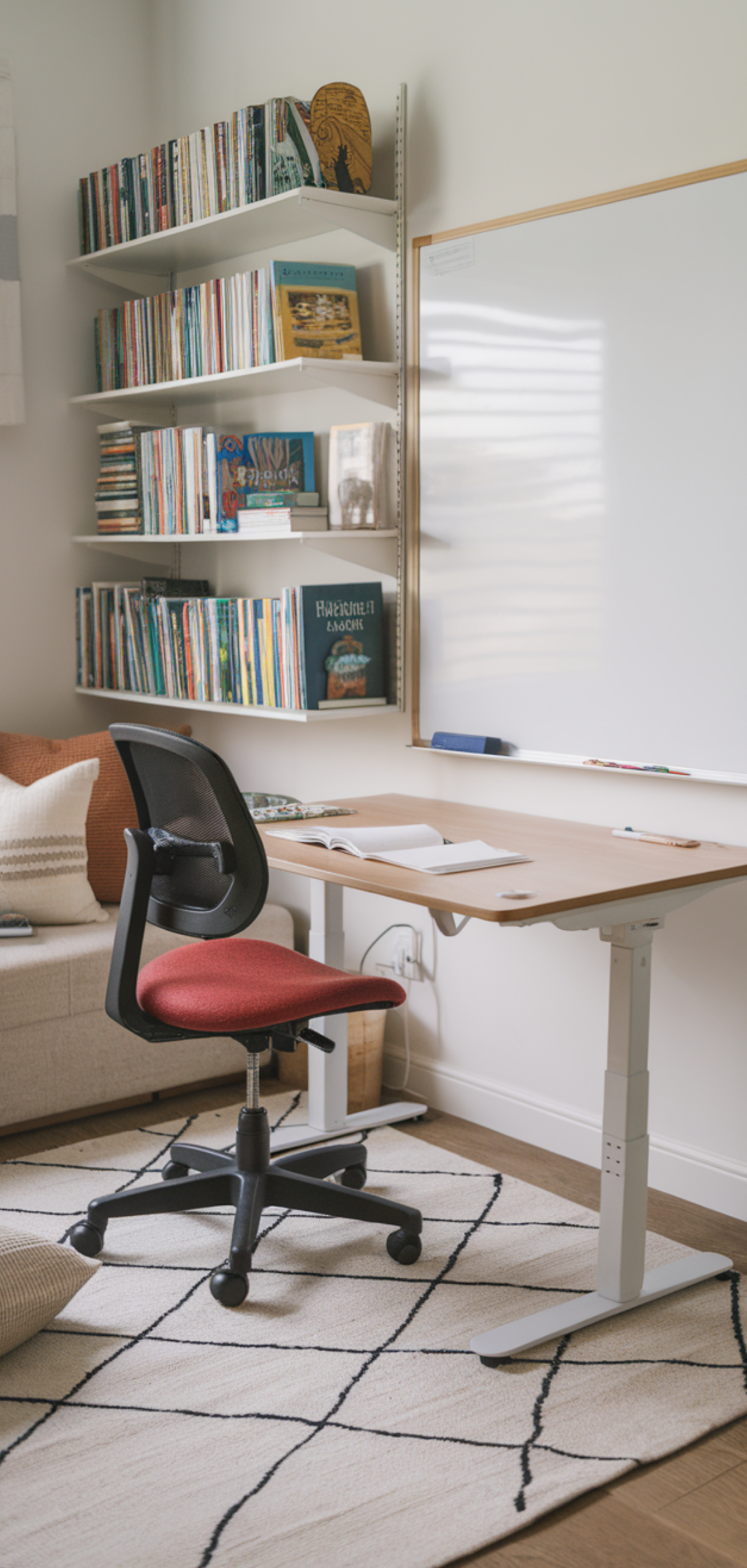
Ergonomic furniture improves posture and keeps kids comfortable during longer study sessions.
Homeschool Organizing Tip: Adjustable options grow with your children, reducing the need for frequent replacements.
7. Utilize a File Cabinet or Magazine Holders
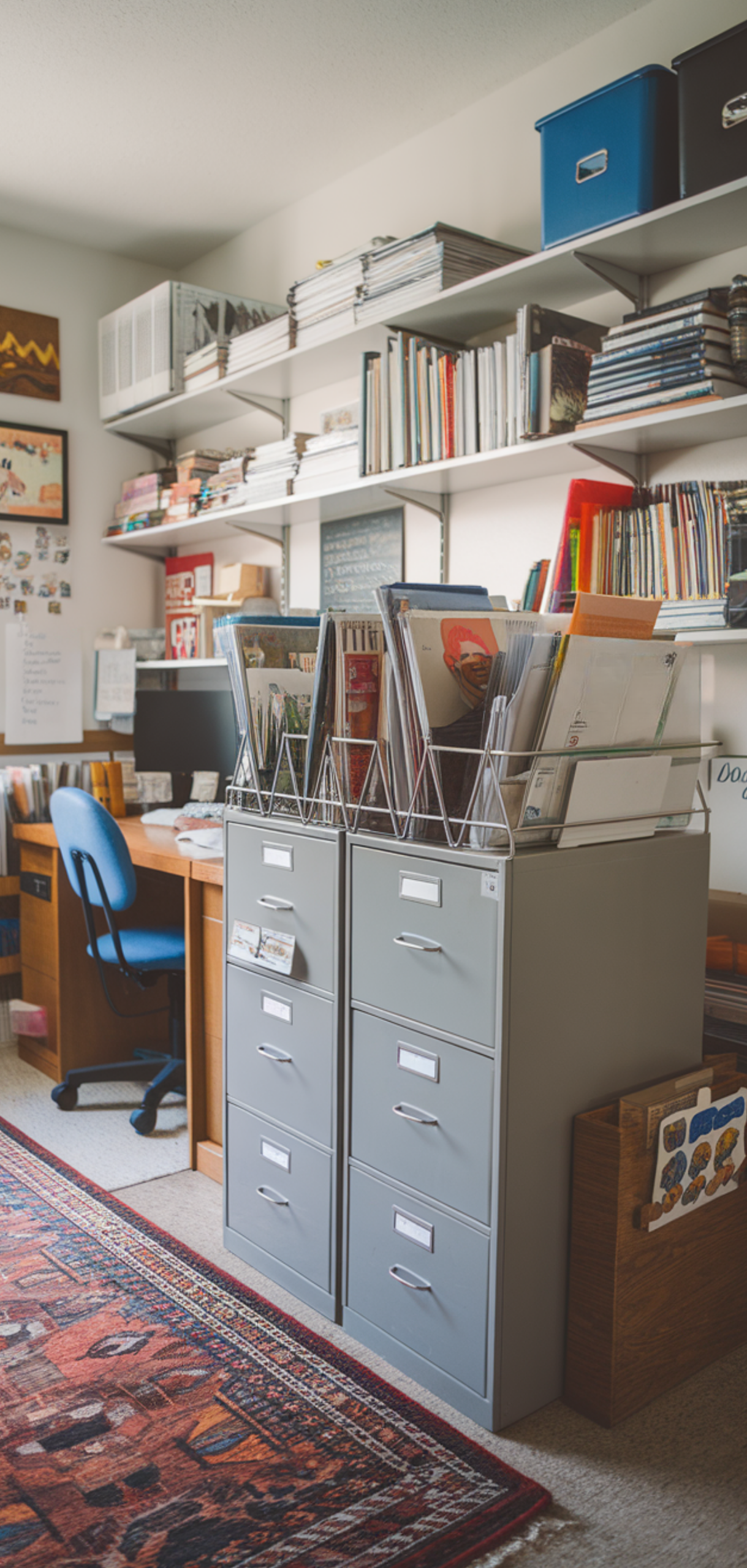
Sort completed work, reference sheets, and test results in a compact file cabinet.
Homeschool Organizing Tip: Alternatively, use magazine holders labeled by subject for a quick and affordable filing system.
6. Create a Reading Nook
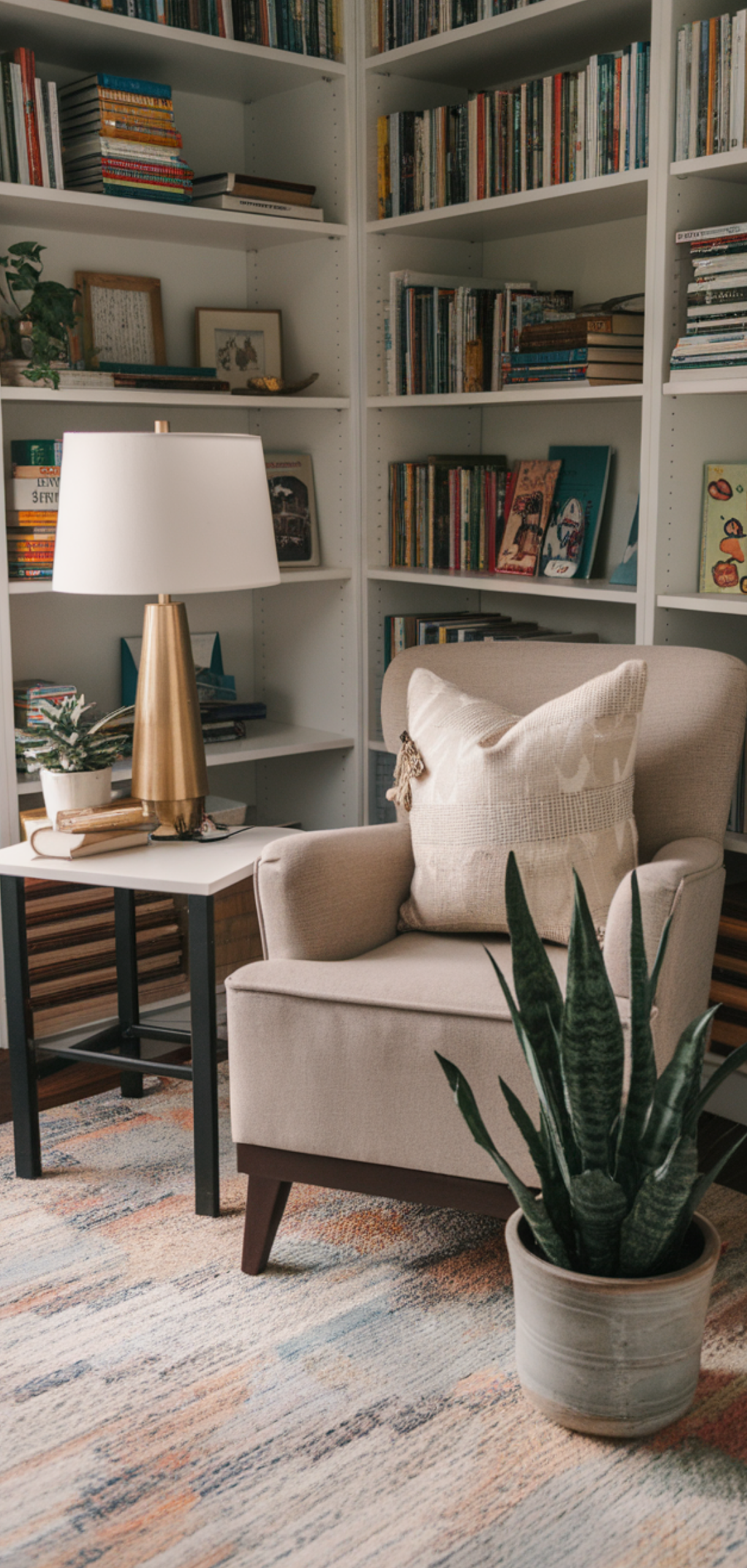
Set up a cozy corner with beanbags, shelves of age-appropriate books, and good lighting.
Homeschool Organizing Tip: This quiet retreat encourages a love of reading and provides a break from structured desk work.
5. Keep a Rotation Bin for Supplies
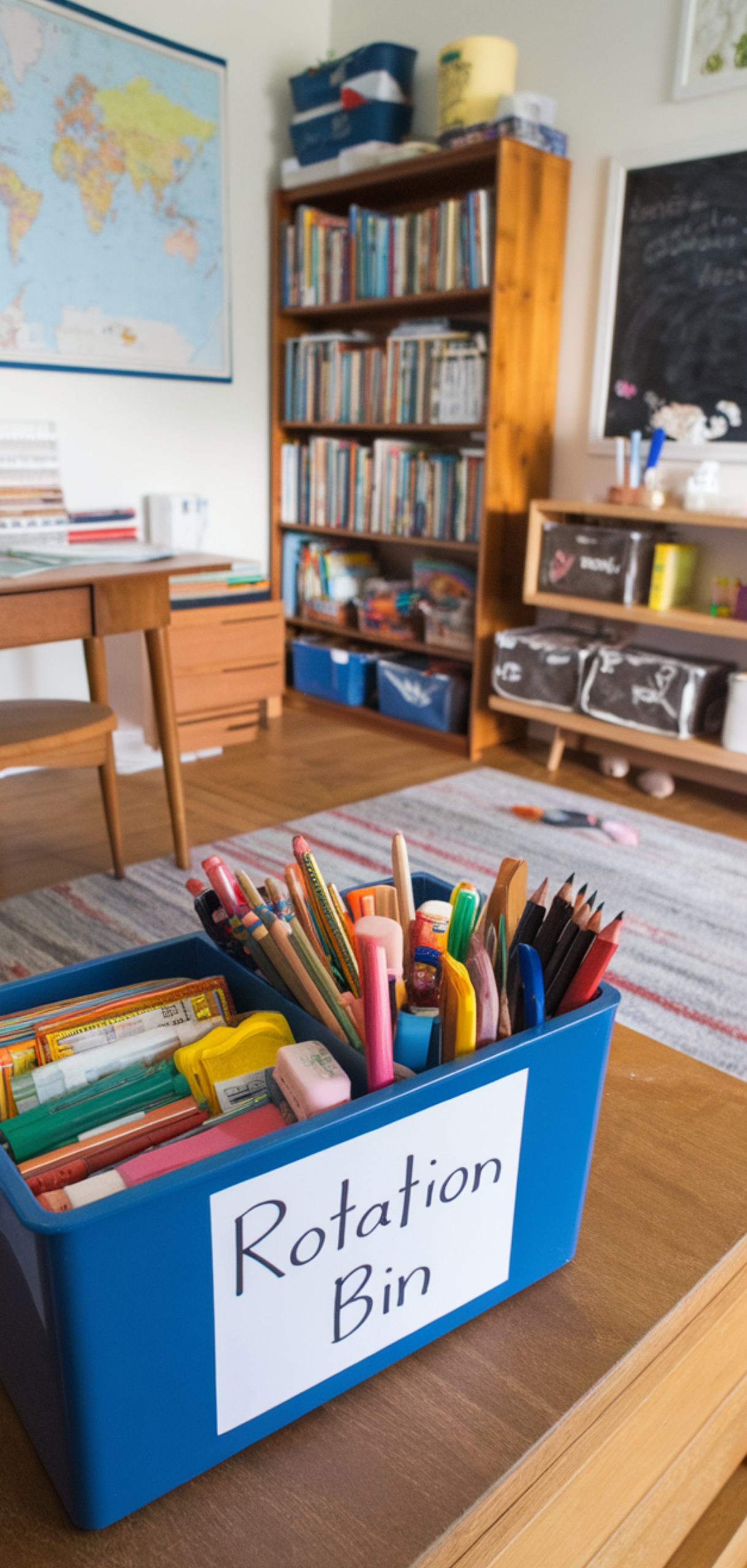
Too many materials can overwhelm children. Store extra supplies in rotation bins.
Homeschool Organizing Tip: Rotate items monthly to refresh interest without crowding the main learning area.
4. Implement Digital Organization Tools
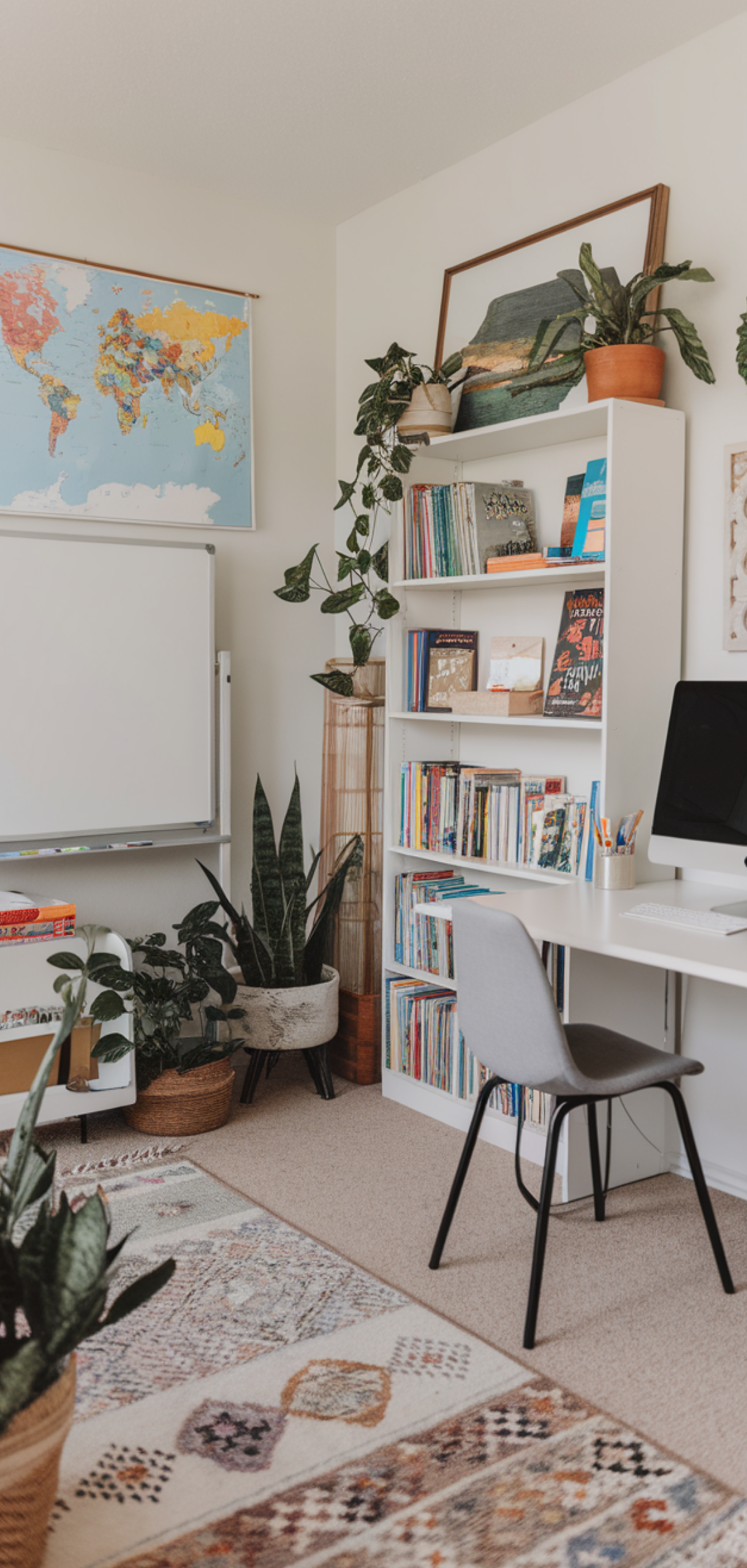
Use apps like Google Drive or Trello for digital assignments, schedules, and record-keeping.
Homeschool Organizing Tip: A shared family calendar helps track activities, field trips, and lesson deadlines.
3. Personalize with Student Work Displays
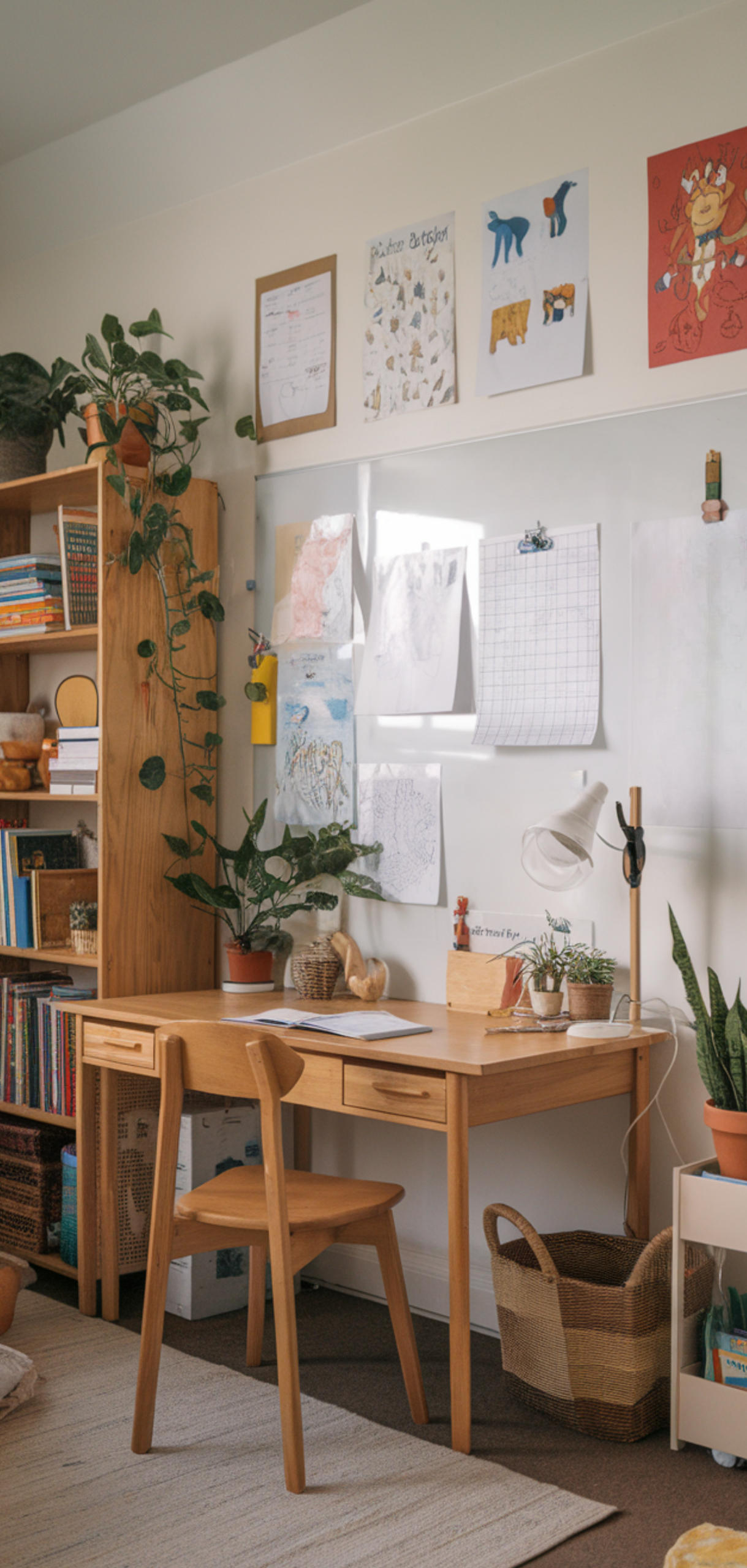
Frame or pin recent artwork, science projects, or essays. A dedicated wall or bulletin board instills pride and creates a motivating, personal learning atmosphere.
2. Use Drawer Dividers for Small Items
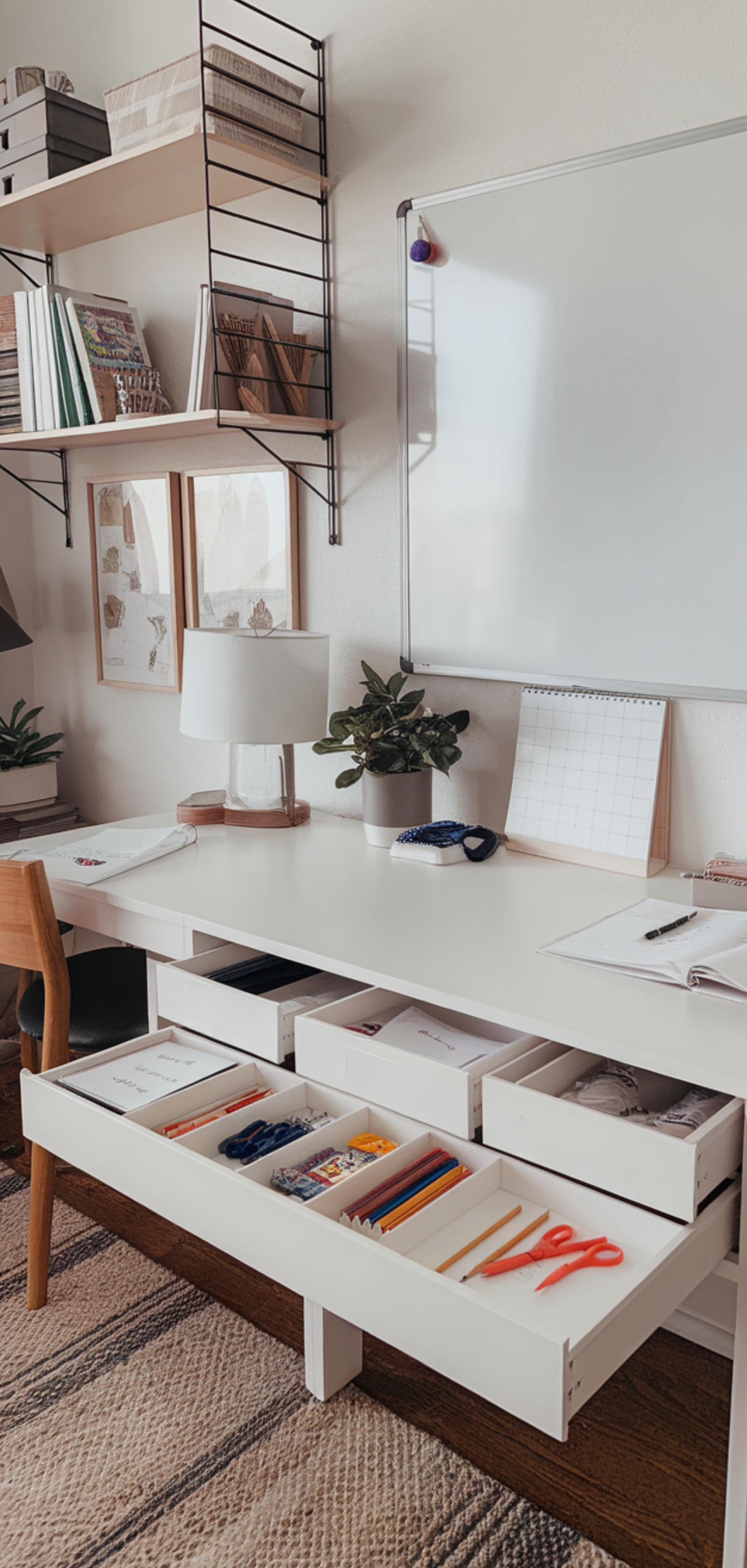
Tiny items like pencils, markers, and flash drives can easily create chaos. Insert drawer dividers in desks to keep everything neat and sorted.
Homeschool Organizing Tip: Each section has its designated tool, saving valuable time.
1. Plan with a Homeschool Binder
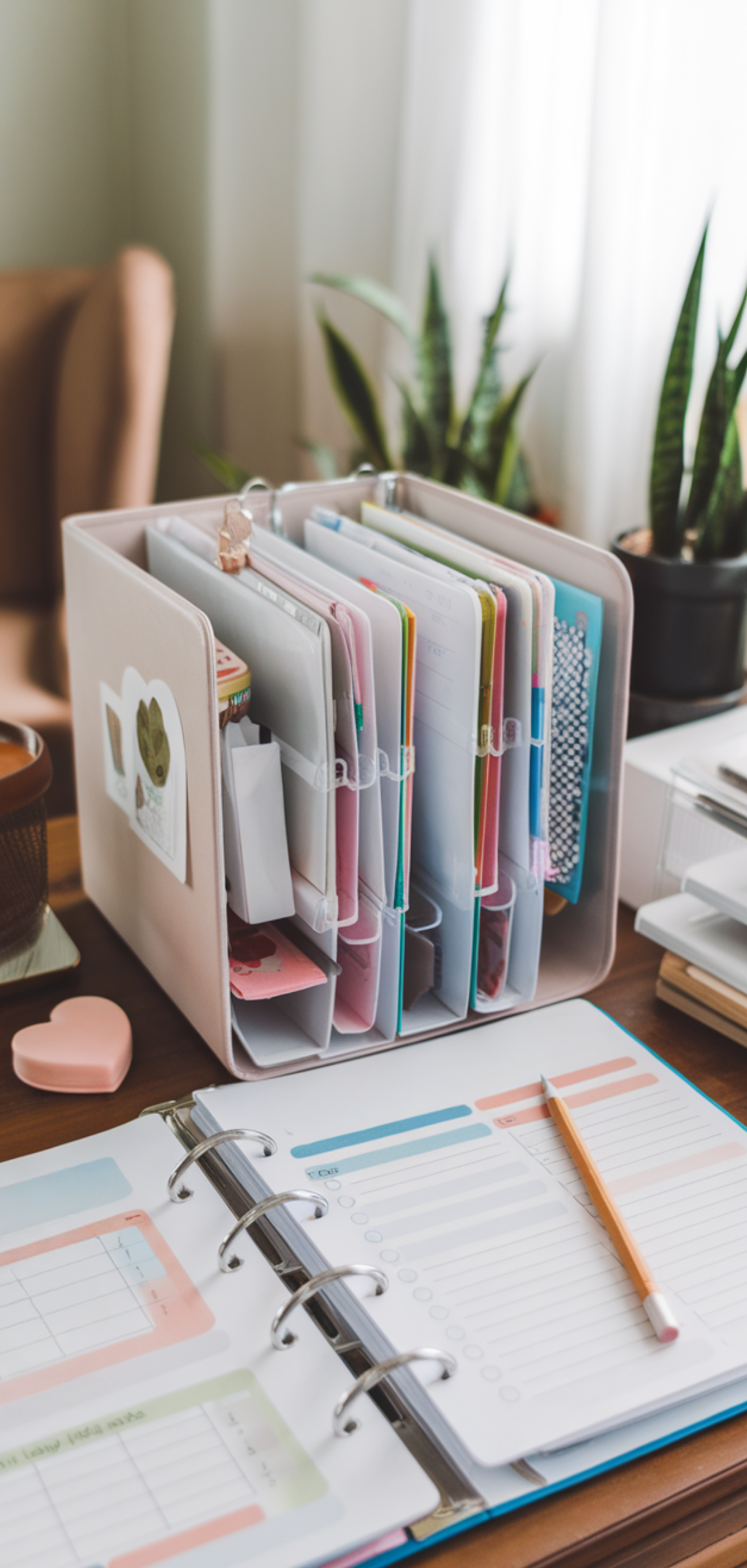
Keep attendance records, curriculum outlines, and progress trackers in a master homeschool binder. Add plastic sleeves for easy document storage.
Homeschool Organizing Tip: This all-in-one resource keeps you organized for daily lessons and state requirements.
Conclusion
A thoughtfully organized homeschool room blends function with inspiration. From labeled storage bins to reading nooks and command centers, each organizing idea supports smoother routines and less stress. By implementing these strategies, your homeschool environment becomes not just a place for academics but a space where creativity, focus, and growth thrive.