
Home Decor, Kitchen Ideas, Garden Tips & DIY Projects
9 Companion Planting Combinations for a Healthier Garden

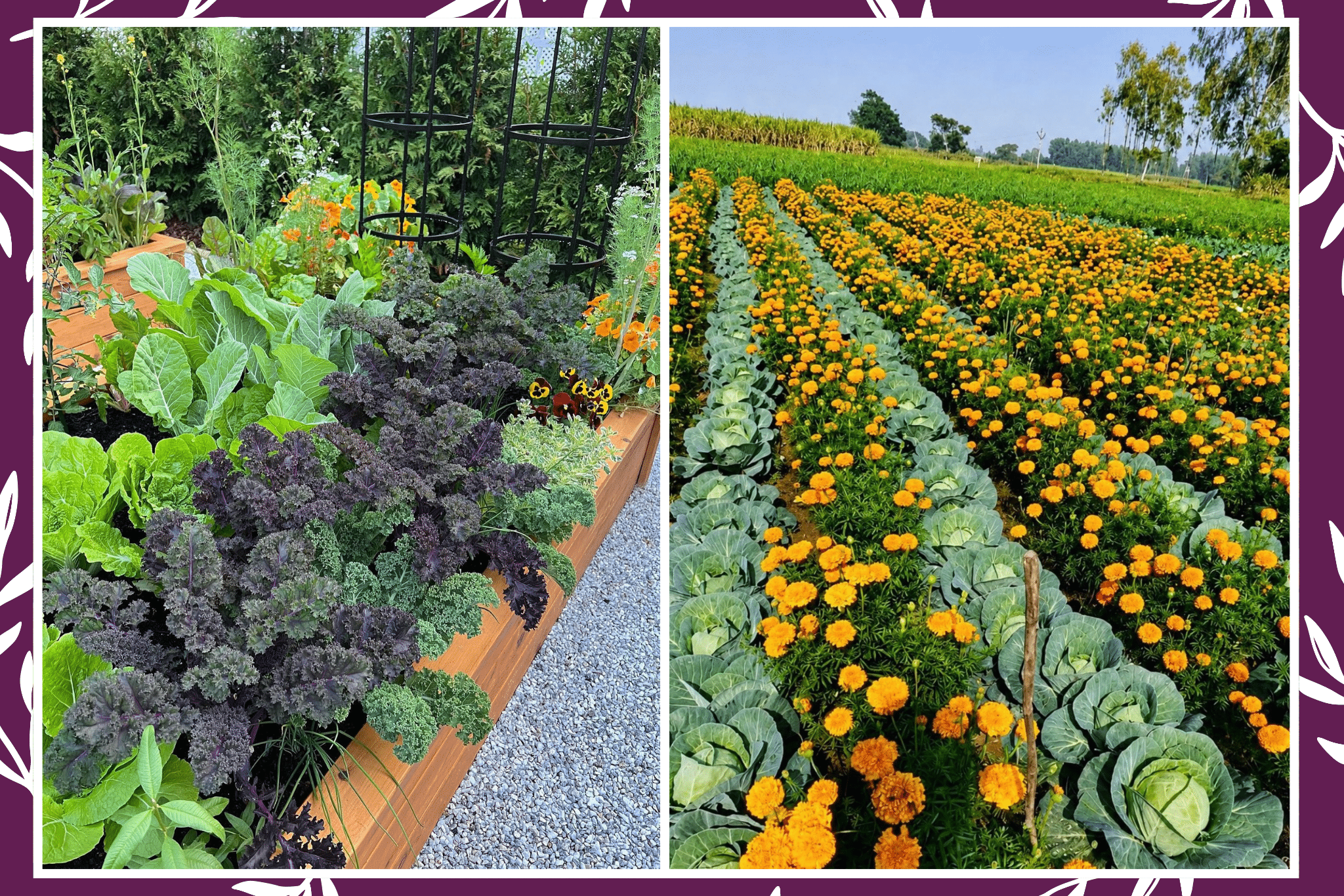
Photo Credits: All photos in this post are credited to their creators on Instagram. Want a photo removed or credited differently? Email [email protected]. See our Image Credits page for details.
I am sorting through seed packets at the garden table.
Trying to make room for vegetables and a few flowers before planting season gets busy.
Companion planting makes that planning feel more thoughtful because the right mix of plants can bring color and make better use of garden space.
Create a vegetable patch that feels full of life.
Harvest Basket With Mixed Vegetables and Herbs
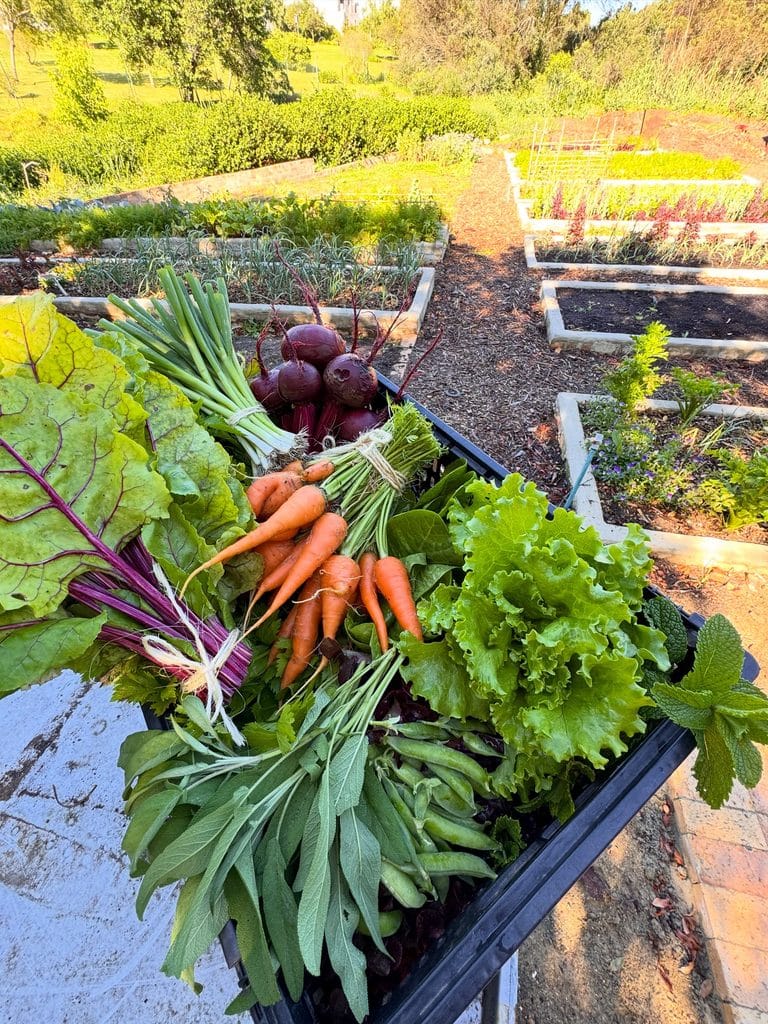
Image Credit: backyardboerdery
A mixed vegetable garden becomes especially useful when vegetables, leafy greens, and herbs have room to grow side by side. Pairing crops with different growth habits can help make better use of the soil and give the garden a steady mix of things to harvest.
Try combining carrots, beets, lettuce, and bunching onions in the same growing area. These crops offer different shapes and harvest times, so the bed can stay productive without every plant competing for exactly the same space.
Related Guide: Companion Planting Chart
Flowering Border With Herbs and Vegetables
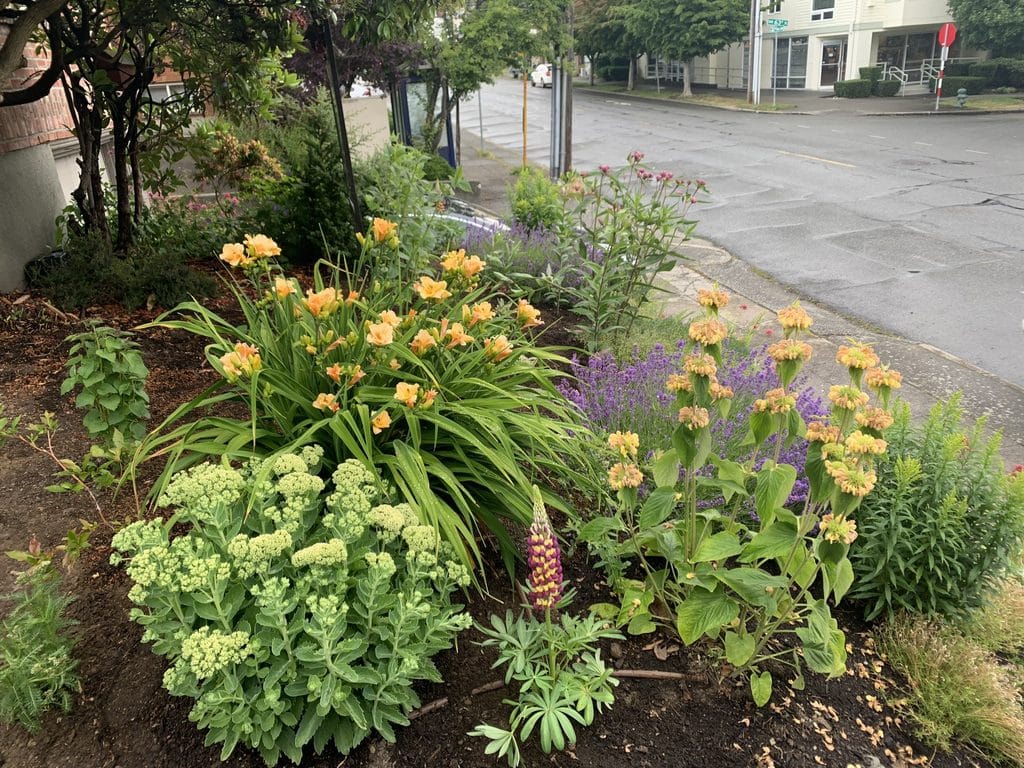
Image Credit: healthyhomesteaddesign
This kind of companion planting is especially useful near crops that depend on insect pollination, such as squash, cucumbers, and many fruiting vegetables. Flowers can help make the garden more inviting to pollinators, although they cannot guarantee a larger harvest.
Choose flowers that suit the local climate and the amount of sunlight the bed receives. Calendula and marigolds are popular choices for sunny areas, while lavender needs a well-drained spot and should not be kept in constantly wet soil.
Related Guide: Guild and Companion Planting Fact Sheet
Intensive Raised Bed Planting
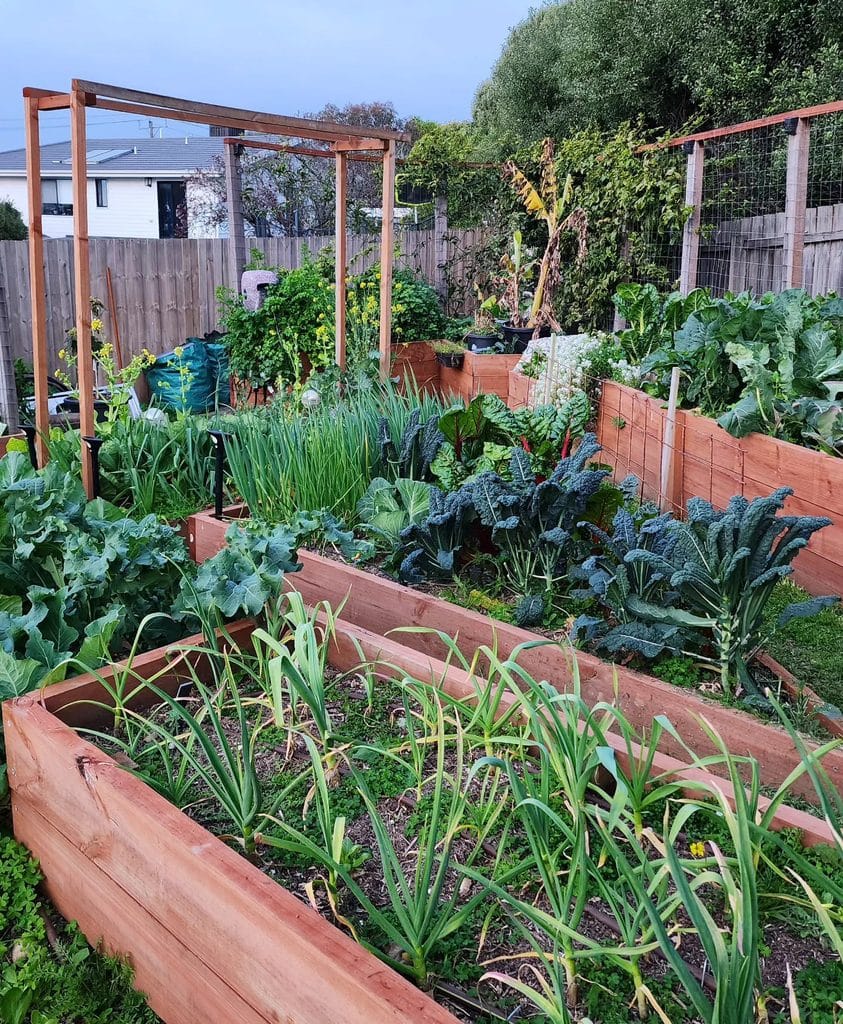
Image Credit: ashs.backyardgarden
An intensively planted bed can produce a generous harvest from a relatively small area. The idea is to plan the height, spacing, and growing speed of each crop so that plants can share the bed without becoming too crowded.
Start with taller crops toward the back or center, depending on the direction of the sunlight. Shorter leafy greens can grow along the edges, where they are easier to reach and less likely to be shaded by larger plants.
Related Guide: Planning Your Garden
Kale and Flowering Vegetable Bed
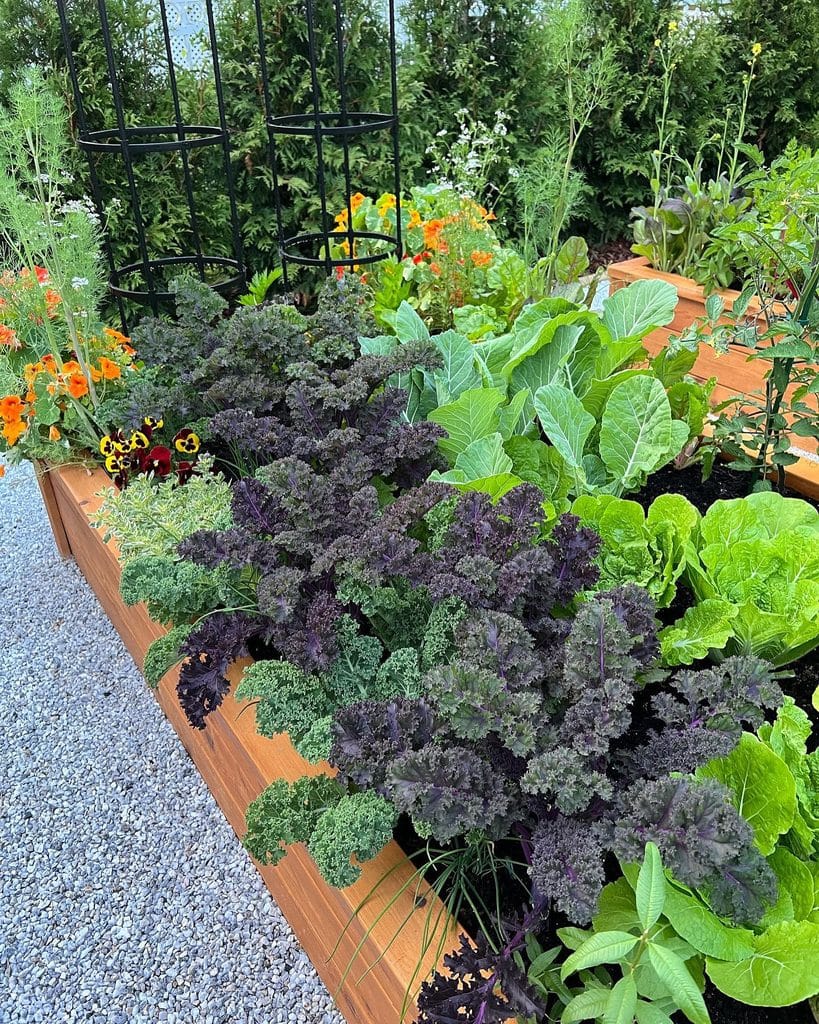
Image Credit: reshgala
Kale is a useful vegetable for a garden bed because it can provide repeated harvests as its outer leaves are picked. Pairing it with suitable flowers and leafy crops can make the space both productive and attractive.
Try growing kale with calendula or marigolds nearby. Flowering plants can bring pollinators and other insects into the garden, and they add a bright contrast to the leafy vegetables.
Related Guide: Companion Planting Chart
Vegetable Garden With Flowering Companions
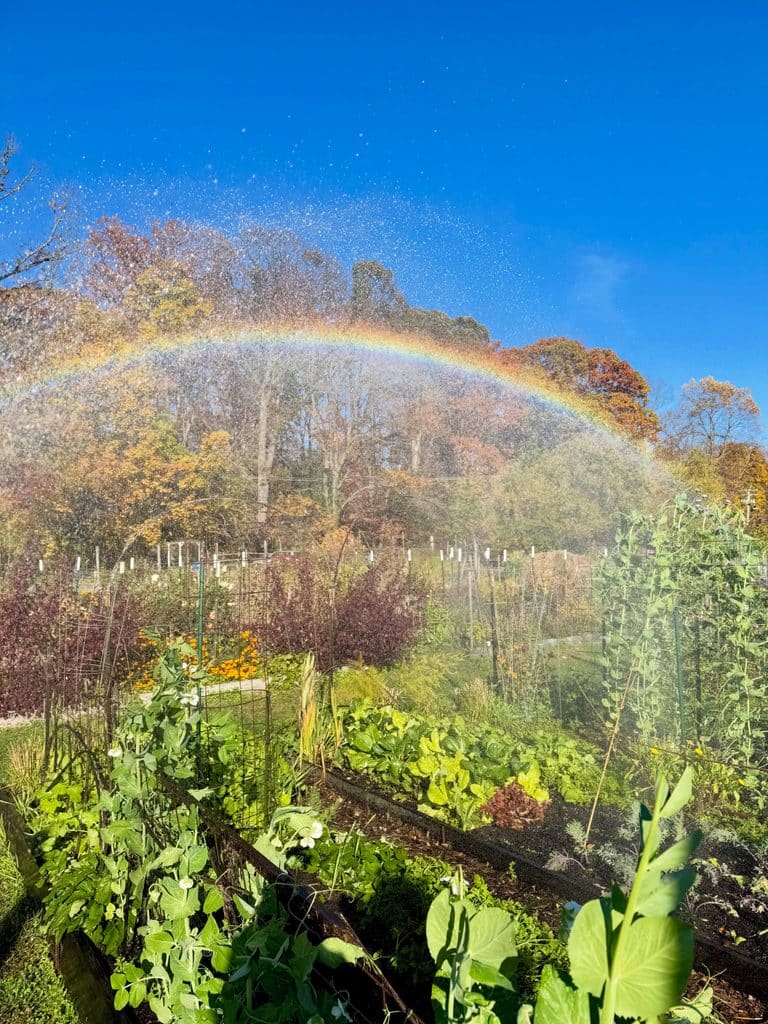
Image Credit: halfacregardens
Marigolds are a familiar choice for this kind of companion planting. They are often grown near vegetables such as tomatoes, squash, and cabbage family crops, but their effect on pests depends on the plant variety, pest, and growing conditions.
Try adding calendula or nasturtiums around the edges of suitable beds. These flowers can attract visiting insects and provide a softer border around rows of vegetables.
Related Guide: Guild and Companion Planting Fact Sheet
Lettuce and Green Onion Garden Bed
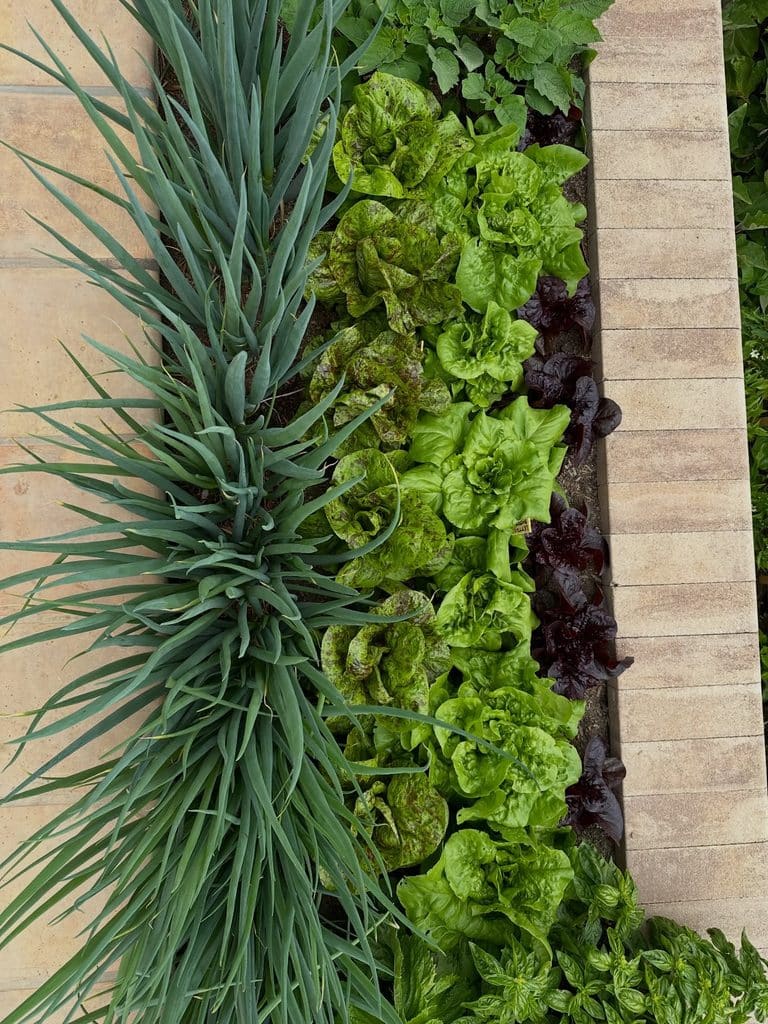
Image Credit: thebackyardfarmco
Lettuce and green onions can make a practical combination in a small vegetable bed. Both are useful kitchen crops, and planting them in organized rows makes it easier to water, weed, and harvest them.
One important detail is that companion planting charts do not always agree about every pairing. Some sources list onions as suitable companions for lettuce, while others recommend keeping alliums away from certain crops, so observe how the combination performs in your own garden.
Related Guide: Companion Planting in Gardening
Raised Garden With Herbs and Flowers
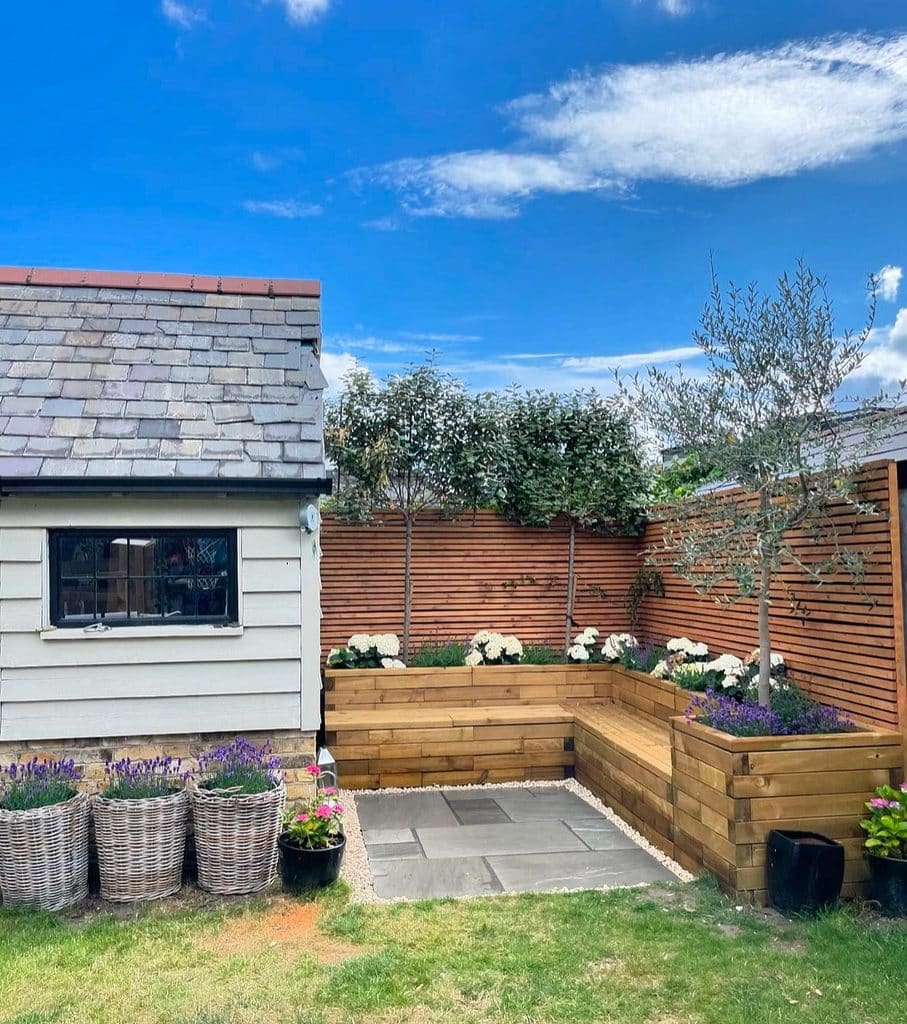
Image Credit: woodblocx
A raised garden can combine edible herbs, flowering plants, and vegetables in a layout that looks good while remaining practical. It is a lovely way to make a small patio or corner of the yard more useful.
Use separate sections for plants with different water needs. Rosemary and thyme prefer soil that drains well, while basil and leafy vegetables usually need more regular moisture.
Related Guide: Companion Planting Chart
Mixed Flower and Vegetable Raised Beds
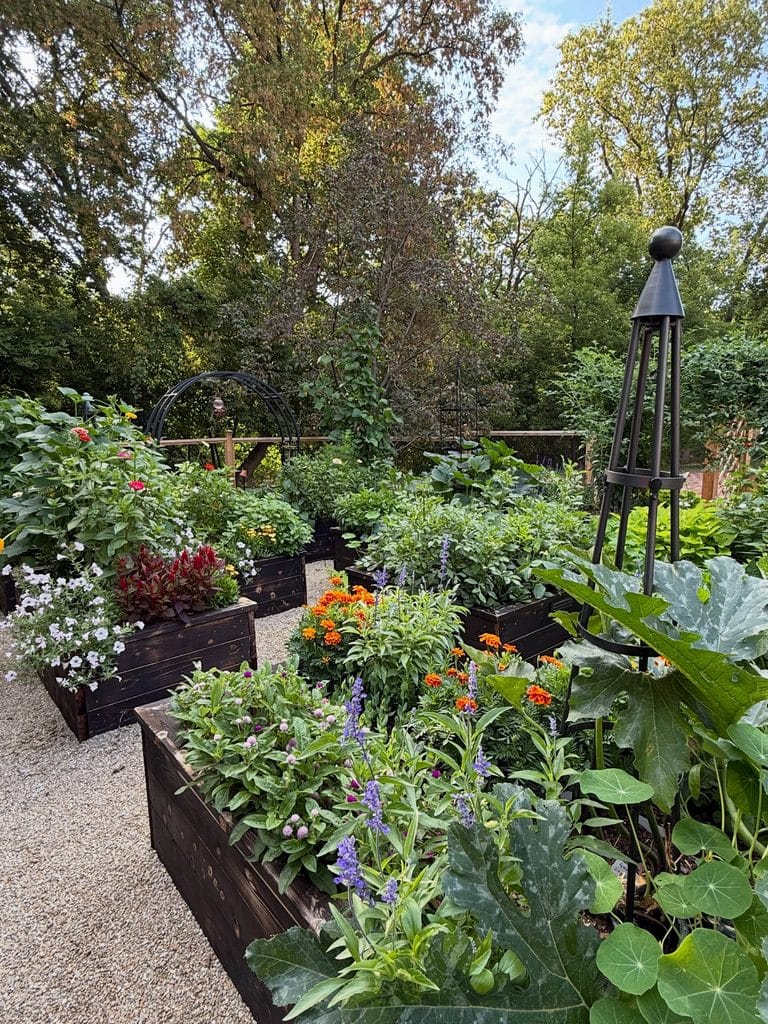
Image Credit: roots.n.reps
Mixing vegetables and flowers in raised beds gives a garden a relaxed, abundant feel while making space for different types of plants. It can also help attract pollinators and beneficial insects that visit the vegetable crops.
Try combining leafy greens with flowers such as nasturtiums and marigolds. These flowers are often used around vegetable beds, and nasturtiums can also be grown along the edges where their trailing stems have room to spread.
Related Guide: Companion Planting Chart
Marigolds and Cabbage Rows
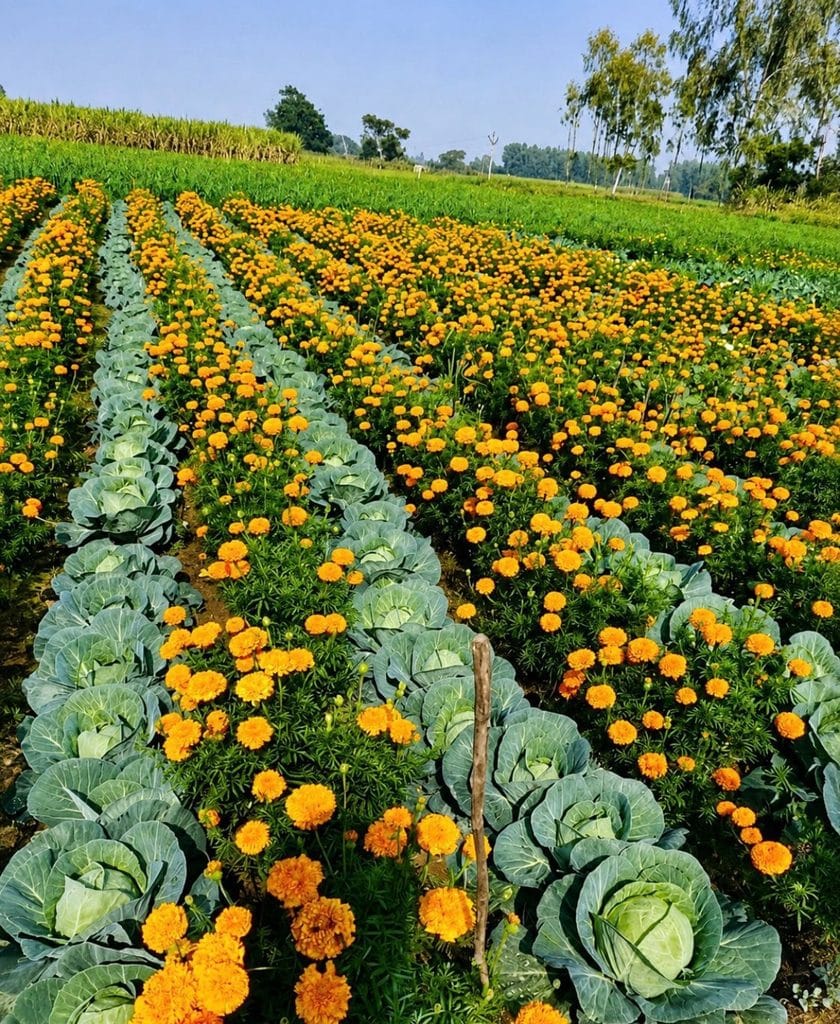
Image Credit: farmwithfred_
Cabbage and marigolds are a familiar combination in vegetable gardens. The bright flowers add color between rows of leafy crops, and marigolds are often included in garden plans that aim to manage certain soil pests and attract beneficial insects.
Plant the cabbage with enough room for each head to develop. Cabbage leaves can spread widely, so avoid placing marigolds so close that they become trapped beneath the larger plants.
Related Guide: Companion Planting in Gardening
How to Choose Plants That Grow Well Together
Here are a few combinations to consider when planning a vegetable patch:
- Carrots with lettuce.
- Cabbage with sage or rosemary.
- Tomatoes with basil or parsley.
- Squash with marigolds or nasturtiums.
- Beets with lettuce.
It is important to avoid placing plants together simply because they appear on a popular companion planting chart.
For example, tomatoes and potatoes can share some pests and diseases, so separating them is a sensible choice.
Simple Ways to Make a Companion Garden More Productive
Healthy soil is the starting point for a productive garden.
Think about the mature size of every crop before placing it in the bed.
Succession planting is another helpful way to keep a bed productive, like small amounts of lettuce, radishes, and other quick crops at intervals.
If one combination struggles, move the plants apart next time and try a different arrangement.
Because the best companion planting plan is one that works with the conditions in your own garden.
