
Home Decor, Kitchen Ideas, Garden Tips & DIY Projects
Free Planner Printables: Daily, Weekly, and Monthly Pages to Organize Your Life

Photo Credits: All photos in this post are credited to their creators on Instagram. Want a photo removed or credited differently? Email [email protected]. See our Image Credits page for details.
Keeping track of appointments and everyday tasks can become difficult when everything is scattered across notes, calendars, and phone reminders.
Free planner printables offer a simple way to bring those details together on paper, making it easier to see what needs attention and decide how to use your time.
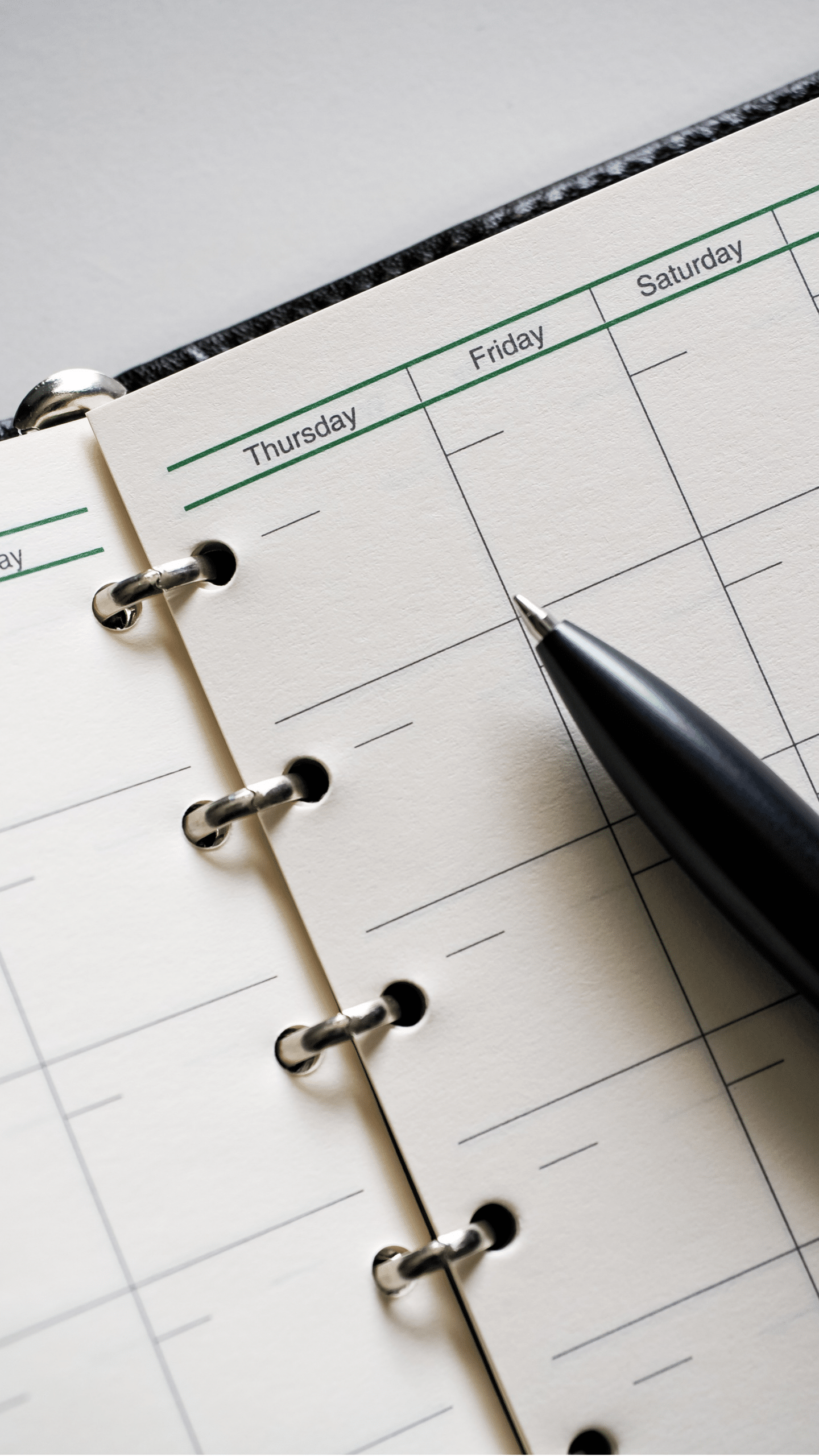
A printable planner is especially useful if you enjoy writing things down or want pages you can replace whenever your routine changes.
You can print only the layouts you need instead of committing to a full dated planner.
This guide explains how to build a practical everyday planning routine with daily, weekly, monthly, goal-setting, and habit-tracking pages.
What Are Free Planner Printables?
Free planner printables are digital planner pages designed to be downloaded, printed, and completed by hand.
They commonly come as PDF files and can include calendars, schedules, task lists, goal worksheets, trackers, and notes pages.
Unlike a bound planner, printable pages can be used independently.
How the Main Planner Pages Work Together
A useful everyday planner collection should help you move between three time frames: the month, the week, and the day. Goal-setting and habit tracking can support those views by connecting everyday actions to longer-term priorities.
Monthly Planner
The monthly planner gives you a broad overview of the month. It is useful for recording appointments, important dates, deadlines, celebrations, and events that may affect your schedule.
A practical monthly layout includes:
- An undated calendar grid with space to write dates.
- A monthly focus or priority section.
- Important appointments and deadlines.
- A short monthly task list.
- A notes area for reminders.
An undated calendar is especially flexible because you can start using it at any time. If you prefer Monday-start weeks, make sure the calendar layout matches that preference.
Weekly Planner
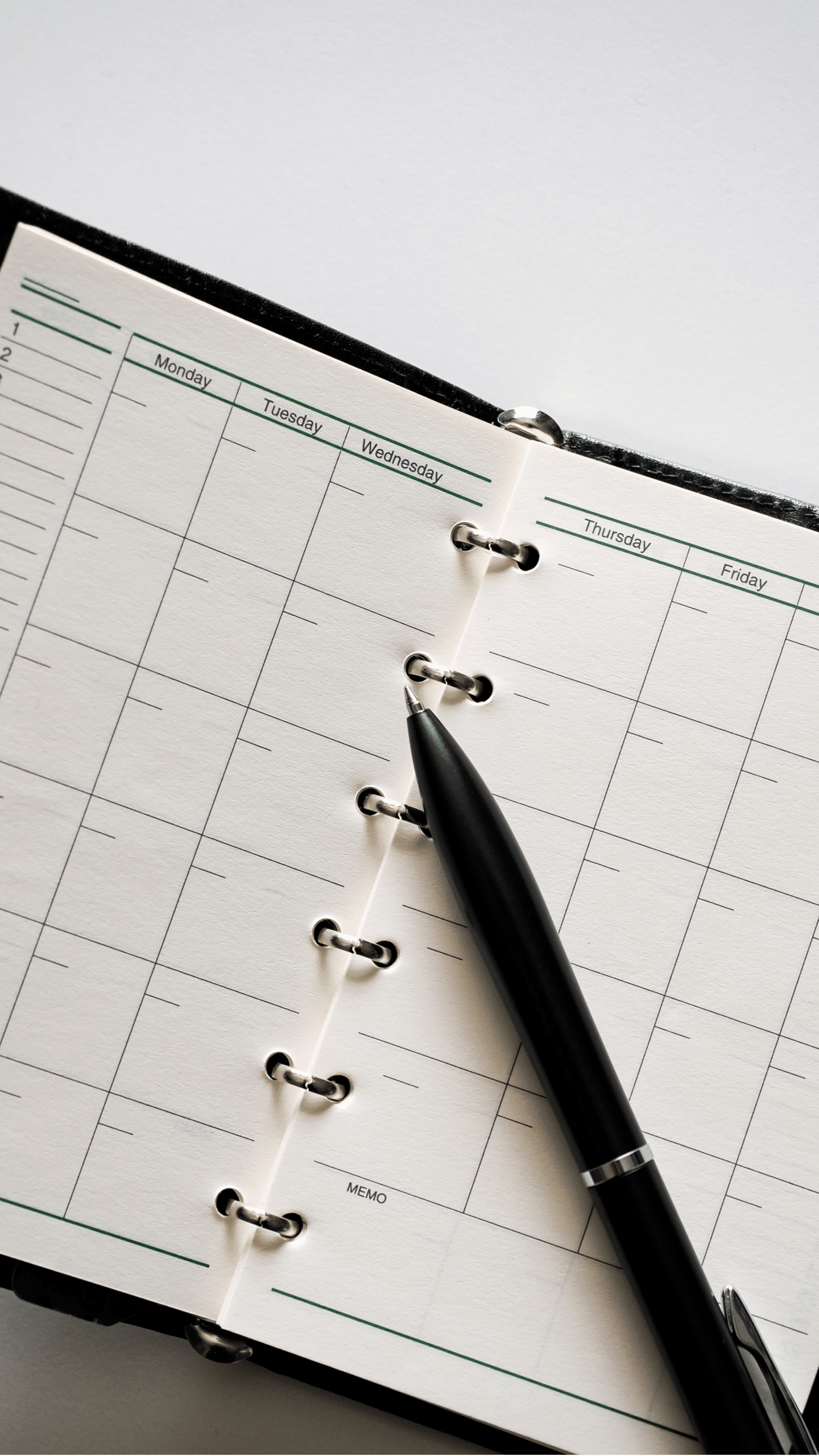
The weekly planner connects your monthly priorities to the tasks you need to complete. It lets you see the entire week without switching between several daily pages.
A helpful weekly layout includes one section for each day, a space for the week’s three main priorities, and a separate area for tasks that do not belong to a specific day.
At the beginning of the week, review your monthly calendar and transfer relevant appointments and deadlines. Then choose a realistic number of tasks for each day, leaving some open space for unexpected responsibilities.
Daily Planner
A daily planner helps you decide what deserves your attention today. It is useful when your schedule changes frequently or when you have several tasks competing for your time.
The page can include:
- Date and day of the week.
- Three main priorities.
- An hourly schedule or flexible time blocks.
- A to-do checklist.
- Appointments and reminders.
- Notes and an end-of-day reflection.
You do not have to schedule every minute. If you have a flexible day, use the schedule area for broad blocks such as morning, afternoon, and evening instead of filling it with unnecessary detail.
Goal-Setting Planner
A goal-setting page helps turn a broad intention into smaller actions. Instead of writing only “get organized” or “learn a new skill,” identify what you want to achieve and the steps that will move you toward it.
A practical goal worksheet should include:
- The goal you want to achieve.
- Why it matters.
- A target date.
- Smaller milestones.
- The next action you can take.
- Possible obstacles and ways to handle them.
- A progress review area.
For example, someone planning to organize a home office might divide the project into sorting paperwork, arranging supplies, setting up storage, and creating a weekly maintenance routine.
Monthly Habit Tracker
A habit tracker helps you record whether you completed a repeated action. It can be used for reading, exercise, studying, tidying, practicing a skill, or any other routine you want to monitor.
A simple monthly tracker uses a row for each habit and a box for each day of the month. You mark a box when the activity is completed, leaving it blank when it is not.
Use the tracker to notice patterns rather than judge yourself. If a habit is consistently difficult to complete, consider making it smaller or choosing a more realistic time for it.
How to Use Your Planner Throughout the Month
The pages become more useful when they work as one system instead of separate sheets.
1. Start with the monthly overview
At the beginning of the month, write down fixed commitments, deadlines, appointments, and important events. Choose one or two priorities that deserve extra attention during the coming weeks.
2. Prepare your weekly plan
Choose a regular time to plan the upcoming week. Sunday evening or Monday morning can work well, but the best time is whichever gives you a calm opportunity to review your responsibilities.
3. Use the daily page selectively
Print a daily page when you have a busy schedule, several appointments, or a project that needs focused attention. Start by choosing your three most important tasks, then add appointments and smaller to-dos.
4. Review goals and habits regularly
Use the goal page when you begin a new project or want to make progress on something that takes several weeks. Check your habit tracker at the end of the week to see which routines are becoming consistent and which need adjustment.
How to Choose the Right Printable Planner Layout
The best layout depends on how much information you need to manage.
| Your planning need | Useful page |
|---|---|
| Appointments and important dates | Monthly planner |
| Tasks across seven days | Weekly planner |
| A busy schedule and daily priorities | Daily planner |
| A larger project or personal milestone | Goal-setting planner |
| Repeated routines | Habit tracker |
If you are new to paper planning, begin with a weekly planner and a monthly calendar. Add a daily page only when you need more space for a particular day.
You can explore examples of customizable layouts in Canva’s weekly planner templates and Canva’s daily planner templates.
Printing Your Planner at Home
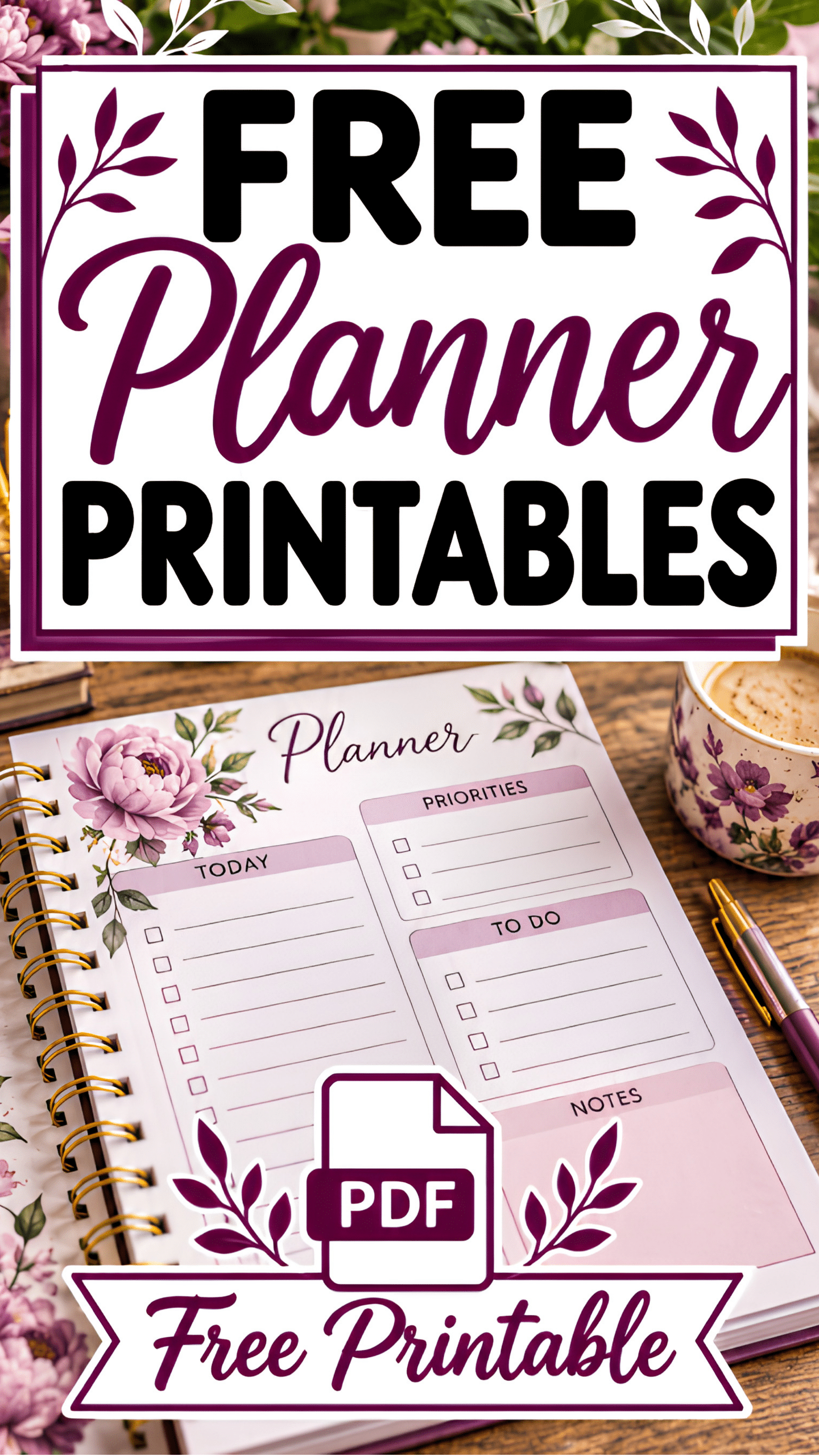
A planner should be easy to print and comfortable to write on. For a standard home printer, US Letter paper measuring 8.5 × 11 inches is a practical choice. A4 paper is another common option, especially for readers using printers configured for that size.
Common Planner Mistakes to Avoid
A planner should make everyday organization easier, not become another responsibility.
- Trying to use every page every day
- Writing down too many priorities
- Scheduling without leaving space
- Making the design too decorative
- Not reviewing the plan
