
Home Decor, Kitchen Ideas, Garden Tips & DIY Projects
Free Vintage Junk Journal Printables

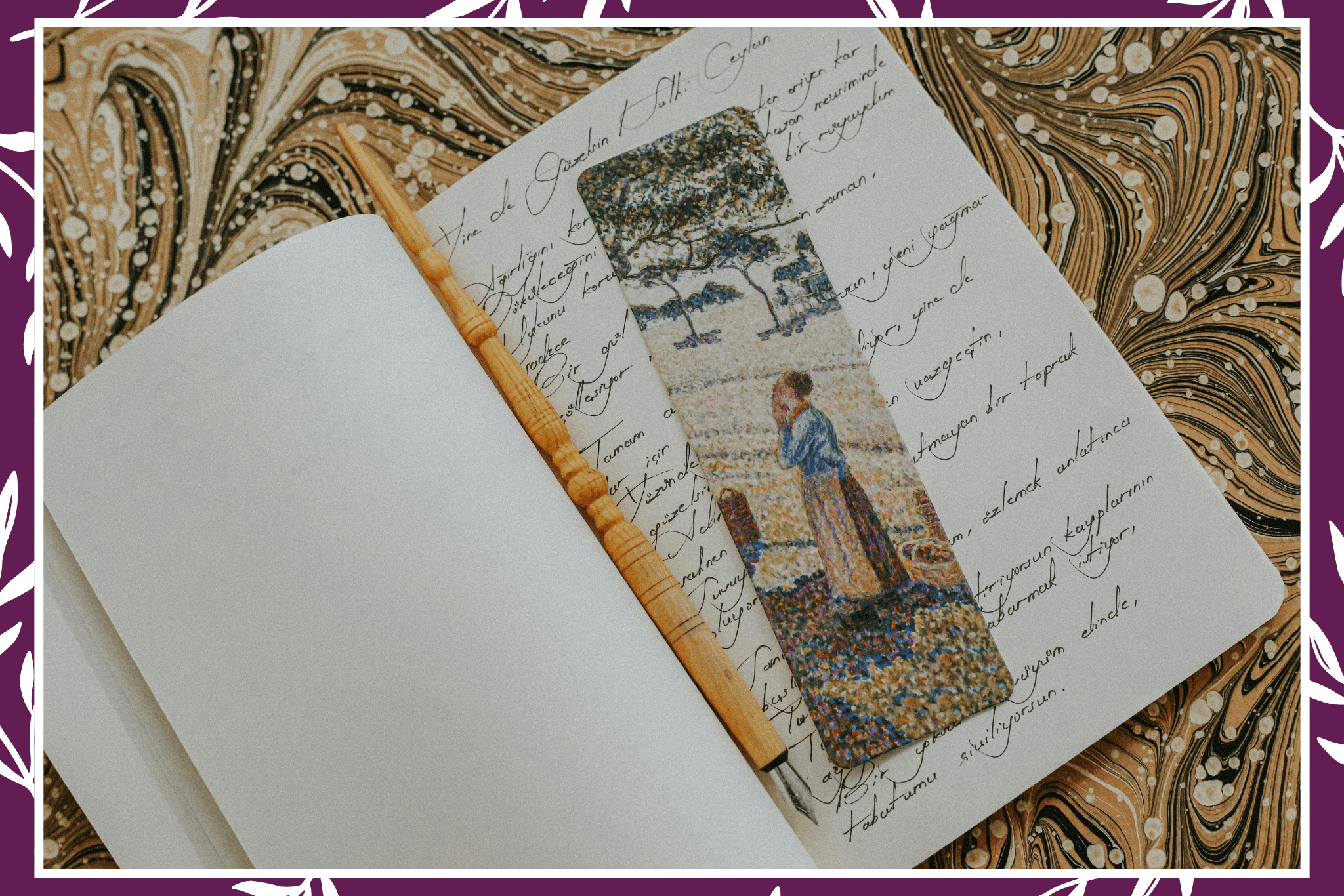
Photo Credits: All photos in this post are credited to their creators on Instagram. Want a photo removed or credited differently? Email [email protected]. See our Image Credits page for details.
A junk journal is a creative way to combine paper and little decorative details into one personal handmade book.
Vintage-style journals are especially appealing because they bring together the look of antique letter and delicate paper textures.
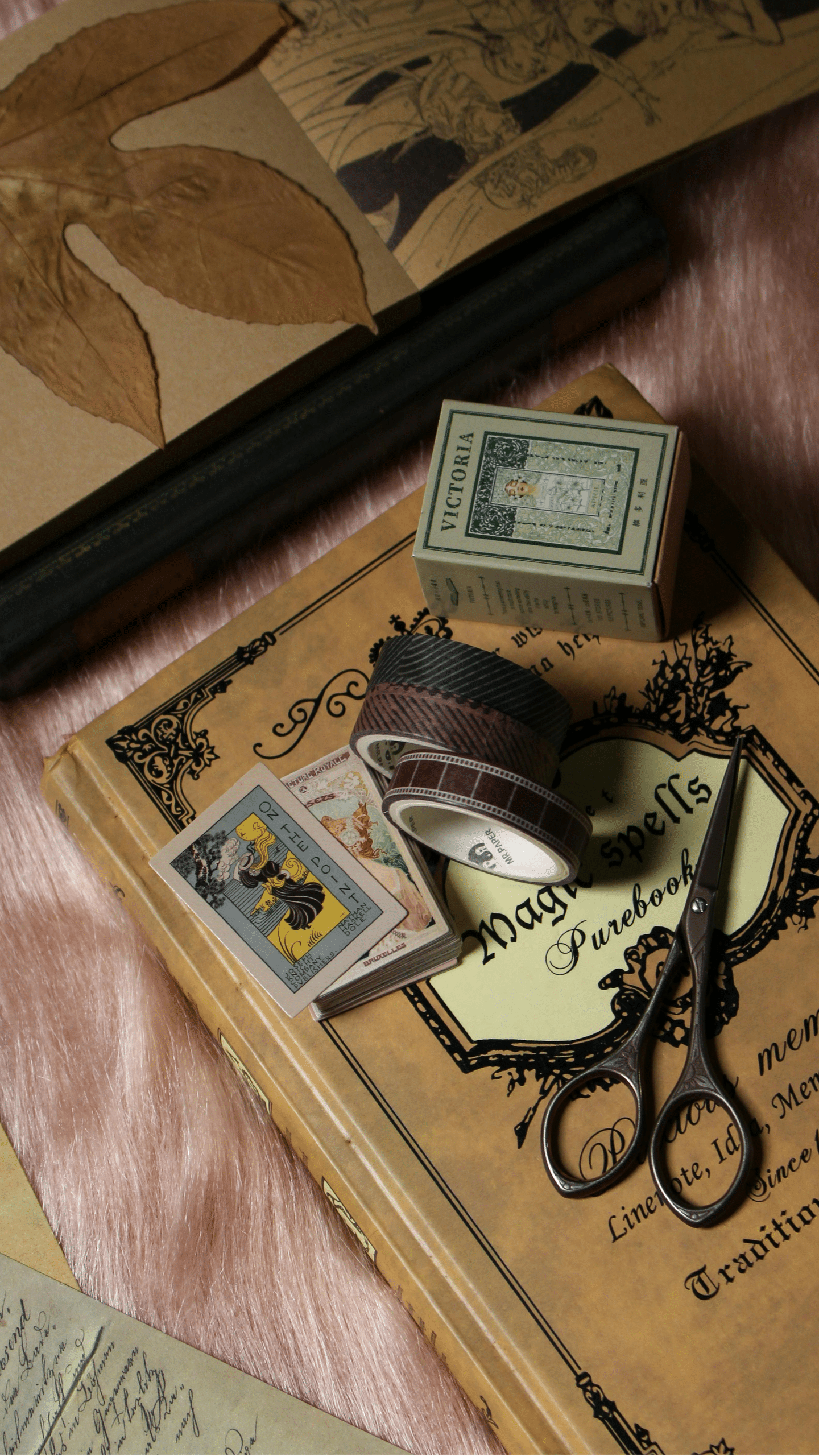
You do not need to collect expensive antique documents or spend a lot of money on craft supplies to create this style.
This guide focuses on creating a cohesive vintage-inspired paper collection for junk journaling.
What Is a Vintage Junk Journal?
A vintage junk journal is a handmade journal decorated with paper elements inspired by historical documents unlike a traditional notebook, its pages do not need to look identical.
The finished journal can be used for memory keeping, creative writing, travel memories, scrapbooking, collecting inspiration, or simply enjoying paper crafts.
For a beginner-friendly explanation of the hobby and its terminology, see Ephemera and Junk’s introduction to junk journaling.
Choosing the Right Vintage Aesthetic
The vintage style is not limited to one color or historical period. However, choosing a consistent palette helps your pages look coordinated.
For this collection, a classic antique-paper aesthetic works particularly well.
Warm aged paper
Choose backgrounds in parchment, cream, antique ivory, faded beige, and soft brown. Subtle paper grain, faint discoloration, and gentle edge aging create the impression of an old document.
Botanical illustrations
Flowers, ferns, leaves, butterflies, and other natural-history subjects complement vintage paper beautifully.
Antique typography
Traditional serif fonts work well for headings, labels, and decorative captions. Small handwritten-style details can add character, but the main text should remain readable.
How to Use Vintage Junk Journal Pages
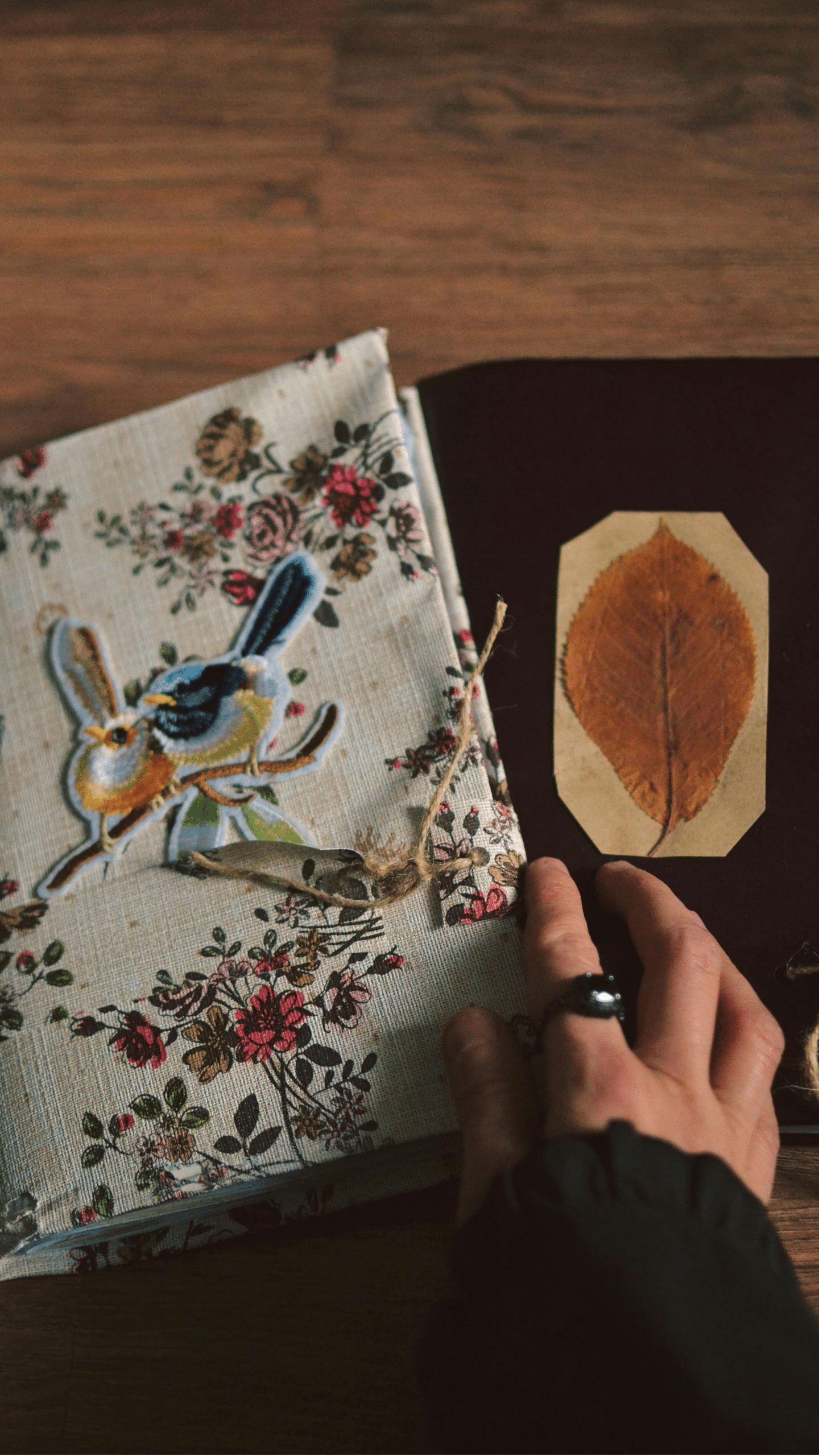
A good vintage junk journal combines decorative papers with elements that serve a practical purpose. You do not need to glue every printable directly onto a page.
Background papers
Background pages form the visual foundation of your journal. They can be used as full-page designs, folded into signatures, or cut into smaller pieces for layering.
Decorative botanical prints
Botanical artwork can be printed as a complete page, trimmed into a smaller illustration, or used as a focal point in a collage.
Vintage ephemera
Ephemera refers to small paper items such as tickets, labels, tags, postcards, and stamps. These pieces are often used to add layers and visual interest.
For inspiration on the different types of pieces used in printable collections, see Mary’s Printables’ vintage junk journal printable examples.
Writing pages and journal cards
Decorative pages are beautiful, but a journal should also have space for personal content.
Mix blank cards with lightly decorated ones. This keeps the journal visually interesting without making every writing area difficult to use.
Pockets and tuck spots
Pockets make a journal interactive. They allow you to store removable notes, tags, photographs, and small paper keepsakes.
Printing Vintage Junk Journal Printables at Home
The right paper makes a noticeable difference to the finished project. You do not need professional printing equipment, but it helps to choose paper according to the purpose of each design.
Where to Find Vintage Images and Inspiration
Historical collections can provide useful visual inspiration, especially for botanical subjects, old documents, and archival illustrations.
The Smithsonian Open Access collection offers digital collection items designated CC0, which can be reused under that designation.
The Smithsonian Libraries and Archives digital collections also provide access to digitized books, manuscripts, ephemera, and seed catalogs.
Common Mistakes to Avoid
Creating a vintage journal should be enjoyable, but a few simple mistakes can make the finished pages harder to use.
- Using too many decorative elements
- Choosing backgrounds that are too dark
- Printing everything on the same paper
- Cutting before checking the size
- Ignoring usage rights
- Gluing pockets incorrectly
