Home Decor, Kitchen Ideas, Garden Tips & DIY Projects
Free Vintage Printable Art Sources

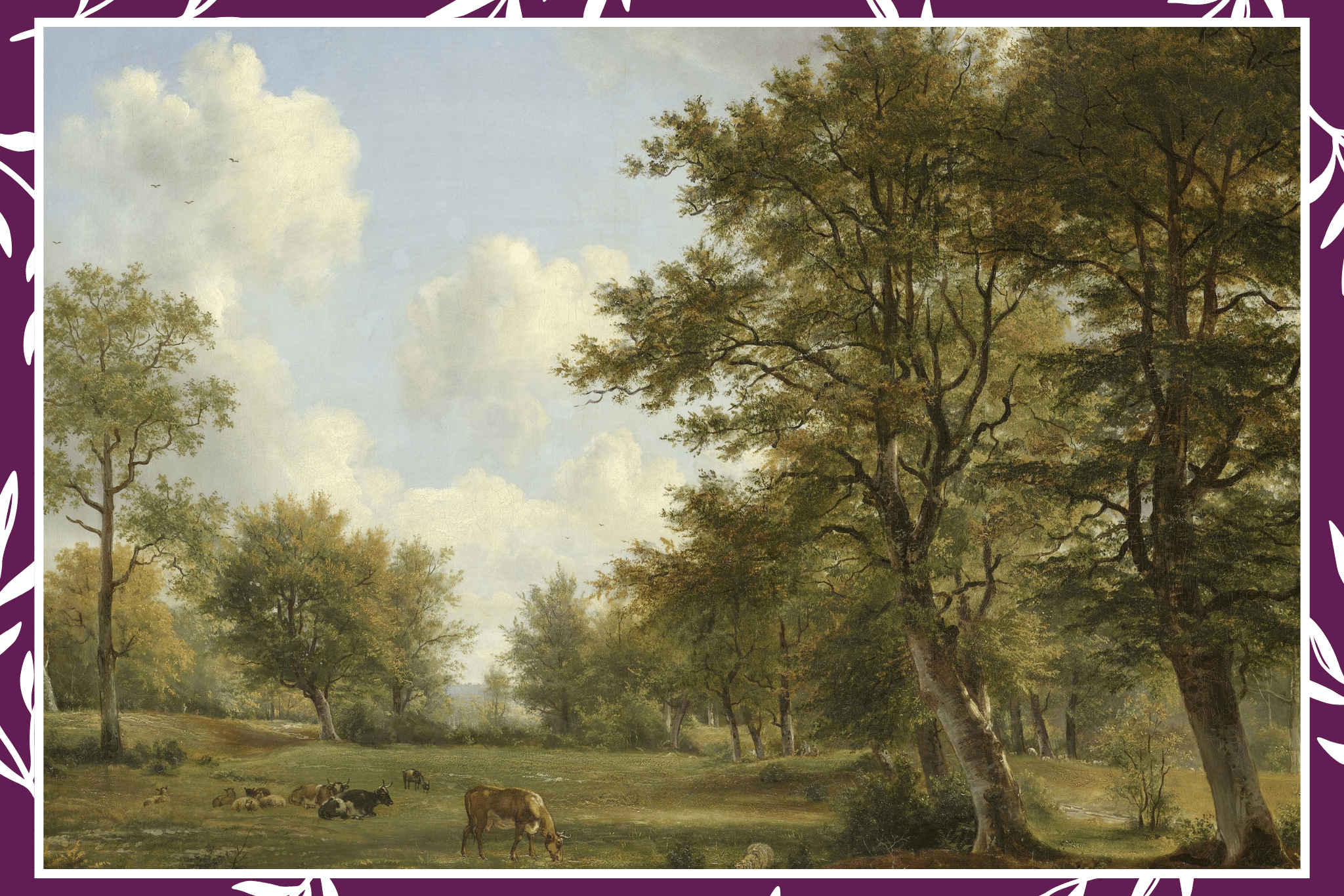
Photo Credits: All photos in this post are credited to their creators on Instagram. Want a photo removed or credited differently? Email [email protected]. See our Image Credits page for details.
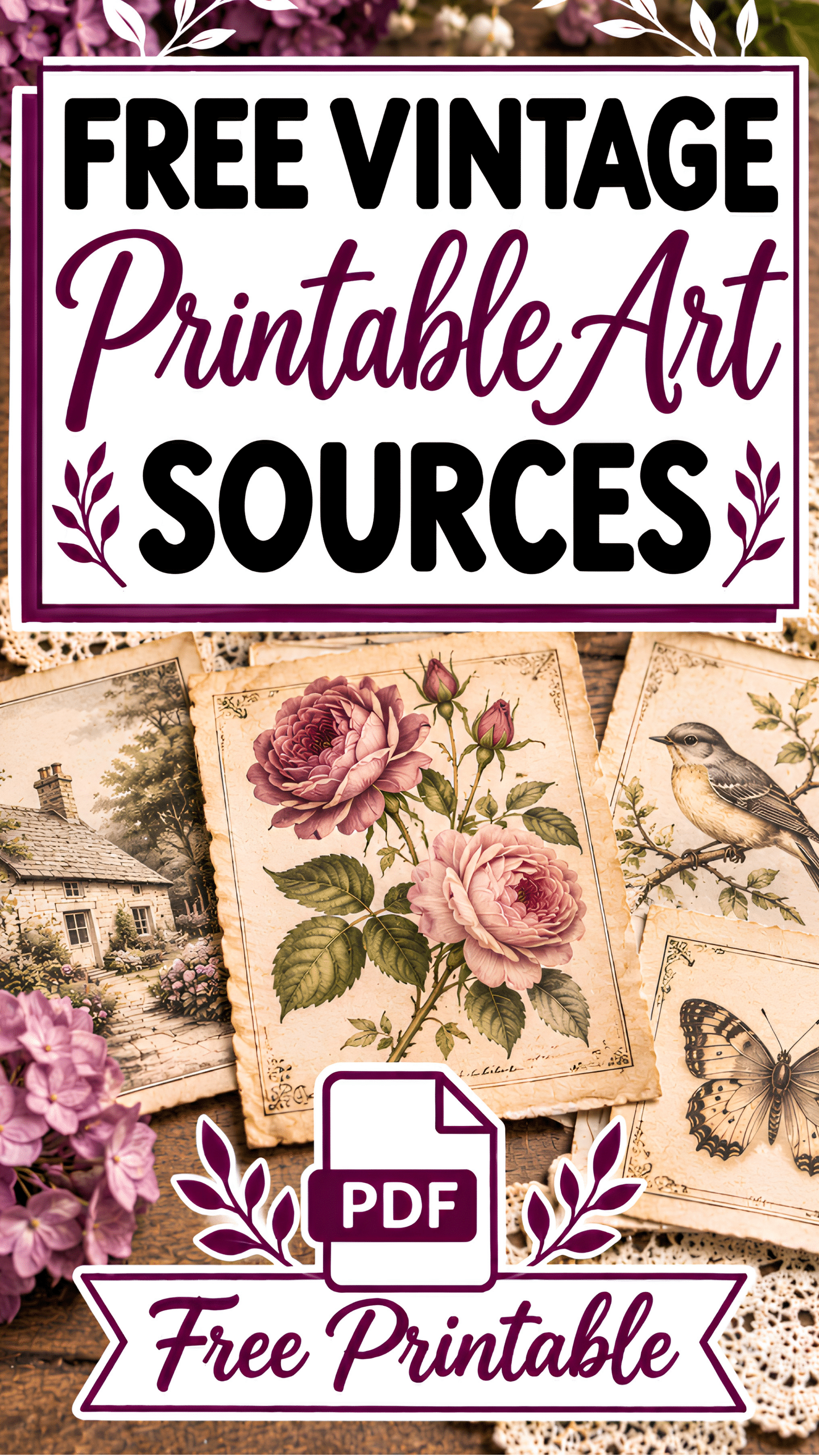
A vintage printable is a simple way to bring the charm of historical artwork into your home, craft projects, or creative collections.
Antique botanical illustrations, old travel posters, historical maps, floral studies, and traditional paintings can all make beautiful printed artwork without requiring you to purchase an original antique piece.
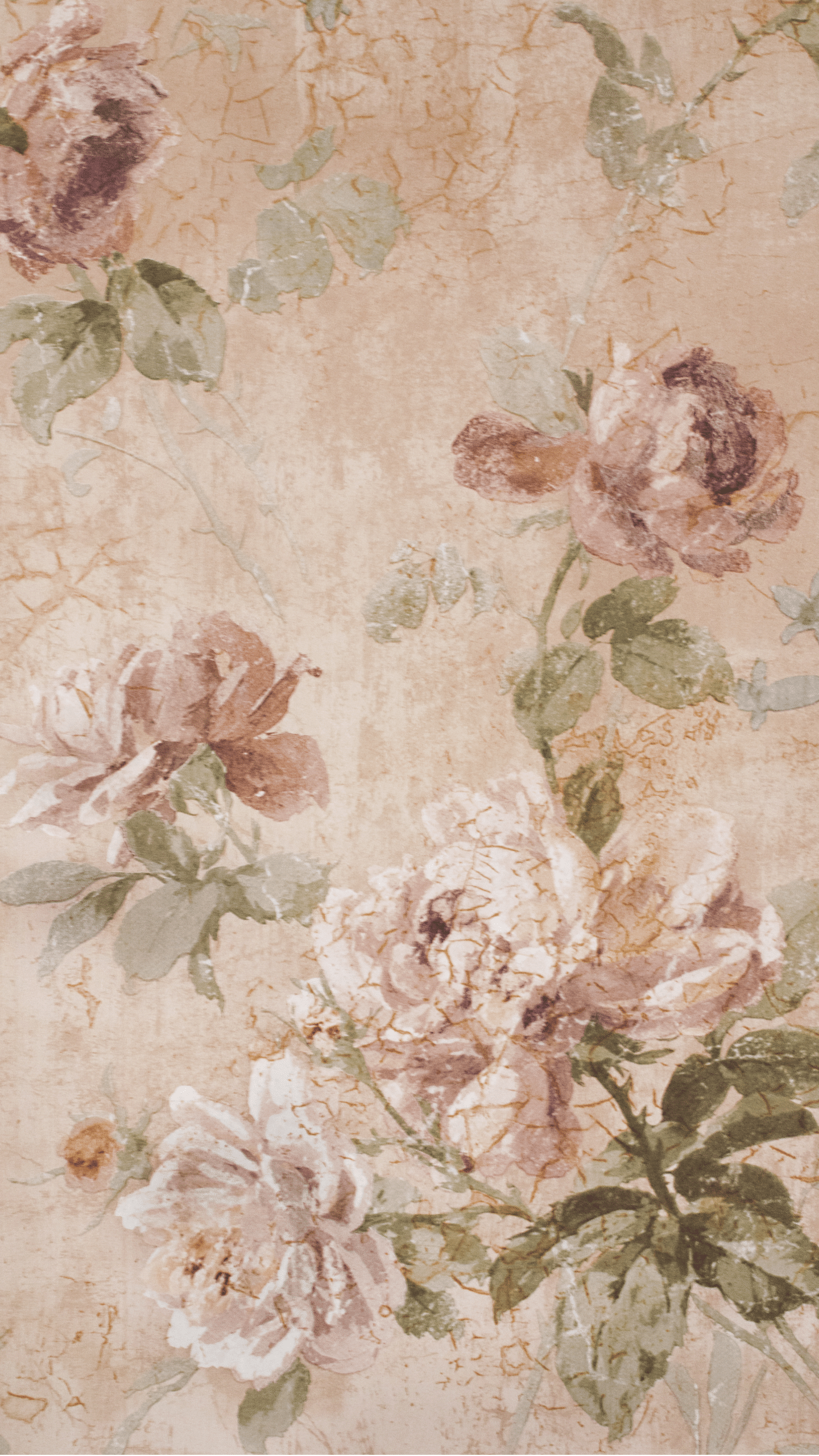
The challenge is knowing where to find high-quality images that are actually available for reuse.
Many museums, libraries, and digital archives provide access to historical collections, but their copyright and download conditions can differ.
This guide explores trustworthy places to find vintage artwork, explains how to check image permissions, and shows you how to prepare your favorite discoveries for printing.
What Is Vintage Printable Art?
Vintage printable art refers to digital images inspired by, or reproduced from, historical artwork and printed materials. It can include original antique illustrations, historical paintings, botanical plates, old advertisements, decorative maps, and vintage photography.
Common subjects include:
- Botanical flower and plant illustrations.
- Birds, insects, and natural-history studies.
- Antique maps and architectural drawings.
- Vintage travel and advertising posters.
- Classical paintings and historical portraits.
- Fruit, vegetable, and garden illustrations.
- Old book illustrations and decorative engravings.
These subjects work particularly well as wall prints, framed artwork, greeting cards, journal decorations, and other paper crafts.
Where to Find Free Vintage Printable Art
The most useful sources are often digital collections maintained by museums, national libraries, and research institutions.
However, always check the rights statement attached to the specific image you choose.
Library of Congress
Library of Congress Free to Use and Reuse is a useful starting point for historical photographs, posters, maps, illustrations, and printed materials.
Smithsonian Open Access
Smithsonian Open Access provides access to millions of digital items from Smithsonian museums, libraries, archives, and research centers.
New York Public Library Digital Collections
New York Public Library Digital Collections contains digitized books, maps, manuscripts, photographs, illustrations, and other historical materials.
Biodiversity Heritage Library
Biodiversity Heritage Library is especially valuable for historical botanical and natural-history artwork.
Rijksmuseum Collection Online
Rijksmuseum Collection Online offers high-resolution images of many historical artworks and objects.
How to Check Copyright and Usage Rights
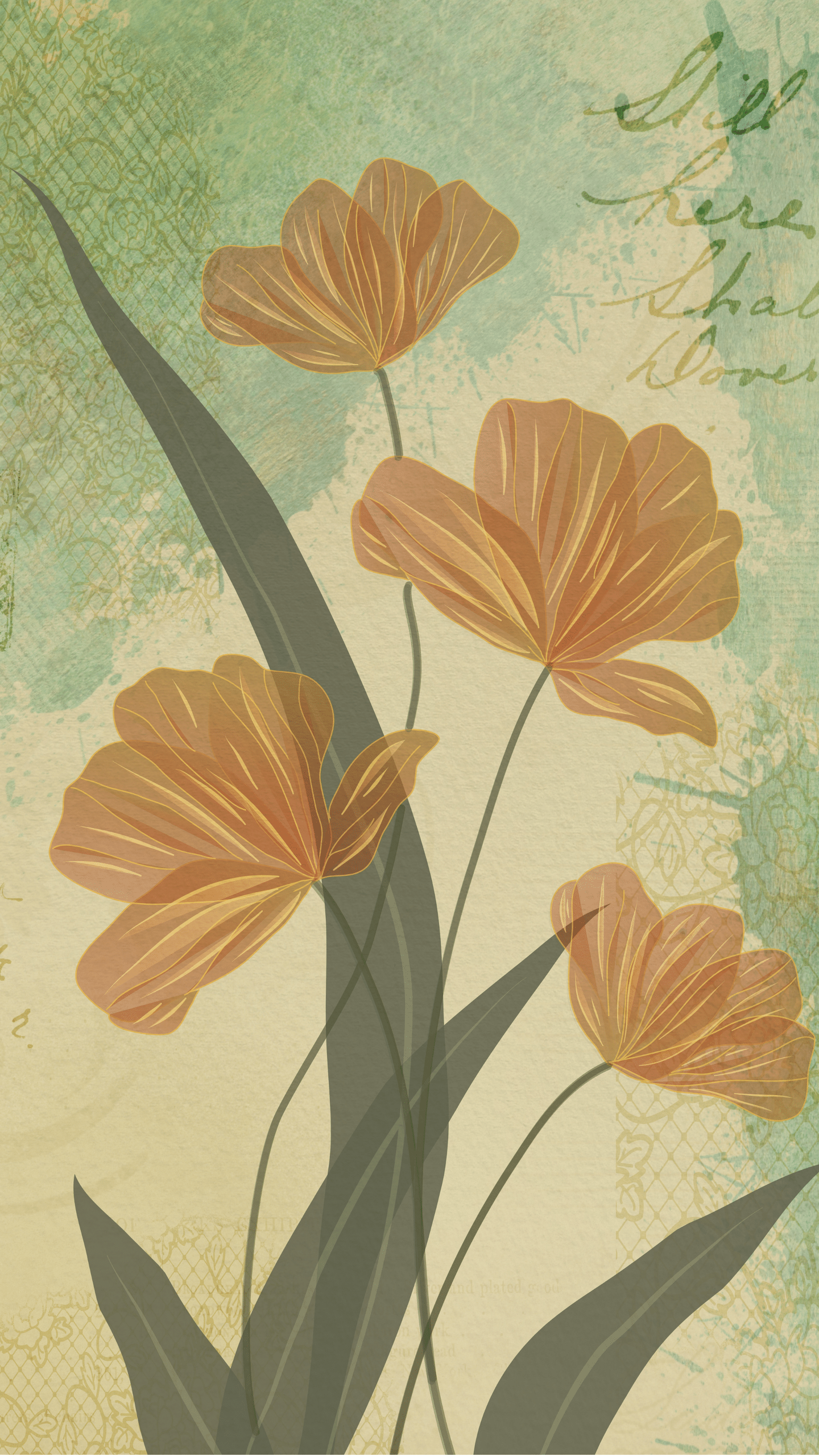
This is one of the most important steps when collecting vintage images.
The words free, downloadable, and public domain do not always mean the same thing. An institution may allow free personal downloads while restricting commercial reproduction.
Before using an image, check:
- Copyright status: Is it marked public domain, CC0, or under another license?
- Commercial permission: Can you use it in products you sell, or only for personal projects?
- Attribution: Does the license require the artist, institution, or collection to be credited?
- Modification: Can you crop, recolor, edit, or combine the image with other elements?
- Third-party rights: Are there restrictions involving trademarks, privacy, publicity, or other rights?
The Smithsonian’s CC0 policy and Rijksmuseum’s Open Access information are useful examples of clearly described reuse conditions. BHL and NYPL also provide rights information that should be checked at the individual item level.
Copyright rules can differ between countries. An image described as having no known US copyright restrictions should not automatically be assumed to have identical status everywhere. The Library of Congress explains some of the factors involved in determining whether an item is available for reuse. Library of Congress+2
If you plan to sell printable artwork or use it in commercial products, choose images with explicit permissions that cover your intended use.
How to Print Vintage Artwork at Home
Once you have selected an image and checked its permissions, prepare it for printing.
Choose the correct paper size
US Letter paper measures 8.5 × 11 inches. A4 measures 210 × 297 mm.
Both sizes work well for home-printable artwork. Choose the size supported by your printer and make sure the image fits without being stretched.
Select suitable paper
The paper finish changes the appearance of vintage artwork.
- Matte presentation paper: A good choice for botanical illustrations, antique paintings, and wall art because it reduces glare.
- Regular printer paper: Suitable for test prints and lightweight creative projects.
- Textured fine-art paper: Can give suitable images a more traditional printed-art appearance.
- Cardstock: Useful for smaller decorative prints, cards, and craft projects.
Adjust the print settings
Before printing, check:
- Paper size and orientation.
- Image resolution.
- Print quality.
- Color settings.
- Scaling and margins.
Choose high quality for detailed illustrations. If the image already matches the paper dimensions, use 100% or actual size. If it needs to be resized, check the preview to ensure the subject is not cropped.
Test the colors first
Vintage images often contain subtle cream, beige, brown, and faded green tones. A printer may reproduce these differently from the colors displayed on your screen.
Print a test copy before using expensive paper. If the image looks too dark, check whether the original file is already heavily aged or whether the printer is applying additional color adjustments.
Common Mistakes to Avoid
- Downloading low-resolution previews
- Assuming every old image is public domain
- Stretching images to fit
- Printing without testing
- Mixing unrelated styles
- Ignoring attribution requirements
