
Join Our Newsletter for Cozy Home Inspiration, Family Fun, and Delicious Recipes Every Week

Habit Tracker Bullet Journal Ideas That Actually Stuck On My Nightstand

Disclaimer. Some images featured in this post may originate from third-party sources and are used for illustrative purposes only. Please review our Image Credits Policy for attribution information.
I opened a brand new bullet journal on a Sunday night with big plans and a fresh set of markers. By Wednesday the page already looked abandoned. Half the boxes were empty and I felt oddly guilty about a notebook.
I had tried habit trackers before and always gave up within two weeks. The grids felt too rigid, the categories too ambitious, and somehow every layout I copied online belonged to someone with a much calmer life than mine.
I almost put the whole notebook in a drawer for good. Then I started paying closer attention to the pages other women were actually sharing, not the perfect ones, the ones with smudges and crossed-out days.
That is when I noticed something. The bullet journal spreads that lasted a whole month were never the fanciest ones. They were the simple, forgiving layouts that let a person miss a day without the whole page falling apart.
I started collecting screenshots of trackers that felt doable instead of impressive. Some were colorful, some were plain lines and dots, but every single one looked like something a real person could keep up with on a tired Tuesday.
I tried a handful of these layouts over a few months. Some fit my life immediately, and some I adjusted until they finally worked for the way my days actually go.
What surprised me most was how much the layout itself mattered. A bullet journal page with too many categories set me up to fail before I even started. A simpler grid, even a slightly messy one, kept me coming back night after night.
I started saving every idea that made me want to open my notebook again, the kind of pages I would genuinely send to a friend who was starting her own habit tracking journey. Every idea below came from that list. These are the layouts that finally made tracking feel less like a chore and more like a few quiet minutes to myself.
What We're Exploring
- 01 A Color Coded Grid Turns Tracking Into A Quick Daily Habit
- 02 A Master List Of Habit Ideas Solves The Blank Page Problem
- 03 A Mood And Sleep Line Graph Adds Emotional Context To Habit Data
- 04 A Compact Weekly Grid Fits Neatly Inside A Ring Bound Planner
- 05 Soft Pastel Grids Make Tracking Feel Calm Instead Of Demanding
- 06 A Simple Habit List Works When You Have No Time To Decorate
- 07 A Yearly Overview Grid Reveals Patterns A Monthly Page Cannot
- 08 A Monthly Calendar With A Small Illustration Adds Warmth To Tracking
- 09 Layered Checkbox Grids Track Both Daily And Monthly Goals Together
- 10 A Botanical Themed Spread Turns Tracking Into A Creative Outlet
- 11 Individually Framed Habit Cards Feel Like A Pinboard On The Page
- 12 A Radial Habit Wheel Makes Progress Feel Like A Visual Reward
- 13 Why Habit Tracking Sticks When The Page Matches Your Real Life
- 14 What You Need Box
A Color Coded Grid Turns Tracking Into A Quick Daily Habit
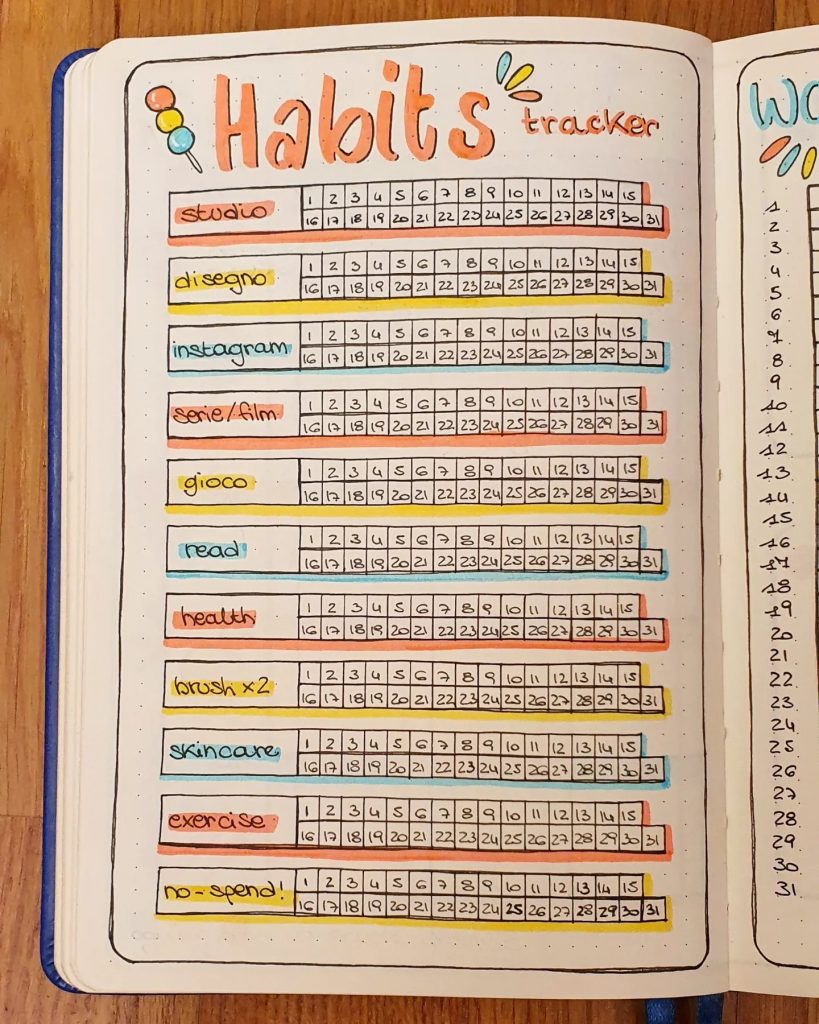
Assigning each habit its own color and lining the rows up across a full month is one of the most satisfying ways to build a bullet journal tracker that actually gets used. The visual rhythm of filling in a box each night makes the habit itself feel almost secondary to the process. That small ritual is often what keeps people coming back.
Splitting the month into two rows of fifteen or sixteen days instead of one long line, a formatting trick often shared in planning communities on The Spruce, keeps the grid from stretching off the page. It also makes the tracker feel more manageable in smaller notebooks.
Budget Note: A set of dual tip markers for color coding runs about $12 to $20, and a dot grid notebook typically costs $10 to $18 at Amazon or Target.
A Master List Of Habit Ideas Solves The Blank Page Problem
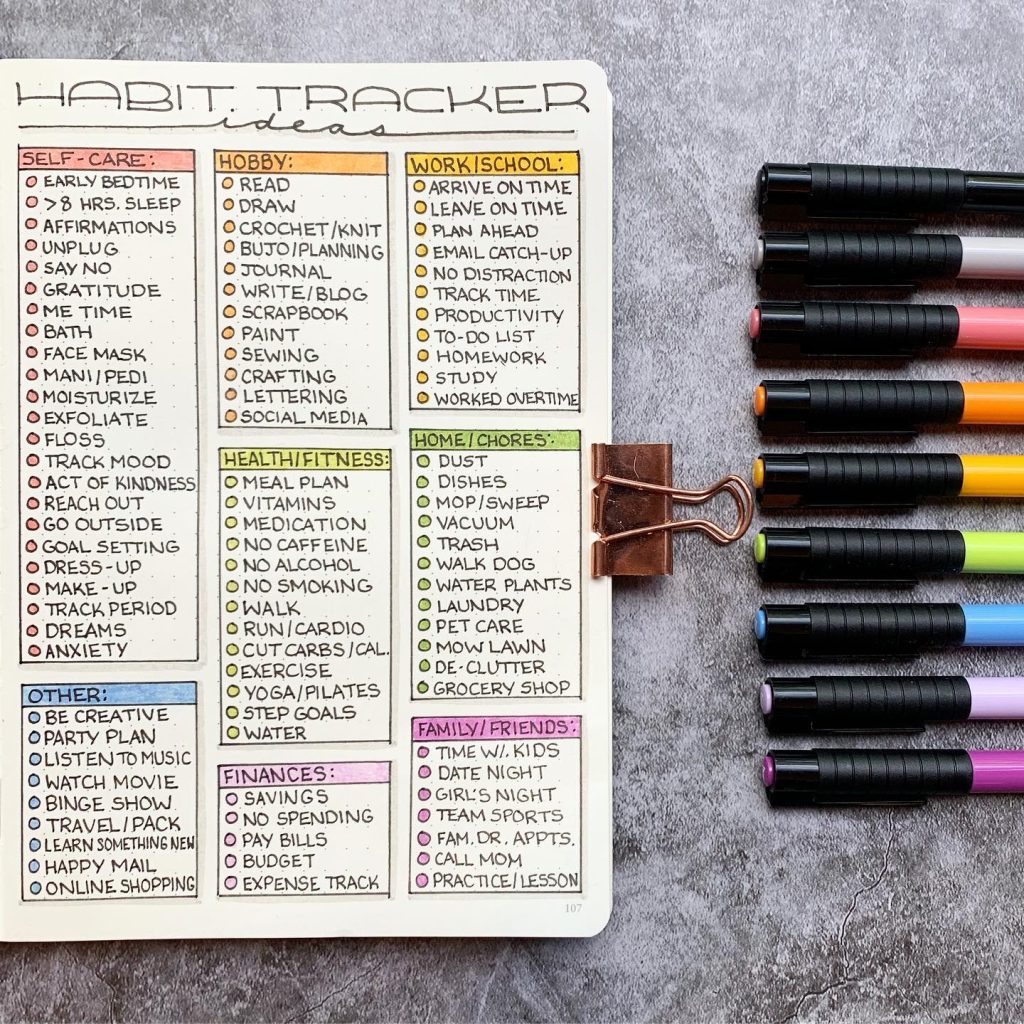
Keeping one reference page filled with categorized habit ideas, things like self care, hobbies, home chores, and finances, takes away the pressure of starting from scratch every month. Instead of staring at a blank bullet journal spread wondering what to track, you simply pull from a list you already trust. That small shift removes a surprising amount of friction.
Grouping ideas by theme rather than listing them randomly, a structure often recommended in productivity roundups on Real Simple, makes the reference page far easier to scan later. It turns one page into a resource you return to again and again.
Budget Note: A simple two-page reference spread costs nothing beyond your existing notebook, though a set of fine tip pens for organizing categories runs about $8 to $15 at Amazon or Michaels.
A Mood And Sleep Line Graph Adds Emotional Context To Habit Data
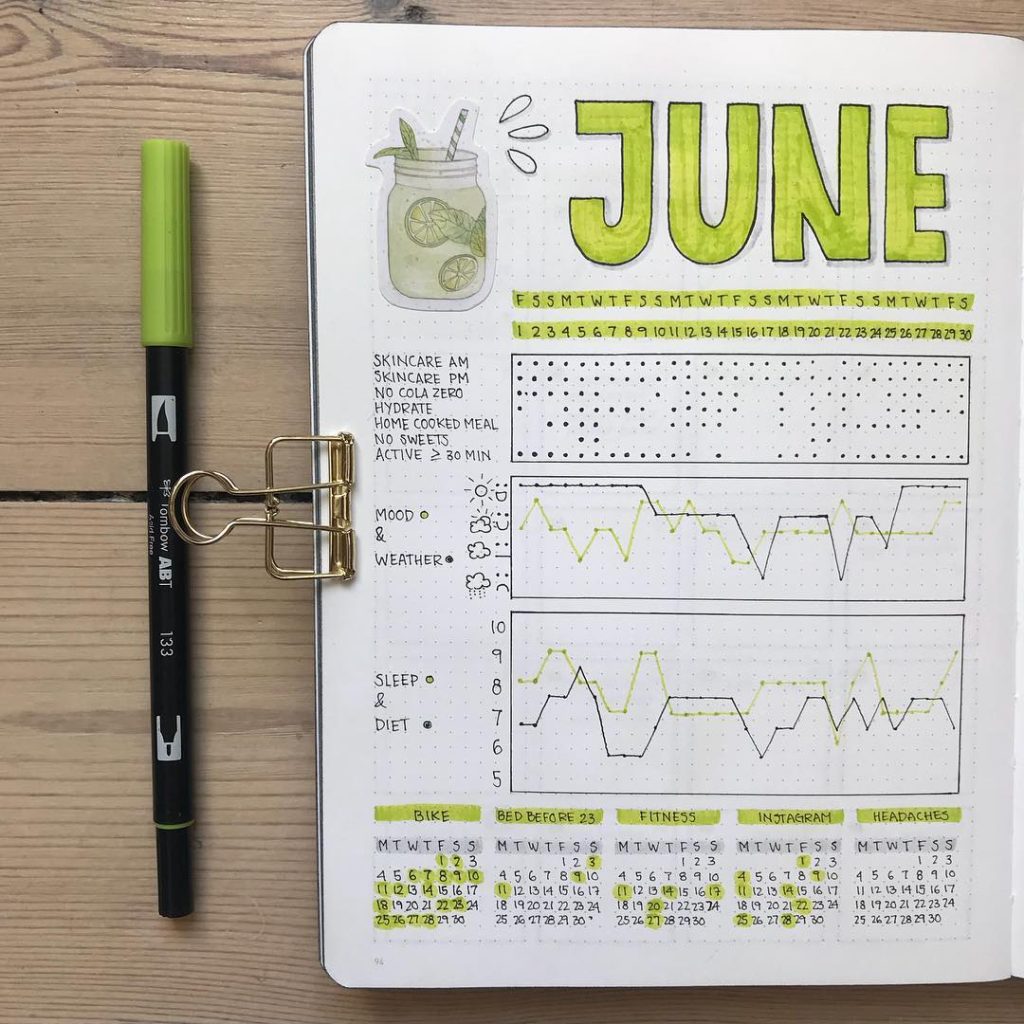
Pairing a simple line graph for mood and sleep alongside your regular habit boxes gives a bullet journal page something most trackers miss entirely: the why behind the numbers. Watching a mood line dip on the same days sleep drops low tells a much fuller story than checkboxes alone ever could. That connection is genuinely useful for understanding your own patterns.
Placing the mood and sleep graphs directly above your smaller habit trackers, a layout style frequently used in wellness journaling covered by Good Housekeeping, keeps everything on one page instead of scattered throughout the notebook. That single view makes patterns much easier to notice.
Budget Note: A pack of fine liner pens in two colors for the graph lines costs about $6 to $12 and works with any standard dot grid notebook you already own.
A Compact Weekly Grid Fits Neatly Inside A Ring Bound Planner
Building a smaller weekly checklist instead of a full monthly grid is one of the most practical ways to keep a bullet journal tracker realistic inside a compact planner. Checking off each habit day by day in a tight, tidy grid feels far less overwhelming than committing to thirty-one boxes at once. It also makes it easy to review a week at a glance before moving on.
Using simple checkmarks and dashes instead of full color fills, a minimal approach often seen in planner communities on Apartment Therapy, keeps the page quick to update even on a packed morning. Speed matters more than decoration when you are tracking on the go.
Budget Note: A six-ring planner insert refill pack typically costs $8 to $16, and a basic ballpoint or gel pen for quick checkmarks runs about $3 to $6 at Target or Amazon.
Soft Pastel Grids Make Tracking Feel Calm Instead Of Demanding
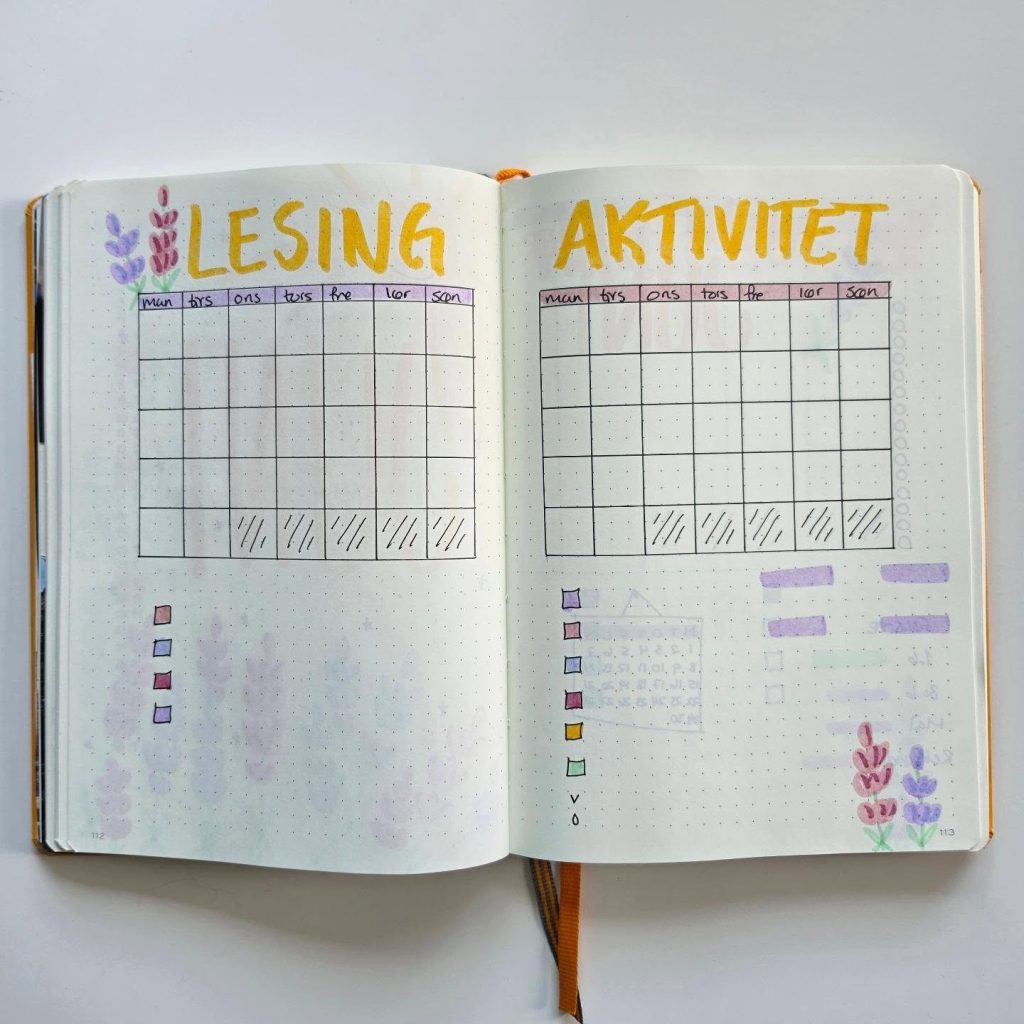
Filling a simple grid with soft pastel colors and just a handful of tracked habits keeps a bullet journal page from feeling like another demand on your time. Two focused trackers, like reading and activity, are far easier to maintain than a page crowded with a dozen categories. That restraint is often what makes the habit actually stick.
Choosing a muted color palette, a styling choice frequently seen in calming planner spreads on BHG.com, keeps the page easy on the eyes during a quick nightly check-in. Soft colors also photograph beautifully if you like sharing your pages.
Budget Note: A set of pastel brush pens costs about $10 to $18, and a dot grid journal with slightly heavier paper runs $12 to $20 at Amazon or a local bookstore.
A Simple Habit List Works When You Have No Time To Decorate
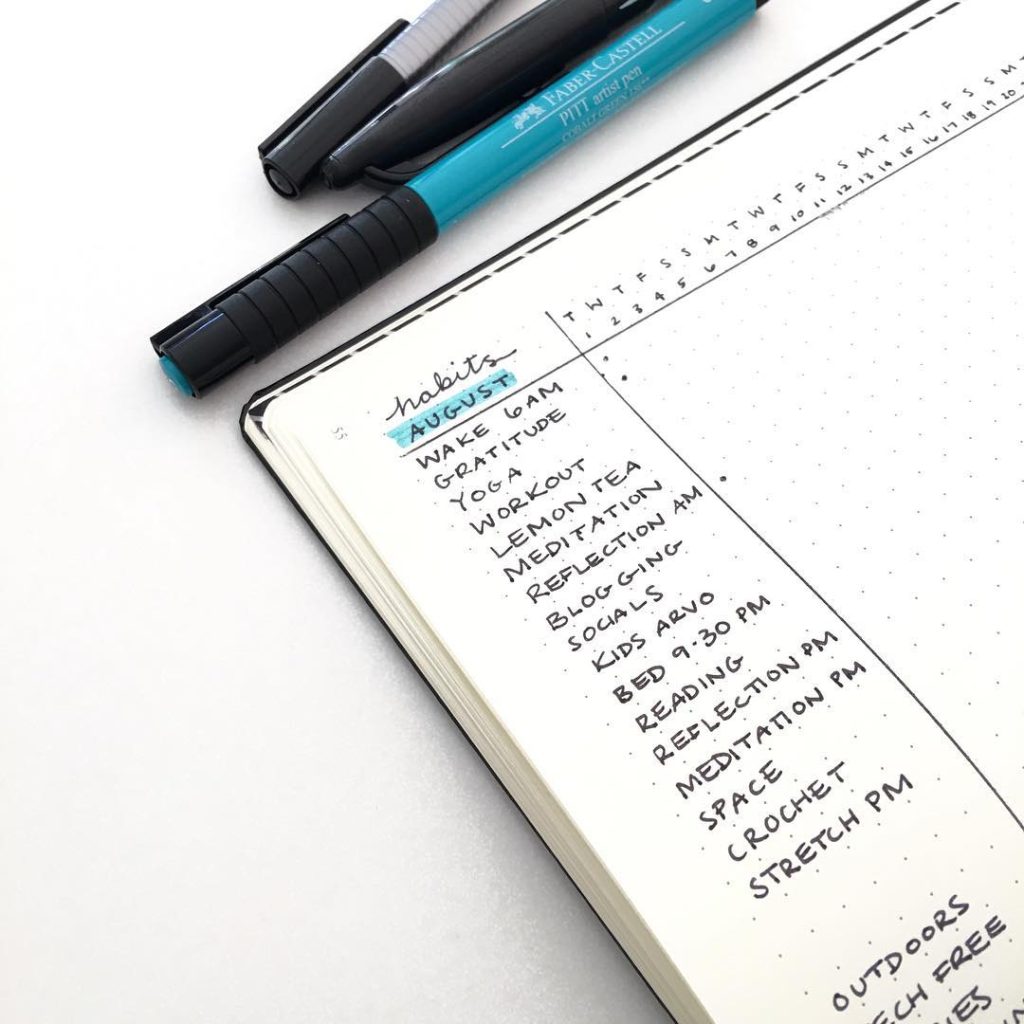
Writing out a plain list of habits beside a small dotted grid is proof that a bullet journal page does not need any decoration to be effective. Just fifteen habit names and a column of dots gets the same tracking done as a fully illustrated spread in a fraction of the time. That honesty about your own bandwidth is exactly what keeps a system sustainable.
Grouping habits loosely by time of day, with morning routines near the top and evening ones near the bottom, a structure often mentioned in daily routine guides on HGTV.com, keeps the list intuitive without needing labeled sections. It reads almost like a quick daily itinerary.
Budget Note: A single fine-tip pen for this style costs about $4 to $8 and works in any notebook you already have on hand.
A Yearly Overview Grid Reveals Patterns A Monthly Page Cannot
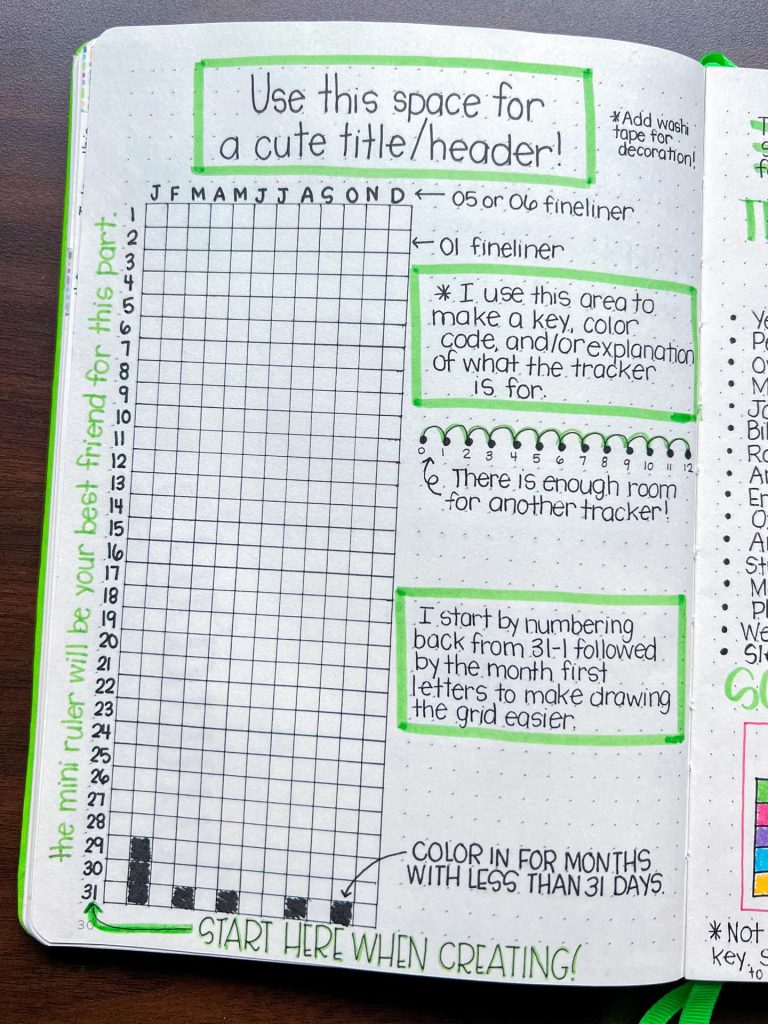
Mapping a single habit across every month of the year in one long grid gives a bullet journal something a monthly tracker simply cannot: a real long-term perspective. Watching a habit hold steady through busy months and drop off during stressful ones tells a story a thirty-day page would never capture. That bigger picture is genuinely eye-opening.
Numbering the days from thirty-one down to one before adding the month letters across the top, a drafting trick shared in planning tutorials on The Kitchn, makes the grid far easier to draw accurately. That small trick saves a lot of ruler frustration.
Budget Note: A fine tip black pen for the grid lines costs about $5 to $10, and a ruler for straight columns runs $2 to $5 at any craft or office supply store.
A Monthly Calendar With A Small Illustration Adds Warmth To Tracking
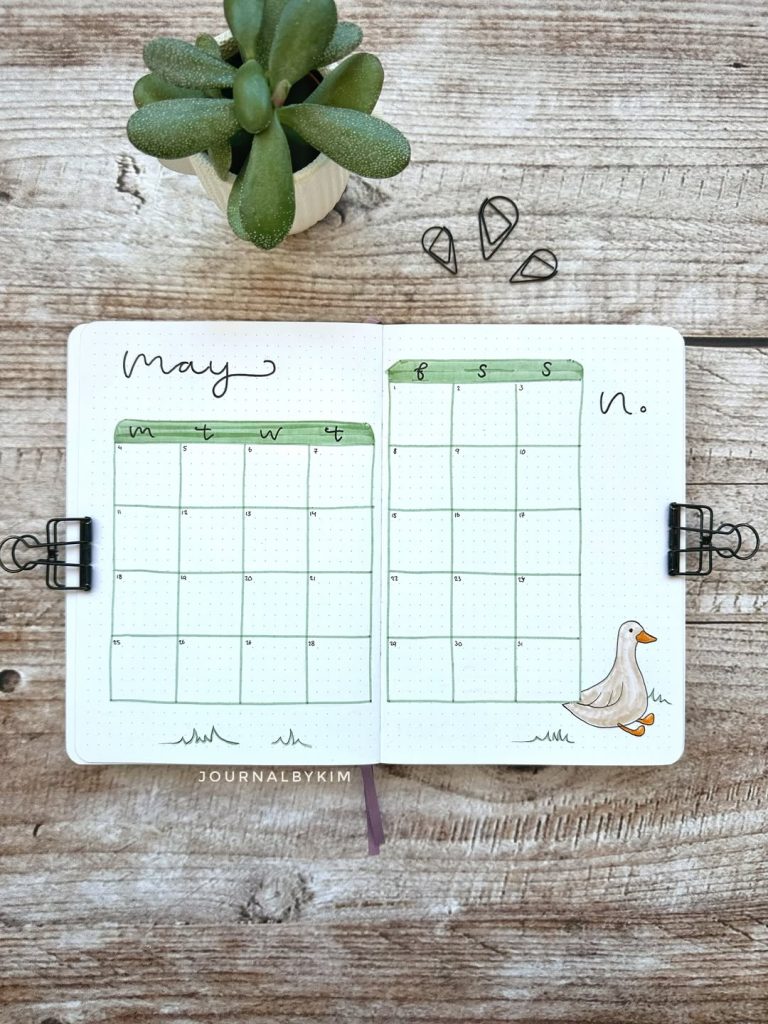
Pairing a clean monthly calendar grid with one small hand drawn illustration, like a favorite animal or seasonal object, gives a bullet journal spread personality without requiring real artistic skill. The illustration does not need to be complex to make the whole page feel more like yours. Even a simple sketch tucked in one corner changes how the page feels to open.
Keeping the illustration small and tucked into a corner rather than centered, a balance often used in planner layouts featured on Food Network seasonal content, keeps the calendar itself the clear focus. The drawing supports the page instead of competing with it.
Budget Note: A set of fine tip illustration markers costs about $10 to $16, and a dot grid notebook with smooth paper runs $12 to $20 at Amazon or a local art supply shop.
Layered Checkbox Grids Track Both Daily And Monthly Goals Together
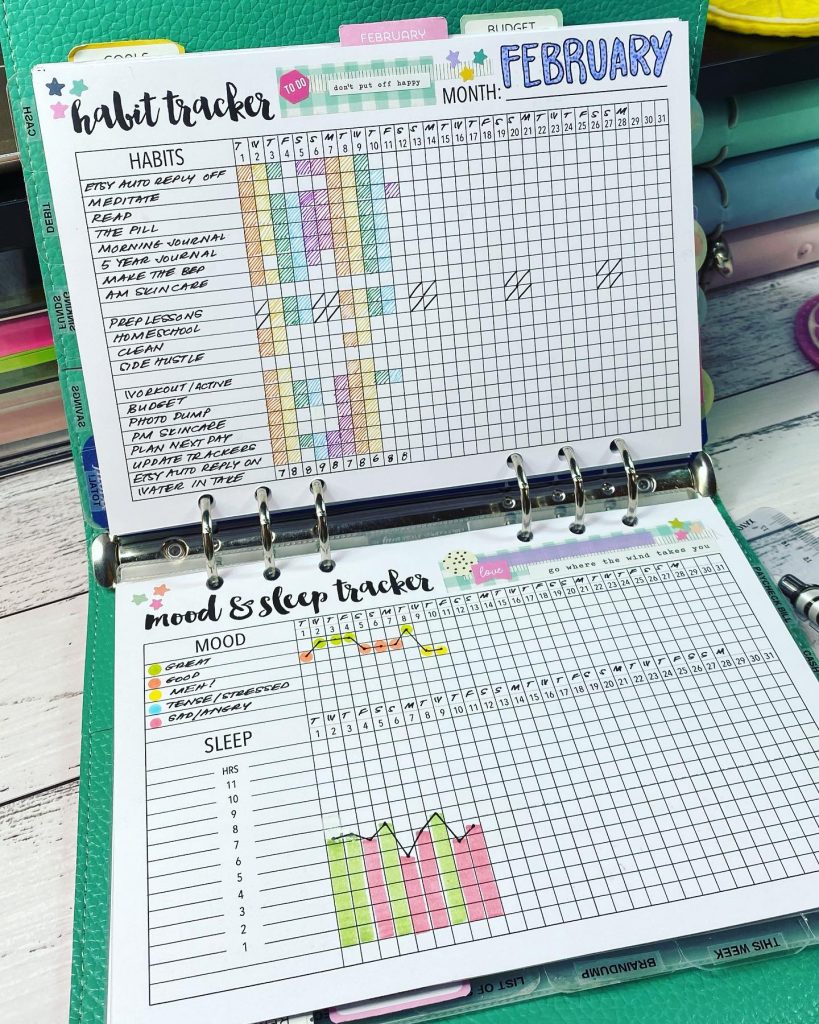
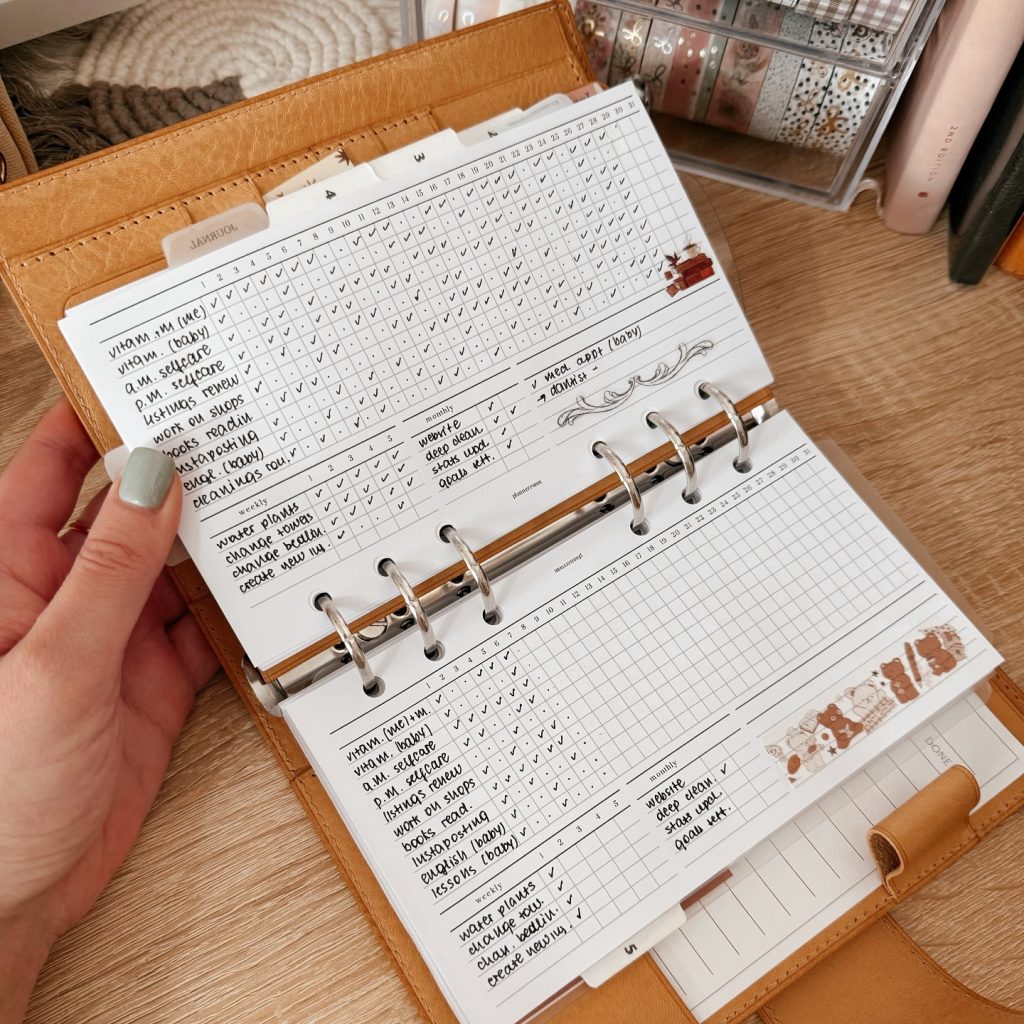
Combining a large daily checkbox grid with smaller monthly and weekly sections underneath solves a real organizing problem in a bullet journal, keeping different timeframes from getting mixed together. Daily habits like vitamins and skincare live in one place, while monthly tasks like website updates sit clearly apart. That separation keeps the whole page from feeling cluttered.
Using simple checkmarks and dashes rather than full color fills, an approach commonly seen in minimalist planner layouts on Wirecutter, keeps this denser page from feeling overwhelming despite tracking more categories. Clean marks read faster than heavy shading ever could.
Budget Note: A planner insert pack with grid paper typically costs $10 to $18, and a fine tip pen for quick checkmarks runs $4 to $8 at Amazon or Staples.
A Botanical Themed Spread Turns Tracking Into A Creative Outlet
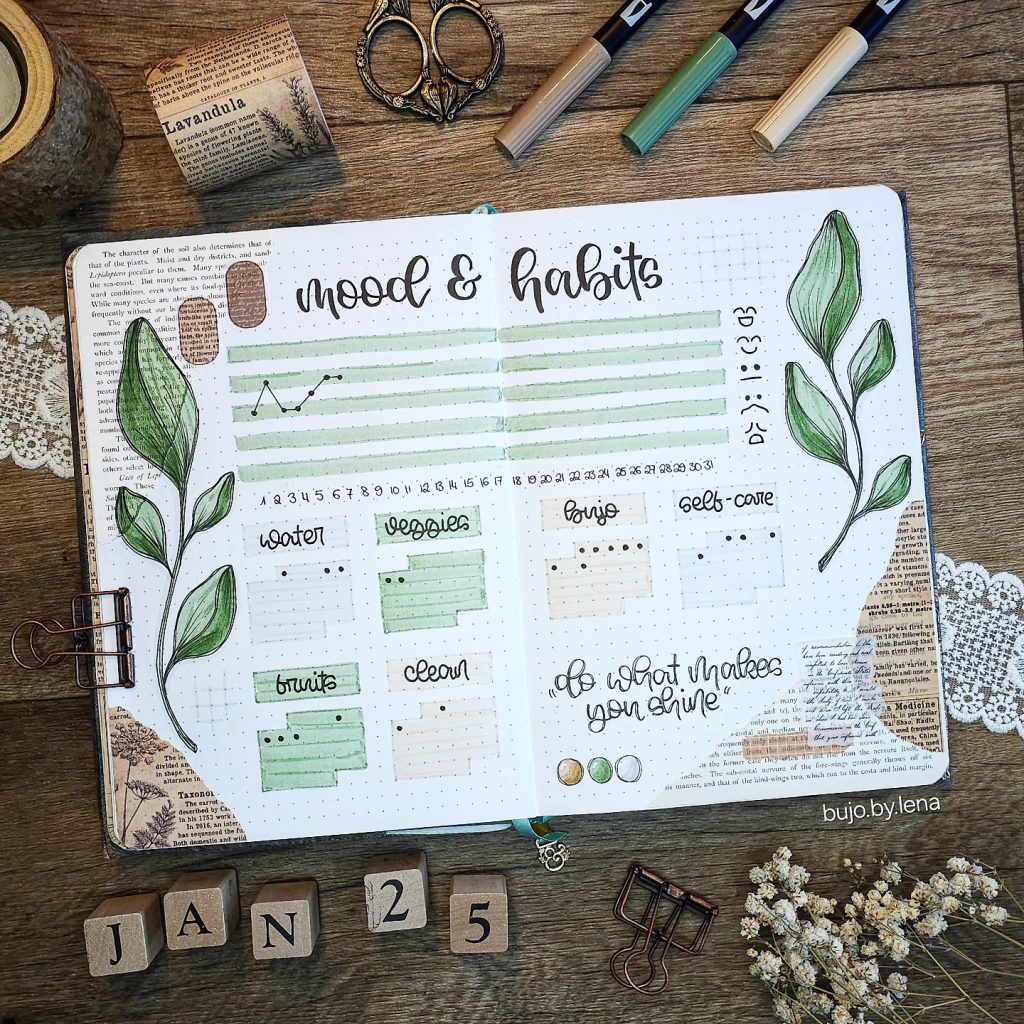
Wrapping a habit tracker in soft green watercolor bars and hand drawn leaves turns an ordinary bullet journal page into something that feels closer to art journaling. The muted palette and simple line illustrations make the whole spread feel calm rather than clinical. It becomes a page worth slowing down for, not just filling out.
This idea suits a mom who finds a little quiet creativity genuinely restorative, even on a night with limited time. Adding a short handwritten quote near the bottom of the page, something encouraging rather than motivational in an overbearing way, gives the tracker emotional weight beyond just checkboxes. It becomes a small daily touchpoint.
Budget Note: A small watercolor set for journaling costs about $12 to $22, and a pack of fine-tip pens for the leaf illustrations runs $8 to $14 at Amazon or Michaels.
Individually Framed Habit Cards Feel Like A Pinboard On The Page
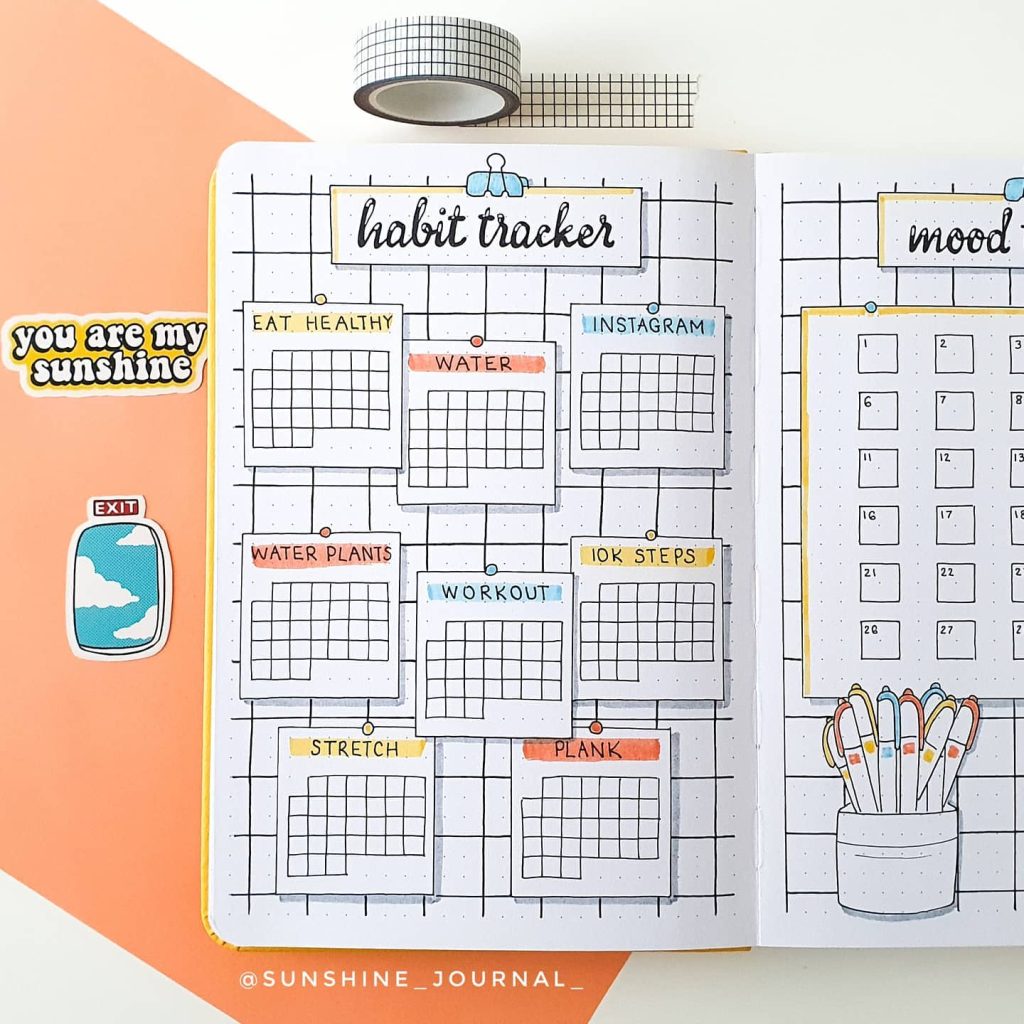
Drawing each habit as its own small framed card, like sticky notes pinned to a background grid, gives a bullet journal spread a playful, collage like feeling that flat rows simply do not have. Each habit gets its own visual space, which makes the whole page feel less like one long obligation and more like a set of small, separate wins. That framing genuinely changes how tracking feels.
Adding small decorative stickers around the edges of the page, a styling touch often seen in creative planning content on Country Living, gives the spread a finished, personal feel without much extra effort. It is a simple way to make the page feel like it belongs to you specifically.
Budget Note: A sheet of decorative stickers costs about $3 to $8, and a fine tip black pen for the card outlines runs $4 to $8 at Amazon or a local craft store.
A Radial Habit Wheel Makes Progress Feel Like A Visual Reward
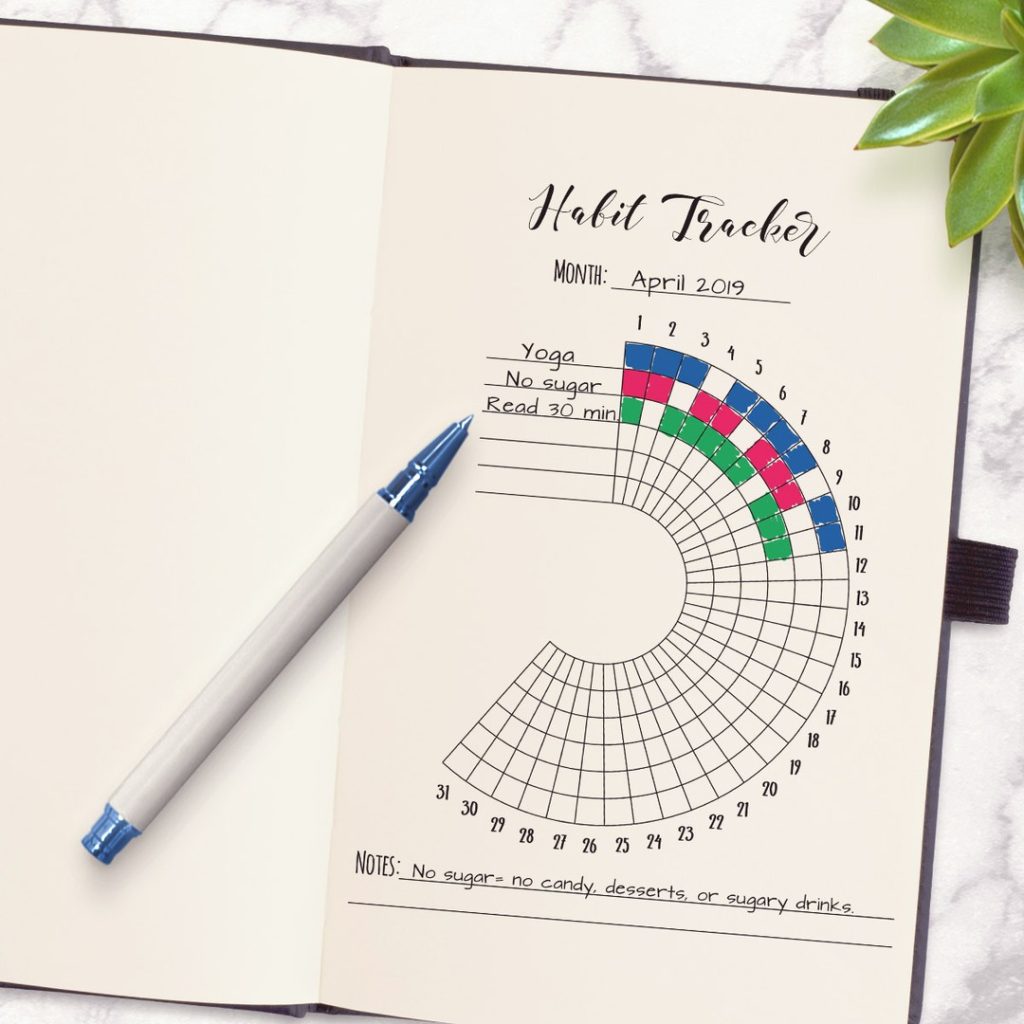
Building a habit tracker as a curved, radiating wheel instead of a straight grid turns filling in each day into something that genuinely feels rewarding to look at. Watching the colored wedges spiral outward as the month progresses gives a bullet journal page a sense of visual momentum that flat rows rarely capture. It makes the whole habit of tracking feel a little more like a game.
Numbering each ring clearly along both the top and bottom edges, a technique often demonstrated in creative planner tutorials on Martha Stewart adjacent design resources, keeps the spiral easy to follow even with several habits layered together. Clear numbering is what prevents this ambitious layout from becoming confusing.
Budget Note: A compass or circle template for drafting the wheel costs about $4 to $9, and a set of colored fine tip pens for the wedges runs $10 to $16 at Amazon or Michaels.
Why Habit Tracking Sticks When The Page Matches Your Real Life
There is a reason so many beautifully designed bullet journal pages get abandoned by week two. A layout that does not match how your days actually unfold will always feel like extra work no matter how pretty it looks. The page has to fit the life, not the other way around.
Part of what makes tracking sustainable is giving yourself permission to simplify. A bullet journal page with five honest habits beats one with fifteen ambitious ones that never get checked. Fewer categories done consistently build more real confidence than a packed page ever will.
What You Need Box
A solid bullet journal habit tracking setup really only needs a few things. A dot grid notebook, a fine tip black pen for outlines and lettering, a small set of colored markers for filling in habits, and a ruler for straight grid lines. Everything else, like washi tape or stickers, is a nice extra once you know which layout style actually fits your life.
This is also a hobby that benefits from experimentation rather than commitment to one perfect system. Trying a new layout style every few months keeps a bullet journal feeling fresh instead of like an obligation left over from January. Permission to change your mind is part of what keeps people showing up.
For a mom especially, a tracker works best when it flexes around real life instead of demanding perfection from it. Missing a few days and picking the habit back up matters far more than an unbroken streak ever could. That forgiving mindset is really the heart of a tracker that lasts.