
Join Our Newsletter for Cozy Home Inspiration, Family Fun, and Delicious Recipes Every Week

Hardy Ground Cover Plants for Clay Soil That Actually Survive

Disclaimer. Some images featured in this post may originate from third-party sources and are used for illustrative purposes only. Please review our Image Credits Policy for attribution information.
I stood at the edge of my front bed last spring, staring at bare clay where grass had refused to grow for two summers straight. I needed ground cover plants that could survive soil hard enough to crack a shovel.
I had tried grass seed twice already. Both times it came up thin, patchy, and gone by July no matter how much I watered it.
I finally stopped fighting the clay and started scrolling through garden accounts instead, looking for anyone else dealing with the same stubborn dirt. I was not searching for anything fancy, just something that would actually take root.
I found a photo of a front bed completely carpeted in green, planted right into soil that looked exactly like mine. It stopped my scroll immediately, the way a genuinely useful idea always does.
I kept going and found more. A path lined in blooming purple. A slope thick with leafy plants is is doing the work grass never could.
None of these gardens looked professionally installed. They looked like real yards where real families gave up fighting their soil and found something that worked with it instead.
That is the real difference between a plant you fight every season and ground cover plants you actually get to enjoy. One drains your weekends. The other just quietly fills in and looks better every year.
I started noticing what all of these successful beds had in common. Almost none of them relied on grass at all, and almost all of them leaned into plants built to spread and choke out weeds naturally.
I tried a few of these ideas in my own yard that spring. Some filled in within weeks. Others took a full season before I saw real coverage.
Every single idea I kept came from a photo that made me stop and look twice before I understood why. That instinct is still the only filter I trust when picking new ground cover plants for my own stubborn clay.
If you have a patch of yard that refuses to grow anything nice, this list is for you. Every idea below comes from a real garden, not a nursery display bed.
What We're Exploring
- 01 Pachysandra Solves Deep Shade Where Groundcover Plants Usually Struggle
- 02 Creeping Thyme Turns Cracked Pavers Into a Feature With Ground Cover Plants
- 03 Sensitive Plant Brings Texture to Wild Corners With Ground Cover Plants
- 04 Sedum Handles Foot Traffic Better Than Most Ground Cover Plants
- 05 Mom Notes
- 06 Woodland Perennials Fill Shady Slopes Where Ground Cover Plants Struggle Most
- 07 Blue Star Creeper Weaves Color Through Every Paver Seam
- 08 What Makes Ground Cover Plants Actually Worth the Effort
- 09 Quick Take
Pachysandra Solves Deep Shade Where Groundcover Plants Usually Struggle
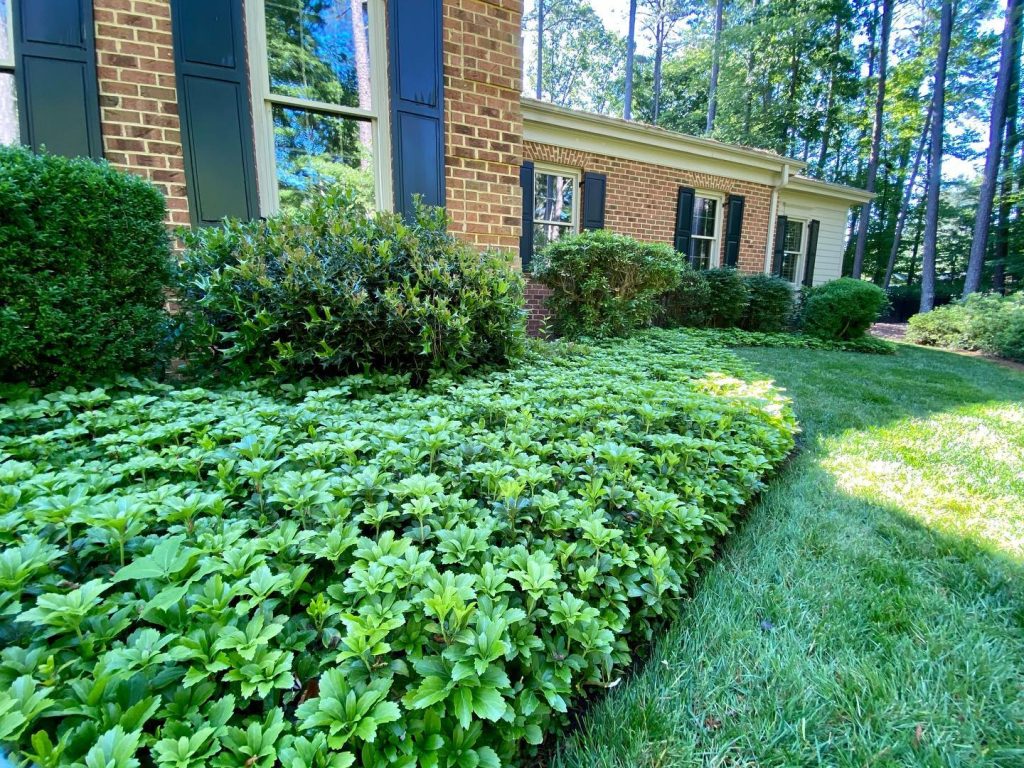
What makes this idea so practical is how little maintenance it demands once it fills in. No mowing, no constant watering, just a thick green carpet that stays tidy through most of the growing season.
Planting it close to shrubs and hedges creates a layered, finished look without needing constant edging. Better Homes and Gardens has noted that pachysandra remains one of the most dependable options for deep shade coverage in clay-heavy yards.
Budget Note: Pachysandra starter plants typically run $3 to $8 each at Home Depot or local nurseries, and a flat of thirty-two plugs covers a modest bed for around $60 to $90.
Creeping Thyme Turns Cracked Pavers Into a Feature With Ground Cover Plants
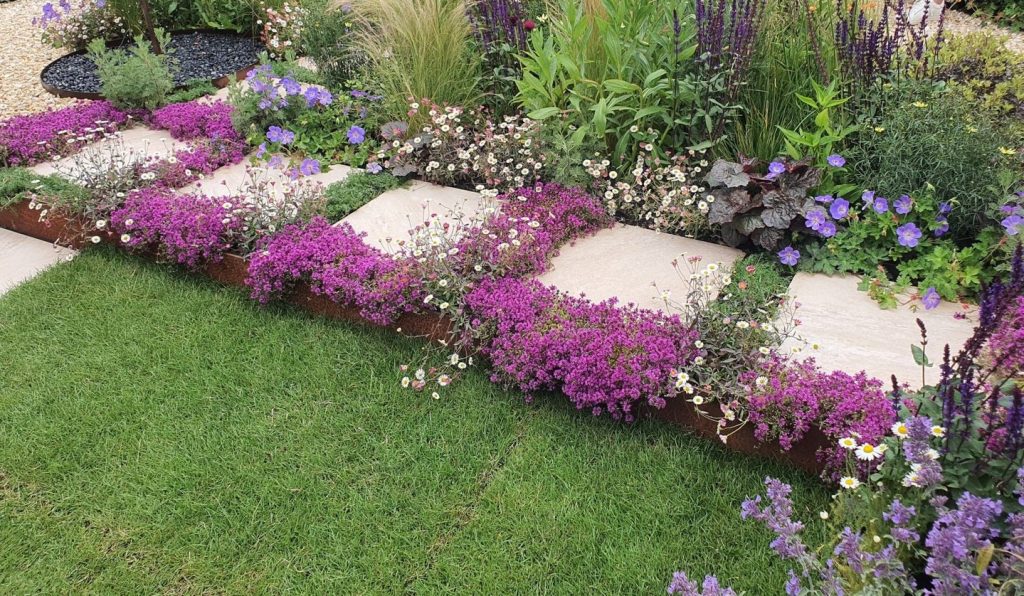
Letting creeping thyme fill the gaps between garden pavers is one of those small choices that makes an entire patio feel finished. This kind of low-growing groundcover tolerates poor, compacted soil far better than most flowering plants ever could.
The purple blooms that appear each season add color without requiring any real upkeep beyond an occasional trim. Walking across a thyme-filled path releases a soft herbal scent that grass never gives you.
Budget Note: Creeping thyme plugs typically cost $4 to $10 each at Lowe’s or online nurseries, and a dozen plants usually fills a modest paver walkway for around $60 to $100.
Sensitive Plant Brings Texture to Wild Corners With Ground Cover Plants
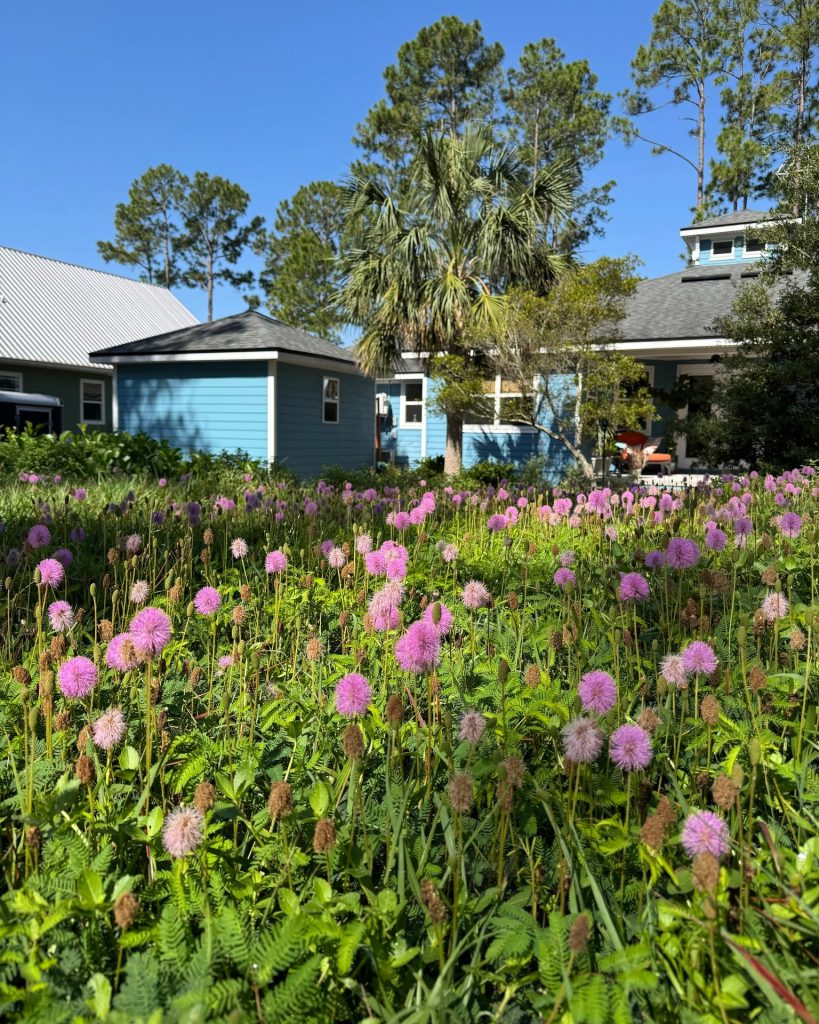
Letting a naturalized patch of sensitive plants take over a wilder corner of the yard is an idea that surprises people with how much personality it adds. The fuzzy pink blooms on this spreading groundcover give a soft, wildflower feel that manicured beds rarely achieve.
Letting this groundcover spread naturally into an unused side yard saves both water and mowing time all summer long. Real Simple has pointed out that leaning into naturalized plantings often solves problem areas better than forcing a lawn to survive there.
Budget Note: Sensitive plant seed packets typically cost $4 to $8 at garden centers or online, and a single packet easily covers a modest naturalized patch.
Sedum Handles Foot Traffic Better Than Most Ground Cover Plants
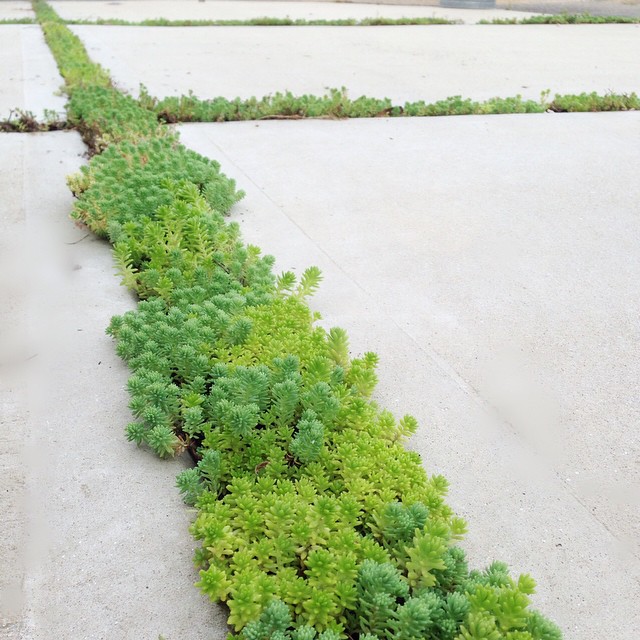
Tucking low-growing sedum into the seams of a concrete walkway is a smart way to soften hard surfaces while barely lifting a finger afterward. Sedum handles drought, foot traffic, and poor soil with more resilience than almost any other groundcover on this list.
The fleshy, succulent leaves come in shades of green and gold that shift slightly with the seasons, giving a plain path real visual interest. This idea works beautifully for anyone who wants low-maintenance color without a single flower to deadhead.
Budget Note: Sedum cuttings or small pots typically cost $3 to $7 each at Home Depot or Amazon, and a modest walkway can be filled for under $50.
Mom Notes
If your soil is mostly clay, do not fight it with plants that want sandy loam. Look for anything labeled tolerant of poor or compacted soil, since that single word on a plant tag will save you more frustration than any amount of soil amendment.
Woodland Perennials Fill Shady Slopes Where Ground Cover Plants Struggle Most
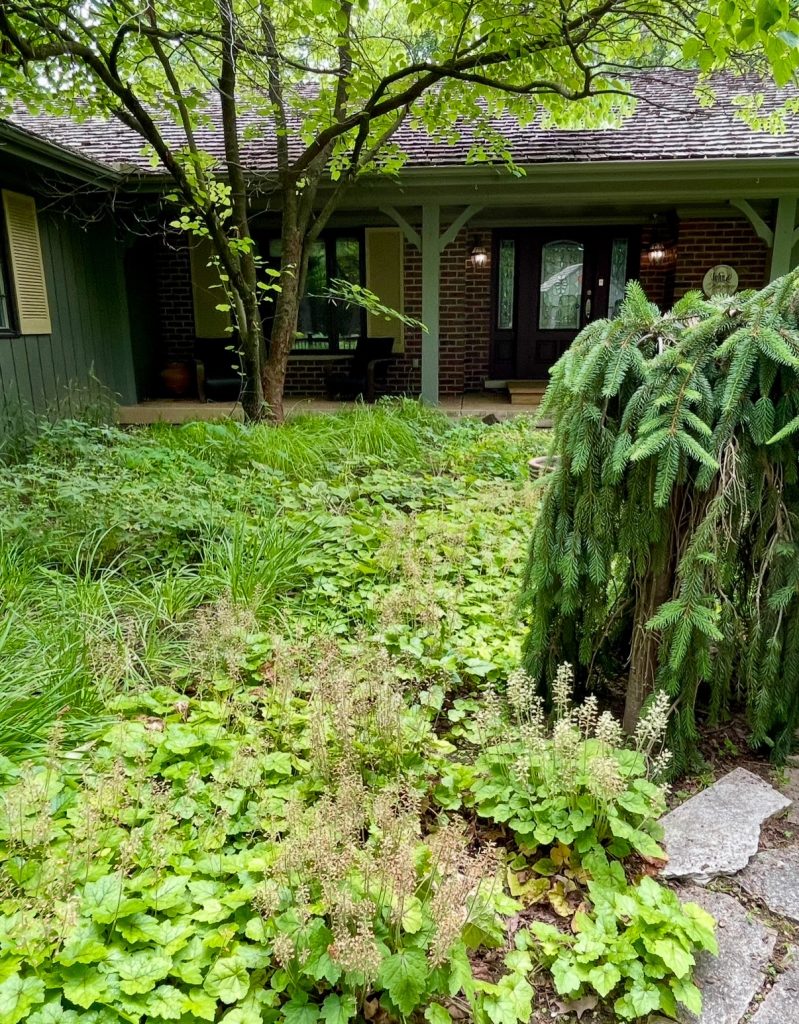
Letting a mix of shade-loving perennials fill in a wooded slope solves one of the hardest spots in most yards, the shady hill where grass simply refuses to grow. This layered approach to ground cover plants works because it mimics how a real forest floor naturally fills in.
This idea works beautifully under mature trees where roots and shade make traditional landscaping nearly impossible. A mix of textures, broad leaves next to feathery blooms, gives the slope real depth instead of one flat green mass.
Budget Note: Shade perennial starts typically cost $6 to $15 each at local nurseries, and a mixed slope planting usually runs $150 to $300 depending on the coverage needed.
Blue Star Creeper Weaves Color Through Every Paver Seam
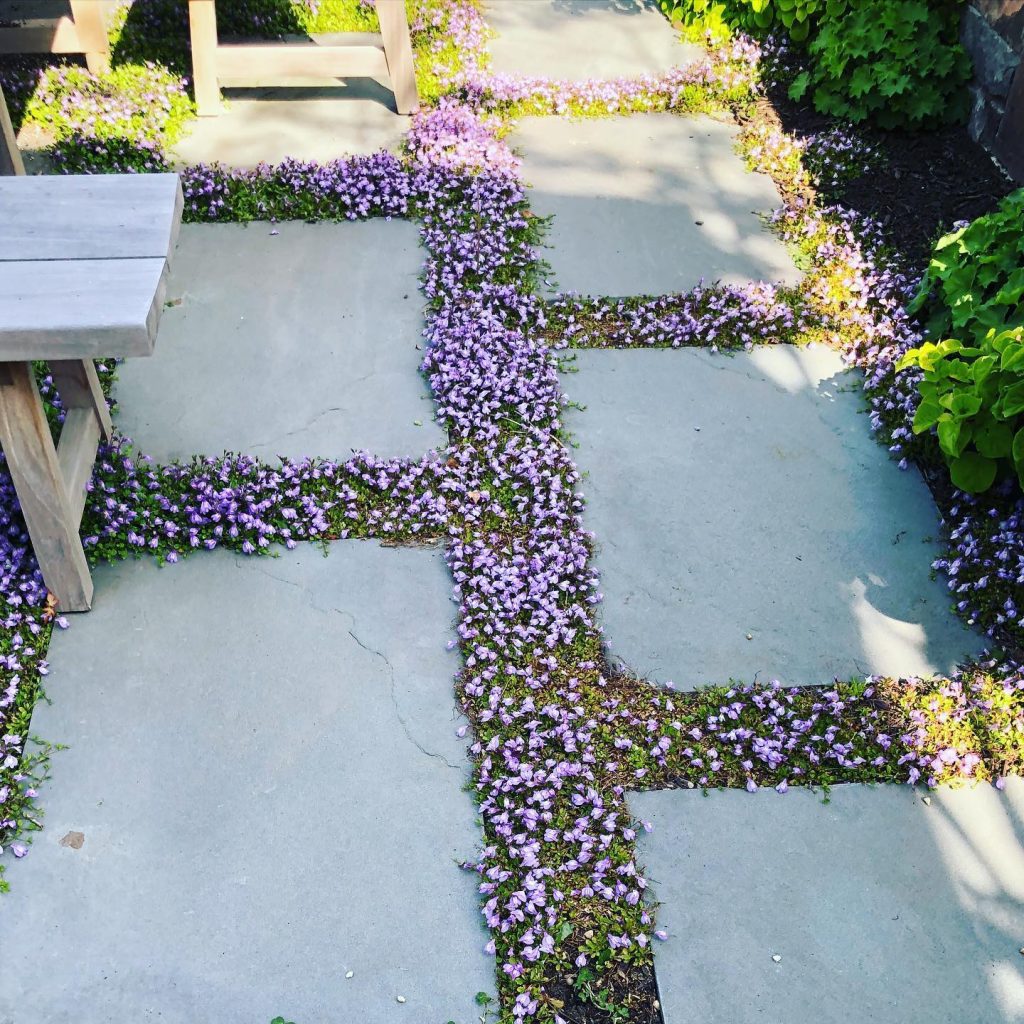
Filling every gap between flagstone pavers with blue star creeper turns an ordinary patio into something that looks intentionally designed. This particular groundcover tolerates both foot traffic and the compacted soil typically found beneath hardscaping.
The tiny star-shaped blooms create a striking grid pattern that highlights the geometry of the stones instead of hiding it. This idea works especially well for a backyard dining area where you want greenery without losing any usable patio space.
Budget Note: Blue star creeper plugs typically cost $5 to $9 each at specialty nurseries, and a standard patio planting runs $80 to $150 depending on the number of seams.
What Makes Ground Cover Plants Actually Worth the Effort
The best ground cover plants rarely come from the most expensive nursery haul. They come from matching the right plant to the soil and light you already have instead of forcing grass where it was never going to thrive.
Every idea on this list shares one trait in common. Each plant was chosen because it tolerates the exact conditions that make traditional lawn care so frustrating in the first place.
Quick Take
Shady problem spot under trees, reach for pachysandra or a shade perennial mix. Cracked walkway or patio seams, creeping thyme or blue star creeper fills in fast. Full sun and bone dry clay, sedum handles neglect better than almost anything else on this list.
Clay soil holds water differently than loose garden soil, and most groundcovers that succeed in it share a stubborn, spreading nature that grass simply does not have. That difference is why these plants outlast lawns in the same problem spots year after year.
Once established, most of these options genuinely need less from you over time, not more. That shift from constant maintenance to quiet spreading is really the whole appeal of choosing groundcover over grass.