
Home Decor, Kitchen Ideas, Garden Tips & DIY Projects
15 Home Office With Couch Ideas That Make Working From Home Feel Better

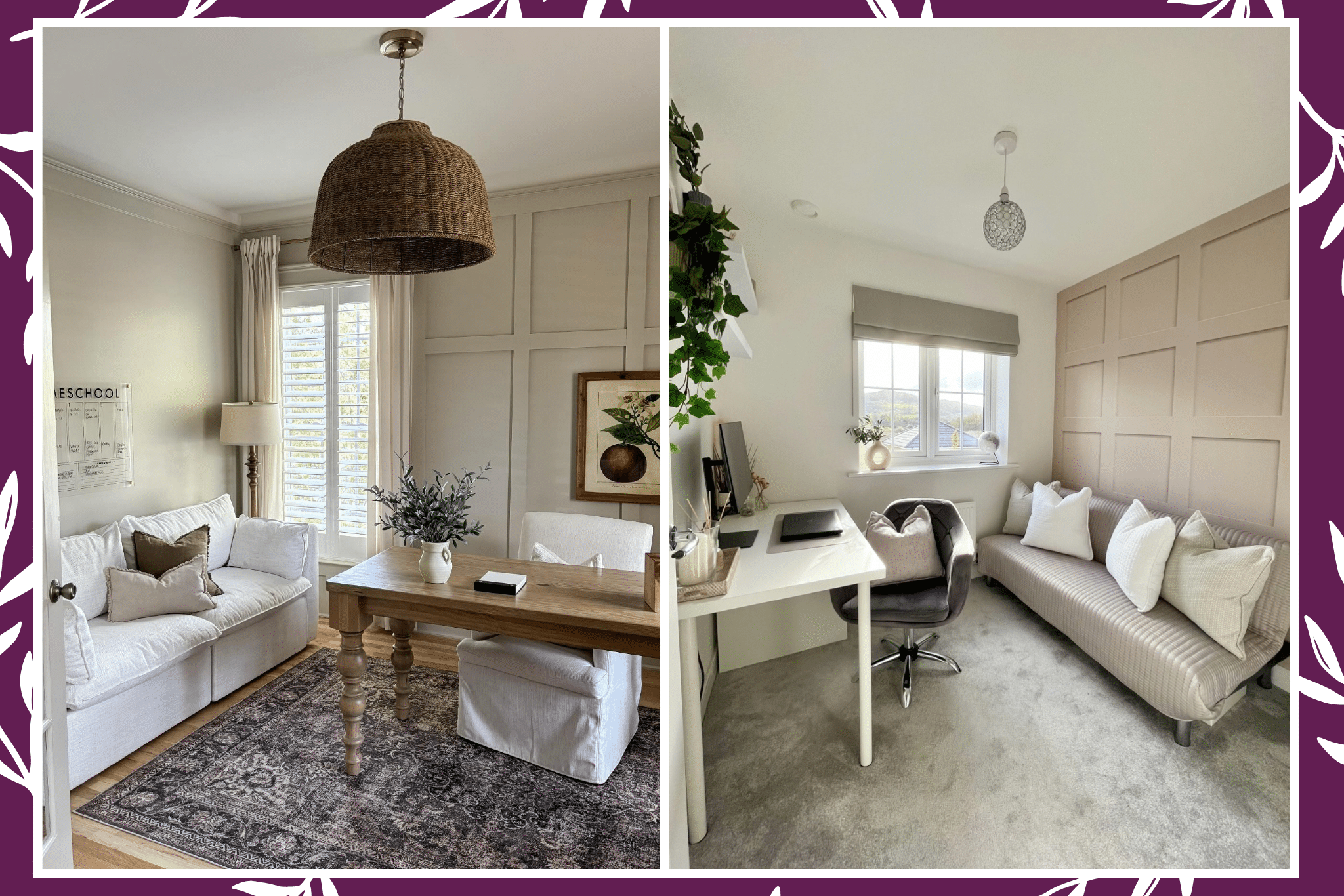
Photo Credits: All photos in this post are credited to their creators on Instagram. Want a photo removed or credited differently? Email [email protected]. See our Image Credits page for details.
I am sitting at my desk with my laptop open and a sofa just a few steps away.
I keep thinking about how much nicer my workday feels when I have somewhere comfortable to sit after spending hours in front of a screen.
That little bit of comfort has made me appreciate a home office that feels like part of the home rather than a separate workplace.
For a long time, I thought a proper workspace needed a desk and very little else.
Everything had to be arranged around productivity, and comfort seemed like something I could think about after finishing work.
That is why I keep coming back to the idea of combining a workspace with a relaxing sitting area.
A Soft Neutral Home Office With a Cozy Sofa
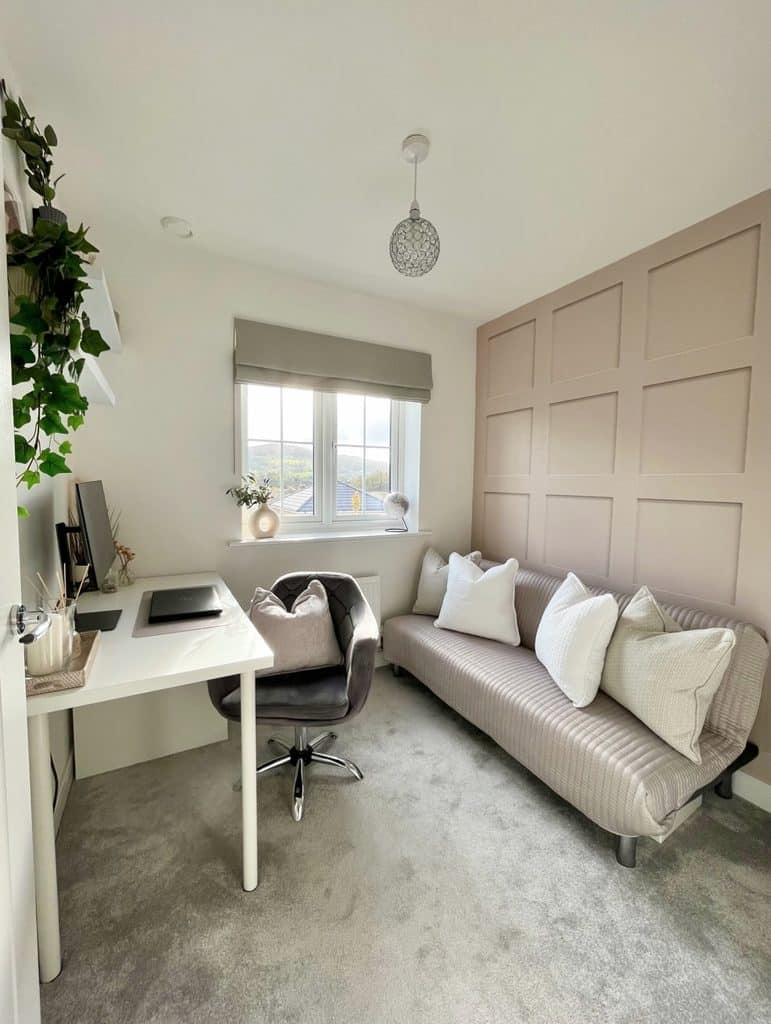
Credit: @heavenatnumber7
I love a neutral workspace because it gives the room a calm feeling without making it look plain. Soft beige upholstery, white furniture, and a few warm decorative details create a combination that feels comfortable enough for long working days.
For more inspiration on creating a restful space, I like the practical ideas in Apartment Therapy.
Budget Guide: A compact beige loveseat can cost around $250 to $650, while a simple white desk may range from $100 to $250. IKEA, Amazon, and Walmart are good places to compare affordable options.
A Warm Wooden Home Office With Built-In Seating
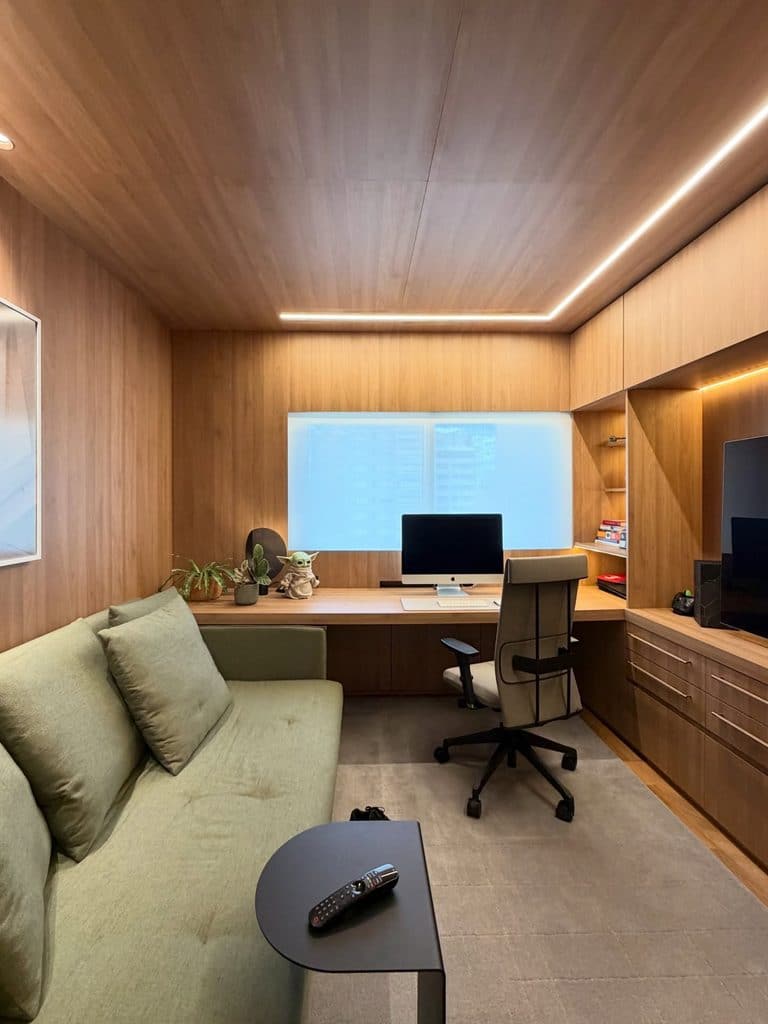
Credit: @arquideias
I have a soft spot for warm wood because it makes a workspace feel welcoming rather than overly formal. When cabinetry, shelves, and the desk share similar wood tones, the room feels connected and much easier on the eyes.
I would keep the desktop as clear as possible and add just a small plant or a desk accessory. You can find useful inspiration for built-in home office storage before deciding on the layout.
Budget Guide: Wood-effect wall panels can range from $80 to $300, depending on coverage, while a compact sofa may cost $300 to $800. IKEA, Home Depot, and Amazon offer options for different budgets.
A Curved White Sofa That Makes the Office Feel Relaxed
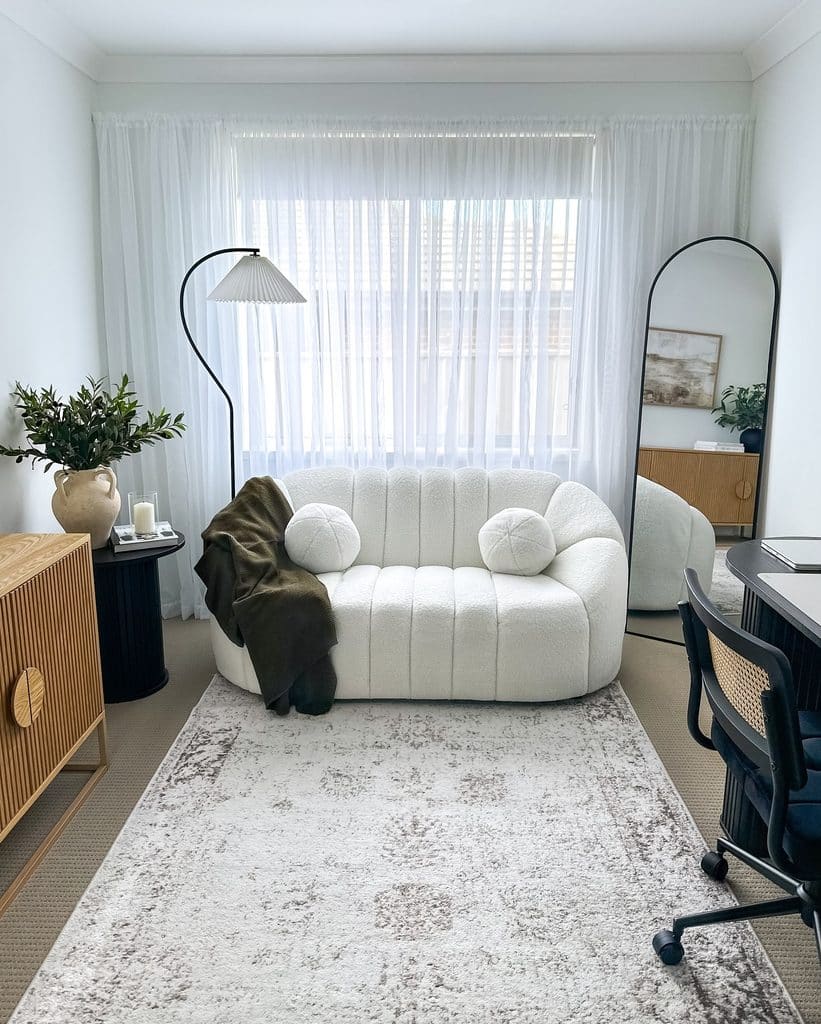
Credit: @_tiffanydonaldson_
A curved sofa is one of my favorite ways to make a workspace feel softer. Its rounded shape creates a gentle contrast against straight desks, windows, and storage furniture. And I chose this color to match my kitchen and complete the whole look.
For ideas on choosing furniture proportions, House Beautiful has plenty of useful interior inspiration.
Budget Guide: Small curved sofas typically range from $450 to $1,200, while a neutral area rug can cost around $80 to $250. Check Amazon, Wayfair, and HomeGoods for accessible options.
A Creative Home Office With Colorful Built-In Storage
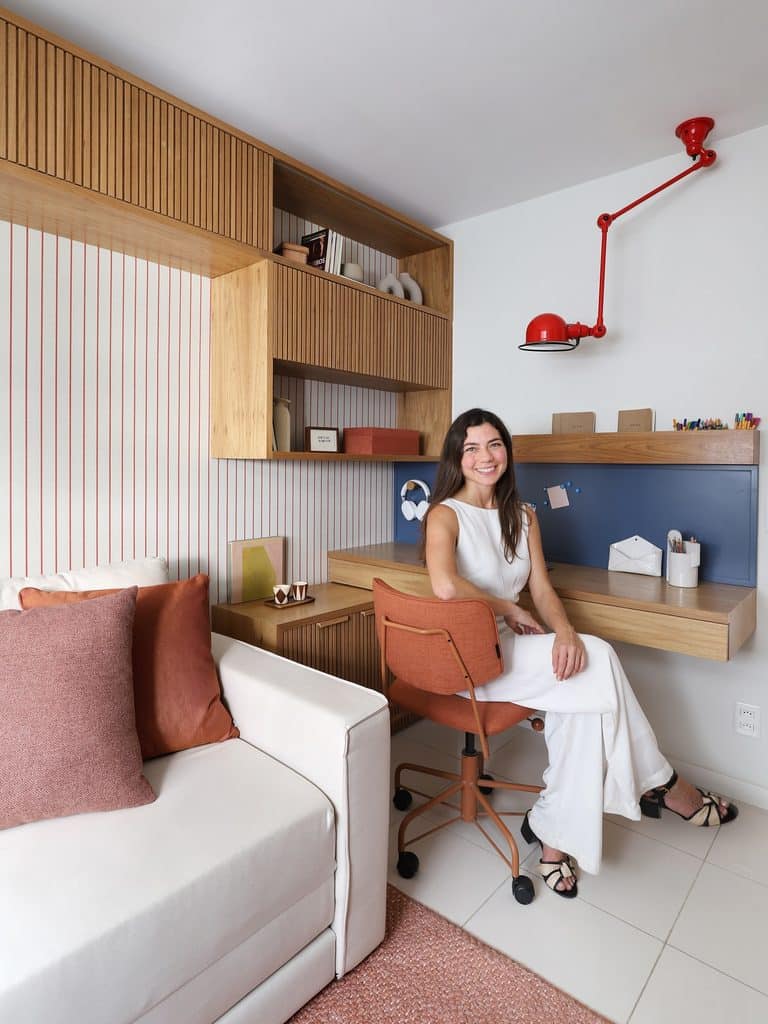
Credit: @hana.lerner.arquitetura
I like a workspace that has a little personality, and combining warm wood with a stronger accent color is a lovely way to achieve that. It makes the room feel individual without requiring lots of small decorative objects.
I would look at Real Homes for more ideas about making a workspace feel personal.
Budget Guide: Floating wooden shelves can cost around $30 to $100, while accent wall paint usually ranges from $25 to $70 per gallon. Look at IKEA, Lowe’s, and Home Depot for affordable materials.
A Window Side Home Office With a Comfortable Daybed
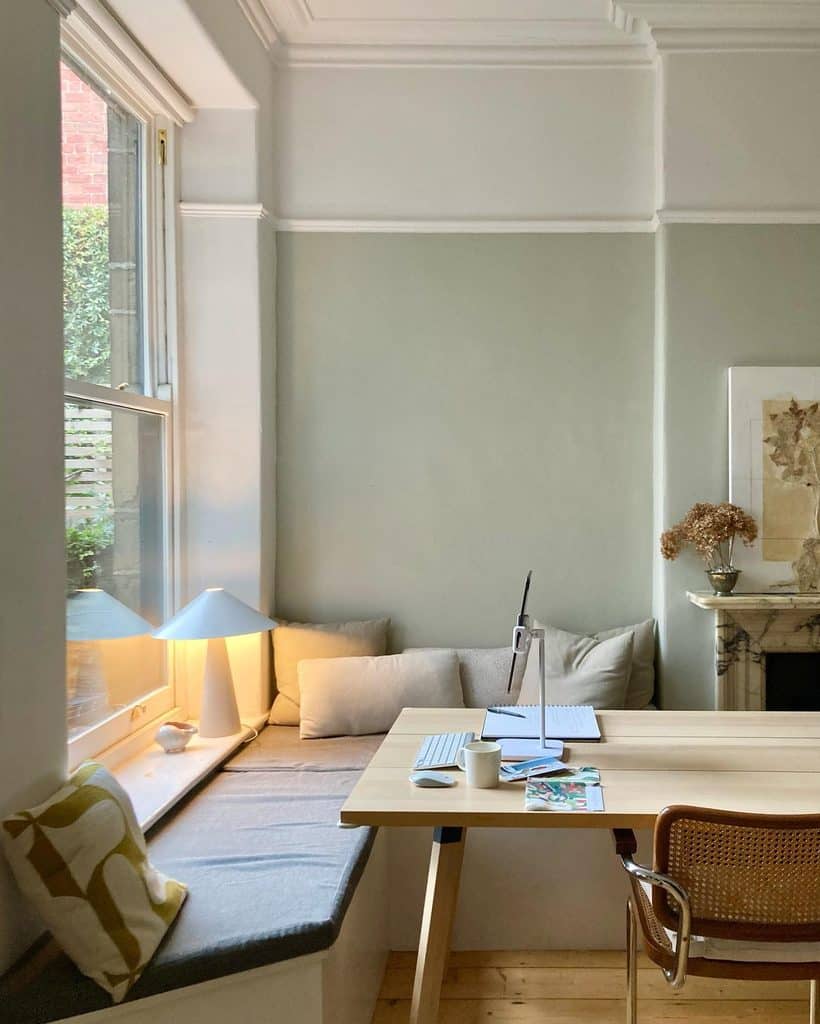
Credit: @house_and_stuff
A window seat or daybed is a lovely choice when you want your workspace to feel peaceful. I especially like the idea of having somewhere to sit with a book during a break without leaving the room.
For additional ideas, Good Housekeeping has helpful inspiration for organizing small spaces.
Budget Guide: A ready-made storage bench can range from $120 to $350, while custom cushions may cost $60 to $180. Check IKEA, Amazon, and Walmart for suitable pieces.
A Blush Pink Home Office With a Comfortable Sofa
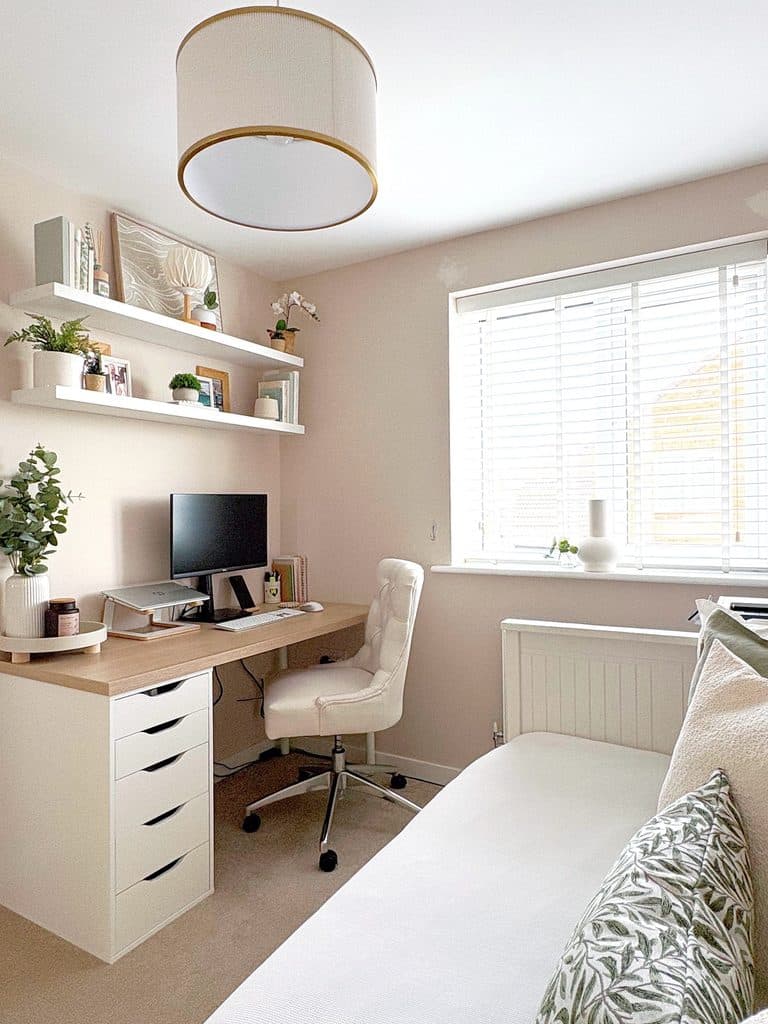
Credit: @our_claytoncorner_
Blush pink is a lovely option if you want a workspace that feels warm and a little different from the usual white and grey office. I would pair it with cream furniture and natural wood to keep the overall look balanced.
My favorite finishing touch would be a warm desk lamp and a small plant. These details add character while keeping the room practical.
You can find more inspiration for choosing wall colors through Martha Stewart.
Budget Guide: A gallon of blush wall paint can cost around $25 to $70, while a compact cream sofa may range from $250 to $650. Try Home Depot, Lowe’s, IKEA, or Amazon.
A Modern Grey Home Office With a Sofa and Desk
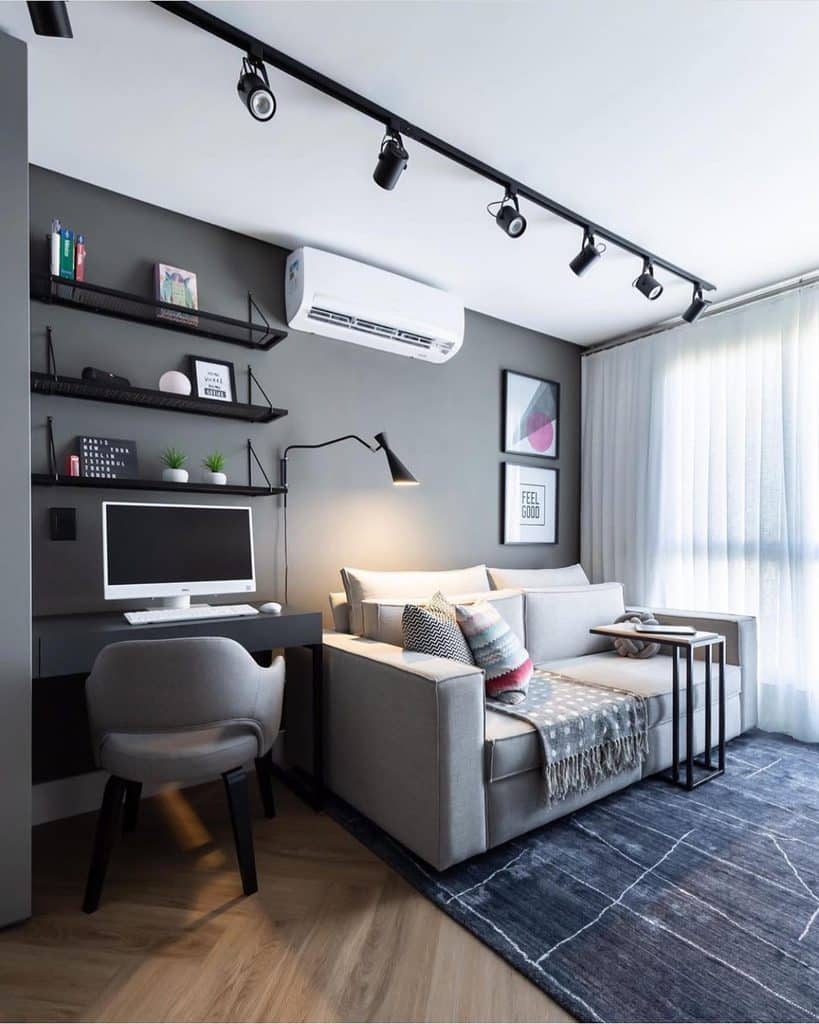
Credit: @decoracaocriativa
I think grey is a useful color when you want a workspace that feels modern without looking too serious. It works particularly well with black metal details, pale upholstery, and warm wooden flooring.
For more inspiration, The Spruce has practical advice for arranging furniture and making better use of space.
Budget Guide: A grey two-seater sofa can range from $300 to $750, while wall shelves usually cost $20 to $80 each. IKEA, Target, and Amazon are useful places to shop.
A Compact Blue Home Office With Smart Corner Storage
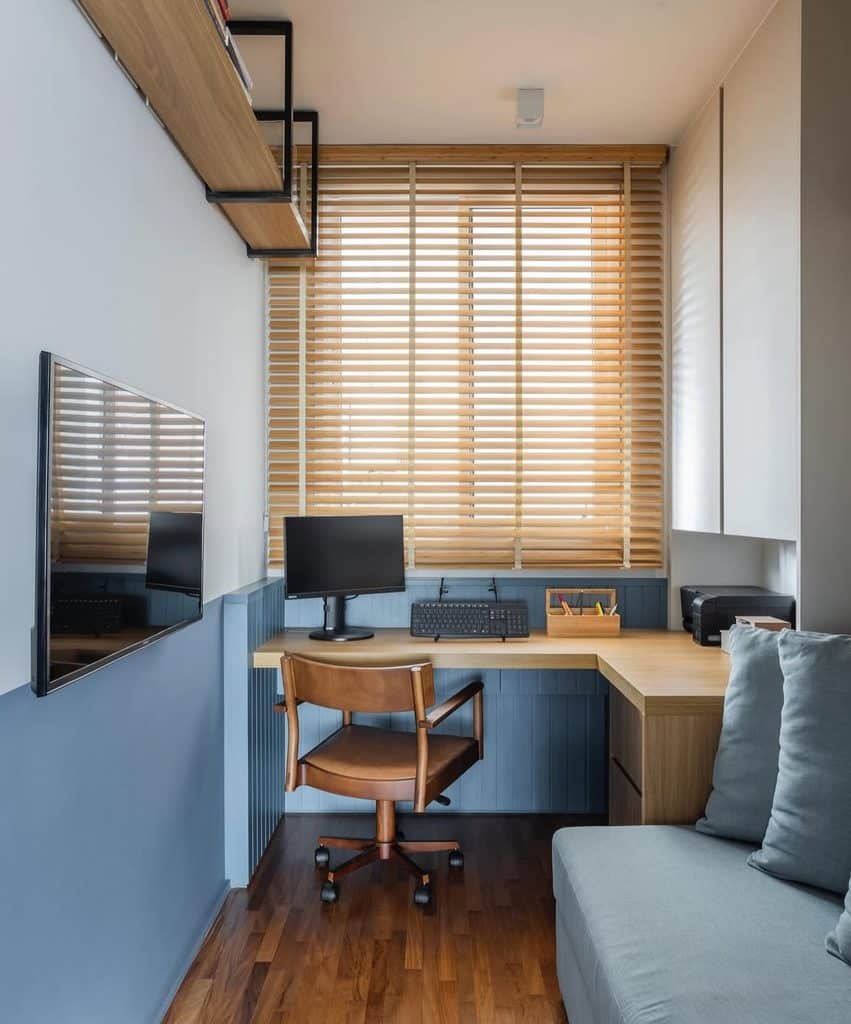
Credit: @quattrinoarquitetura
A small room can become a very useful workspace when the furniture follows the shape of the walls. I love corner desks because they provide plenty of working surface without requiring a large central table.
For more advice about arranging compact workspaces, Ideal Home is a useful resource.
Budget Guide: An L-shaped desk can cost around $150 to $450, while a small two-seat sofa may range from $250 to $600. Check IKEA, Wayfair, and Amazon.
A Light Pink Workspace With a White Sofa
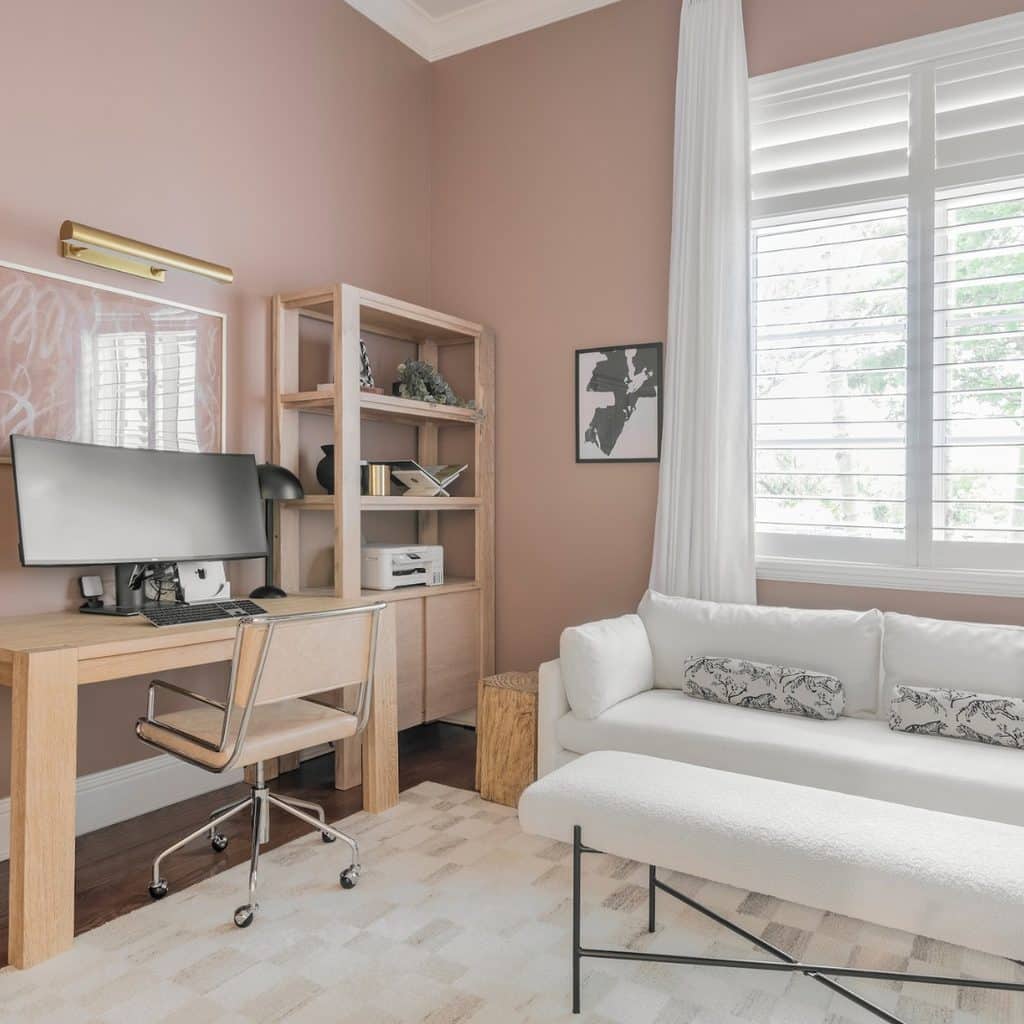
Credit: @studio790interiordesign
I love how a soft color palette can make a room feel peaceful without removing its personality. Light pink walls, white seating, and pale wood furniture work beautifully together when you want a gentle and comfortable atmosphere.
For color and furniture inspiration, Domino is a good place to start.
Budget Guide: A small white sofa can range from $300 to $700, while a wooden desk may cost $100 to $300. Compare prices at IKEA, Wayfair, and Walmart.
A Rustic Home Office With Exposed Wooden Ceiling Beams
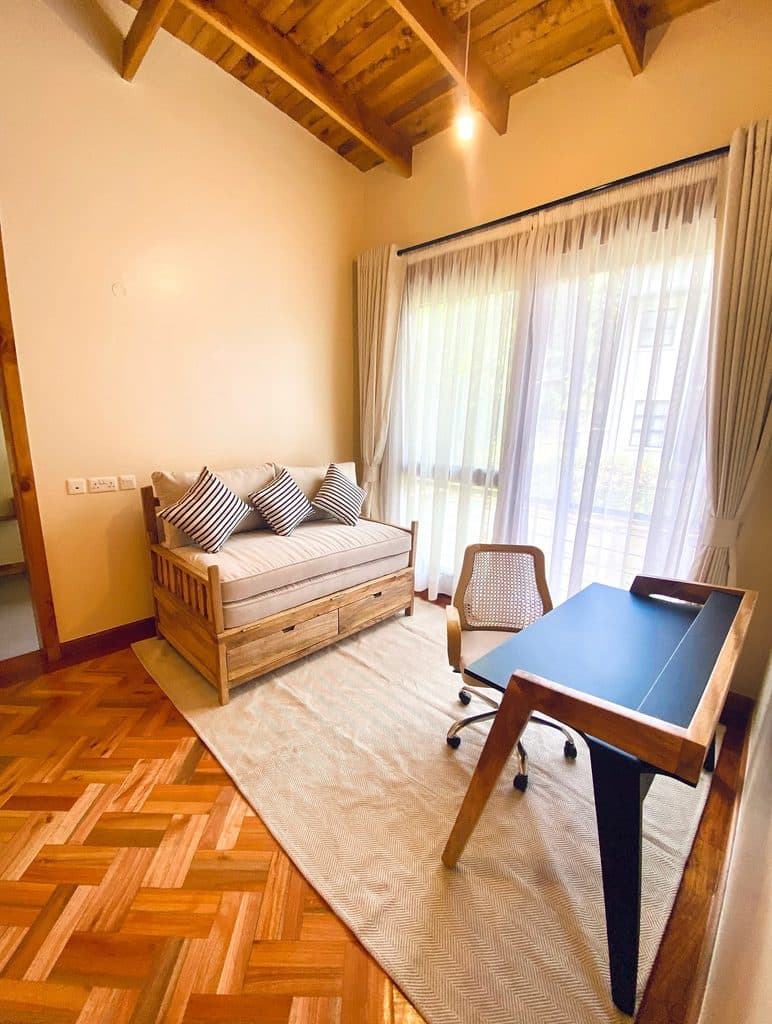
Credit: @kigadesigns
There is something special about a room with natural wood overhead. It adds warmth and character, making a workspace feel like a comfortable part of the house rather than a separate work zone.
I would start with the furniture before considering any major building work.
You can find practical decorating advice at HGTV.
Budget Guide: Wooden ceiling accents can range from $100 to $400 depending on the material, while a small wooden daybed may cost $250 to $600. Look at Home Depot, IKEA, and Wayfair.
A Green Home Office With Floor-to-Ceiling Storage
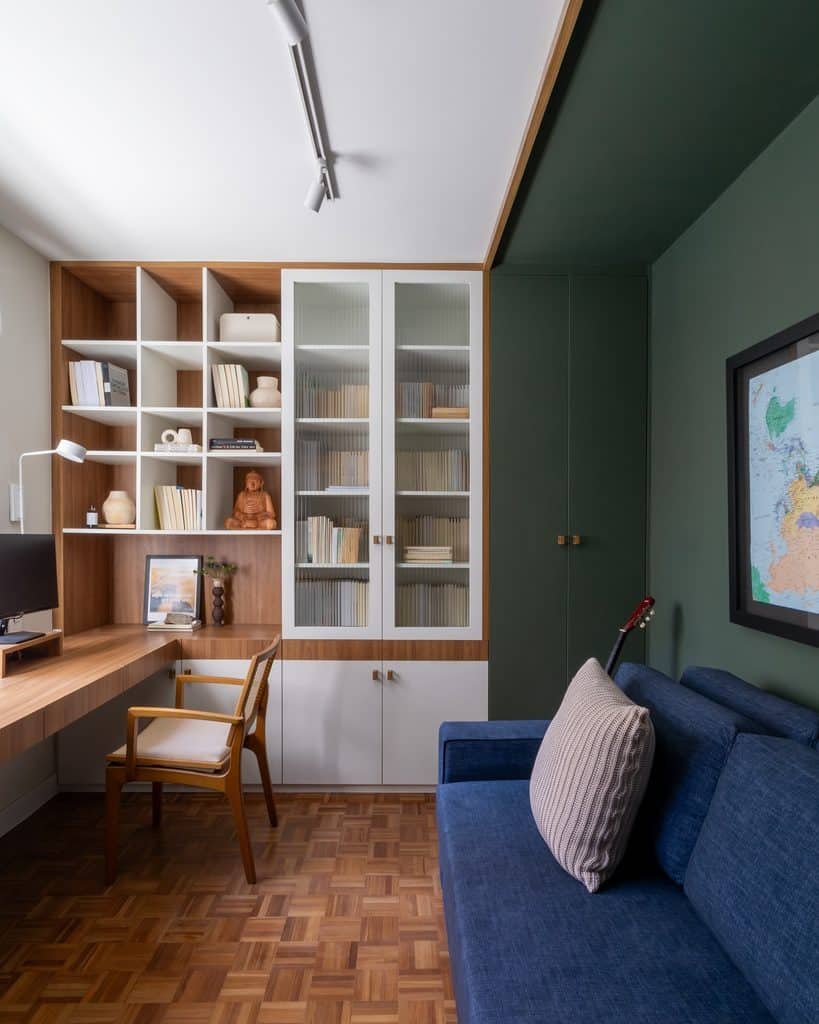
Credit: @nossaarquiteturarj
Green is one of those colors I would happily use in a workspace because it feels connected to nature. A deeper shade can also make a room feel cozy, especially when paired with warm wood and softer furniture.
Plants are another detail I would include. A small leafy plant on the desk or a taller one beside the sofa can soften the strong lines of built-in furniture.
For more inspiration about practical storage, MyDomaine has plenty of useful ideas.
Budget Guide: Modular bookcases can cost around $100 to $350, while a small dark green sofa may range from $300 to $750. IKEA, Amazon, and Home Depot offer options worth comparing.
A Calm Home Office With a Built-In Desk and Sofa
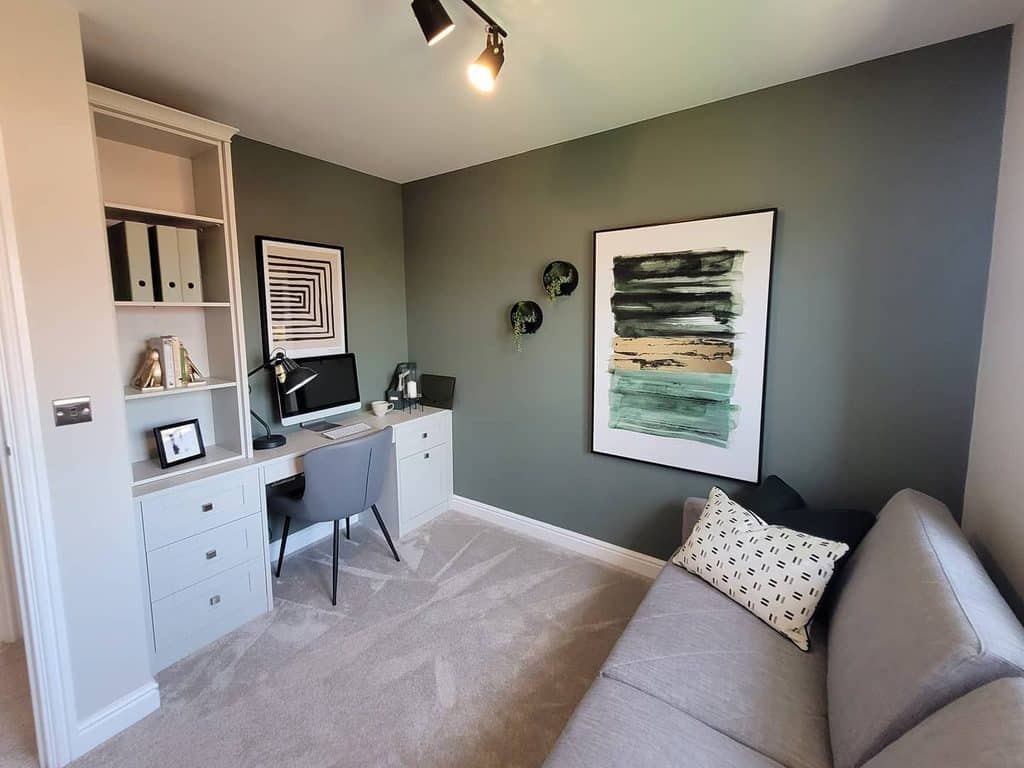
Credit: @the_shaftesbury_special
I like spaces where the furniture feels as though it belongs together from the beginning. A built-in desk and matching storage can make a home office feel organized while leaving room for a comfortable sofa.
I would add a small table beside the sofa and keep the decorations simple. You can find more ideas for functional furniture arrangements at Architectural Digest.
Budget Guide: A custom-built desk and storage arrangement can range from $600 to $1,800, while a compact sofa may cost $250 to $650. IKEA, Home Depot, and local carpenters are worth comparing.
A Classic Cream Home Office With Elegant Wall Paneling
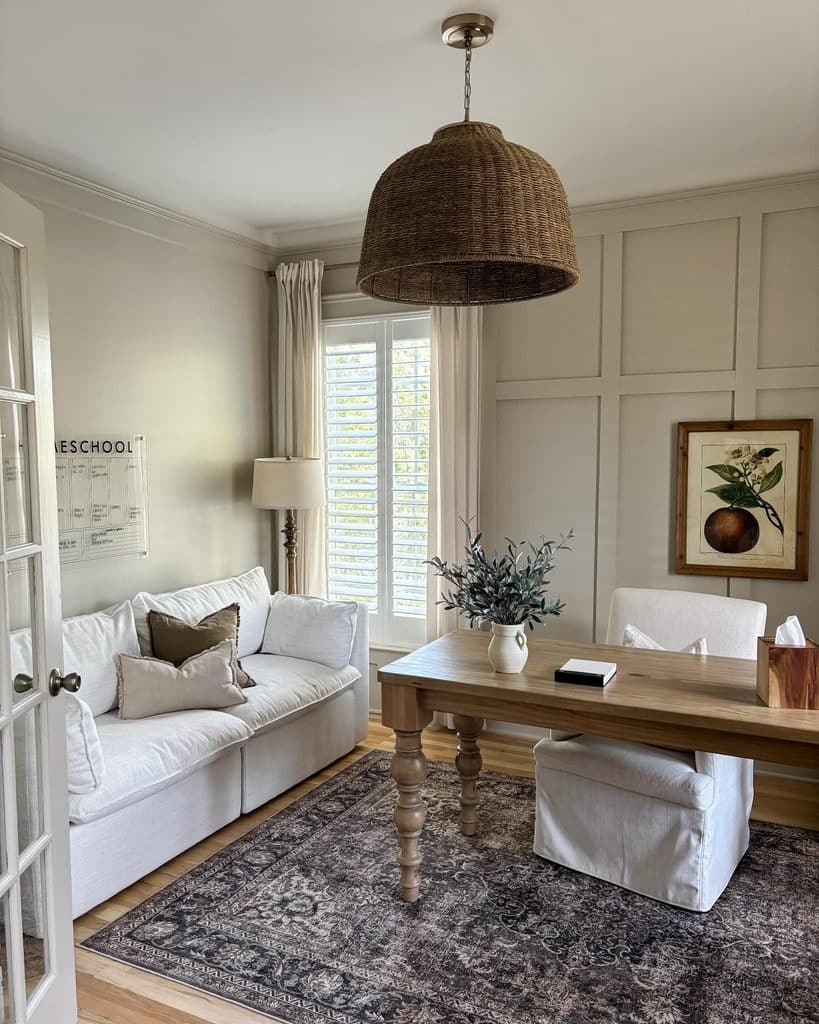
Credit: @houseandholm
Wall paneling is a lovely way to give a workspace more character without filling the walls with decorations. I especially like it in a cream or warm white shade because it creates subtle detail while keeping the room light.
For more inspiration on decorative wall treatments, Bob Vila offers helpful home improvement ideas.
Budget Guide: Decorative wall molding can cost around $50 to $200 for a small room, while a cream loveseat may range from $300 to $750. Check Home Depot, Lowe’s, IKEA, and Amazon.
How I Would Make a Home Office With a Couch Work Every Day
I think the biggest mistake when arranging a workspace is choosing furniture based only on appearance. A beautiful room is lovely, but it also needs to work when you have a busy day, paperwork to finish, and nowhere to put your coffee.
When planning a home office, I would start by deciding where the desk needs to go. Natural light is important, but you also want to avoid placing your computer directly in front of a window where sunlight can create glare.
The sofa should have its own purpose. I like having a comfortable place to read, take phone calls, or enjoy a short break without sitting at my desk all day.
Storage is another thing I would plan before buying furniture. Shelves, drawers, and baskets help keep the workspace tidy, especially when the room serves as both an office and a sitting area.
I would finish with a few personal details, such as a favorite lamp, comfortable cushions, and a plant. These small additions make the room feel like somewhere you enjoy spending time rather than somewhere you only go to work.
I also recommend measuring everything before purchasing a sofa. Leaving enough room for the desk chair to move freely will make the entire arrangement much more comfortable.
I have come to appreciate a home office that feels welcoming just as much as one that helps me get things done. Adding a couch is a simple way to bring another purpose into the room without sacrificing its usefulness.
Whether you prefer warm wood, soft neutrals, colorful walls, or modern built in furniture, the best arrangement is the one that fits your everyday routine. I would always choose comfort, practical storage, and a little personality over a room that looks perfect but never feels comfortable to use.