
Join Our Newsletter for Cozy Home Inspiration, Family Fun, and Delicious Recipes Every Week

What Not To Wear In Spain: The Packing Mistakes I Made So You Do Not Have To

Disclaimer. Some images featured in this post may originate from third-party sources and are used for illustrative purposes only. Please review our Image Credits Policy for attribution information.
I am sitting on my bed the night before a trip to Spain with my suitcase open and half my closet spread out around me. Nothing feels right.
I keep picking things up, holding them against myself in the mirror, and putting them back down again.
This is not the first time I have packed for a trip like this.
But it is the first time I actually stopped and asked myself what not to wear in Spain instead of just tossing in whatever felt cute at the time.
I thought back to the last time I traveled somewhere warm and walked for eight hours a day.
My feet were wrecked. My makeup had melted by noon. I had packed for photos, not for actually living inside the day.
That memory sat with me while I kept folding and unfolding the same three shirts. I was not trying to dress for anyone else.
I was trying to figure out what would actually hold up on cobblestone streets, in churches, at outdoor markets, and in that heat that does not let up until well after sunset.
So I started paying closer attention to what worked and what did not, both from my own past trips and from watching how other women actually dress when they are moving through a Spanish city all day.
Not the polished editorial shots. The real ones, taken mid-step, on a real street.
What I noticed surprised me a little. The women who looked the most put together were almost never the ones trying the hardest.
They had simple pieces, comfortable shoes, and one or two items that did the heavy lifting instead of ten competing pieces fighting for attention.
I also noticed how many small choices actually matter once you are there. A bag that is too precious to relax with.
Makeup that was built for a night out, not a ten-hour day in the sun. Shoes that look great sitting still and fall apart the moment you hit uneven stone.
That is the list I want to walk you through here.
Every idea comes from paying attention to what actually works, not what just photographs well for a minute.
If you are wondering what not to wear in Spain before your own trip, this is everything I wish someone had told me before mine.
I am not going to tell you to pack boring or plain.
I am going to tell you what to skip so the pieces you do bring actually earn their spot in your suitcase.
That is the whole point of thinking through what not to wear in Spain before you go, not after your feet and your patience have already paid for it.
What We're Exploring
- 01 Skip The Statement Designer Bag That Screams, Look At Me
- 02 Skip The Full Glam Look Before A Day Of Sightseeing
- 03 Skip the Oversized Beach Hat Once You Leave the Coast
- 04 Skip Flimsy Sandals on Cobblestone Streets
- 05 Skip Anything Too Short or Too Tight For Church and Cathedral Visits
- 06 Skip Wearing A Full Flamenco Gown As Everyday Sightseeing Wear
- 07 Skip Buying A Cheap Costume Version Instead Of The Real Thing
- 08 Skip Restrictive, Heavy Fabrics In The Afternoon Heat
- 09 What I Actually Learned About Dressing For A Place, Not A Photo
- 10 A Few Final Thoughts Before You Pack
Skip The Statement Designer Bag That Screams, Look At Me
Credit: peterhermannleathergoods
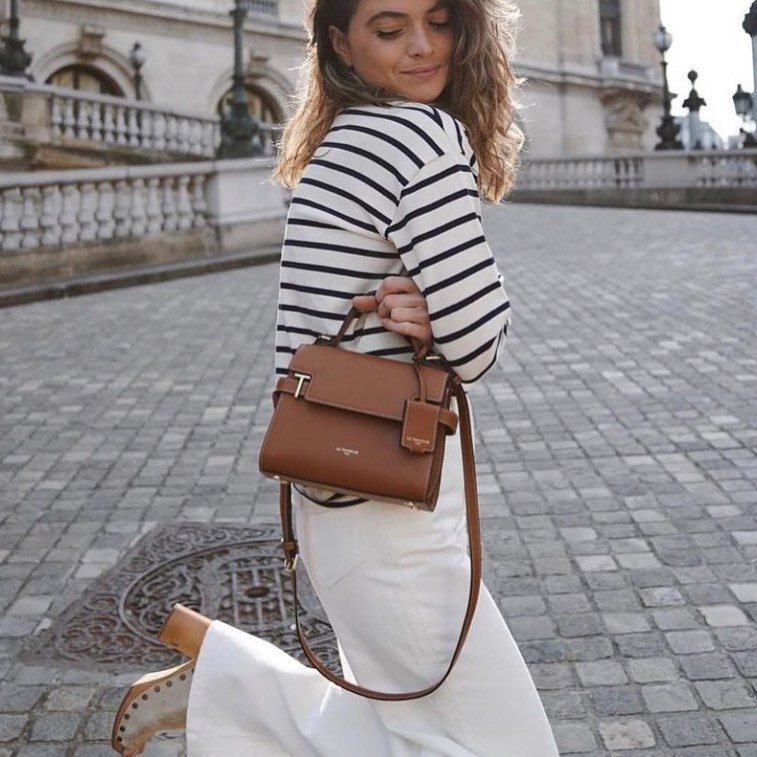
I used to think a bold, logo-heavy bag was the whole outfit. Then I actually walked around a busy plaza holding one and felt like I was carrying a sign that said Please distract me while someone takes my wallet.” It is one of the first things I now think about when I plan what not to wear in Spain.
A structured, low-key crossbody or shoulder bag in a simple leather tone does everything a flashy one does, minus the stress. It sits close to your body; it does not scream for attention in crowded markets or metro platforms, and it still looks intentional in every photo. That quiet confidence is exactly what I want when I think about what not to wear in Spain versus what actually works.
Budget Guide: A simple leather crossbody with a zip closure typically runs from $40 to $120 depending on the brand and size. You can find solid, well-made options at Target, Amazon, or through smaller leather goods shops online. Neutral tan or brown tends to go with everything and hides everyday wear better than black.
Skip The Full Glam Look Before A Day Of Sightseeing

Credit: makemeupmissa
I love a dramatic eye as much as anyone. I just learned the hard way that full glam and a ten-hour day outside in Spanish heat do not mix well. Thinking about what not to wear in Spain is not only about clothes; it is about makeup that actually survives the day you have planned.
Heavy shadow, thick liner, and a full face of product tend to shift, smudge, and slide once the sun really gets going, especially between late morning and early evening. What actually holds up is a light base, a bit of cream blush, and something waterproof around the eyes if you want any definition at all.
Budget Guide: A good waterproof eyeliner and a pack of blotting papers together usually cost under $20. You can find reliable versions at Target, Ulta, or Walmart. A tinted moisturizer with SPF built in is a smart daytime swap and generally runs from $15 to $35.
Skip the Oversized Beach Hat Once You Leave the Coast

Credit: modna_hty4ka
An enormous, wide-brimmed hat is stunning by the water. It becomes a genuine problem the second you step onto a crowded street, a narrow staircase, or a packed metro car. This is one of those what not to wear in Spain lessons that only really clicks once you have bonked a stranger with your brim.
Cities in Spain involve a lot of close quarters. Narrow sidewalks, tight cafe seating, crowded markets. A hat that needs a three-foot radius around your head becomes exhausting to manage after the first hour, and you end up carrying it more than wearing it.
Budget Guide: A packable straw hat with a moderate brim typically costs between $18 and $45. Amazon and Target both carry travel-friendly, crushable versions that bounce back into shape after being stuffed in a bag. Look for one labeled foldable or packable specifically.
Skip Flimsy Sandals on Cobblestone Streets
Credit: sara_yaben
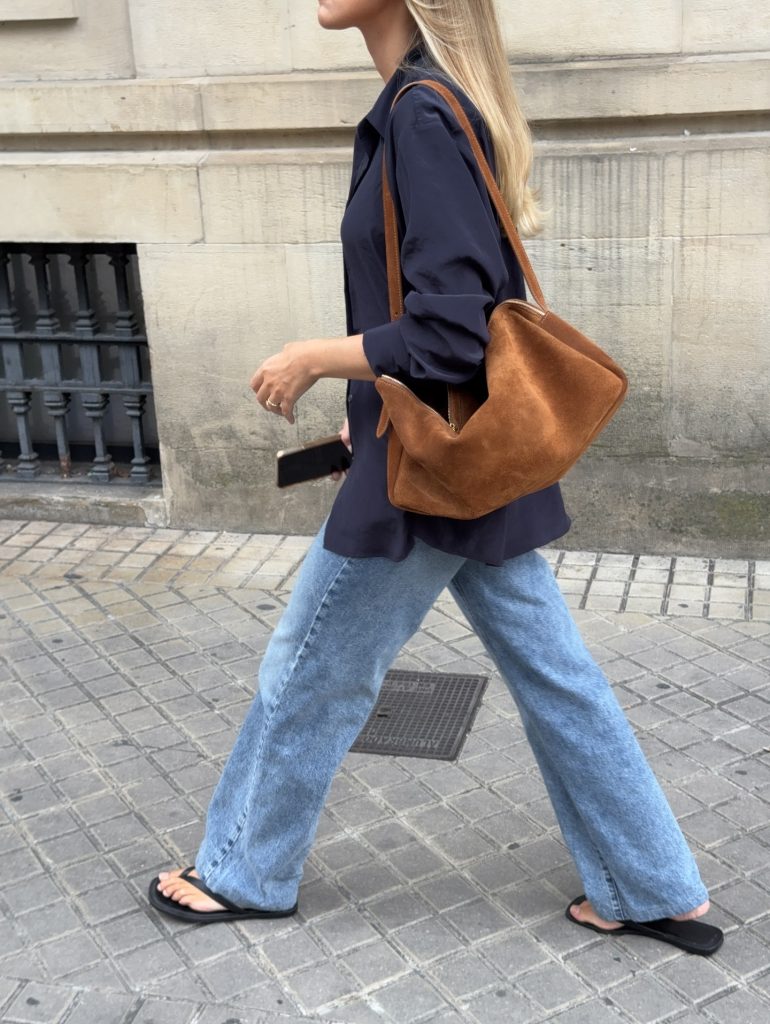
I know how tempting it is to pack the thinnest, most delicate sandals you own because they look effortless with everything. I made this mistake myself and spent an entire afternoon in Seville wincing every time my ankle rolled on uneven stone. This is the one item on my what not to wear in Spain list I wish I had believed before I packed.
Most historic centers in Spain are paved with old, uneven cobblestone, and it does not care how cute your shoes are. Thin straps with no real sole between your foot and the ground turn a lovely walk into a slow, careful shuffle by the second hour.
Budget Guide: A well-cushioned leather sandal with a proper sole generally runs from $35 to $80. Solid options show up regularly at Target, Amazon, and DSW. Look for a contoured or molded footbed if you plan on walking more than a few miles a day.
Skip Anything Too Short or Too Tight For Church and Cathedral Visits

Credit: symply_gifty
A fitted crop top and a bodycon mini skirt can be a genuinely great look for a night out. It becomes a real problem the moment you want to walk into a cathedral, a monastery, or many older churches across Spain, where shoulders and knees often need to be covered to get past the door. Figuring out what not to wear in Spain saved me from being turned away from a place I had traveled a long way to see.
Spain has an incredible amount of historic religious architecture, and much of it enforces a dress code, sometimes strictly. Showing up in something very short or very fitted can mean standing outside while everyone else walks in.
Budget Guide: A lightweight midi dress in breathable fabric typically costs between $25 and $60. Target, H&M, and Amazon all carry travel-friendly options in this range. A simple cotton scarf for shoulder coverage usually runs under $15.
Skip Wearing A Full Flamenco Gown As Everyday Sightseeing Wear

Credit: laflamencapresumia
A traditional flamenco dress is genuinely one of the most beautiful garments I have ever seen in person, with all those layered ruffles and that dramatic silhouette. It is also built for a very specific occasion, like a feria or a special celebration, not for wandering through a city on a regular Tuesday. Knowing this distinction is a big part of understanding what not to wear in Spain respectfully.
These dresses are heavy, structured, and honestly not made for hours of walking, sitting on trains, or ducking into small shops. Wearing one outside of the right setting can also come across as treating a meaningful cultural garment like a costume rather than the significant piece of dress it actually is.
Budget Guide: A polka dot midi dress inspired by traditional style typically costs between $30 and $70. Amazon and Zara both carry seasonal versions during spring and summer. If you need the real thing for an actual event, expect rental pricing to start closer to $80 depending on the region.
Skip Buying A Cheap Costume Version Instead Of The Real Thing
Credit: isabelhernandezflamenca
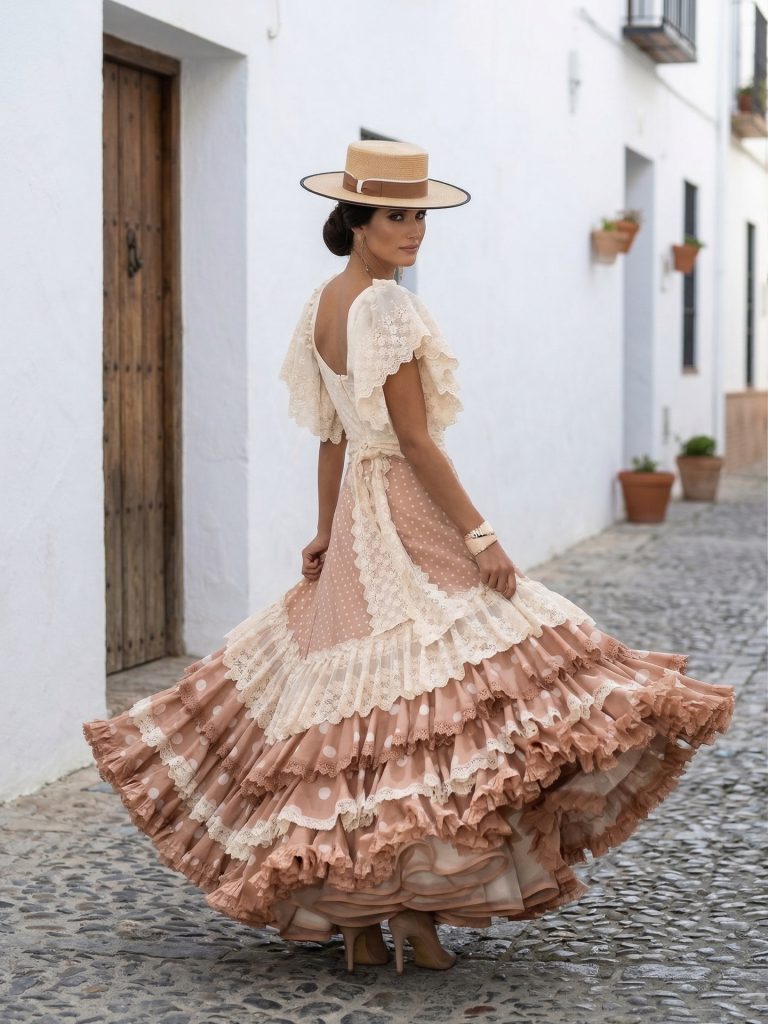
There is a real difference between a beautifully made traditional dress, with its fitted bodice and careful ruffled tiers, and the thin polyester version sold in a tourist shop for twenty dollars. I did not understand this difference until I saw both side by side, and it changed how I think about what not to wear in Spain when it comes to anything marketed as traditional.
The cheap costume versions tend to look stiff, shiny, and obviously synthetic in photos, which can read as more of a novelty item than genuine style appreciation. They are also usually less comfortable, since the fabric does not move or breathe the way real cotton or good quality blends do.
Budget Guide: A well-made traditional-inspired dress from a reputable local seller can range from $60 to $150 depending on detail and tiers. Etsy shops run by Spanish sellers are often a reliable source. Avoid the lowest-priced tourist shop versions if you want something that photographs and feels genuinely good.
Skip Restrictive, Heavy Fabrics In The Afternoon Heat

Credit: knockknock.th
Tight jeans and heavy fabrics might feel like a safe, put-together choice, but Spanish afternoons in the warmer months are no joke, especially in cities further south. Heat like that changes everything about what not to wear in Spain, no matter how good an outfit looks in your bathroom mirror at home.
Restrictive waistbands and thick denim get uncomfortable fast once you are walking for hours between sights, and heat like that does not really let up until evening. Wide-leg trousers in a lightweight cotton or linen blend give you the same relaxed, put-together look with actual room to breathe.
Budget Guide: Lightweight wide-leg trousers in linen or cotton blends typically cost between $30 and $65. Target, Amazon, and H&M all carry versions suited to travel. Look for a wrinkle-resistant blend if you plan on packing light and rewearing pieces.
What I Actually Learned About Dressing For A Place, Not A Photo
Every single one of these lessons came from the same place. I kept dressing for how I imagined a photo would look instead of how the actual day would feel once I was living inside it.
That shift in thinking changed how I pack for every trip now, not just Spain. I ask myself if I can walk in something for six hours, sit in it comfortably, and still feel like myself by the end of the day.
Comfort and style were never actually in competition the way I used to think they were. The pieces that worked best were almost always the simplest ones, chosen with a little more intention than I used to give my suitcase.
I also learned that respecting local dress codes, whether that is a cathedral or a cultural tradition like flamenco, is not about restriction. It is about actually caring enough to get it right instead of assuming any outfit works everywhere.
None of this means dressing plain or playing it safe. It means packing things that hold up to real movement, real heat, and real moments, so you spend your trip enjoying the place instead of managing your outfit.
A Few Final Thoughts Before You Pack
Thinking through what not to wear in Spain before you go is really just a way of protecting your own trip. Every choice on this list came from a real moment where the wrong item made a good day harder than it needed to be.
You do not need a whole new wardrobe to get this right. A few small swaps, a bit more attention to fabric and shoes, and some awareness around cultural context will carry you through almost any city or coastal town you visit.
I hope some of this saves you the blisters, the sweat, and the standing outside a cathedral door that I had to learn the hard way. Pack with the actual day in mind, not just the photo, and the rest tends to fall into place on its own.