
Join Our Newsletter for Cozy Home Inspiration, Family Fun, and Delicious Recipes Every Week
Under Deck Skirting Ideas That Finally Solve the Ugly Gap Problem

Disclaimer. Some images featured in this post may originate from third-party sources and are used for illustrative purposes only. Please review our Image Credits Policy for attribution information.
I stood outside, staring at the gap beneath our deck for an entire summer. It was not dangerous. It was not broken. It was just unfinished, and every time I looked at it, I felt like the whole back of our house looked incomplete.
We had put so much work into the deck itself. The stain, the furniture, and the string lights. And then you stepped back to look at the whole picture, and the open space underneath undid everything. It looked like someone forgot to finish the job.
Under deck skirting was not something I had ever thought about by name until I started searching for a fix. Once I found the term, I fell into a rabbit hole of before-and-after photos that made the solution feel genuinely exciting rather than just practical.
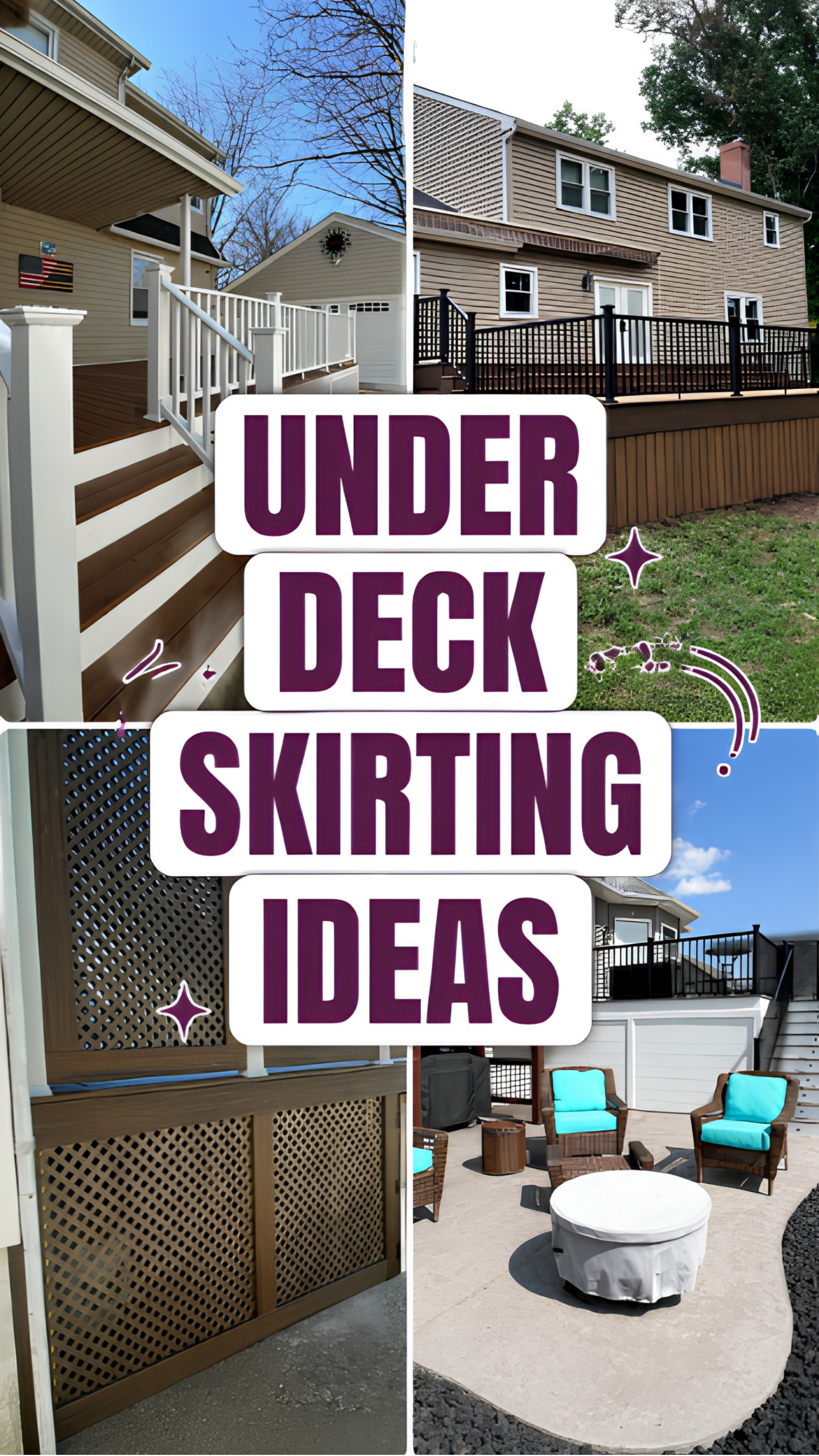
I started saving everything I found. Lattice panels in warm brown frames. Solid white vertical board skirting. Framed composite panels that matched the deck surface. Each one solved the same problem in a completely different way, and the difference to the overall exterior of the house was remarkable in every case.
What I had not understood before I started looking was how much the space beneath a deck communicates visually. An open, unfinished gap reads as an oversight. A properly skirted base reads as a decision. That shift from accidental to intentional is what changes how the whole house looks from the yard or the street.
I also noticed that many of the best under deck skirting solutions were doing more than just covering an ugly gap. They were creating hidden storage access with hinged panels. They were adding texture and warmth to what would otherwise be a blank architectural void. They were making the deck look like it had always belonged there.
The most satisfying under deck skirting solutions were the ones that matched the material or finish of something else on the house. When the skirting echoed the deck color, the house siding tone, or the fence material nearby, the whole yard looked cohesive in a way that was deeply satisfying.
I eventually chose a solution that worked for our specific setup, and it made the back of our house look more finished than anything else we had done to it. That feeling is what I want to share with every mom who has stood in her yard and felt that same low-grade frustration about an unfinished detail she could not quite name.
These five ideas are the ones that made the biggest impression on me and that work beautifully in real homes with real budgets.
What We're Exploring
- 01 White Vinyl Spindle Skirting With Lattice Panels That Makes a Porch Look Complete
- 02 Composite Skirting With Vertical Board Detail That Matches the Deck and Looks Custom Built
- 03 Mom Notes
- 04 Natural Cedar Skirting With Bronze Balusters That Brings Warmth to a Cedar Shake Exterior
- 05 A Framed Lattice Skirting Wall With Hidden Storage Access That Does Double Duty
- 06 A Patio and Elevated Deck Combination With White Skirting That Creates Two Distinct Outdoor Zones
- 07 Why Under Deck Skirting Is the Most Overlooked Upgrade in Any Backyard
- 08 Quick Takes
White Vinyl Spindle Skirting With Lattice Panels That Makes a Porch Look Complete
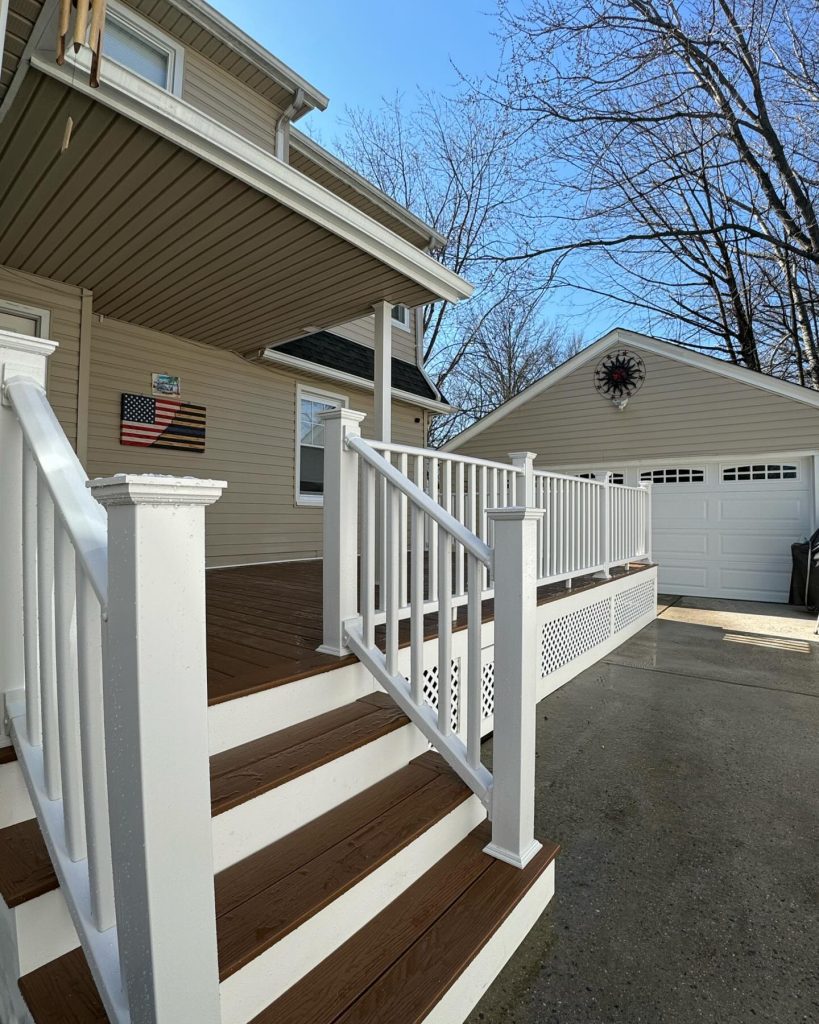
Under deck skirting in white-painted vinyl or PVC spindle style with framed lattice inserts is one of the most timeless and clean-looking solutions available for a classic American home exterior. The combination of white vertical spindles across the base of the deck and white-framed lattice panels positioned at strategic intervals creates a cohesive finished look that suits any house with white trim, a covered porch, or a traditional architectural style. It reads as considered and permanent from the moment it is installed.
BHG.com consistently recommends ventilated skirting styles for elevated decks precisely because of the moisture management benefits alongside the visual improvement.
Budget Note: White vinyl spindle railing and skirting kits range from $80 to $200 per section at Home Depot or Lowe’s. White vinyl lattice panels range from $20 to $45 each at most home improvement stores.
Composite Skirting With Vertical Board Detail That Matches the Deck and Looks Custom Built
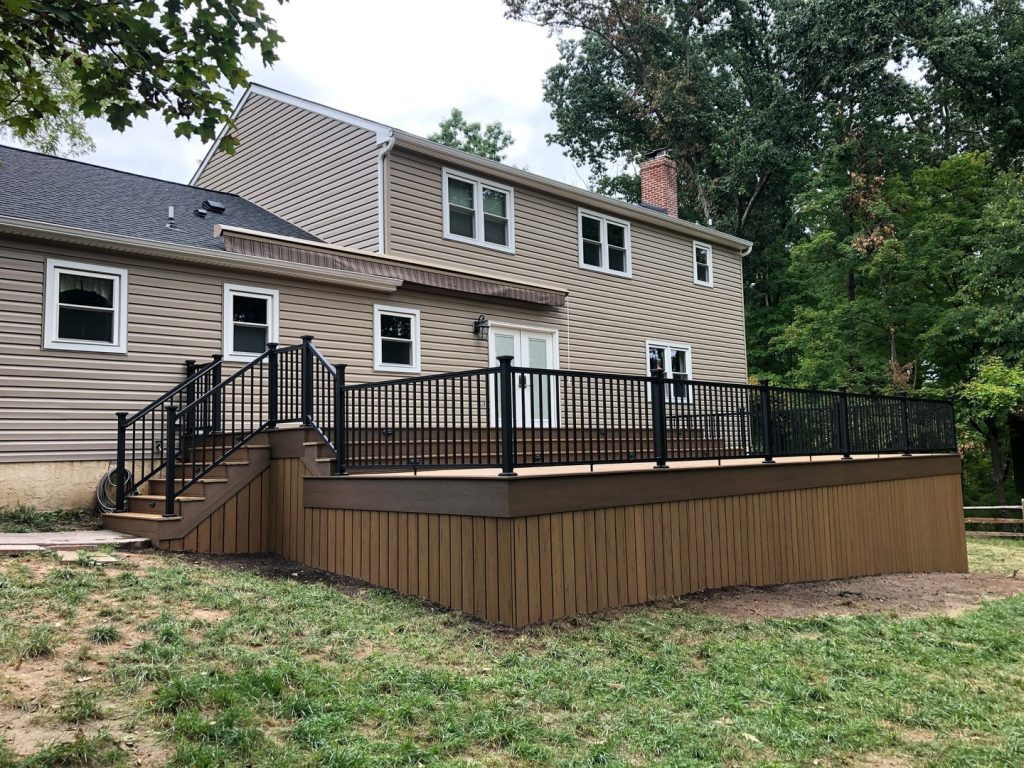
Under deck skirting in composite vertical board that matches or closely coordinates with the deck surface above is the solution that consistently produces the most polished and intentional finished exterior. When the skirting material is the same tone as the deck boards, and the framing is finished in a complementary darker shade, the deck reads as a unified architectural element rather than a surface floating above an unresolved gap.
The vertical board orientation of the composite skirting creates a clean, modern line that reads well from a distance. It is particularly effective against beige, tan, or grey siding because the warm brown tone of cedar-toned composite creates a natural contrast that grounds the structure visually without competing with the house exterior. HGTV.com notes that matching under deck skirting to the deck board color is one of the most effective approaches to creating a cohesive backyard exterior that looks professionally designed.
Budget Note: Composite deck skirting boards typically range from $3 to $9 per linear foot at Home Depot, Lowe’s, or specialty deck suppliers. A full skirting installation for a mid-size elevated deck typically runs $800 to $2,500 in materials depending on size.
Mom Notes
Before you choose any under deck skirting style, check your local building codes first. Some municipalities require ventilation gaps in deck skirting or restrict fully enclosed bases on elevated structures. A quick call to your local permit office takes ten minutes and saves you from installing something you have to redo. Most inspectors are genuinely helpful when you ask early in the project rather than after the work is done. Plan first, build once.
Natural Cedar Skirting With Bronze Balusters That Brings Warmth to a Cedar Shake Exterior
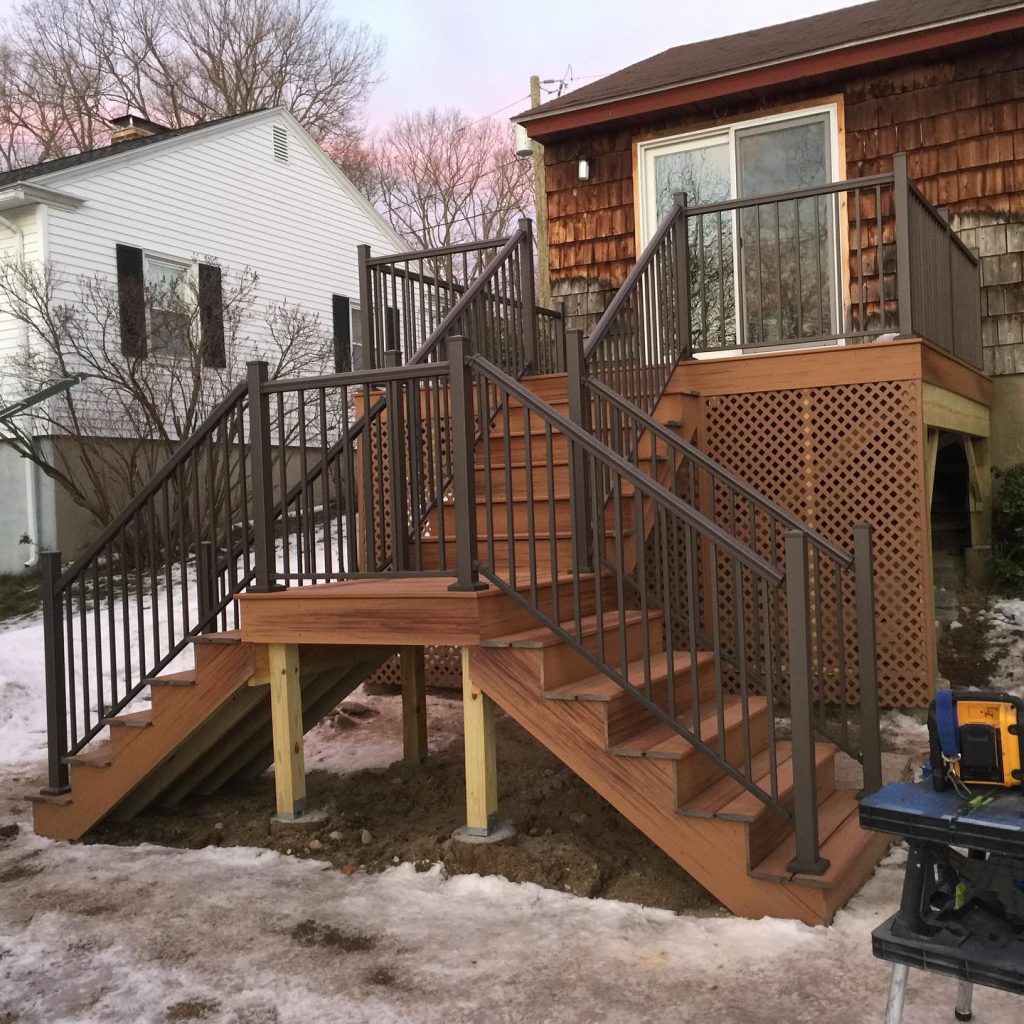
Natural cedar or redwood skirting boards combined with bronze or oil-rubbed bronze aluminum balusters create the warmest and most organic-feeling version of under deck skirting, and it suits cedar shake siding, brick exteriors, and any home that already leans into natural wood tones across the exterior.
This style of under deck skirting requires more maintenance than composite alternatives but rewards that investment with a warmth and material authenticity that genuinely improves with age. Cedar weathers beautifully when properly sealed, developing a silver-grey patina that suits rustic and coastal home styles particularly well. Apartment Therapy consistently recommends natural cedar for deck and exterior projects where homeowners prioritize character and warmth over low-maintenance convenience.
Budget Note: Cedar deck skirting boards range from $2 to $6 per linear foot at lumber yards or Home Depot. Bronze or oil-rubbed bronze aluminum balusters range from $5 to $12 each at deck specialty suppliers or Amazon.
A Framed Lattice Skirting Wall With Hidden Storage Access That Does Double Duty
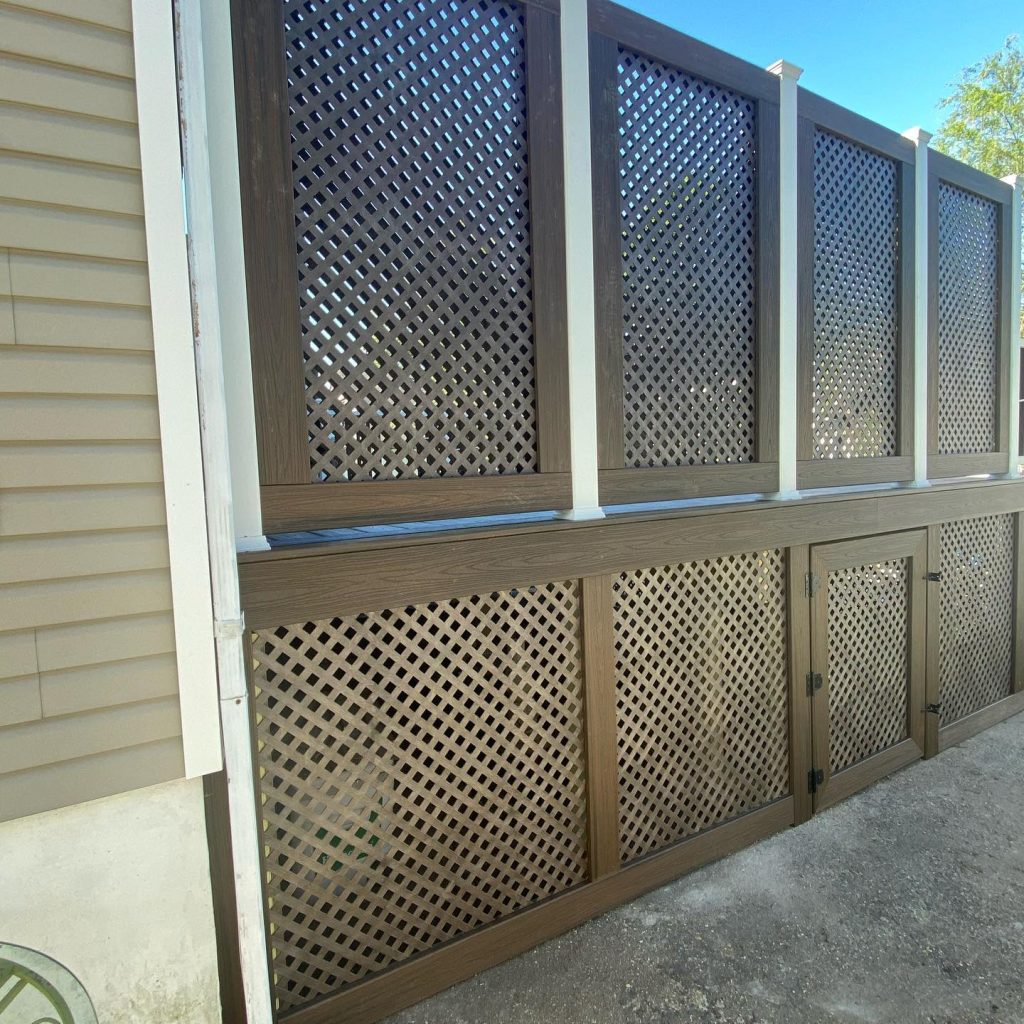
Under deck skirting built from framed lattice panels in a warm brown or taupe composite finish is one of the most practical and most visually clean solutions available for homeowners who need to conceal a large structural base. The lattice panels framed in composite post and rail material create a modular wall of diamond-pattern screens that allows airflow, reduces visual weight, and conceals everything beneath the deck without creating a solid barrier that traps moisture or heat.
A dual-level installation using the same lattice panels for both above-deck privacy screening and below-deck skirting creates a visual consistency that makes the whole back of the house look considered from foundation to roofline. When the same material appears at multiple elevations, the eye reads the exterior as unified and complete.
Good Housekeeping recommends using consistent materials across multiple exterior features as one of the most cost-effective ways to achieve a cohesive home exterior without a full renovation.
Budget Note: Composite lattice panels in brown or taupe typically range from $25 to $60 each at Home Depot or Lowe’s. Hinged access door frames for lattice skirting range from $40 to $90 at specialty deck suppliers or Amazon.
A Patio and Elevated Deck Combination With White Skirting That Creates Two Distinct Outdoor Zones
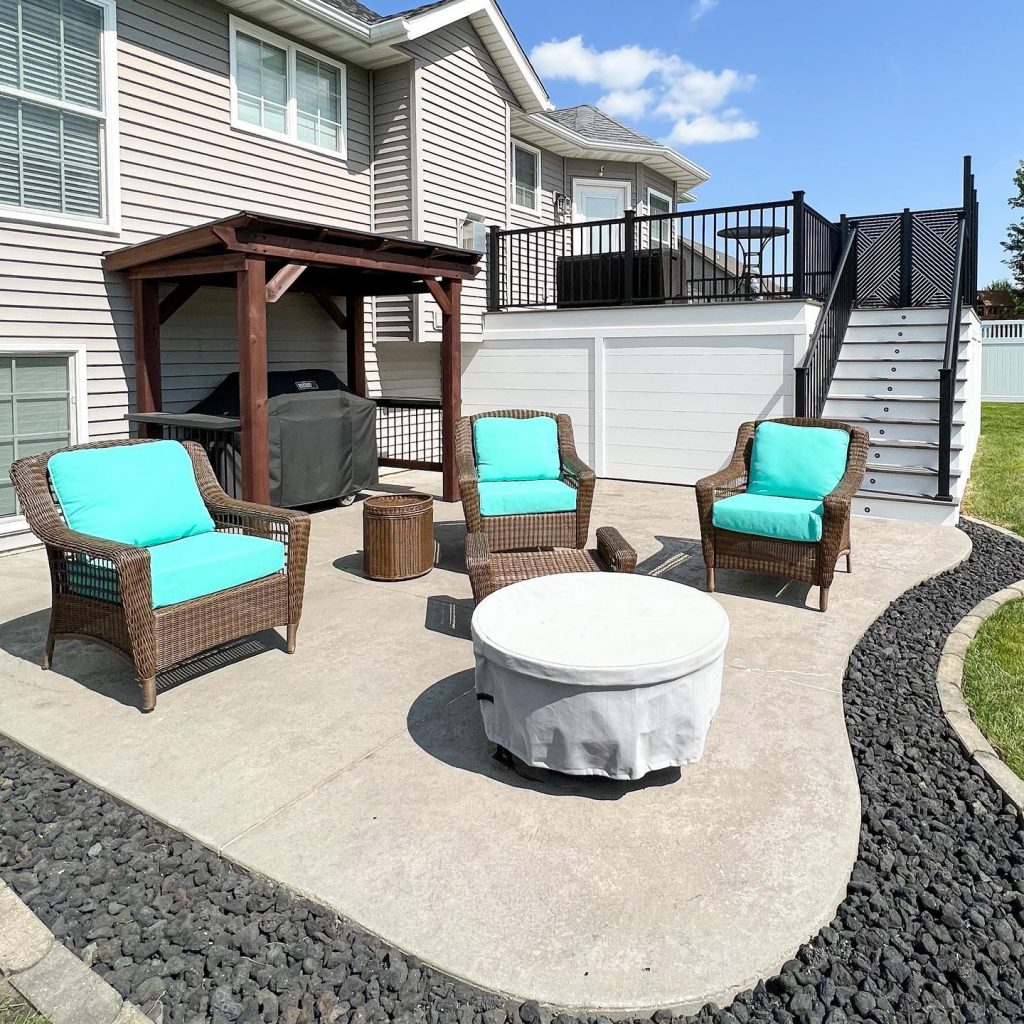
Under deck skirting becomes most meaningful when the space below the elevated deck is being used as a lower-level living area, and clean white vertical board skirting creates the most polished transition between the two outdoor zones.
The clean white skirting behind the lower patio furniture creates a backdrop that makes the outdoor furniture pop and gives the seating area a defined sense of enclosure without building walls. It functions as the visual anchor of the lower zone in the same way that a painted accent wall functions inside a room.
This is one of the most creative applications of under deck skirting because it turns a structural necessity into a genuine design element. RealSimple.com recommends treating exterior skirting as a design feature rather than a purely functional element for exactly this reason.
Budget Note: White composite vertical board skirting typically ranges from $4 to $10 per linear foot. Wicker patio chairs with cushions range from $150 to $400 per set at Target, Wayfair, or HomeGoods.
Why Under Deck Skirting Is the Most Overlooked Upgrade in Any Backyard
Under deck skirting sits in a category of home improvement that most people only notice after it is done. Nobody walks into a yard and says, ” Wow, look at that beautifully skirted deck base. But everyone notices when a deck is unskirted, even if they cannot name what is bothering them. That gap between the deck and the ground is one of the strongest visual signals that a project was left unfinished.
The decision to skirt a deck base is also a decision about how the whole yard communicates. A finished base tells visitors and neighbors that the homeowners paid attention to every level of the exterior, not just the surfaces where people sit and gather. That sense of completeness is what distinguishes a home that looks cared for from one that looks maintained to a minimum.
Quick Takes
White vinyl spindle with lattice inserts is the most classic option, suited to homes with white trim and traditional architecture where the skirting needs to feel timeless.
Composite vertical board matching the deck is the most polished and cohesive option, producing a unified exterior that reads as custom-built from every angle.
Natural cedar with bronze balusters is the warmest and most organic choice, best suited to cedar shake, brick, or rustic home styles where natural materials are already part of the exterior story.
Framed lattice with hidden storage access is the smartest functional option, combining visual finish with practical under-deck storage through built-in hinged panel doors.
White skirting with patio below and upper deck combination is the most creative application, using the skirted base as a backdrop that defines and elevates a lower-level outdoor living zone.
Under deck skirting also protects the structural elements beneath the deck from direct sun exposure, animal intrusion, and the general weathering that comes with being left open to the elements. The practical case for skirting is as strong as the aesthetic one, which makes it one of the rare exterior upgrades that earns its value on both fronts.
Material choice matters more with under deck skirting than with almost any other exterior element because the skirting is seen in the context of everything around it. The deck surface above, the siding behind, the fence, or landscape beside it. Choosing a skirting material that connects to at least one of those surrounding elements is what makes the installation look considered rather than added on.