
Home Decor, Kitchen Ideas, Garden Tips & DIY Projects
8 Invasive Herbs That Want To Take Over

Photo Credits: All photos in this post are credited to their creators on Instagram. Want a photo removed or credited differently? Email [email protected]. See our Image Credits page for details.
I am standing in the garden with a small hand fork, trying to make room for a few new plants along the edge of a raised bed.
I pull out one unwanted stem, turn around to collect my gardening gloves, and notice another little shoot coming up in almost the same spot.
Some plants seem to have a plan of their own, and an invasive herb can quickly become the plant that decides where everything else grows.
I love growing herbs because they make a garden useful as well as beautiful.
I do not think vigorous plants are necessarily bad choices. Many are productive, attractive, and useful, especially when you understand how they grow and give them enough space.
The problem starts when we plant something without considering how quickly it can spread. Before long, a little herb patch can become difficult to manage, particularly when neighboring plants are smaller or slower growing.
I prefer to think about the long term before putting anything in the ground. I consider how large a plant might become, whether it spreads through roots or seeds, and whether I will be able to control it without disturbing the rest of the garden.
I still enjoy growing plants with strong personalities. I just think they deserve a little planning before they receive a permanent place in the garden.
Catnip Can Spread Far Beyond Its Original Planting Spot
Credit: aspen.jazz.and.tilly
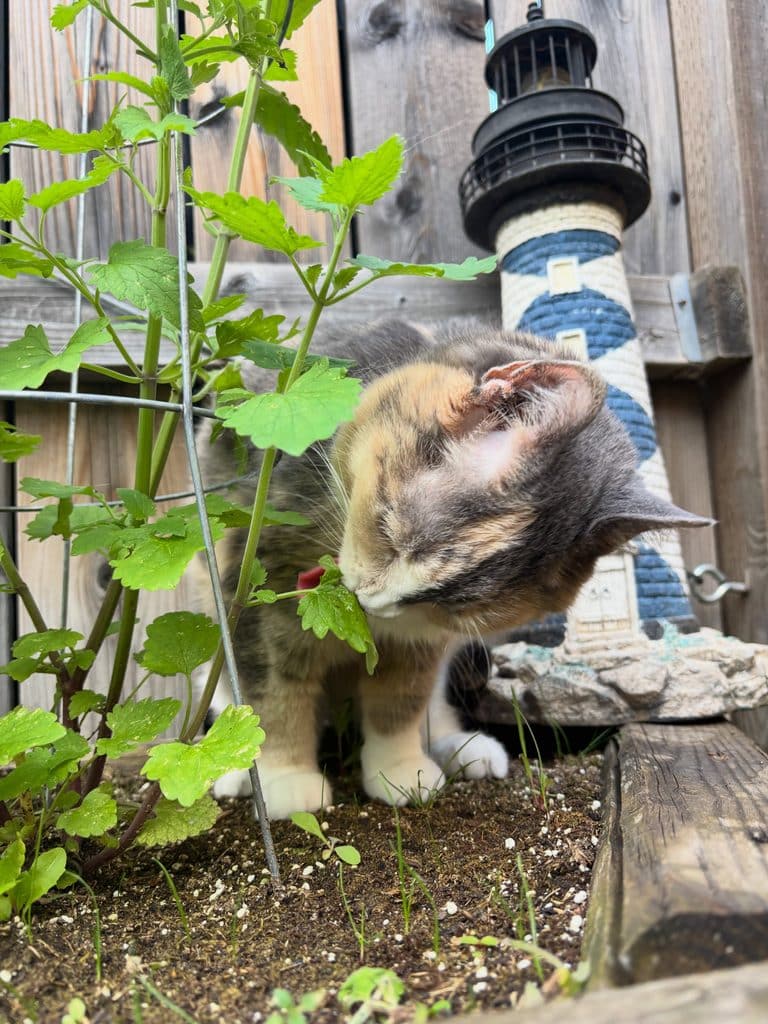
Catnip is a fun addition to a home garden, especially if you have cats that enjoy rubbing against fragrant leaves. It is a hardy perennial that can grow into a generous clump, and its flowers also bring useful activity from visiting pollinators.
I also like the idea of growing catnip in a spot where it is easy to reach and trim. If you have curious cats, consider protecting young plants until they become established. For more growing information, the University of Wisconsin Extension guide to catnip explains its growth habits and how to reduce unwanted reseeding.
Budget Guide: Catnip starter plants generally cost $4 to $12, while medium containers can range from $8 to $20. Look at Amazon, Walmart, or local garden centers for affordable options.
Pennyroyal Needs a Carefully Chosen Invasive Herb
Credit: gnarlasjac
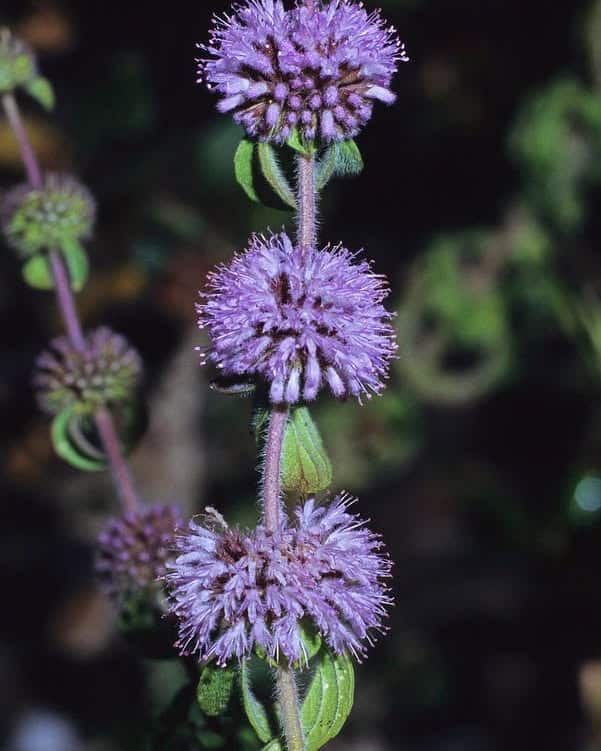
Pennyroyal is a member of the mint family and is known for its spreading growth habit. Like other members of this plant family, it can occupy more space than expected when its growing conditions are favorable.
For general information about spreading mountain mint relatives, Penn State Extension explains how vigorous members of this plant family can grow through underground stems.
Budget Guide: Small specialty herb plants generally cost $5 to $15, while suitable containers range from $10 to $25. Check specialist nurseries and local garden centers, and avoid purchasing unidentified plants.
Fennel Can Scatter Seeds Across Your Garden
Credit: condifesa.ravenna
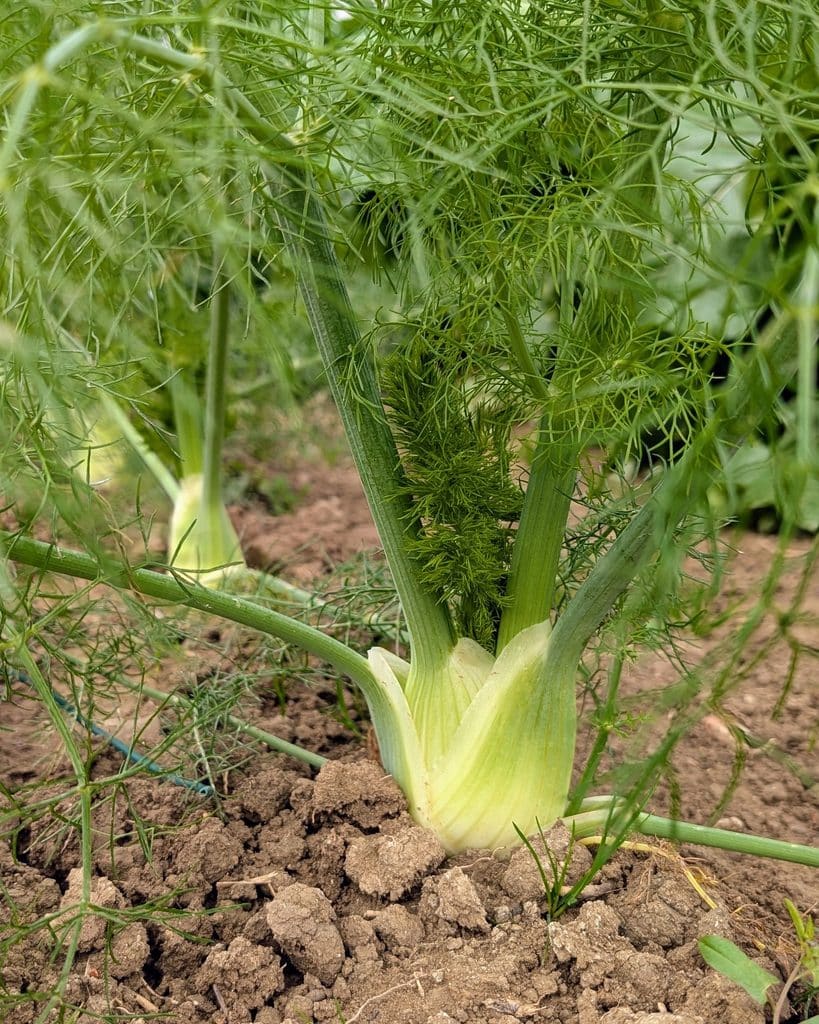
Fennel is one of those plants that can make a garden feel wonderfully productive. Its delicate foliage has a distinctive fragrance, and the swollen base of Florence fennel is useful in all kinds of everyday meals.
It is also important to understand the difference between Florence fennel and common or bronze fennel. Some types are grown mainly for their foliage and seeds, while Florence fennel is cultivated for its edible bulb.
The North Carolina State Extension plant guide explains fennel’s growing requirements and its tendency to self-seed.
Budget Guide: Fennel seed packets usually cost $2 to $6, while established plants can range from $5 to $15. You can find seeds at garden centers, Walmart, and online gardening stores.
Comfrey Can Regrow From Small Pieces of Root
Credit: ravensongherbals
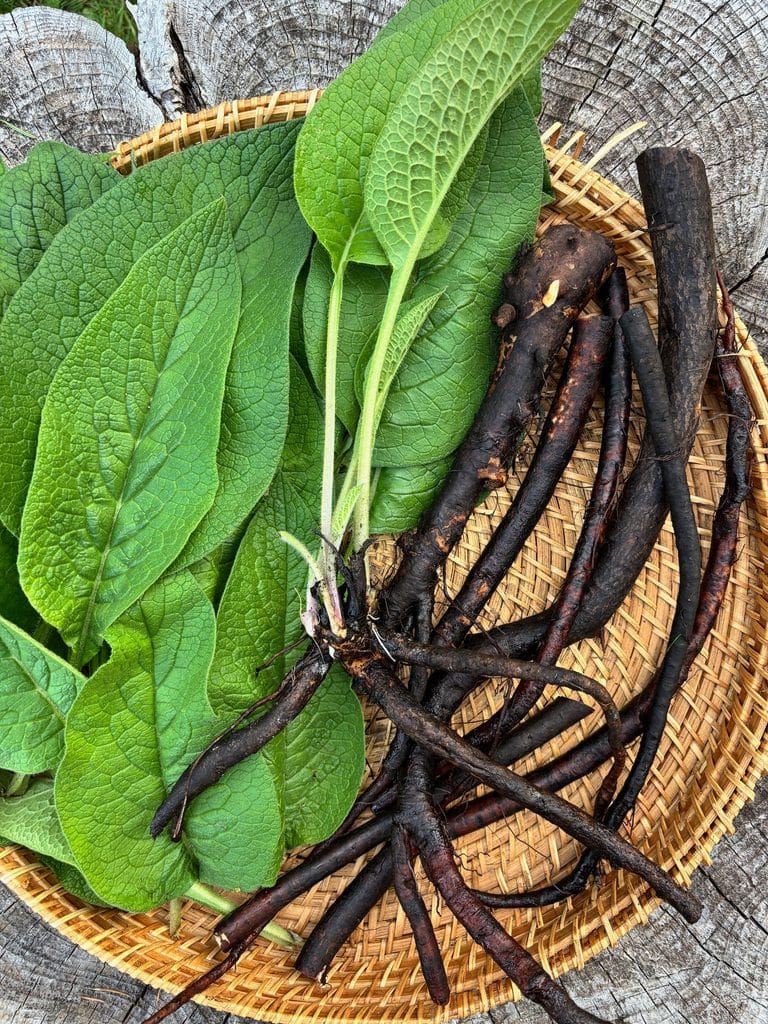
Comfrey is a plant that deserves some serious thought before it receives a permanent place in the garden. It has large leaves and a vigorous root system, and some varieties are known for spreading through underground growth.
Another thing I would avoid is digging around the plant without collecting the root pieces carefully. Even a small fragment can create another growing point, so removing unwanted roots requires patience.
A useful reference is the North Carolina State Extension comfrey guide, which explains its creeping underground growth.
Budget Guide: Comfrey starter plants generally cost $5 to $15, while larger containers can cost $15 to $35. Check specialist herb nurseries, Amazon, and local garden centers for available varieties.
Oregano Can Spread Through Underground Stems
Credit: trigplanter
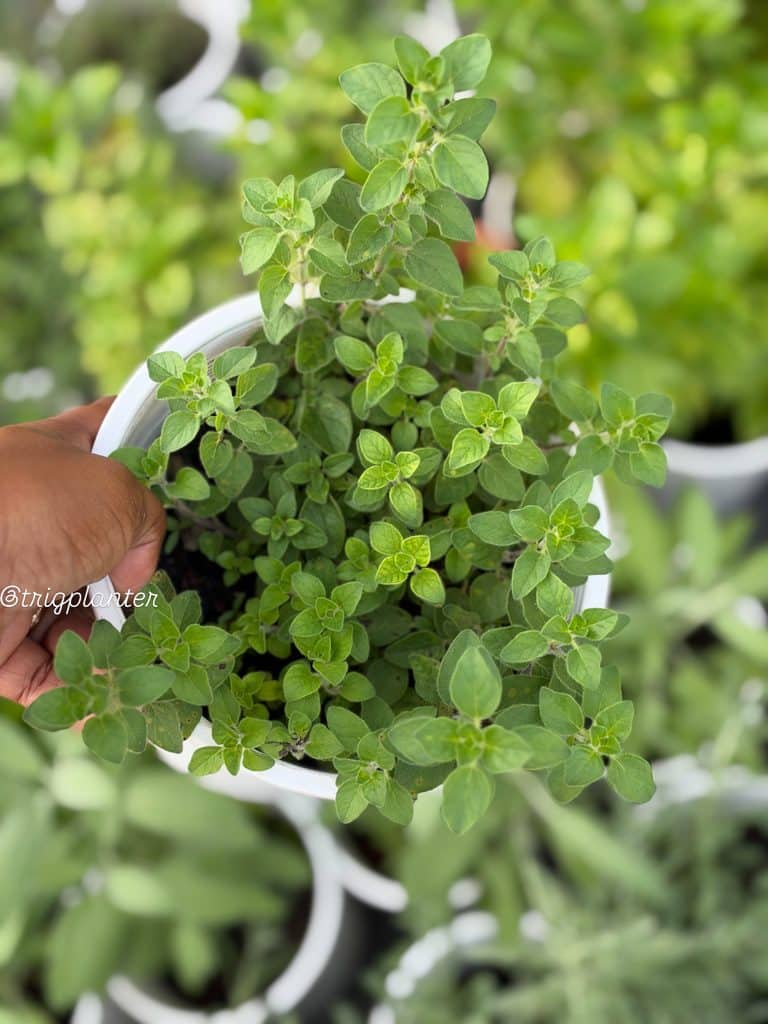
Oregano is one of the most useful herbs to have close to the kitchen. I love the idea of picking a few fresh leaves for homemade tomato sauce, roasted vegetables, or a simple pizza without needing to buy another packet from the grocery store.
One detail worth remembering is that different oregano varieties can behave differently. Before planting, check whether the variety is a compact culinary type or a more vigorous spreading selection. For more information about its growth habits, the University of Georgia Cooperative Extension herb guide discusses oregano and its underground spreading stems.
Budget Guide: Oregano starter plants usually cost $3 to $10, while medium herb containers range from $8 to $25. Look at Home Depot, Walmart, Amazon, or a nearby nursery for suitable options.
Lemon Balm Can Fill Empty Spaces With New Seedlings
Credit: fromtheroots_nepal
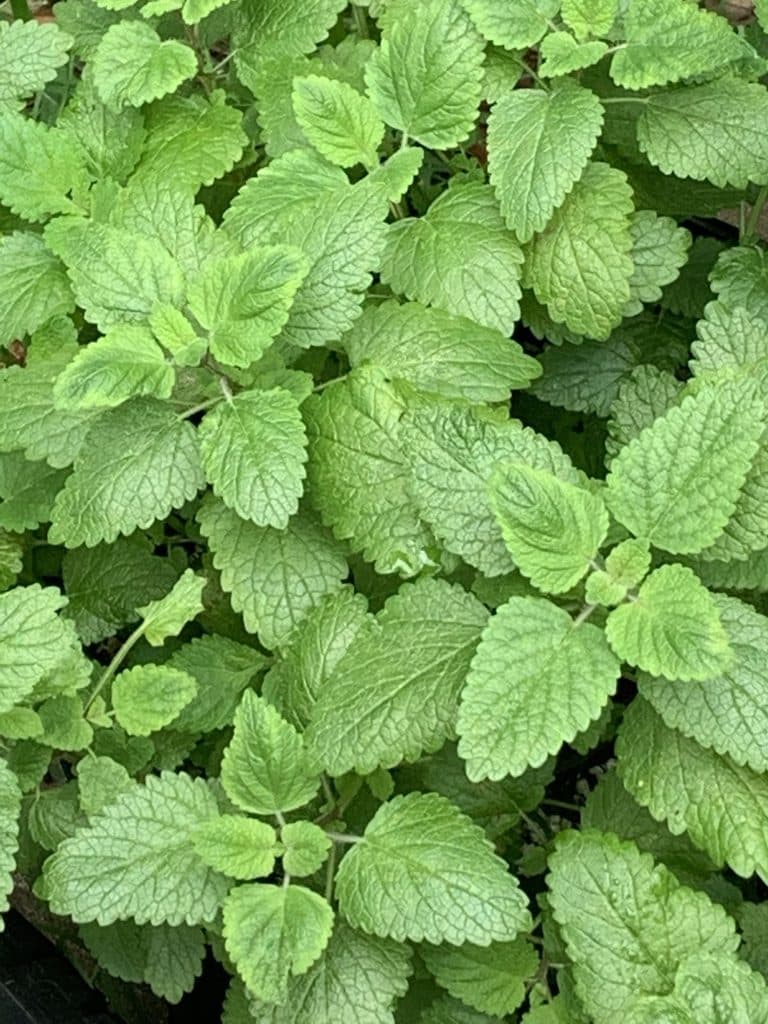
Lemon balm is one of those herbs that makes a garden feel welcoming. Its leaves have a fresh lemon scent, and I like the idea of keeping a small supply nearby for homemade tea and refreshing drinks.
The University of Illinois Extension lemon balm guide explains how this perennial spreads by seed and how removing flower stalks can help prevent unwanted growth.
Budget Guide: Lemon balm starter plants generally cost $4 to $12, while attractive containers can range from $10 to $25. Check local nurseries, Walmart, Amazon, and Home Depot for affordable options.
Mint Can Take Over a Garden Bed Through Its Runners
Credit: brittfitness18
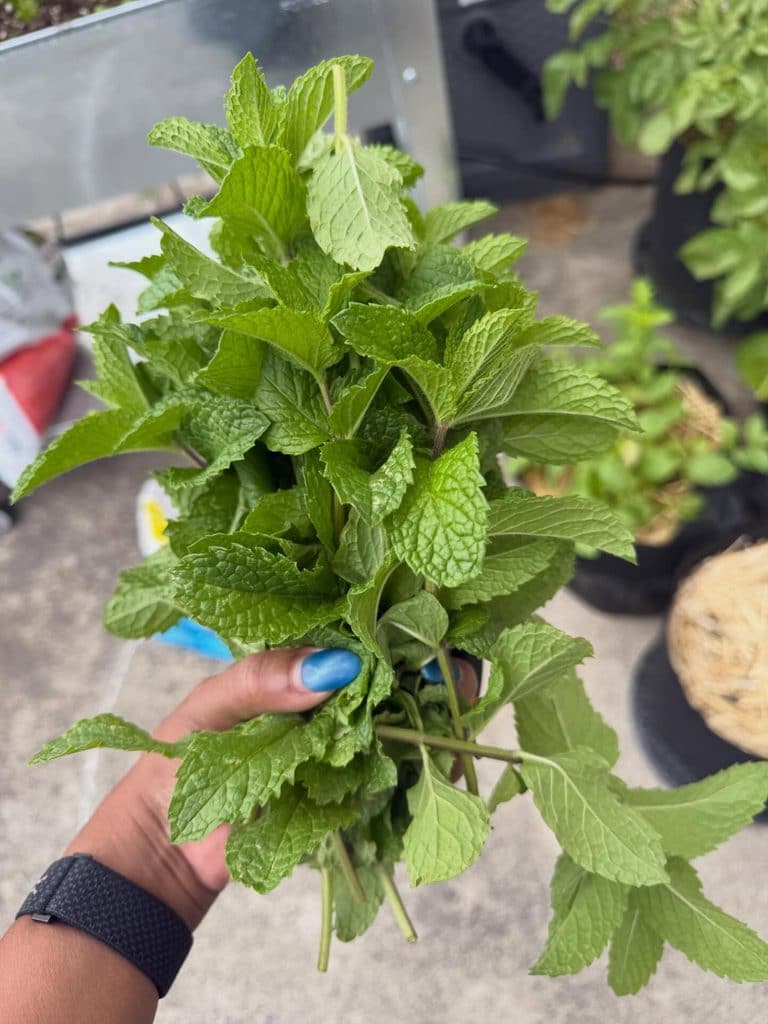
Mint is probably one of the first herbs I think about when someone mentions plants that spread aggressively. It is useful, fragrant, and easy to harvest, but its underground runners can quickly carry it beyond the space where it was originally planted.
The University of Maryland Extension mint guide recommends containers as a practical way to prevent mint from spreading throughout the garden.
Budget Guide: Mint starter plants generally cost $3 to $10, while a 12 to 16 inch container can cost around $10 to $30. You can find suitable options at IKEA, Amazon, Walmart, and local garden centers.
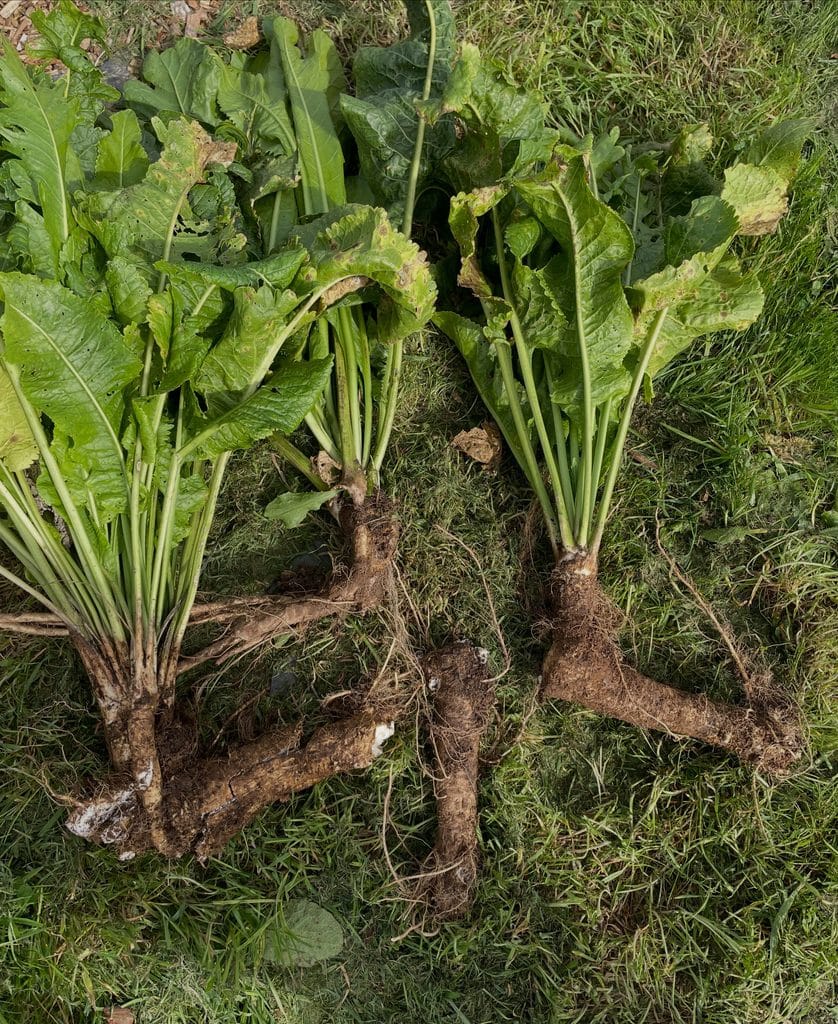
Horseradish Can Regrow From Leftover Root Pieces
Credit: plant.preparations
Horseradish is a useful plant if you enjoy strong flavors in homemade sauces and meals. Its roots have a distinctive sharp taste, and even a small amount can add plenty of character to a dish.
I would make annual harvesting part of the maintenance routine. Removing the roots carefully and checking the surrounding soil helps reduce the chance of unwanted regrowth. The Utah State University Extension horseradish guide explains how gardeners can use containers to control its spread.
Budget Guide: Horseradish root starts generally cost $5 to $12, while large containers can range from $15 to $40. Check garden centers, Amazon, and specialist vegetable gardening suppliers for suitable planting materials.
How I Keep Aggressive Herbs Under Control Without Giving Them Up
I do not think the answer to every spreading plant is to remove it from the garden.
The first thing I would do is separate plants according to their growth habits.
I also like keeping a small notebook of planting dates and maintenance tasks.
Another habit I would recommend is checking around the edges of containers and raised beds.
The most useful lesson for me is that a little planning can make a big difference in how enjoyable a garden becomes.
Growing an invasive herb does not have to mean losing control of the entire planting area, as long as you understand its habits and give it the right boundaries.