
Home Decor, Kitchen Ideas, Garden Tips & DIY Projects
7 Perennial Herbs to Grow in Your Garden

Photo Credits: All photos in this post are credited to their creators on Instagram. Want a photo removed or credited differently? Email [email protected]. See our Image Credits page for details.
I am standing in my garden with a small pair of pruning scissors in one hand and a little basket in the other.
I have been picking a few fresh leaves for lunch, and I keep thinking about how nice it is to have herbs growing just a few steps away from the kitchen.
There is something special about growing your own herbs.
You do not need a huge vegetable garden or an entire weekend to enjoy fresh ingredients at home.
I especially love plants that return year after year because they make gardening feel a little easier.
Once established, many perennial herbs can provide fresh leaves and flavor across multiple growing seasons without needing to be replanted every spring.
That is one reason I keep making room for a perennial herb whenever I have an empty corner in the garden.
It gives me something useful to care for, and I love being able to walk outside and pick exactly what I need.
I also think herbs are some of the most rewarding plants for beginners. Many varieties grow happily in raised beds and small garden borders, which means you can enjoy them even if you do not have much outdoor space.
Another thing I appreciate is how useful they are in everyday cooking.
A few leaves of mint can make a refreshing drink, fresh oregano works beautifully in tomato dishes, and rosemary adds a lovely aroma to roasted vegetables.
Sage Is a Wonderful Herb to Keep Close to the Kitchen
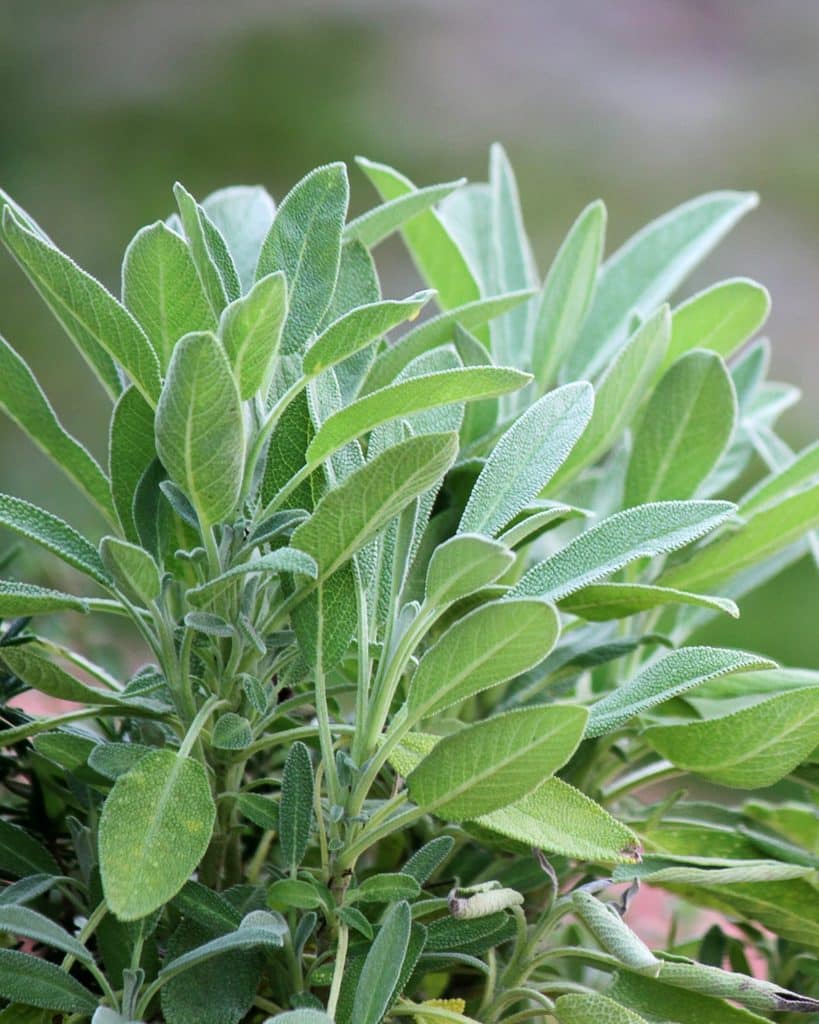
Credit: oh_plants_
One thing I would recommend is pruning lightly after flowering and removing old or damaged stems. This helps maintain a tidy shape and encourages fresh growth.
For more growing information, the Royal Horticultural Society has useful advice about caring for sage.
Budget Guide: Small sage plants generally cost around $4 to $12, while a bag of quality potting mix can cost $8 to $18. You can find suitable plants at local nurseries, garden centers, and Home Depot.
Mint Makes Everyday Drinks and Meals More Enjoyable
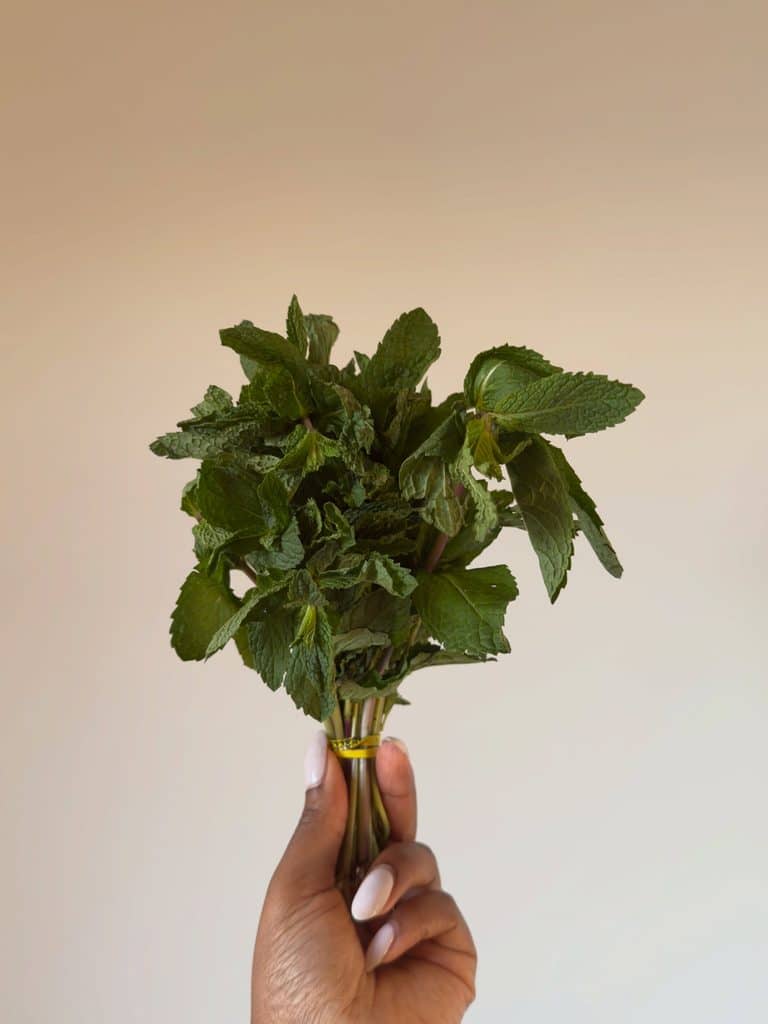
Credit: goodgutgyal
For anyone starting a perennial herb collection, mint is a practical choice because it is easy to harvest and useful in so many recipes. Just remember that some varieties may need protection in colder climates.
I also like keeping a pot near an outdoor seating area. The fresh scent makes the space feel pleasant, and the leaves are always close when I want to prepare a drink.
The Old Farmer’s Almanac offers helpful information about growing and maintaining different mint varieties.
Budget Guide: Mint starter plants usually cost around $3 to $10, while medium gardening containers range from $8 to $25. Look at Walmart, Amazon, IKEA, or your local garden center for affordable pots.
Oregano Is Perfect for a Garden That Supplies Your Kitchen
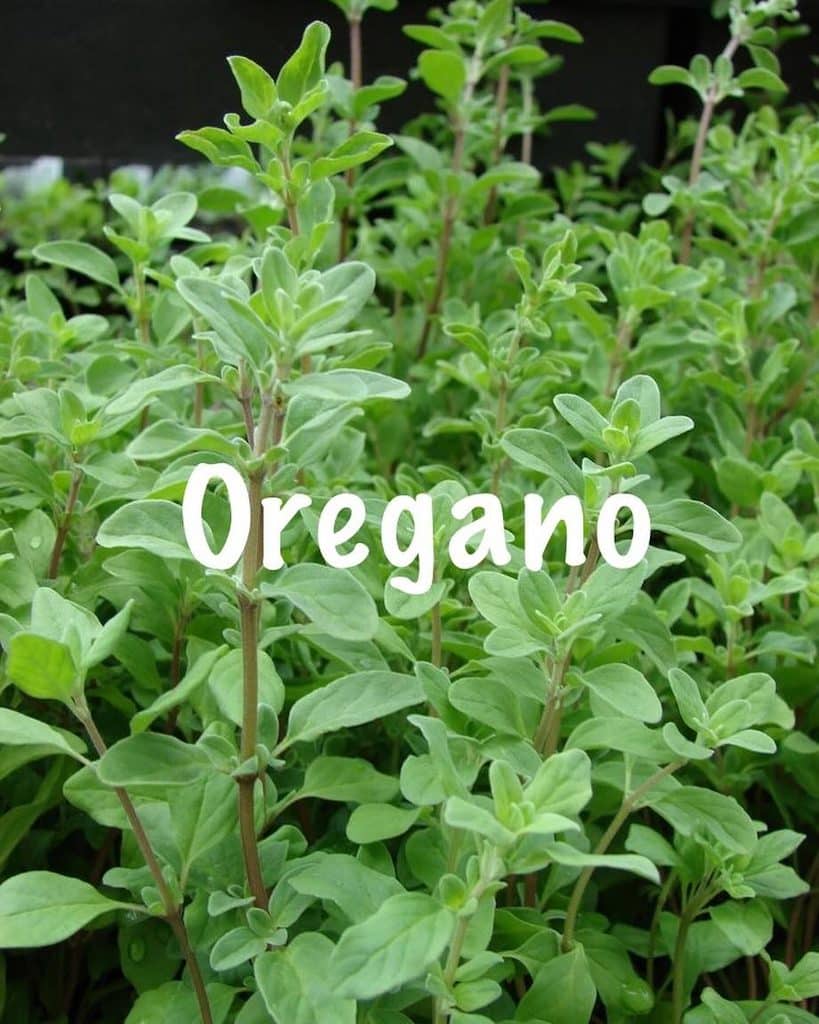
Credit: @garden.community
A perennial herb like oregano is especially useful because established plants can return after winter in suitable growing zones. Some varieties are less cold-tolerant than others, so check the variety before planting.
I would also let a few flowers develop during the growing season. They can attract bees and other helpful pollinators to the garden. You can find additional growing advice through Better Homes and Gardens.
Budget Guide: Oregano starter plants generally cost $3 to $10, while a medium container costs around $8 to $20. Check local nurseries, Walmart, and Home Depot for affordable gardening supplies.
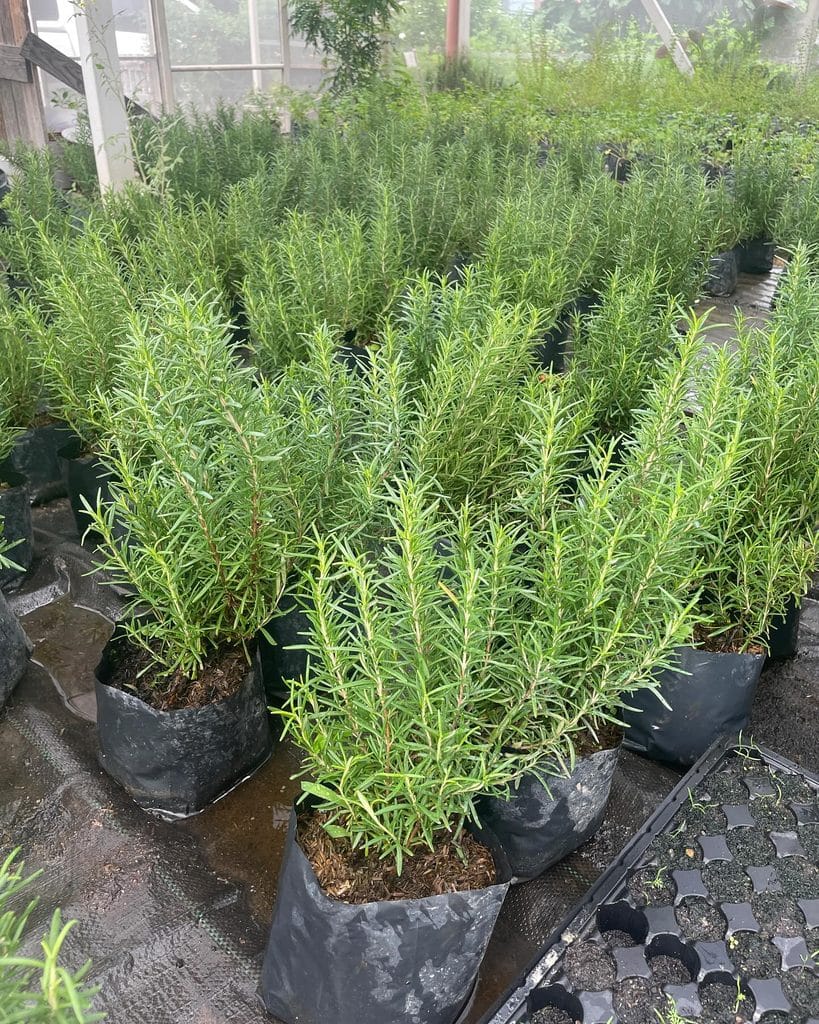
Rosemary Brings Fresh Fragrance to a Sunny Garden
Credit: @fresherbpampanga
For a perennial herb garden, rosemary is a useful long-term addition because it can remain productive for years in climates where it is winter-hardy. In colder regions, growing it in a pot makes it easier to protect during freezing weather.
Another thing I recommend is trimming small amounts regularly instead of removing too much of the plant at once. This helps keep it attractive and encourages a manageable shape. The Royal Horticultural Society provides additional guidance on growing rosemary successfully.
Budget Guide: Young rosemary plants generally cost $5 to $15, while larger decorative containers can cost $15 to $35. Local nurseries, Home Depot, and garden centers are good places to compare prices.
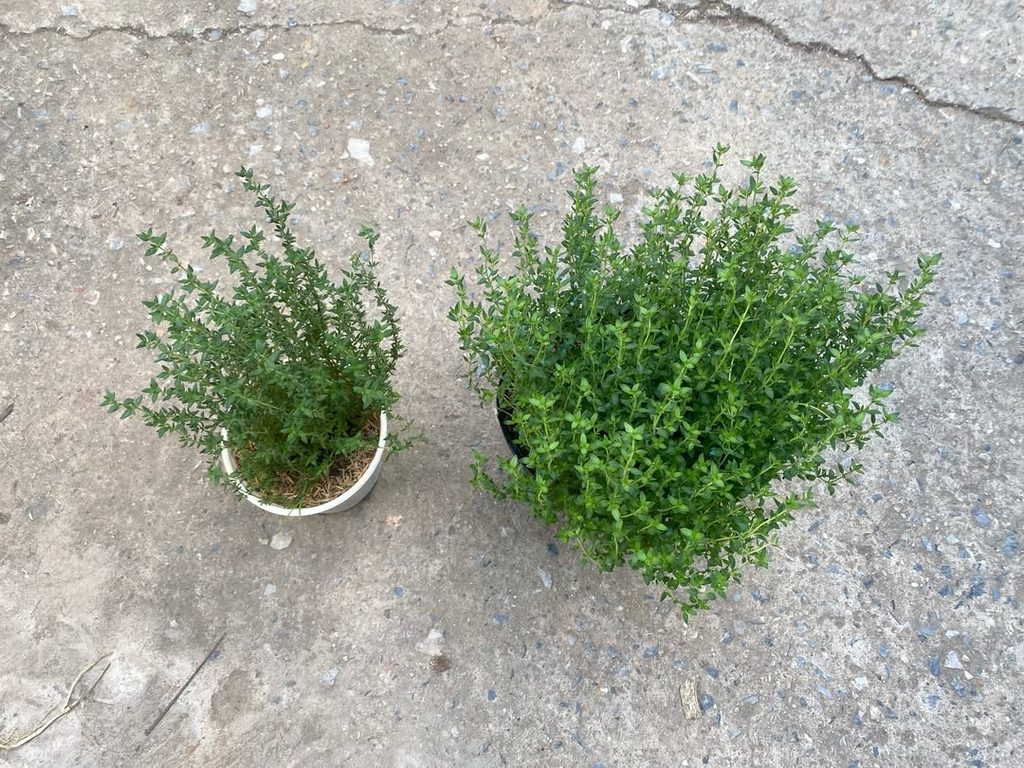
Thyme Is a Lovely Choice for Small Spaces
Credit: nhahoa.29
Thyme is one of the herbs I would recommend when garden space is limited. Many varieties grow low to the ground and form compact clumps, making them useful for containers, raised beds, and garden borders.
The Gardeners’ World website has helpful advice for growing different thyme varieties.
Budget Guide: Small thyme plants generally cost $3 to $10, while decorative pots range from $8 to $25. You can find both at local nurseries, Amazon, and Home Depot.
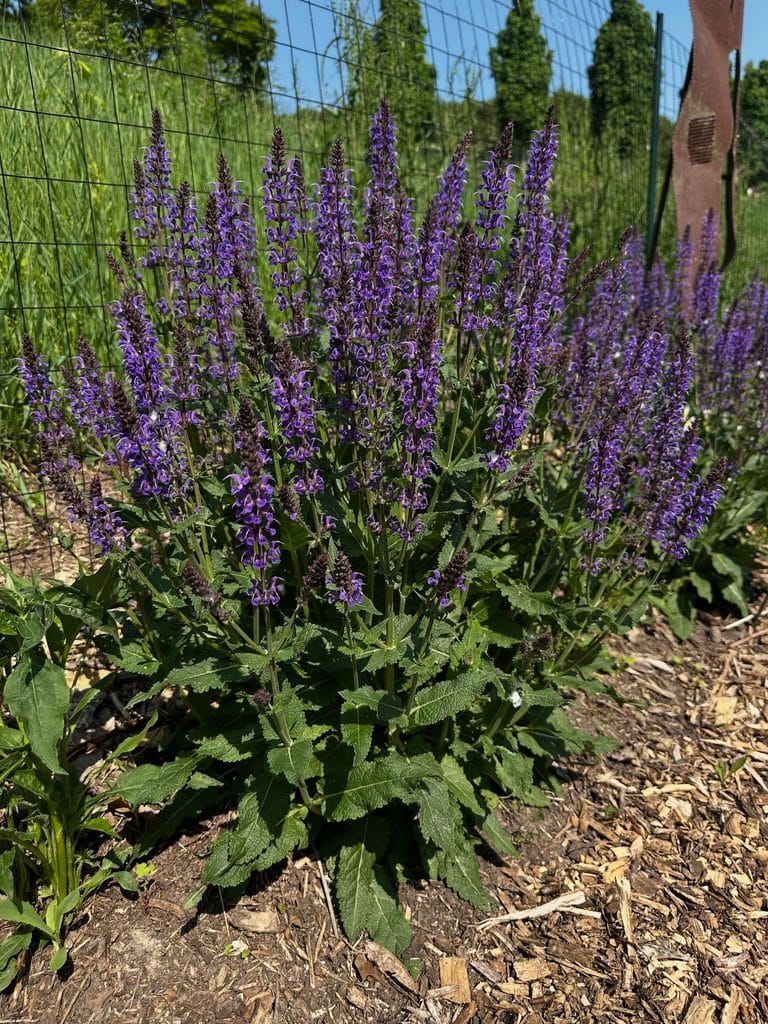
Flowering Perennial Sage Adds Color and Attracts Pollinators
Credit: hippie.homestead.25
I think flowering sage deserves a place in a garden because it offers something different from herbs grown mainly for cooking. Its tall flower spikes can introduce beautiful color, while the foliage adds texture throughout the growing season.
Although flowering salvias are related to culinary sage, not every ornamental variety should be treated as a cooking herb. The Royal Horticultural Society has useful information about growing salvia varieties.
Budget Guide: Small ornamental salvia plants generally cost $5 to $15, while larger established plants can cost $15 to $30. Check local garden centers, nurseries, and Home Depot for available varieties.
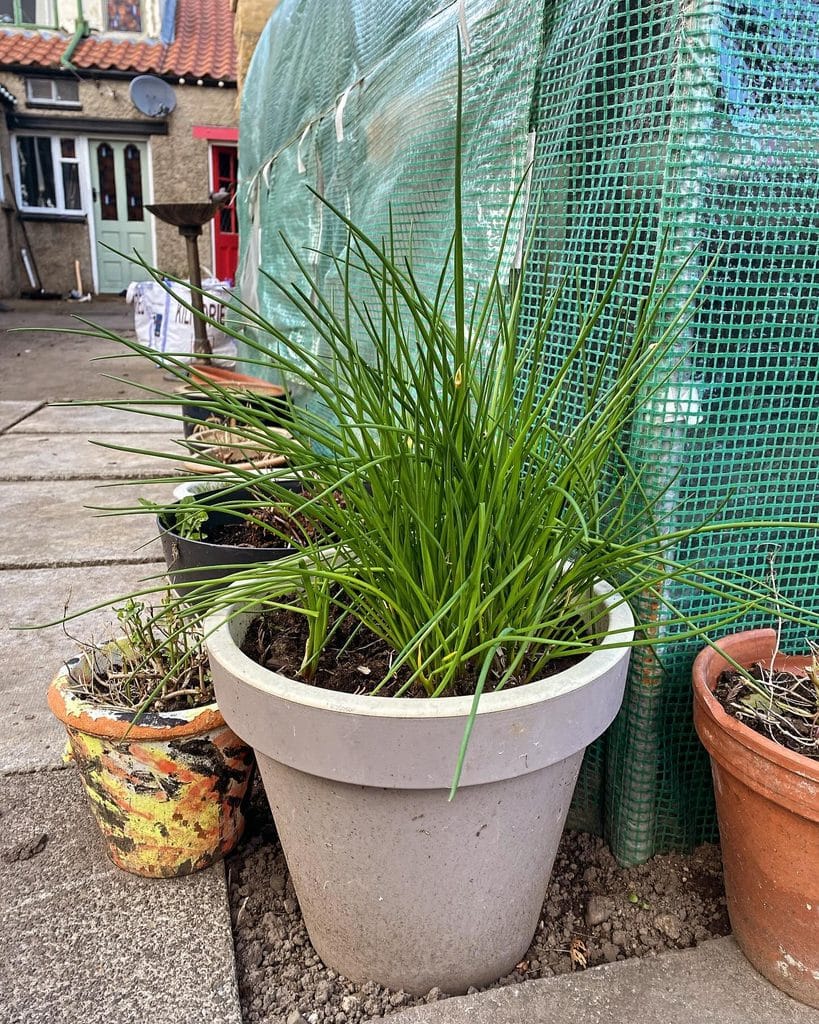
Chives Are Easy to Harvest and Useful in Everyday Cooking
Credit: its.beths.gardening_
When harvesting, I prefer cutting the leaves a little above the soil rather than pulling them out by the roots. Regular harvesting helps keep the plant manageable and gives you fresh leaves for cooking.
If you want another useful perennial herb to grow in a container, chives are an excellent option. The University of Minnesota Extension offers practical information about planting and caring for chives.
Budget Guide: Chive starter plants generally cost $3 to $10, while small herb containers range from $6 to $20. Check local nurseries, Walmart, and Amazon for affordable options.
How I Would Organize a Small Perennial Herb Garden
I like the idea of keeping a herb garden organized according to how each plant grows.
For example, rosemary and thyme generally enjoy sunny positions and well-drained soil.
Containers are a great starting point if you do not have much garden space.
A well-planned perennial herb garden does not need to be complicated.
I would rather have a few healthy plants that I can use regularly than a large collection that becomes difficult to maintain.