
Home Decor, Kitchen Ideas, Garden Tips & DIY Projects
7 Perennials That Bloom from Spring to Fall for a Colorful Garden

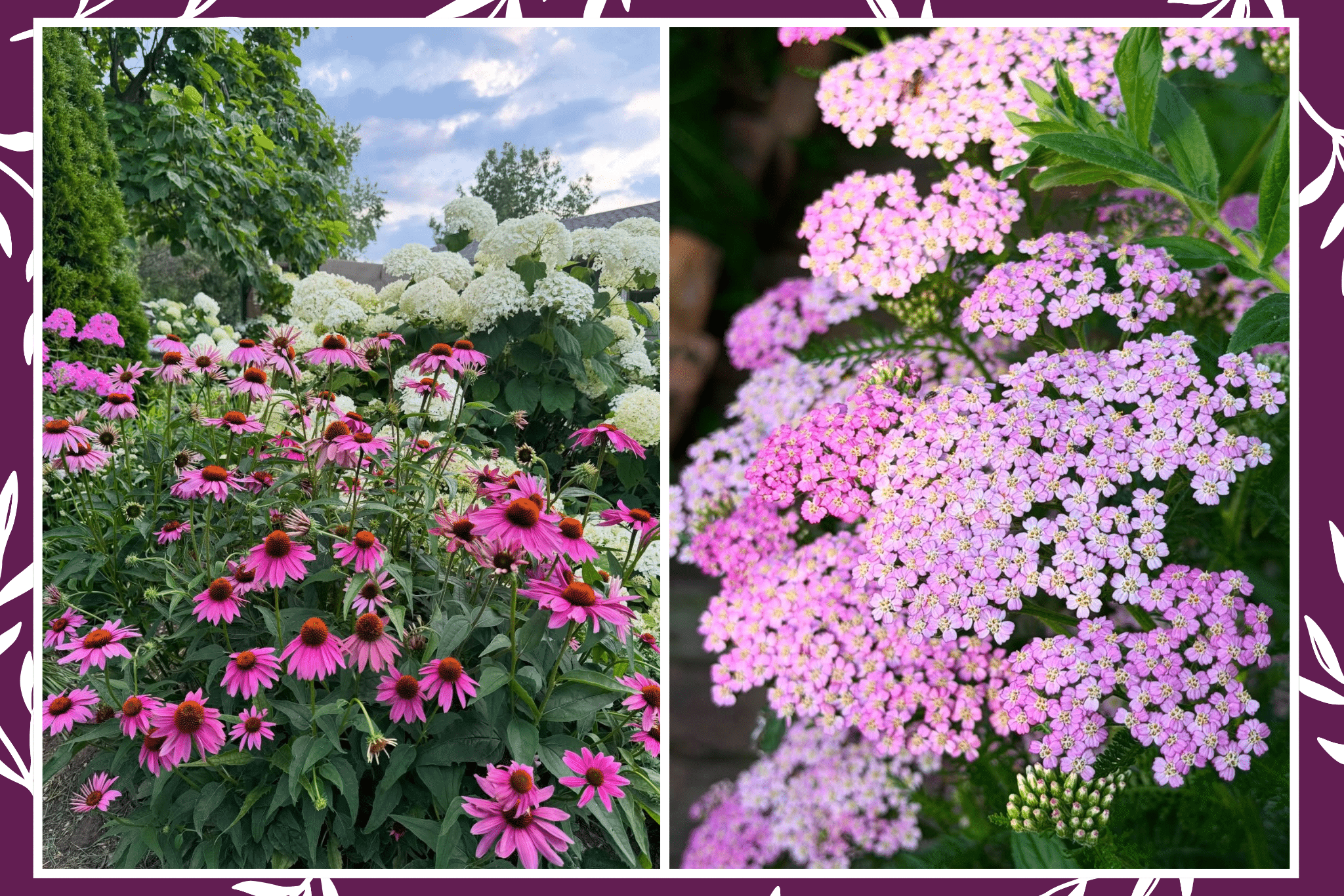
Photo Credits: All photos in this post are credited to their creators on Instagram. Want a photo removed or credited differently? Email [email protected]. See our Image Credits page for details.
I am standing in the garden with a pair of pruning shears in my hand, looking at the empty spaces between the flowers.
I want a garden that keeps giving me something beautiful to enjoy, even as the seasons change, and that is exactly why I love choosing the right perennial plants.
Some flowers make a lovely entrance in spring and disappear quickly, while others keep producing fresh blooms through summer and into fall.
The secret is choosing plants with different flowering periods, so the garden never depends on just one short season.
A thoughtful mix of flower shapes and heights can make even a simple garden bed feel full of life for months.
With the right choices, you can enjoy fresh color and spend more time appreciating your garden instead of replacing flowers every year.
Reblooming Daylilies
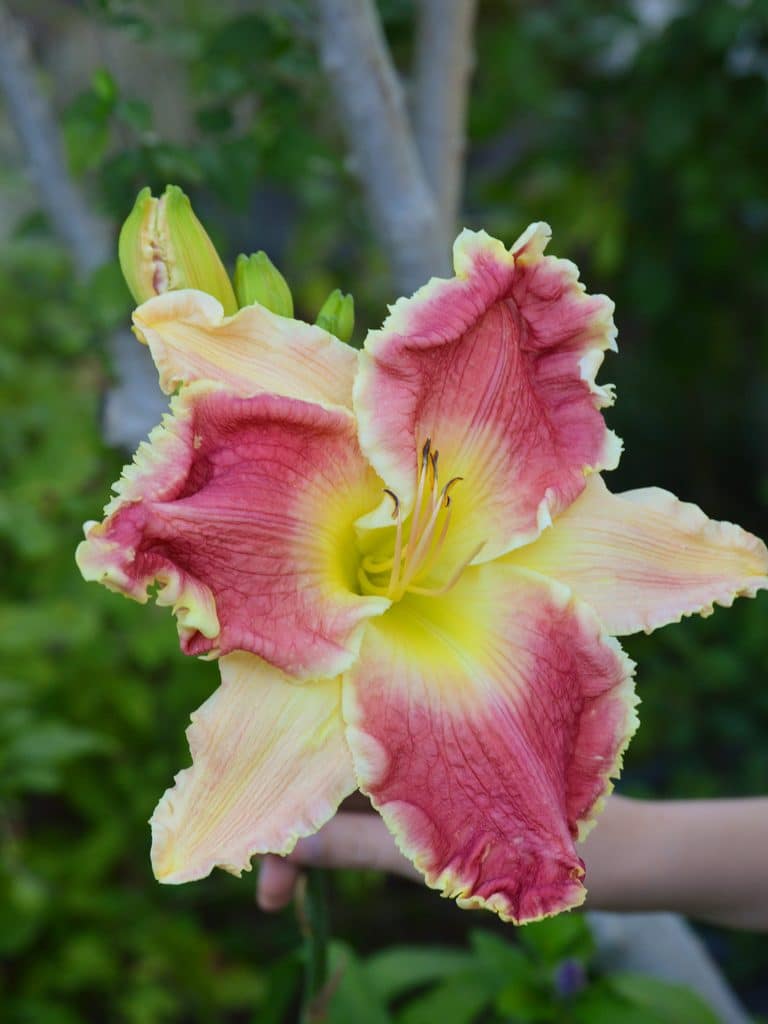
Image Credit: centraltexasbutterflies
For a longer flowering display, look for reblooming daylilies at a local nursery. Some varieties flower earlier, while others begin later in the season, so combining several types can help spread the color across more weeks.
Daylilies grow from clumps of long, arching leaves that return each year. Their foliage also gives garden beds some structure between flowering periods, which is useful when other plants are taking a break.
Purple Coneflowers
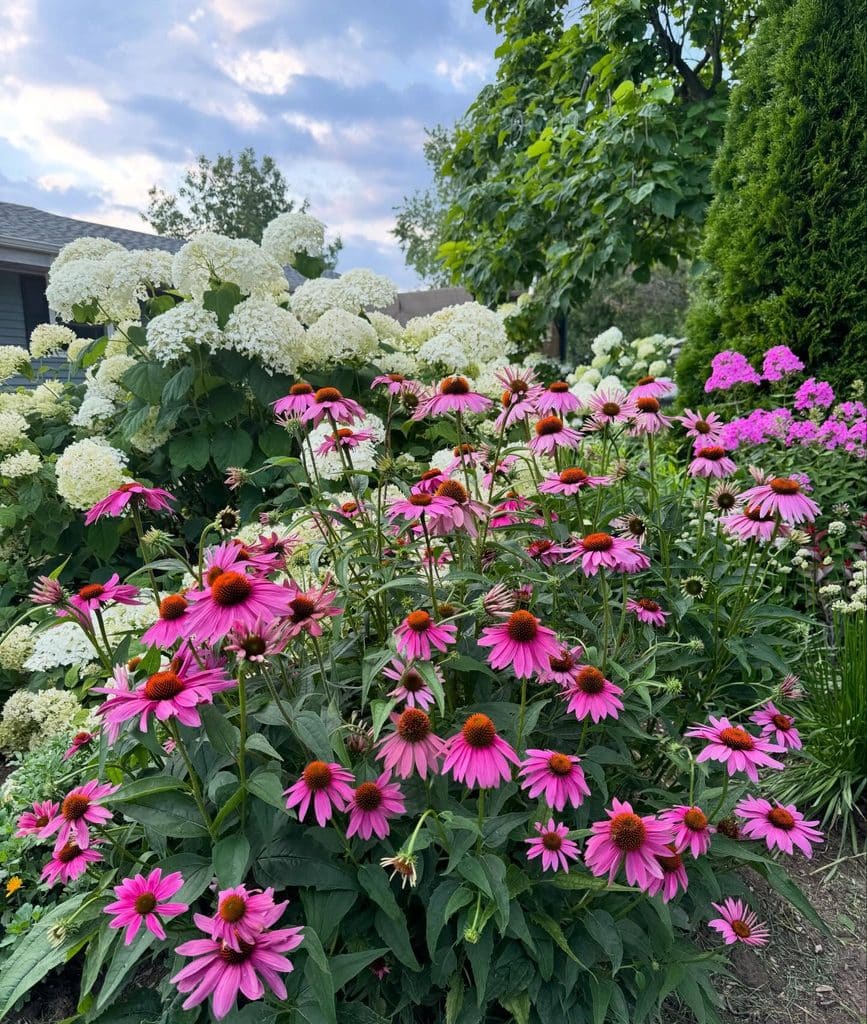
Image Credit: gardendesigns.byperi
A coneflower garden can also be useful for attracting bees and butterflies. The flowers provide a source of nectar, while their seed heads can offer food for birds later in the season if you leave some of them standing.
These plants are especially appealing because they do not need constant attention once established. They generally prefer full sun and well-drained soil, and they can handle periods of dry weather better than many moisture-loving flowers.
White Hydrangeas and Purple Coneflowers
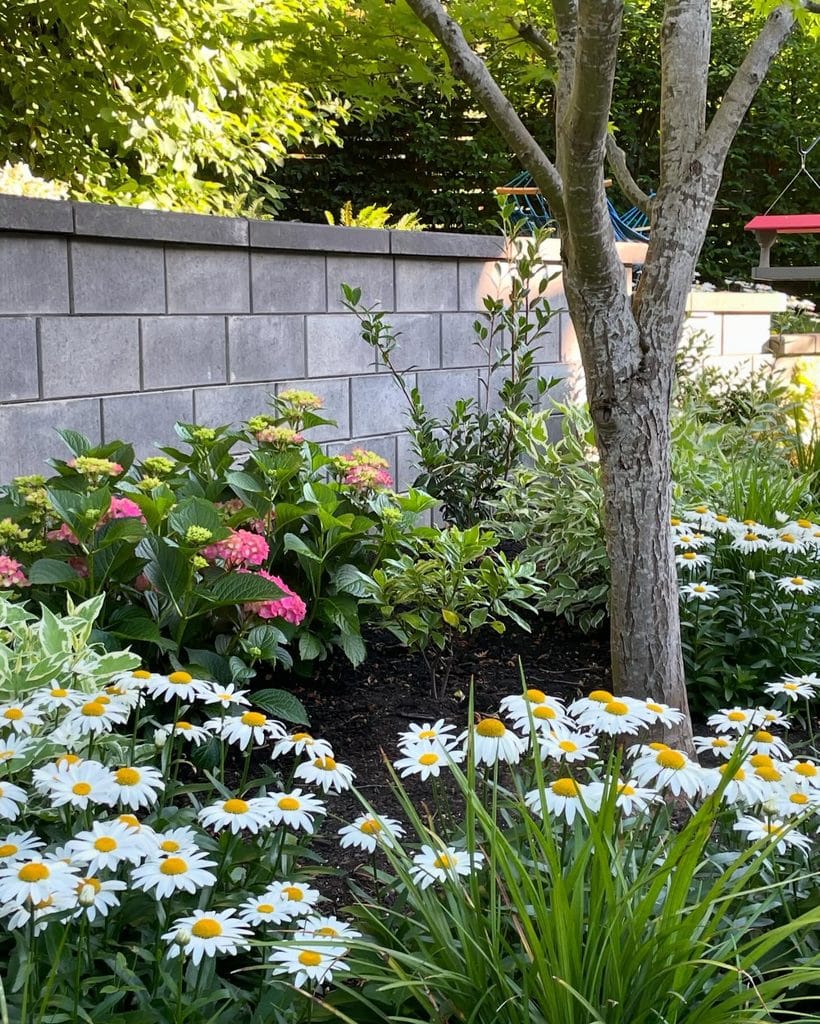
Image Credit: smartyplantsinlo
Hydrangeas bring volume to the back of a flower bed, while coneflowers add color and movement in front. This arrangement works especially well when you want a layered perennial garden with a clear difference in height.
Choose the hydrangea variety carefully because flowering time, mature size, and pruning needs can vary. Panicle hydrangeas are often a useful choice for sunny locations, while many bigleaf hydrangeas prefer some afternoon shade in warmer climates.
Shasta Daisies with Pink Hydrangeas
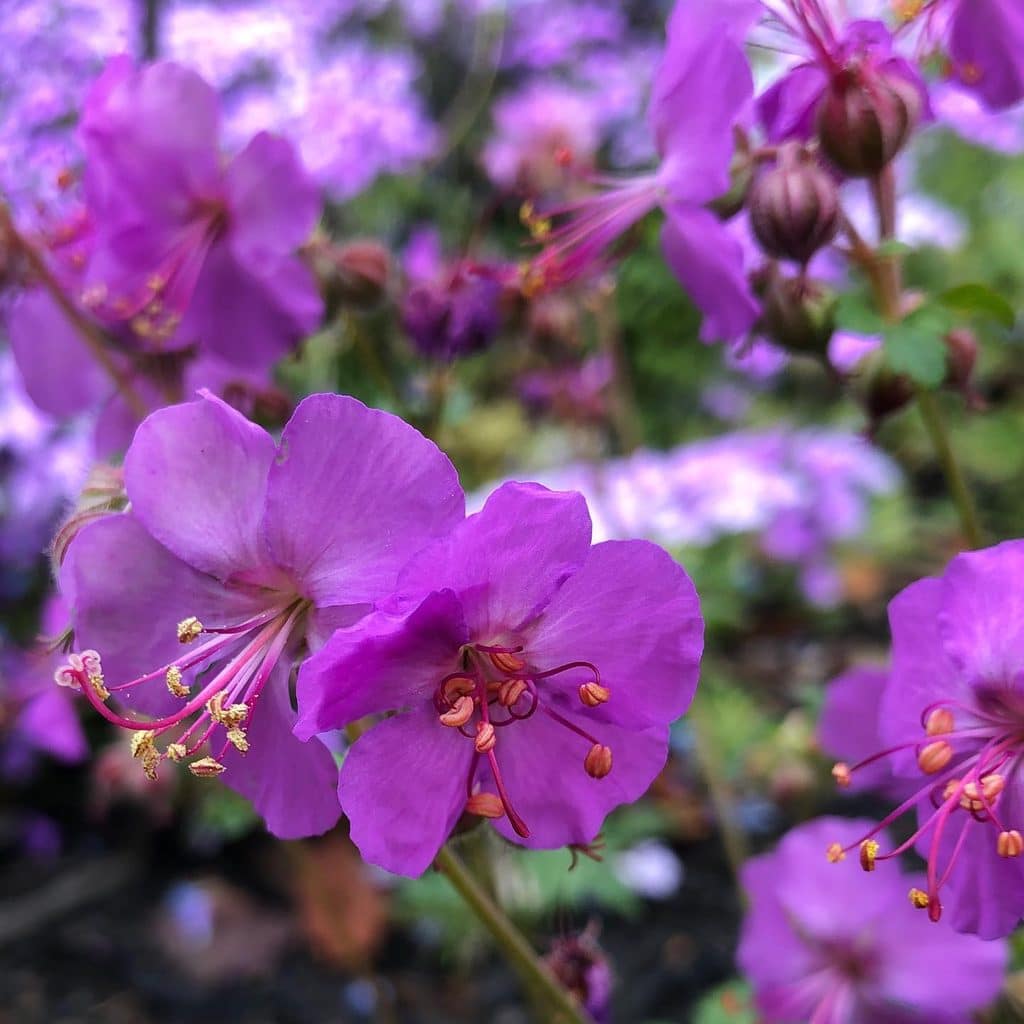
Image Credit: alix.north
This pairing is a good way to balance different flower shapes. The hydrangea provides rounded clusters of blooms, while the daisies add individual flowers that stand out against their green foliage.
For a long-lasting display, choose a long-blooming daisy variety and remove faded flowers regularly. Deadheading can encourage some varieties to produce more blooms and helps keep the planting area looking neat.
Hardy Geraniums
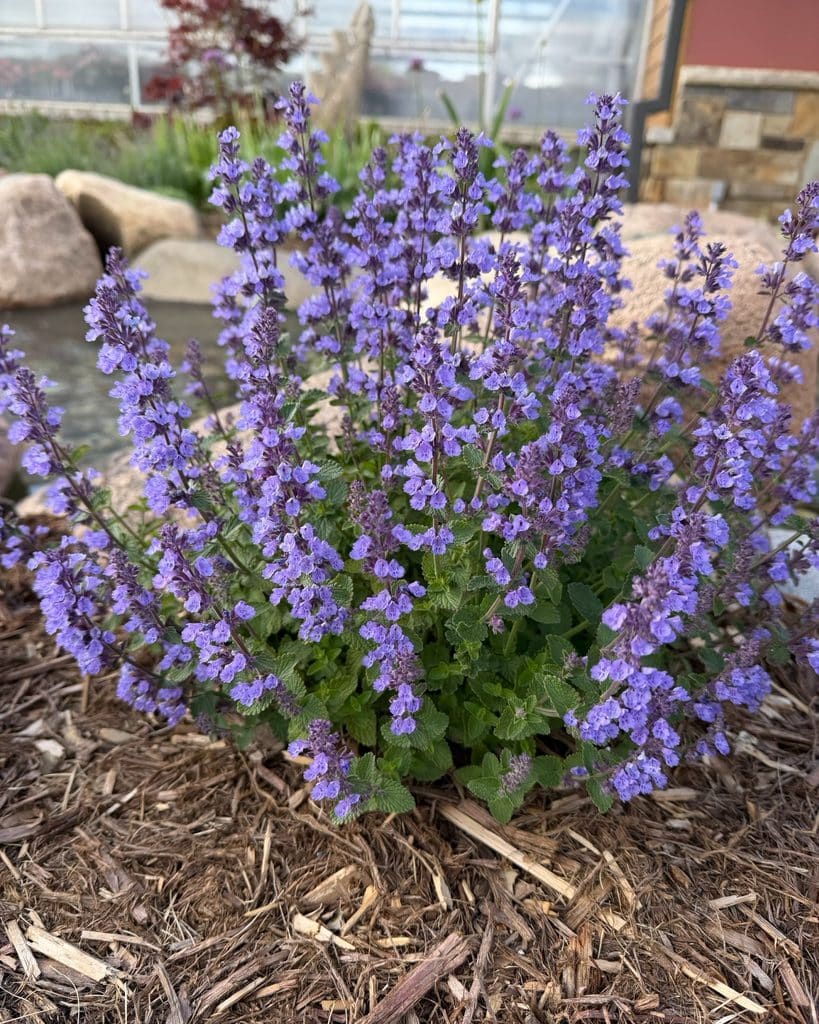
Image Credit: tedsgardens
Some types flower for several weeks in spring and early summer, while others can produce another flush after being cut back. Choosing a variety known for a long flowering period is important if your goal is to keep the garden colorful for as long as possible.
A hardy geranium ground cover can also help fill spaces around taller plants. Many varieties spread gradually and soften the edges of paths, borders, and planting beds.
Catmint
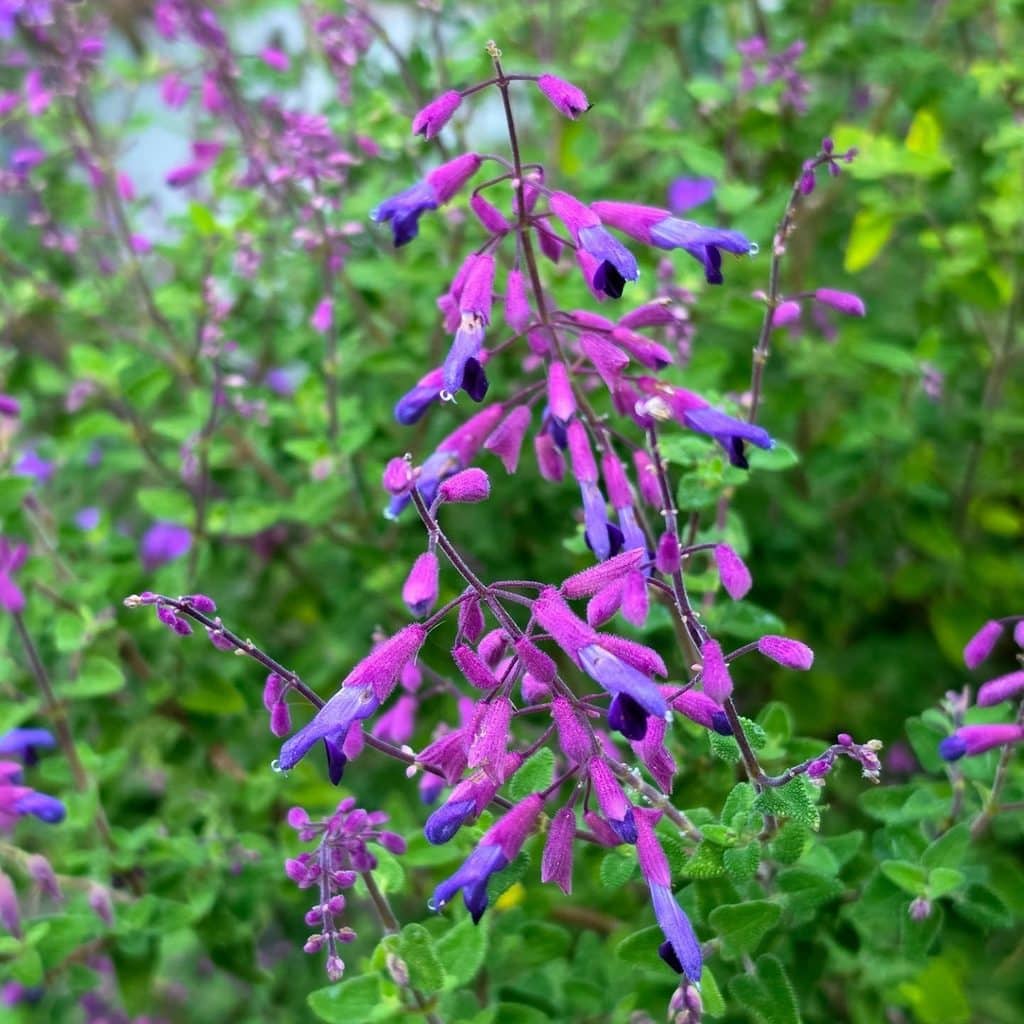
Image Credit: seaflowersnursery
Catmint is one of those plants that can make a garden border feel full without requiring much effort. Its small lavender-blue flowers grow in soft clusters above fragrant gray-green foliage, creating a relaxed look that works with many other garden plants.
It is especially useful along paths, at the front of flower beds, or around the edges of a pollinator garden. Bees are often attracted to its flowers, and the plant can provide a steady source of color during its flowering period.
Perennial Salvia and Pink Yarrow
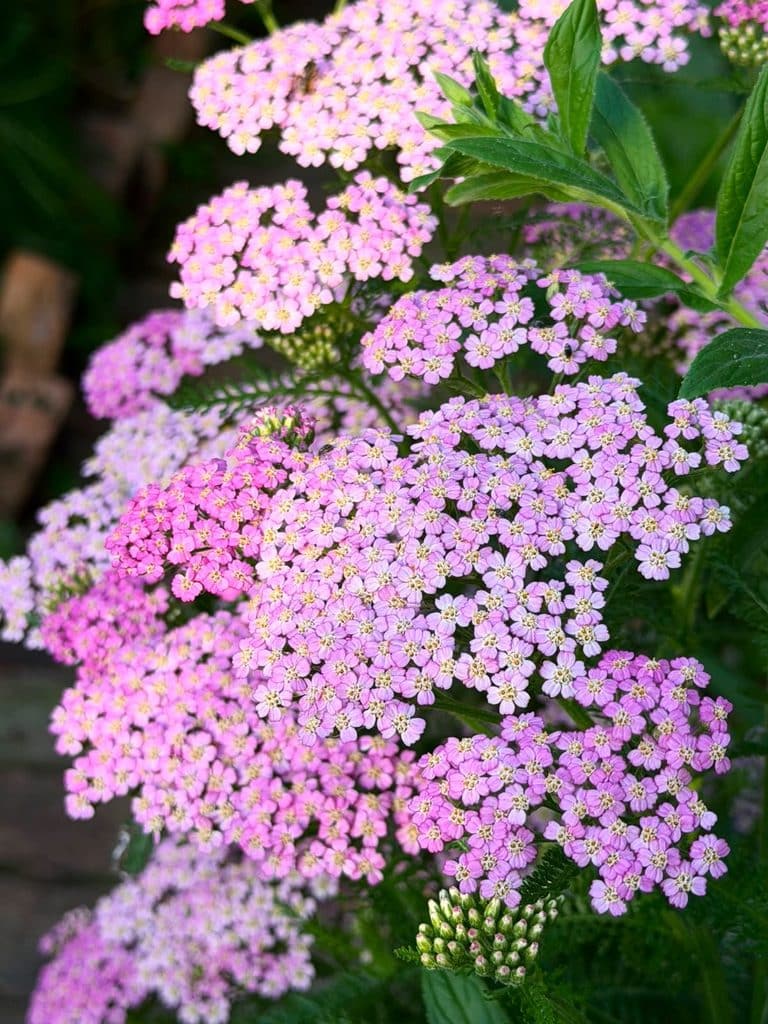
Image Credit: garden._.flowers
Choose a perennial salvia variety suited to your climate because flowering periods and cold tolerance differ between types. Some varieties flower in late spring and early summer, then produce more blooms after the spent stems are removed.
Yarrow is generally easy to grow in sunny areas with well-drained soil. It can spread gradually, so give it enough room and divide the clumps when they become crowded.
How to Plan a Perennial Garden That Flowers Across the Seasons
A garden that blooms from spring to fall does not depend on one flower staying in bloom for months.
It works because different plants take their turn, with early flowers giving way to summer varieties and later blooms.
A simple planting plan can include:
- Spring flowering plants that begin the display early.
- Early summer flowers that take over as spring blooms fade.
- Summer varieties that provide the main color during warmer months.
- Late summer and fall flowers that extend the display toward the end of the season.
How to Keep Perennials Flowering for Longer
The right care can help many flowering plants perform well throughout their natural blooming period.
Regular attention does not mean constant work, but a few simple habits can make a noticeable difference.
Start with watering. Newly planted flowers need consistent moisture while their roots establish.
Established plants should be watered according to their individual needs and the weather.
A layer of mulch can help keep soil moisture more even and reduce weeds.
