
Join Our Newsletter for Cozy Home Inspiration, Family Fun, and Delicious Recipes Every Week
Shade-Loving Perennials That Will Fill Your Dark Garden Spots With Color All Season Long

Disclaimer. Some images featured in this post may originate from third-party sources and are used for illustrative purposes only. Please review our Image Credits Policy for attribution information.
I spent three summers fighting my shaded backyard. I planted things that looked promising at the garden center and watched them struggle, stretch toward light they could not find, and quietly give up by August.
It was genuinely discouraging. I love being in my garden. I love the idea of a yard that feels lush and cared for and worth stepping out into after a long day.
My shaded beds kept reminding me that I did not know what I was doing. I kept choosing the wrong plants. I kept choosing sun lovers for spaces that got maybe two hours of direct light on a good day.
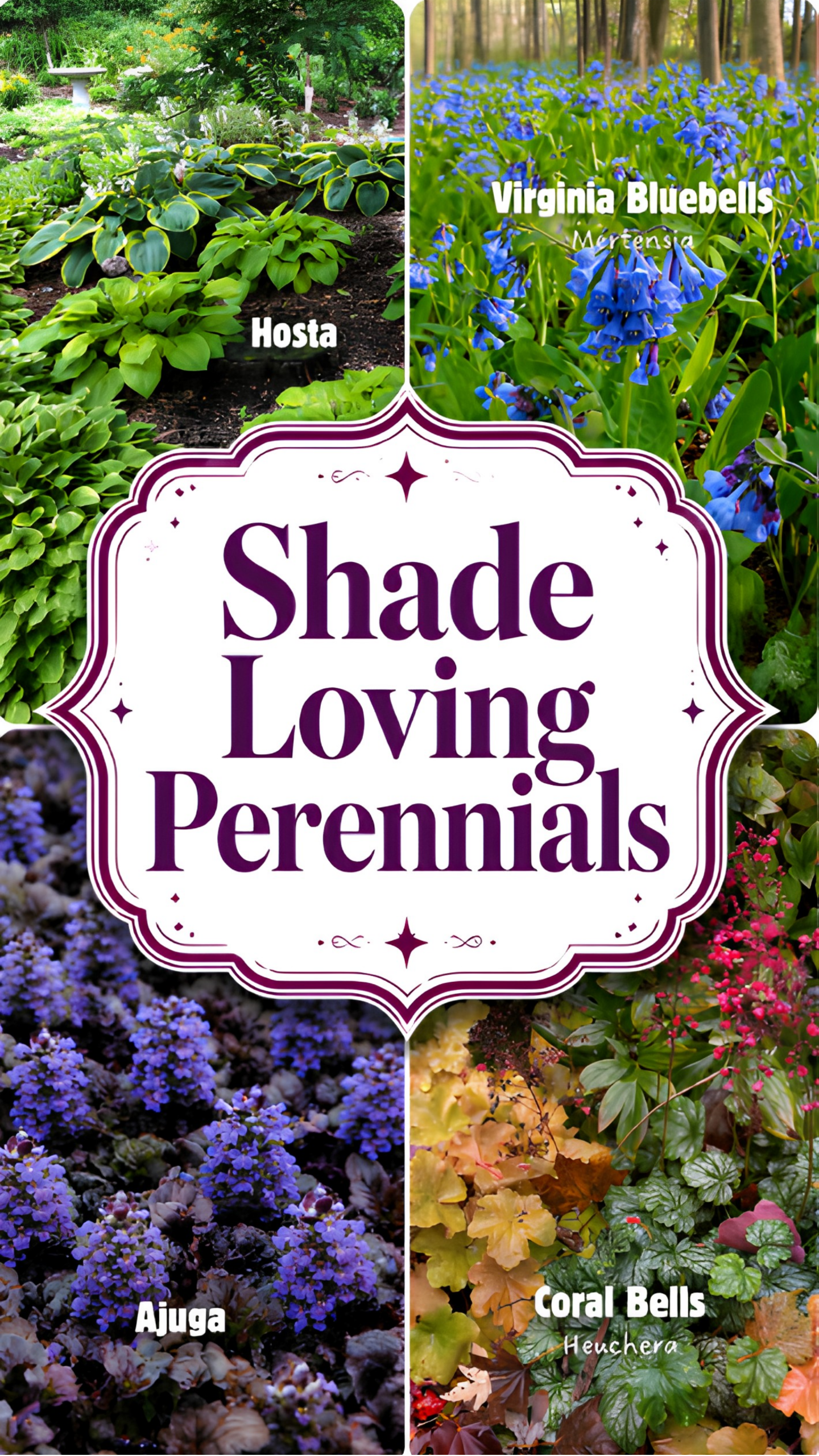
The shift came when I stopped guessing. I started looking specifically for shade-loving perennials, plants that were not just tolerating low light but genuinely thriving in it. Plants that came back every year without me having to replant, beg, or worry.
I also noticed that the best shade-loving perennials did something that sun plants in my yard rarely managed. They stayed beautiful for months. Not just a few weeks of bloom but a long, reliable season of color and texture that held the garden together even when nothing else was performing.
My neighbor stopped me one afternoon while I was pulling weeds and asked what I had done differently. The beds looked full and intentional in a way they never had before. I told her the secret was simply choosing plants that wanted to be there.
These six shade-loving perennials are the ones that have made the biggest difference in my yard. Every single one of them comes back reliably, asks for very little, and makes the shadiest corners of a real family garden feel genuinely beautiful.
What We're Exploring
- 01 Hostas That Turn a Shaded Bed Into a Lush Green Statement
- 02 Virginia Bluebells That Carpet a Woodland Garden in Spring Blue
- 03 Mom Notes
- 04 Ajuga That Covers the Ground and Adds Deep Color All Season
- 05 Coral Bells That Bring Jewel-Toned Foliage to the Shadiest Corners
- 06 Ferns That Bring Lush Texture and Movement to a Shaded Garden Path
- 07 Columbine That Brings Delicate Color and Hummingbirds to a Shaded Border
- 08 Why Shade-Loving Perennials Are the Smartest Investment in a Family Garden
- 09 Quick Takes
Hostas That Turn a Shaded Bed Into a Lush Green Statement
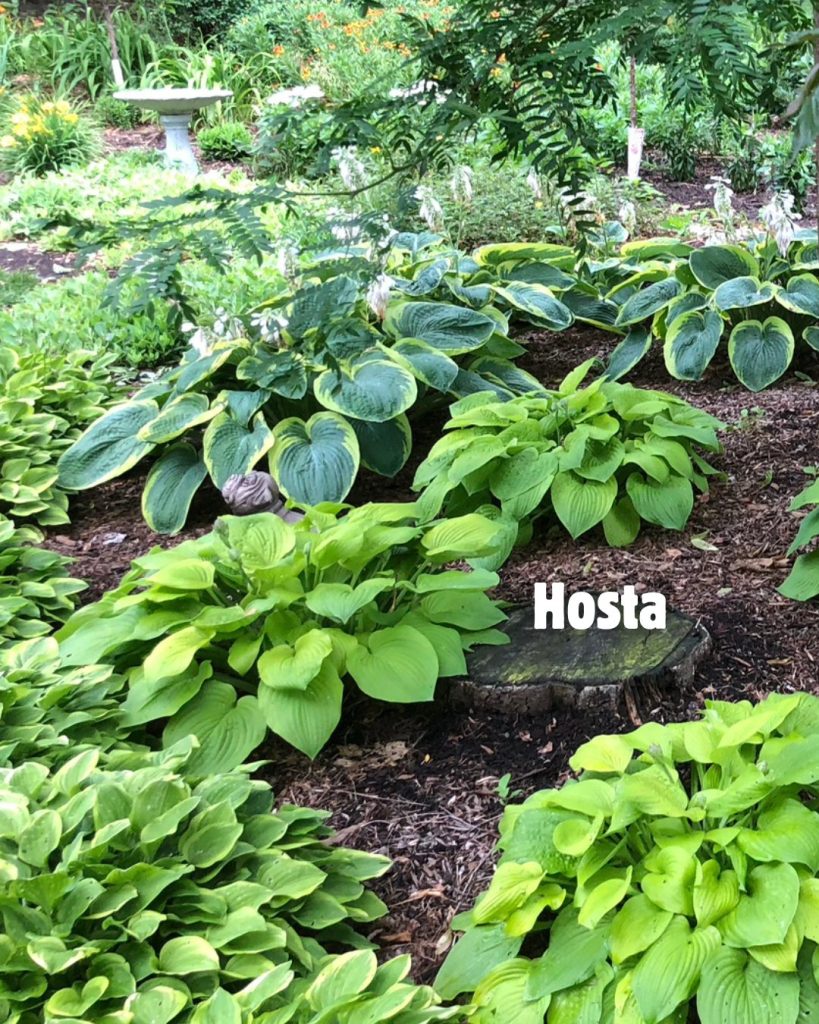
Shade-loving perennials do not get more reliable than hostas, and gardens that lean into them fully are always the ones that look the most intentional. When you plant several varieties together, mixing the large blue-green leaves with the smaller chartreuse ones and the mid-size variegated types, the effect is a layered, textural planting that looks designed rather than collected. It is the kind of shade garden that makes visitors stop and ask what you did.
Hostas spread generously over time and fill in the gaps that other plants leave behind. They suppress weeds, soften the edges of paths and borders, and stay lush and full from spring until the first frost. According to BHG.com, hostas are among the most versatile and widely planted shade-loving perennials available, with varieties suited to every shade level from dappled light to deep shadow.
Hostas are also forgiving in a way that means a lot to a busy mom. They ask for almost nothing once established. Divide them every few years to fill more of the garden, and you will find your shaded beds filling themselves in for free.
Budget Note: Hosta plants typically range from $6 to $20 each at local garden centers or Amazon. Buying bare-root hostas in bulk from online suppliers can reduce the cost significantly.
Virginia Bluebells That Carpet a Woodland Garden in Spring Blue
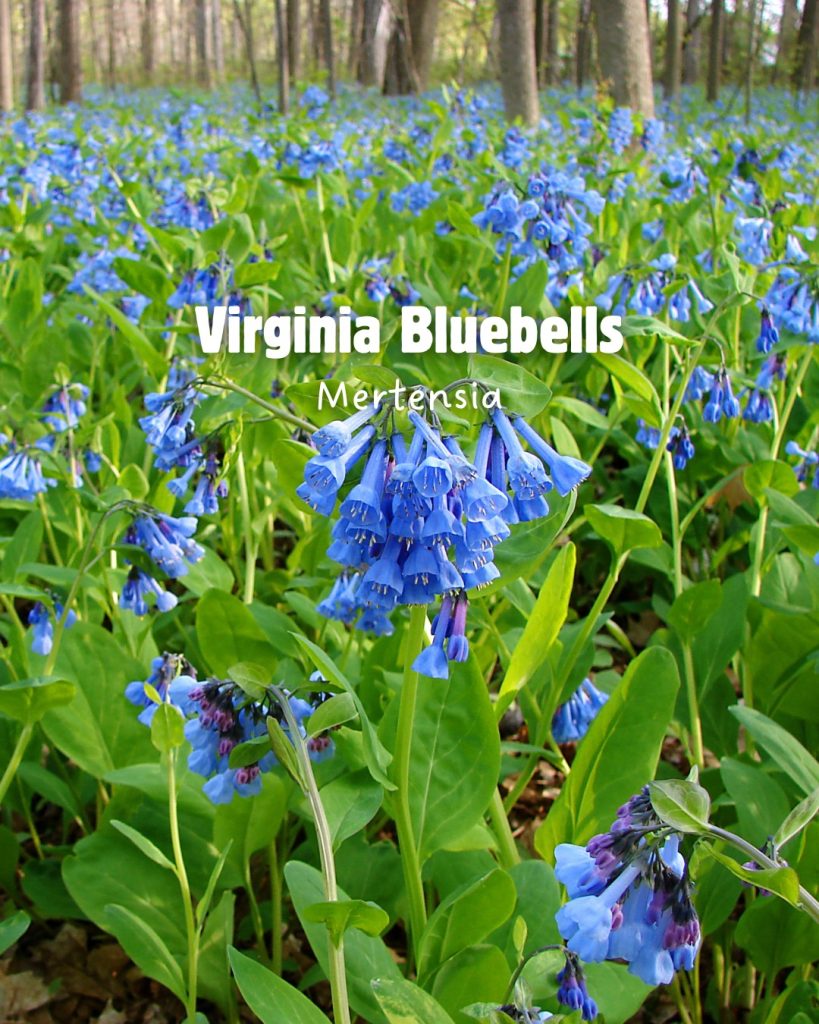
Few shade-loving perennials create a spring moment quite as moving as Virginia Bluebells. They emerge in early spring, unfurl their soft blue trumpet-shaped flowers in the most gentle, nodding clusters, and turn a shaded garden floor into something that looks almost otherworldly. Then they disappear completely by summer, leaving room for other plants to take over.
That disappearing act is actually part of what makes them so practical. Virginia Bluebells are spring ephemerals, which means they do their work early in the season and then go dormant. Planting hostas, ferns, or other leafy shade-loving perennials nearby ensures that the bare spots they leave behind are covered naturally.
Good Housekeeping notes that native woodland plants like Virginia Bluebells are among the best low-maintenance choices for shaded areas because they are perfectly adapted to the conditions naturally found under trees and along the north side of structures. They self-seed gently and spread over time without becoming invasive.
Budget Note: Virginia Bluebell seeds range from $4 to $10 per packet at Amazon or specialty seed suppliers. Potted plants from native plant nurseries typically range from $8 to $16 each.
Mom Notes
If you are just starting to plant shade-loving perennials and you are not sure where to begin, start with one hosta and one fern. Put them together in the shadiest corner you have been avoiding. Water them in well and then leave them alone for a season. Watch what they do. Nine times out of ten that corner will look better by August than anything you have ever tried to grow in full sun with twice the effort. The shade garden is the most forgiving garden there is. Start small and let it teach you.
Ajuga That Covers the Ground and Adds Deep Color All Season
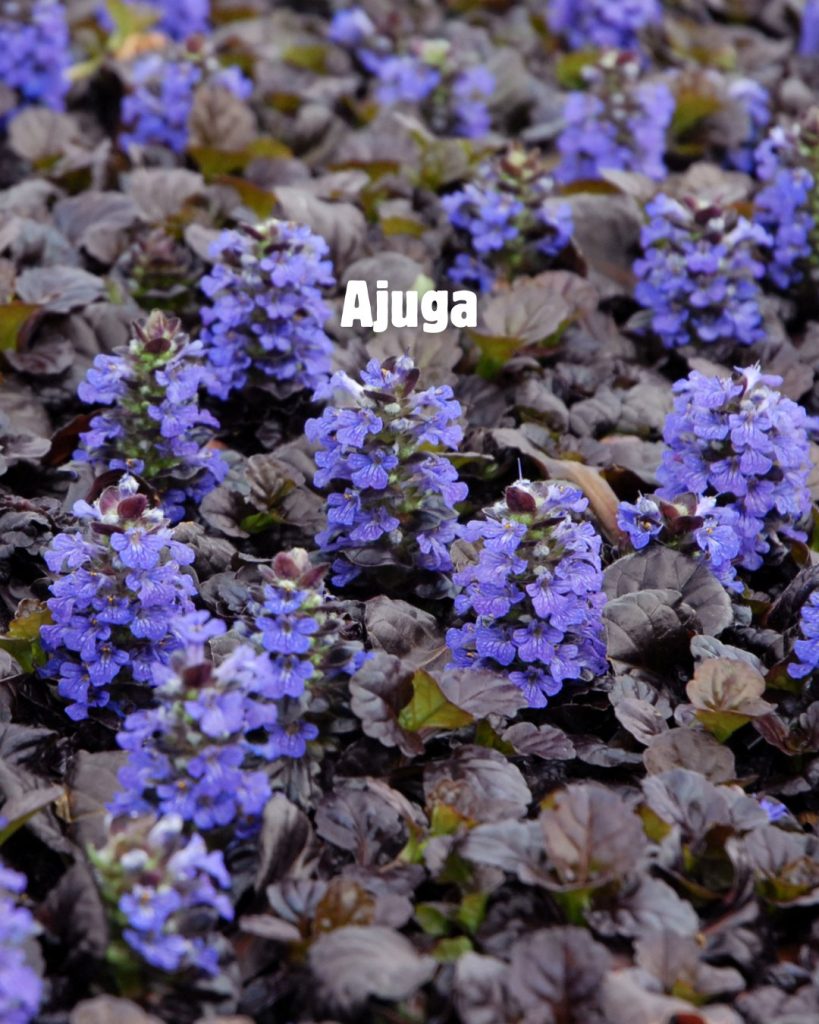
Ajuga is one of those shade-loving perennials that most home gardeners overlook until they see it in someone else’s yard and immediately want to know what it is. The dark, bronzy-purple foliage creates a rich, moody ground cover that works beautifully beneath taller shade plants. When it sends up its spikes of bright blue-purple flowers in spring, the contrast against those dark leaves is genuinely striking.
It spreads by runners, which means it fills in quickly and suppresses weeds with enthusiasm. For a mom who wants a low-maintenance solution to bare, shaded soil between larger plants, ajuga is one of the most practical answers available. Apartment Therapy has noted that low-growing ground covers with year-round visual interest are among the most underrated tools in residential garden design.
It is also evergreen in many climates, which means the garden floor stays covered and interesting even in winter. As a fall outdoor planter option, it works beautifully too, since the foliage looks just as good in October as it does in June.
Budget Note: Ajuga plants typically range from $5 to $12 each at garden centers. Buying a flat of six to twelve plants at once from a wholesale nursery or Amazon brings the cost down considerably and fills a bed faster.
Coral Bells That Bring Jewel-Toned Foliage to the Shadiest Corners
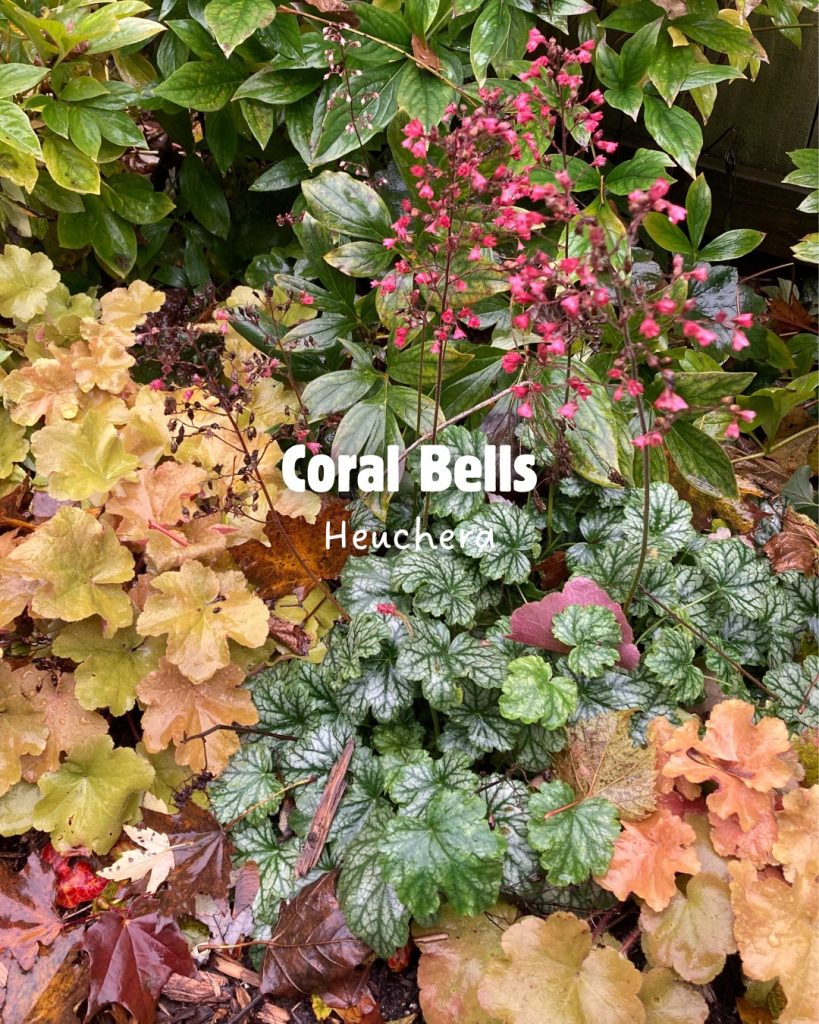
Coral Bells, known botanically as Heuchera, are among the most beautiful shade-loving perennials available for a home garden, and the range of colors they come in is genuinely astonishing. Caramel, copper, silver, plum, lime green, and deep burgundy are all available in varieties that perform reliably in partial to full shade. Mixing several colors together in one bed creates a tapestry of foliage that looks purposeful and polished all season long.
According to RealSimple.com, heuchera is one of the top recommended perennials for gardeners who want color in difficult spots because it performs well in conditions where most flowering plants fail. It pairs particularly well with hostas and ferns, creating a layered planting that covers the ground beautifully.
Coral bells also work well in containers, making them a flexible option for a repurposed garden planters project or a shaded patio corner that needs something with presence and staying power all season.
Budget Note: Heuchera plants typically range from $8 to $18 each at garden centers, Amazon, or big-box stores like Home Depot and Lowe’s. Buying two or three varieties to mix together gives the best visual result.
Ferns That Bring Lush Texture and Movement to a Shaded Garden Path
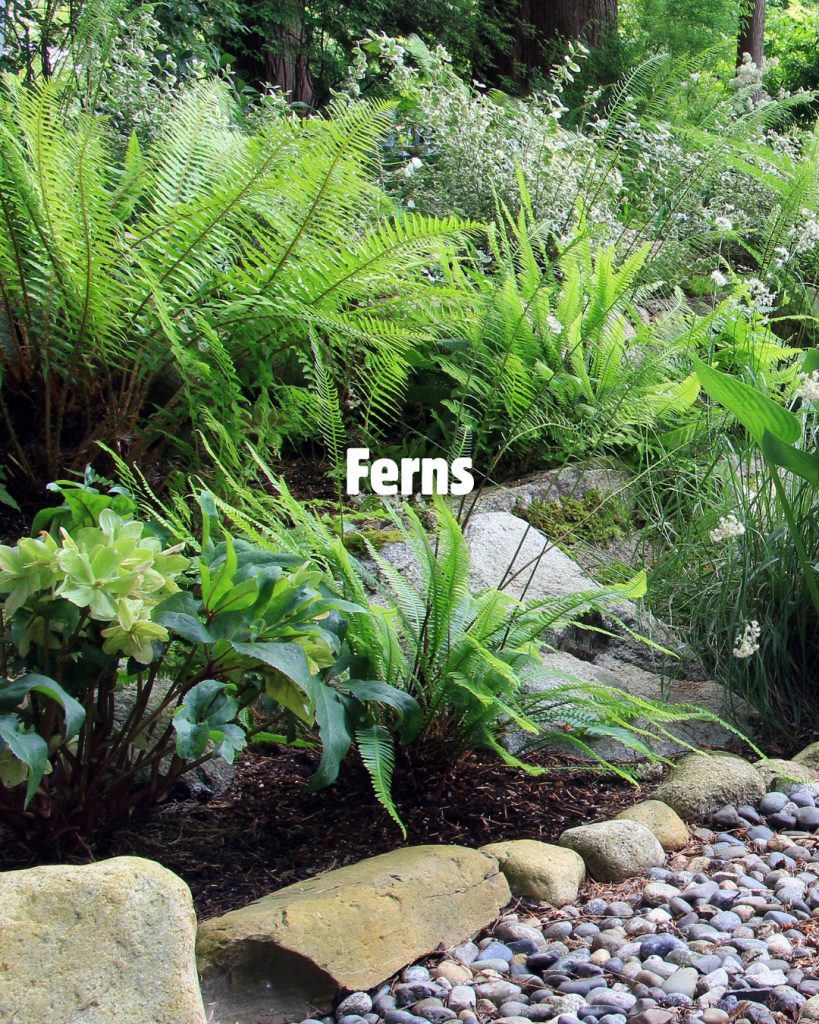
Shade-loving perennials rarely deliver texture the way ferns do. Their arching, feathery fronds create a softness and movement in the garden that broad-leaved plants simply cannot replicate. Planted along a stone path, at the base of large rocks, or beneath taller shrubs, ferns bring a naturalistic quality to a shaded area that makes the whole garden feel like it has been there for decades.
Hardy ferns like the ostrich fern, lady fern, and cinnamon fern are excellent choices for family gardens because they are genuinely tough once established. They handle root competition from trees, tolerate dry shade once settled in, and come back reliably every spring with minimal intervention. HGTV.com recommends ferns as one of the foundational shade-loving perennials for woodland-style garden design because of how effectively they fill space and soften hard edges.
Ferns also make excellent companions for gravel gardens with pot designs because they soften the edges of hard materials and bring life to spaces that might otherwise feel stark or heavy. Their scale, from low-growing varieties to towering four-foot specimens, gives a gardener enormous flexibility.
Budget Note: Hardy fern plants typically range from $8 to $22 each at garden centers or online nurseries. Mail-order bareroot ferns are available for $4 to $10 each and establish well when planted in early spring.
Columbine That Brings Delicate Color and Hummingbirds to a Shaded Border
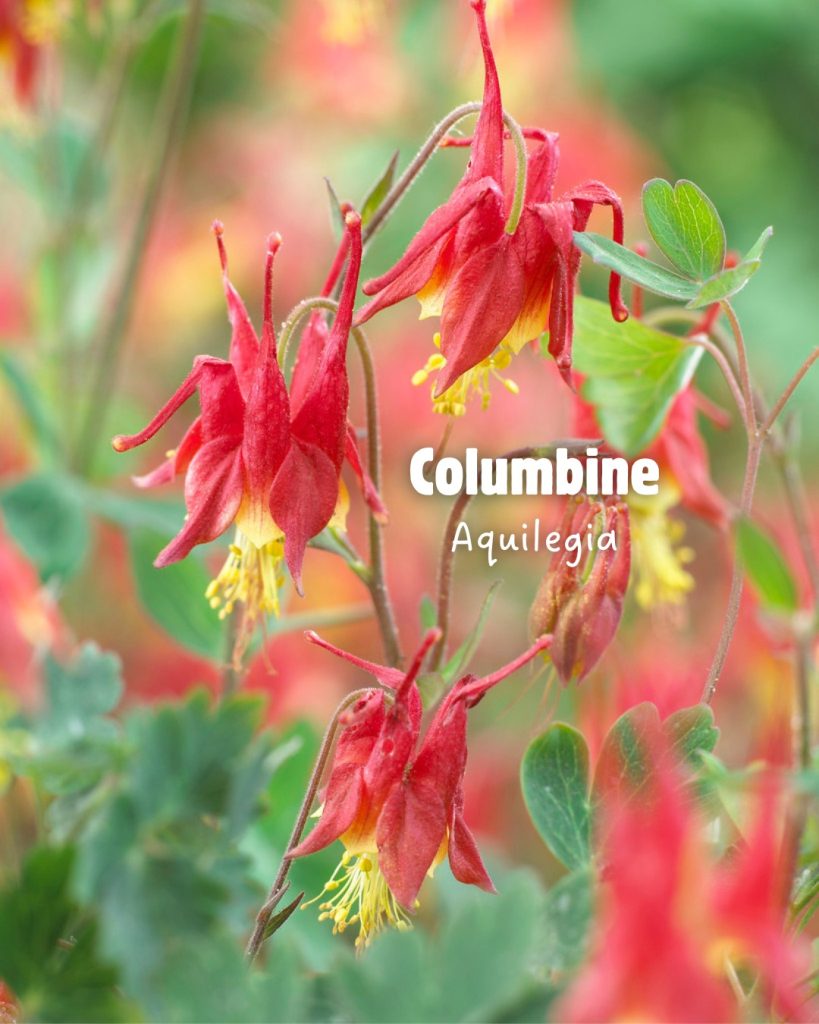
Columbine is the shade-loving perennial that looks too delicate to be a workhorse but performs like one every season. The spurred, nodding flowers in shades of red, orange, pink, purple, and white appear in late spring and early summer, dancing on slender stems above lacy foliage in a way that feels genuinely graceful. They bring hummingbirds to the garden and color to spots that most other flowering plants give up on.
What makes Columbine especially valuable is its willingness to self-seed freely. Plant it once, and it will gradually populate a border on its own, filling gaps and naturalizing in a way that looks intentional even when it is entirely unplanned. This self-seeding habit makes it one of the most generous and cost-effective shade-loving perennials a gardener can choose.
According to TheKitchn.com, plants that do the work of filling a garden space on their own are among the most valuable choices for time-pressed homeowners. Columbine fits that description perfectly, requiring no division, no staking, and no fussing to perform year after year in difficult spots.
Budget Note: Columbine seed packets range from $3 to $8 at Amazon, garden centers, or seed suppliers. Potted nursery plants range from $6 to $15 each and bloom in their first season.
Why Shade-Loving Perennials Are the Smartest Investment in a Family Garden
Shade-loving perennials represent something genuinely different from annual planting. When you choose the right plant for a shaded space and put it in the ground, you are making a decision that pays you back every single year without requiring you to repeat the work or the expense. That compounding return is something annual flowers simply cannot offer.
For families with limited time and real budgets, the perennial approach makes deep practical sense. You spend once, you plant once, and you watch the garden fill in and mature on its own schedule. Every spring, the plants return a little larger, a little more settled, a little more beautiful than the year before.
Quick Takes
Hostas are the most reliable and low-maintenance shade perennial available, with hundreds of varieties to mix for a lush, layered effect.
Virginia Bluebells create an unforgettable spring display and then disappear gracefully, leaving room for other plants to take over.
Ajuga covers bare ground quickly, suppresses weeds, and stays colorful in even the deepest shade all season long.
Coral Bells offer the widest range of foliage colors of any shade perennial, making them the best choice for adding year-round interest to dark corners.
Ferns bring texture, movement, and naturalistic beauty to shaded paths and borders that no broad-leaved plant can replicate.
Columbine self-seeds freely, attracts hummingbirds, and fills a shaded border with delicate seasonal color year after year without any effort from the gardener.
The shadiest corner of your yard does not have to be the part you apologize for when people visit. With the right shade-loving perennials in the ground, it can become the part of the garden that surprises people most.
These plants have been doing this work in gardens far longer than any trend or gardening style. They belong in shade the way a kitchen belongs in a house. Plant them where they want to be, and they will reward you for it every year without asking much in return.